24 Tiny Living Room Ideas That Make Small Spaces Feel Bigger
A tiny living room does not have to feel tight or limiting. With the right design choices, even the smallest space can look open, bright, and comfortable. You do not need a big budget or a full renovation. Small changes in color, layout, lighting, and furniture can completely transform how your room feels. This guide shares smart, practical ideas that help you use every inch wisely while keeping the space stylish and inviting. You will find simple tricks that make your room feel larger, more organized, and easy to live in. Each idea focuses on real solutions you can apply today, along with Pinterest-style inspiration like textures, soft lighting, and balanced layouts. Whether your living room is narrow, square, or part of a small apartment, these ideas will help you create a space that feels bigger and better without losing comfort.
1. Use a Light Color Base to Open Up the Room
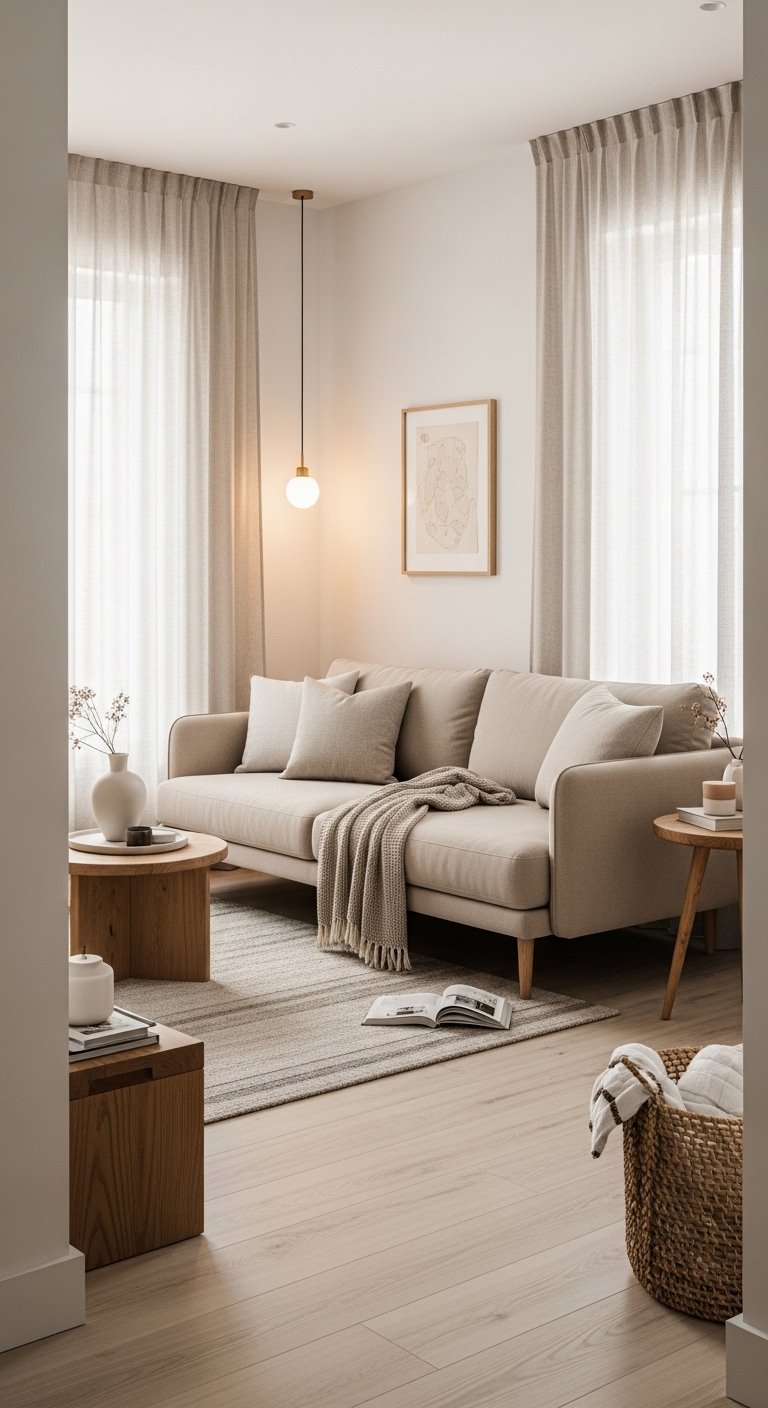
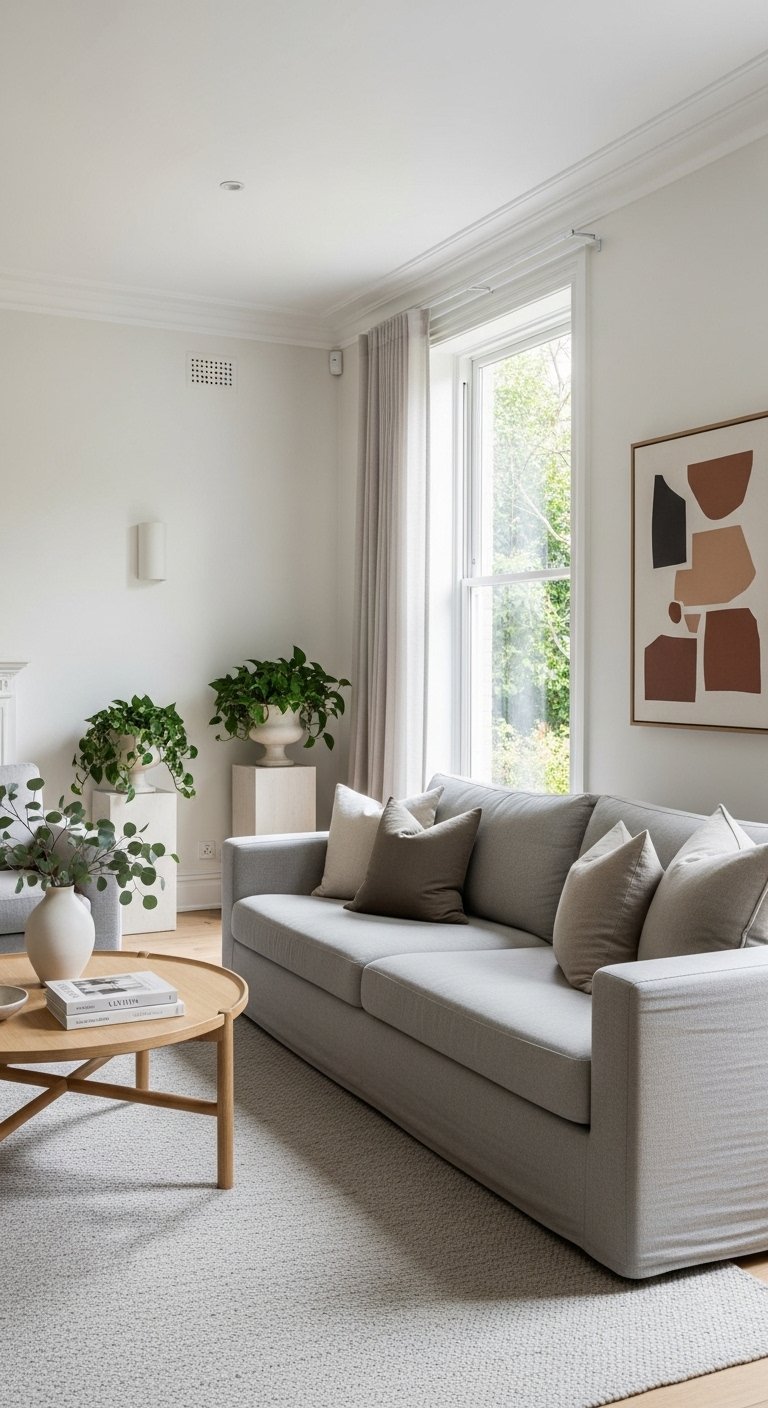
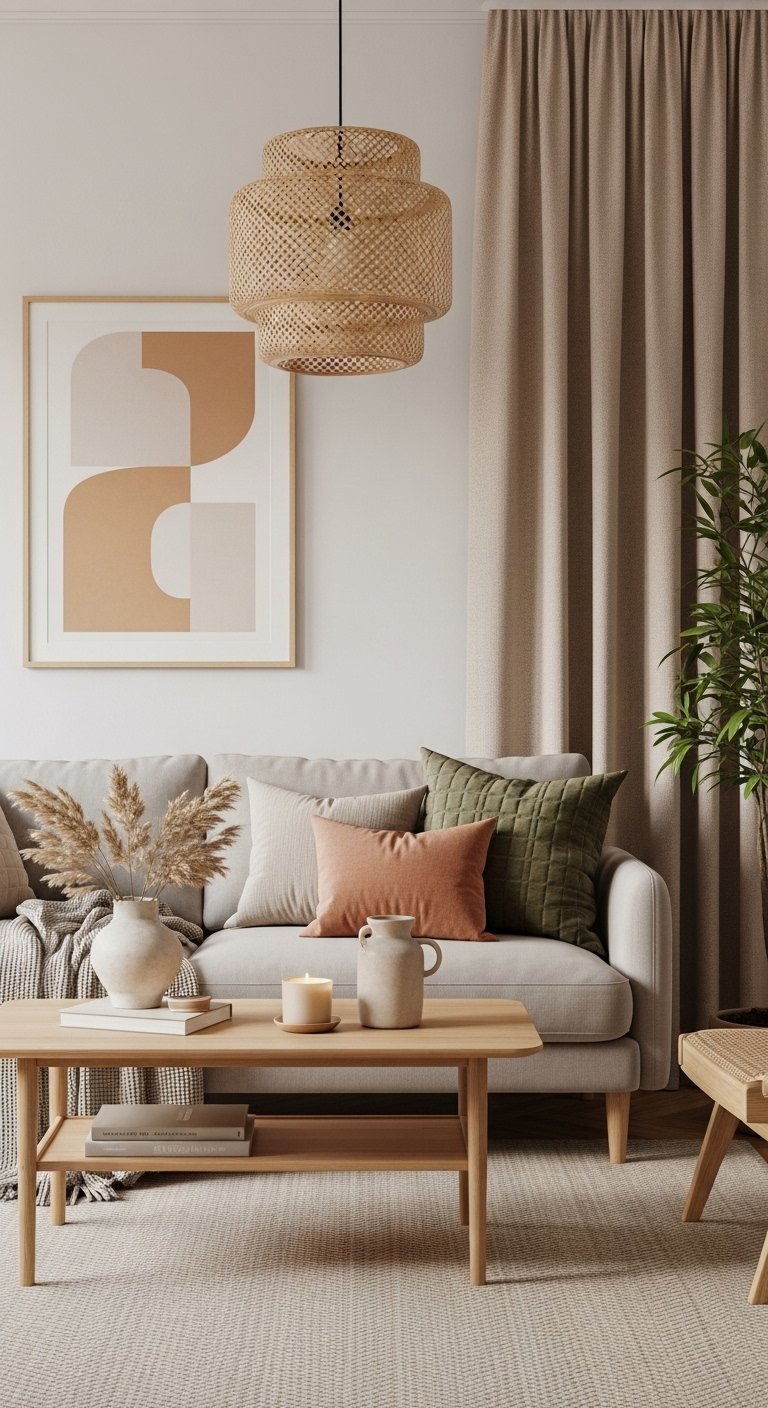
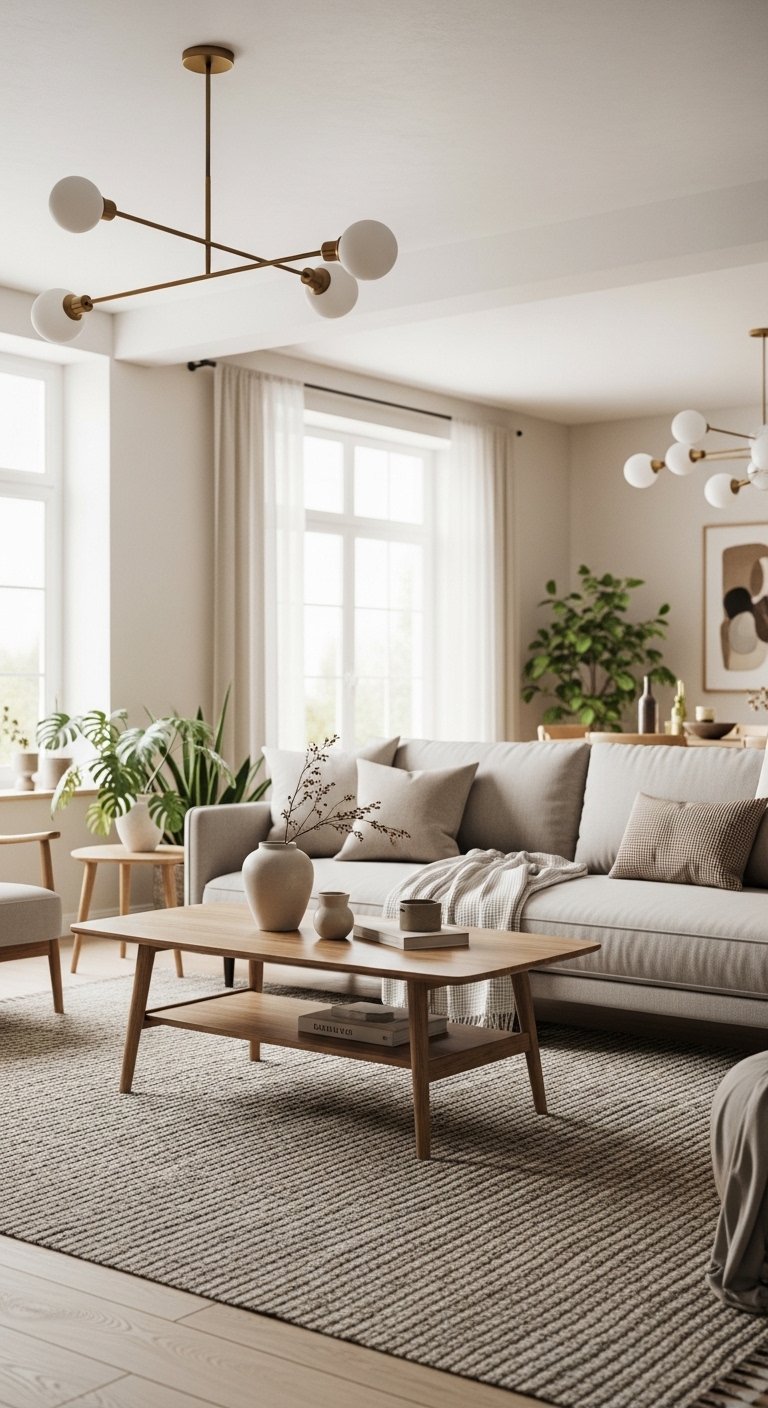
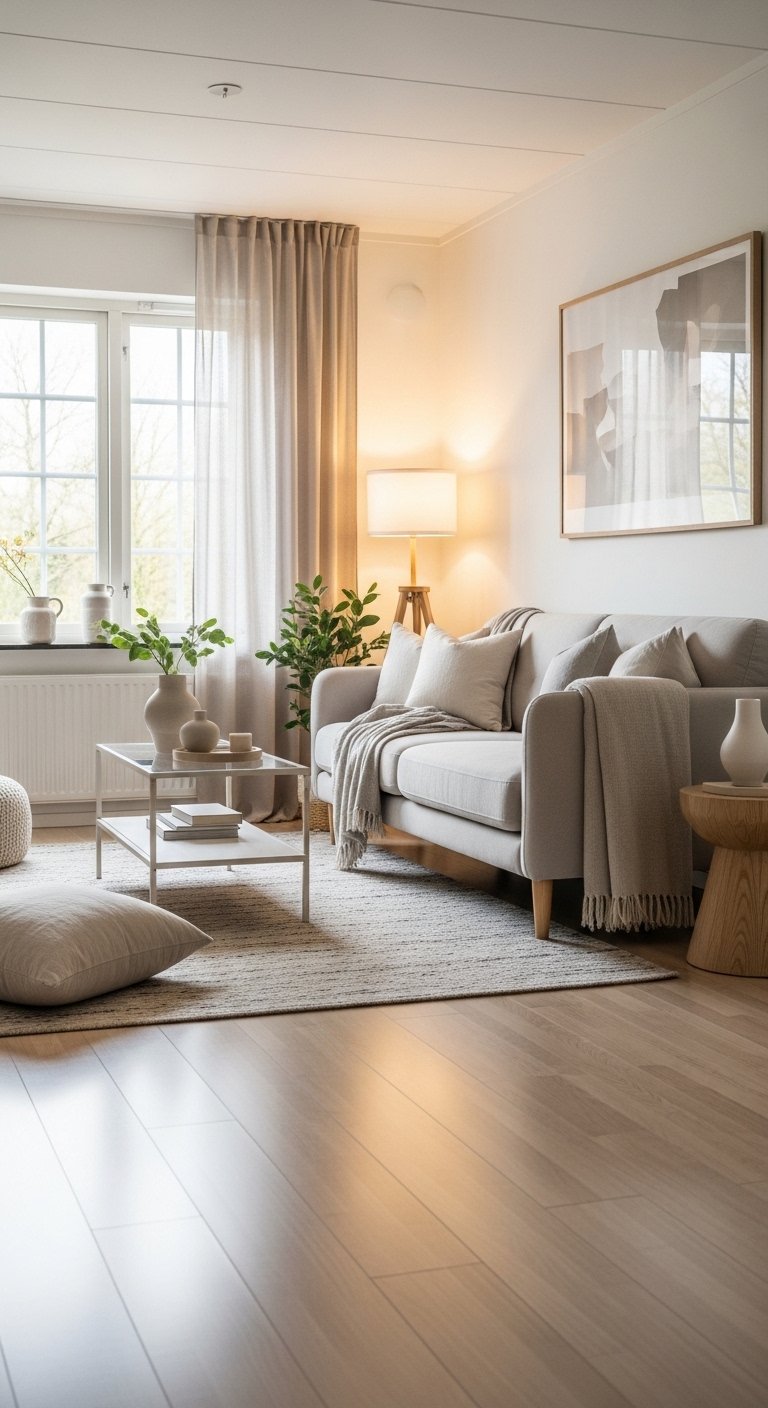
A light color base is the easiest way to make a tiny living room feel bigger. Start with soft shades like warm white, cream, pale gray, or light beige on the walls. These colors reflect natural light and make the room feel airy instead of closed. Pair the walls with a slightly darker sofa or textured rug to add depth without making the space heavy. You can also layer soft fabrics like linen curtains and cotton cushions in similar tones to keep the look smooth and connected. Avoid strong contrasts on large surfaces because they can visually break the room into smaller sections. Instead, keep the palette calm and flowing. Add a few natural textures like light wood or woven baskets to give warmth. This approach creates a clean background that makes everything feel more spacious and easy on the eyes.
2. Choose Low-Profile Furniture for a Wider Feel
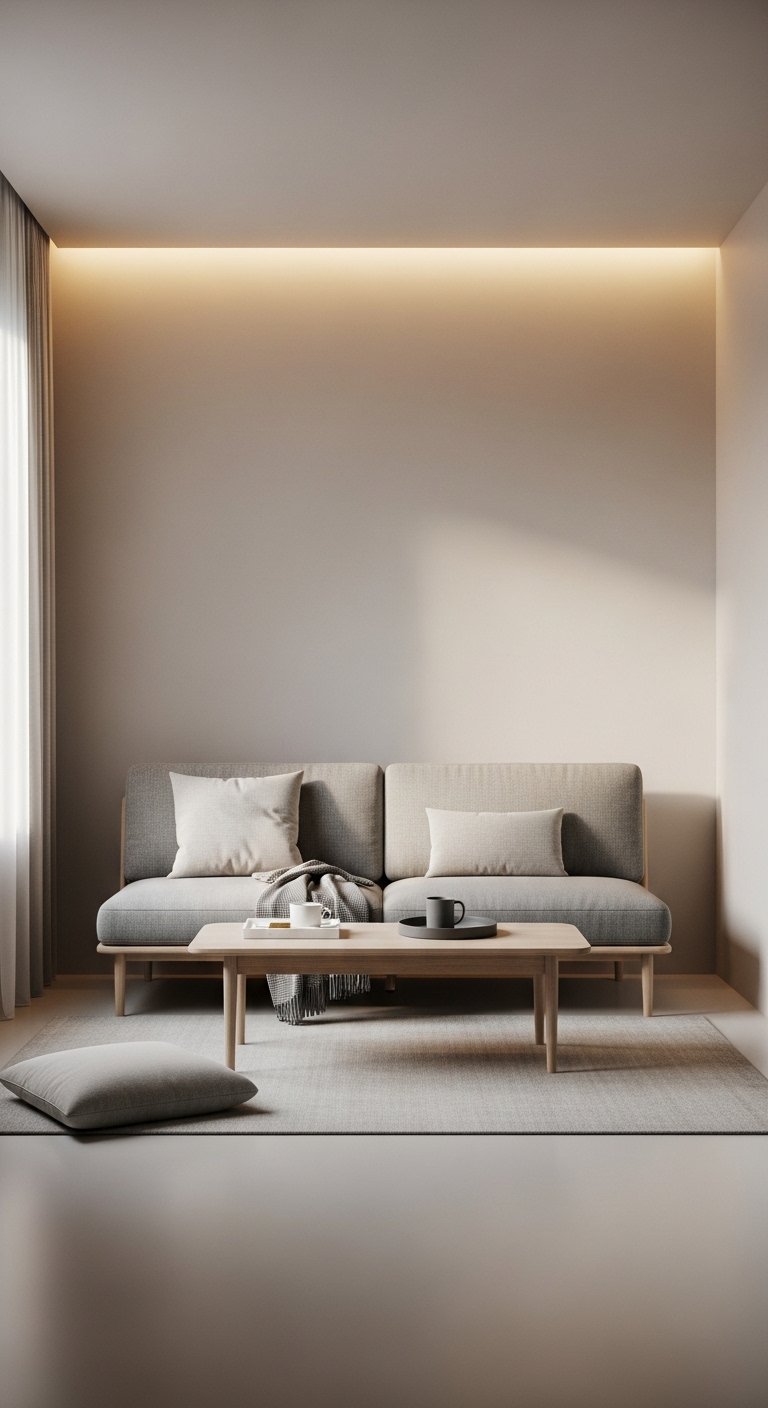
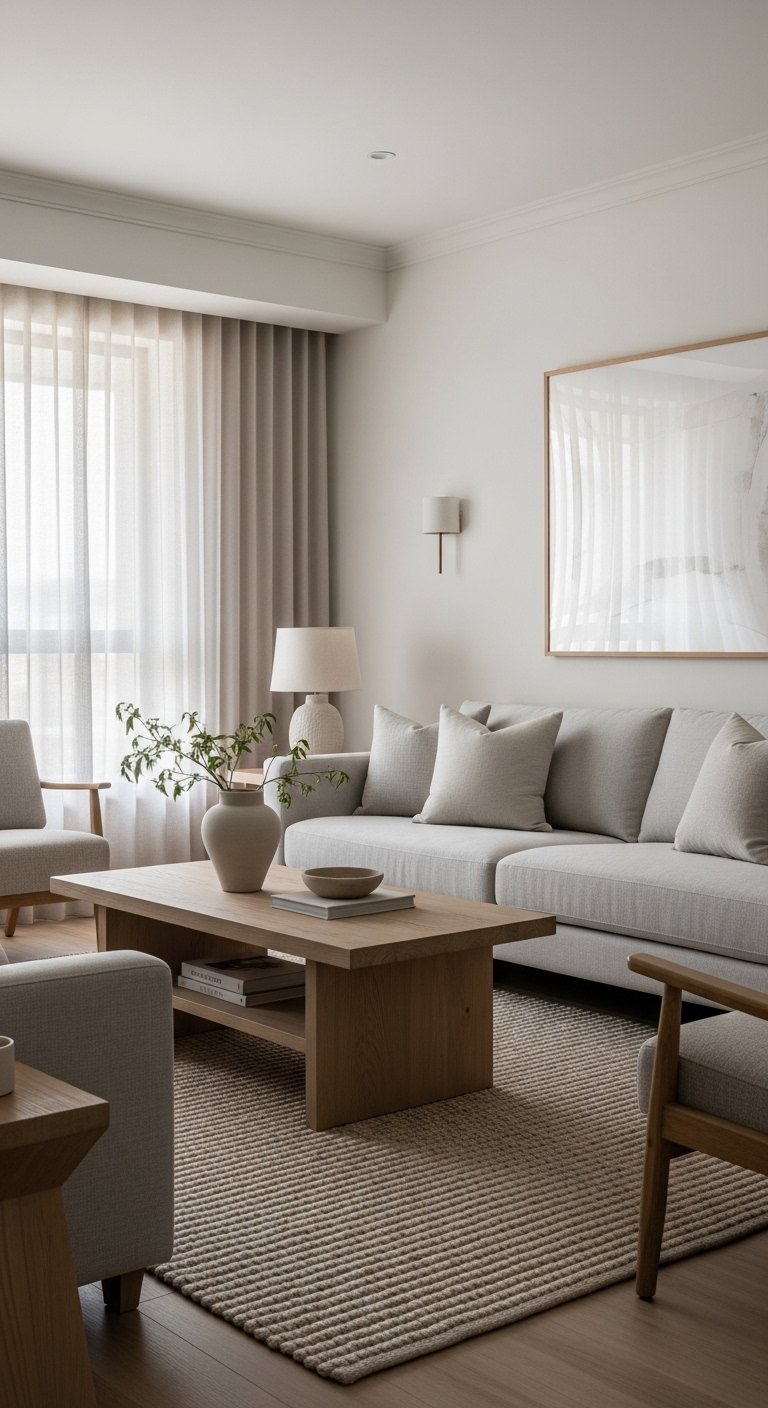
Low-profile furniture helps your ceiling look higher and your room feel larger. Choose sofas and chairs with shorter legs and a lower back so they do not block the visual flow of the room. A low coffee table with a simple design keeps the center open and less crowded. When your furniture sits lower, more wall space becomes visible, which makes the room feel taller. Try soft neutral upholstery like light gray or beige to keep the space bright. Avoid bulky armrests and thick cushions that take up extra visual space. You can also use a slim bench instead of a large armchair to save room. Keep the layout simple so movement feels easy and natural. This small shift in furniture style can make your living room look wider, calmer, and more modern without changing the entire setup.
3. Add a Large Mirror to Reflect Light and Space
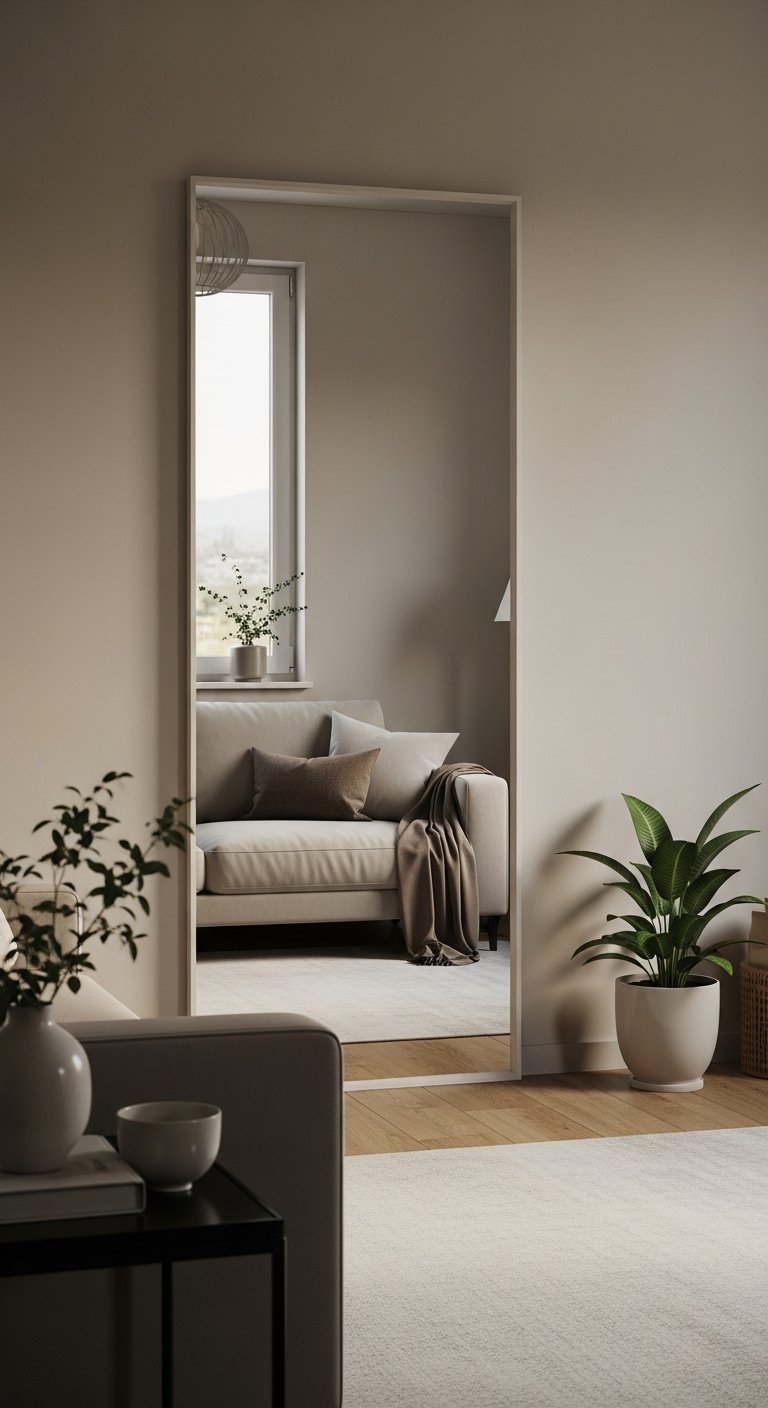
A large mirror is one of the most powerful tools for making a small living room feel bigger. Place it across from a window so it reflects natural light and spreads brightness across the room. This instantly creates a sense of depth, almost like adding another window. Choose a simple frame in light wood, black metal, or even a frameless design to keep the look clean. A floor-length mirror leaning against the wall can also add a relaxed and stylish feel. If you prefer wall-mounted options, go for one large mirror instead of many small ones to avoid visual clutter. You can even position a mirror behind a sofa or above a console table to expand the view. This trick works especially well in narrow spaces, helping them feel more open and balanced.
4. Use Multi-Functional Furniture to Save Space
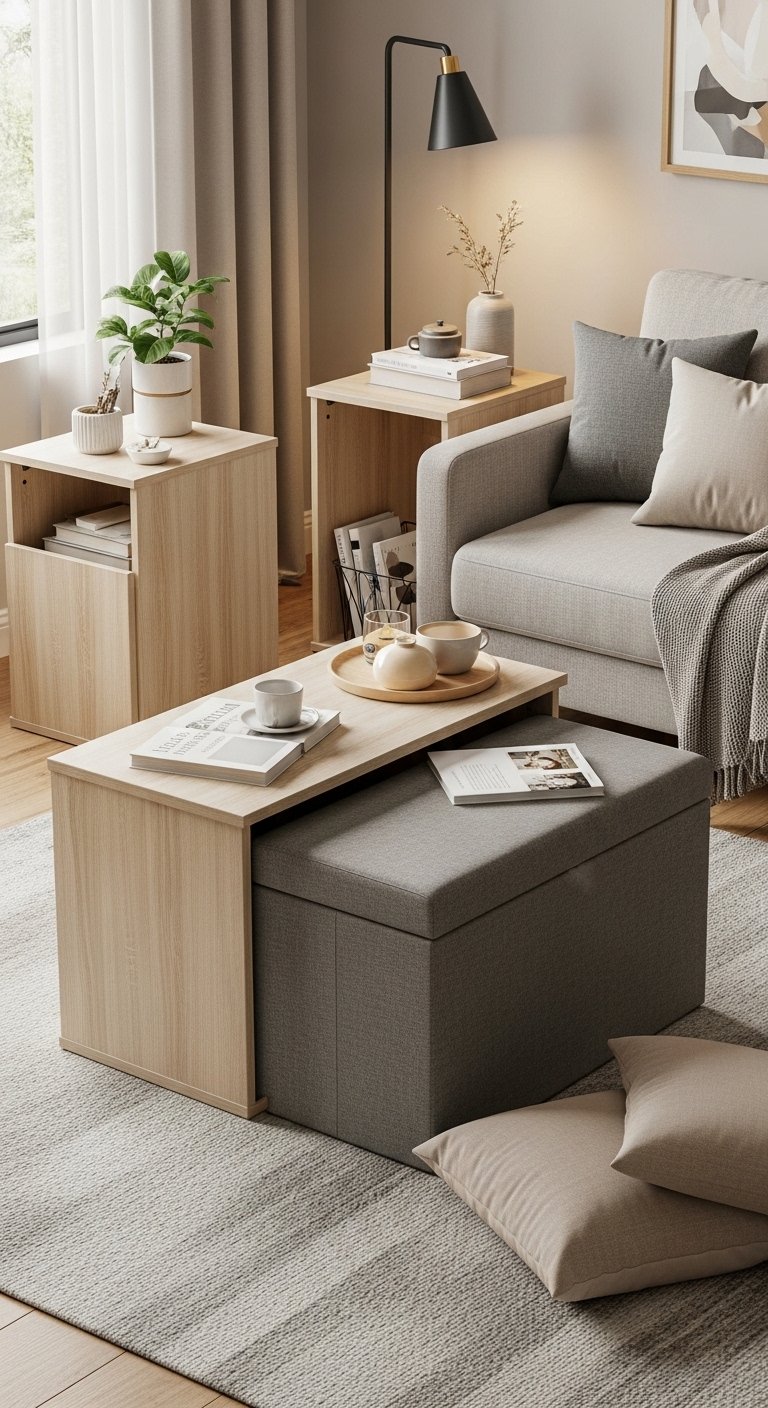
In a tiny living room, every piece of furniture should serve more than one purpose. A storage ottoman can work as a seat, a footrest, and a hidden storage box for blankets or magazines. A coffee table with shelves or drawers helps reduce clutter while keeping essentials close. You can also use a foldable side table that can be moved when needed. Choose a sofa bed if your living room doubles as a guest space. Look for furniture with clean lines and compact shapes so it does not overwhelm the room. Materials like light wood, glass, or metal keep the design feeling light. When everything has a function, you avoid overcrowding and keep the room organized. This makes the space feel bigger, cleaner, and more comfortable for everyday use.
5. Keep Curtains Light and Hang Them High
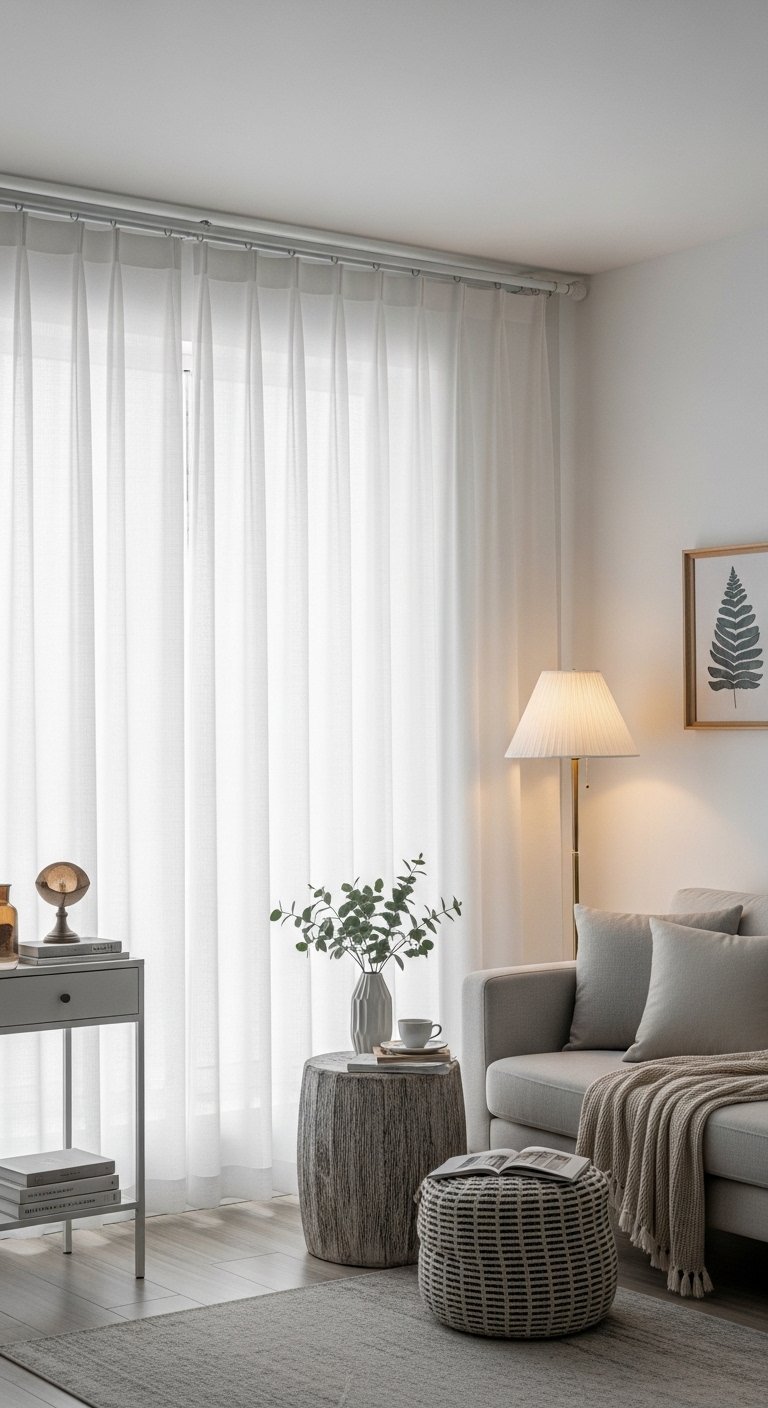
Curtains can change how tall and wide your room feels. Choose light fabrics like sheer cotton or linen that allow natural light to pass through. Soft white, off-white, or pale neutral tones work best to keep the room bright. Hang the curtain rod higher than the window frame, close to the ceiling. This draws the eye upward and makes the walls appear taller. Let the curtains fall all the way to the floor for a smooth and elegant look. Avoid heavy, dark drapes that block light and make the space feel closed. If privacy is a concern, layer sheer curtains with light blinds. This setup gives flexibility while keeping the space open. The right curtain choice adds softness without adding visual weight, helping your tiny living room feel more spacious and calm.
6. Use a Minimal Layout with Clear Walking Space
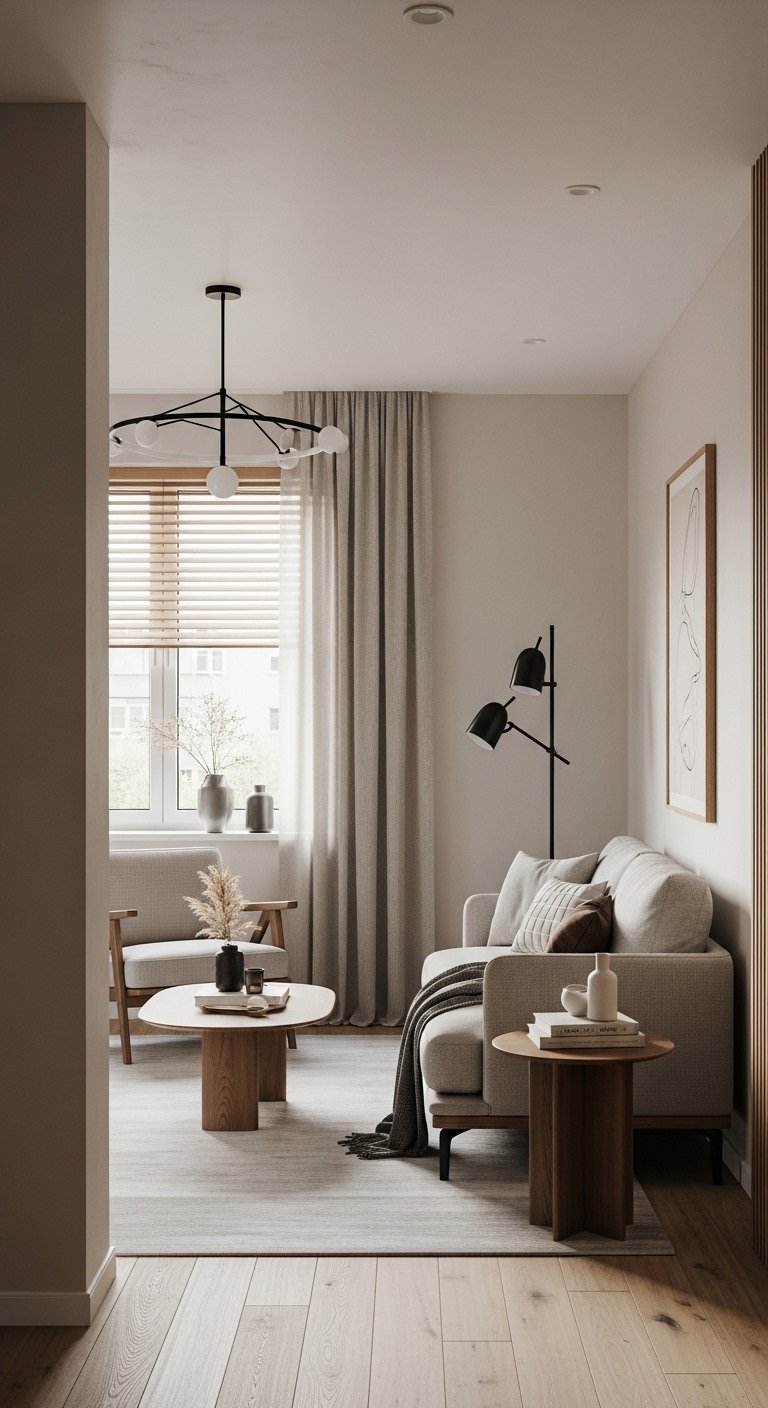
A clear and simple layout makes a huge difference in a small living room. Start by placing only essential furniture and removing anything that feels extra. Keep a clear walking path so you can move easily without bumping into things. Position your sofa against a wall to open up the center area. Use one or two small side tables instead of many pieces. Avoid pushing furniture into every corner because that can make the room feel crowded. Instead, leave a little breathing space around each item. This helps the room feel balanced and less packed. Think about how you move in the space daily and arrange furniture to support that flow. A minimal layout does not mean empty. It means intentional placement that makes your living room feel open, functional, and easy to enjoy.
7. Add Vertical Storage to Free Up Floor Space
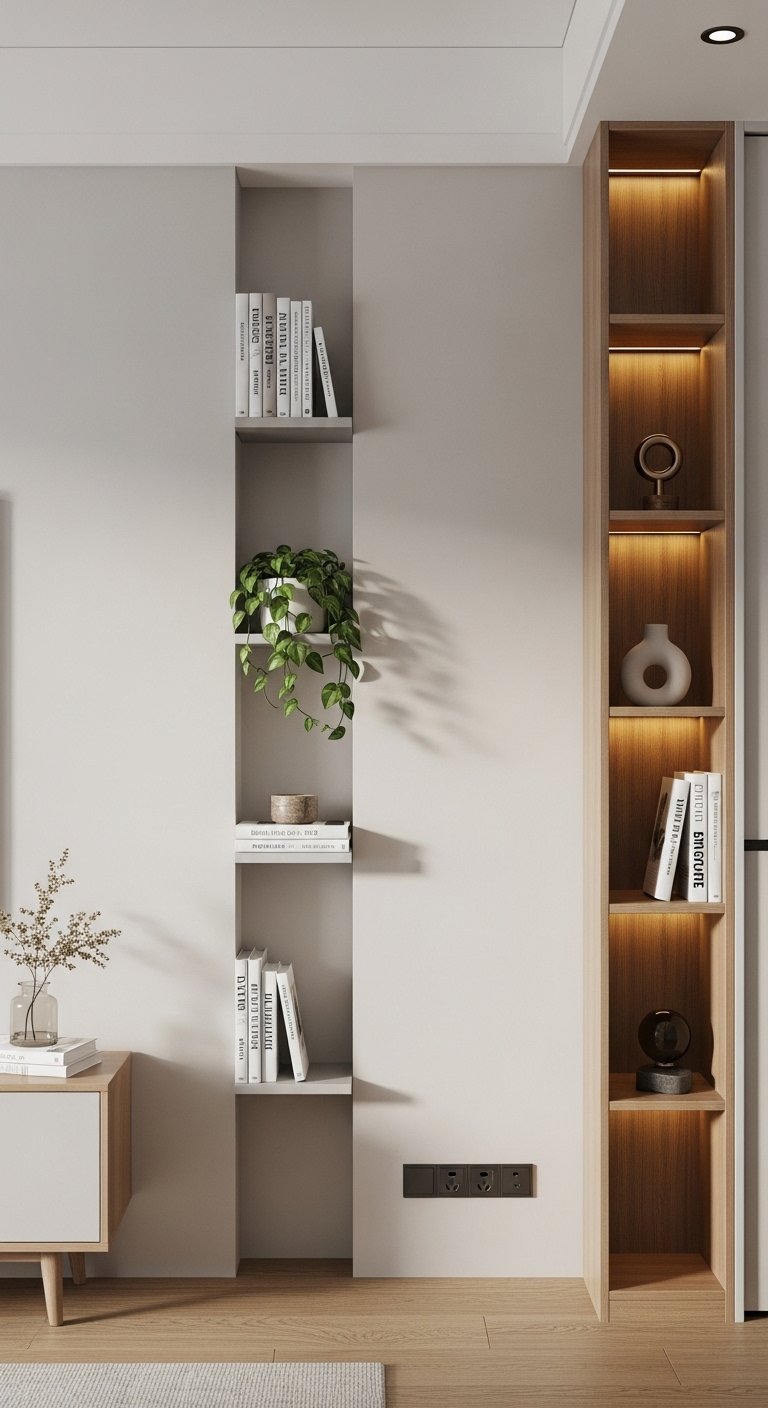
Vertical storage helps you use wall space instead of filling the floor. Install slim shelves or tall bookcases that draw the eye upward and make the room feel taller. Use these shelves to display books, plants, and small decor pieces in a neat way. Keep the styling simple with a mix of open space and a few items to avoid a cluttered look. Floating shelves are a great option because they look light and modern. Choose colors that match your wall to create a seamless effect. You can also use wall-mounted cabinets with closed storage to hide clutter. This keeps the room clean and organized. By moving storage upward, you free up valuable floor space, making your living room feel larger and more open without losing functionality.
8. Choose Furniture with Exposed Legs for Airiness
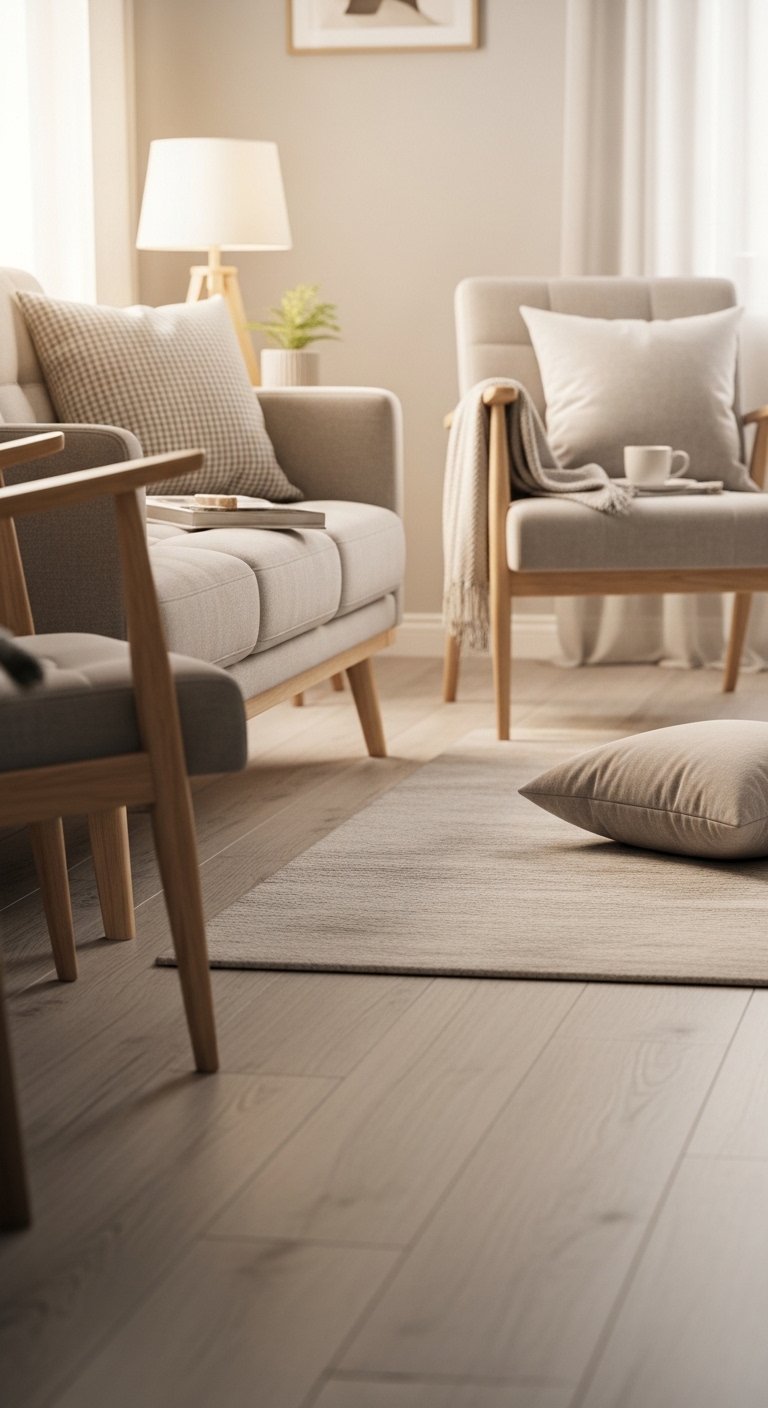
Furniture with exposed legs creates a sense of openness because you can see more of the floor. This small detail makes a big visual difference in a tiny living room. Sofas, chairs, and tables with slim legs feel lighter compared to pieces that sit directly on the floor. Light wood or metal legs work especially well for a modern and clean look. Pair this style with a simple area rug that does not cover the entire floor, allowing some space to show around the edges. This creates a framed effect that adds depth. Avoid heavy, boxy furniture that blocks the view. When more floor is visible, the room feels less crowded and more breathable. This idea is easy to apply and instantly makes your space look more open and well-designed.
9. Use a Monochrome Color Scheme for Visual Flow
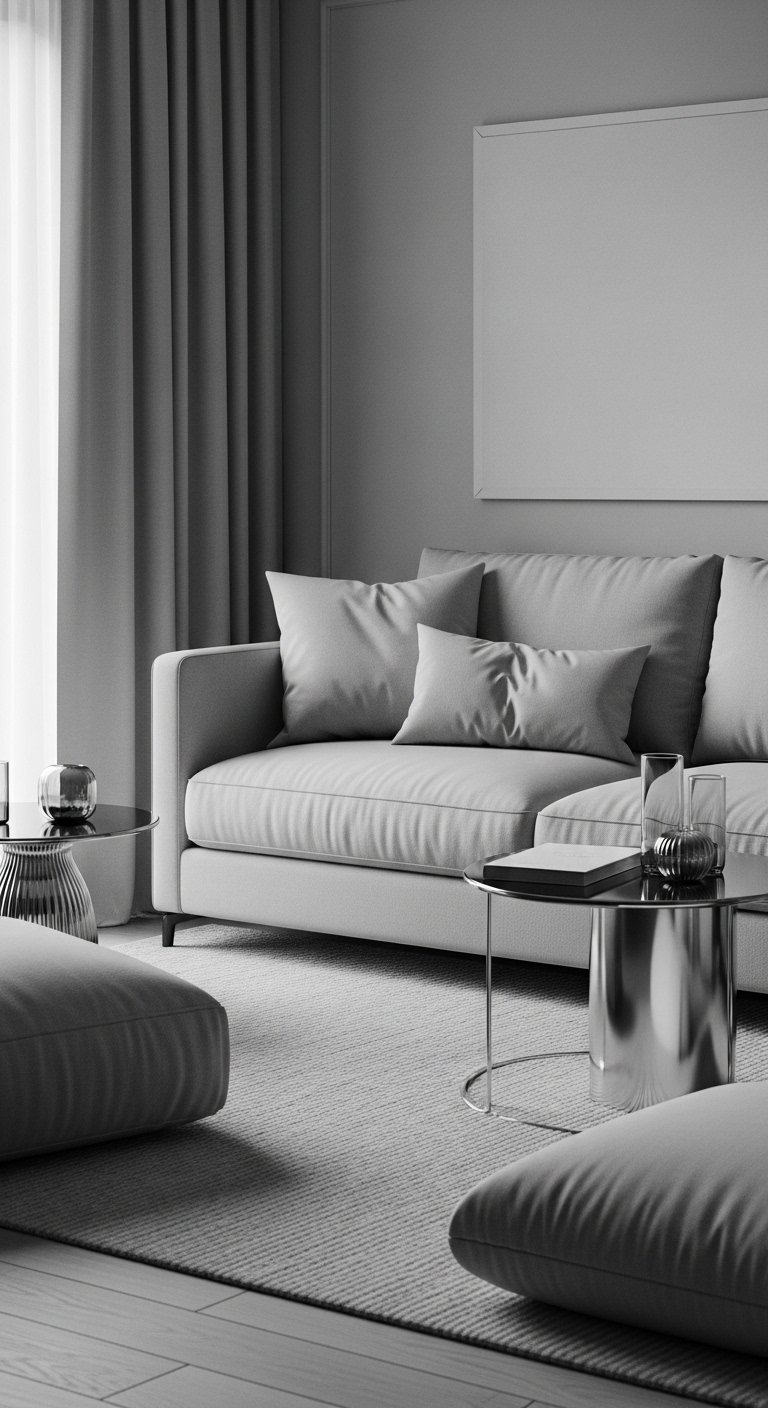
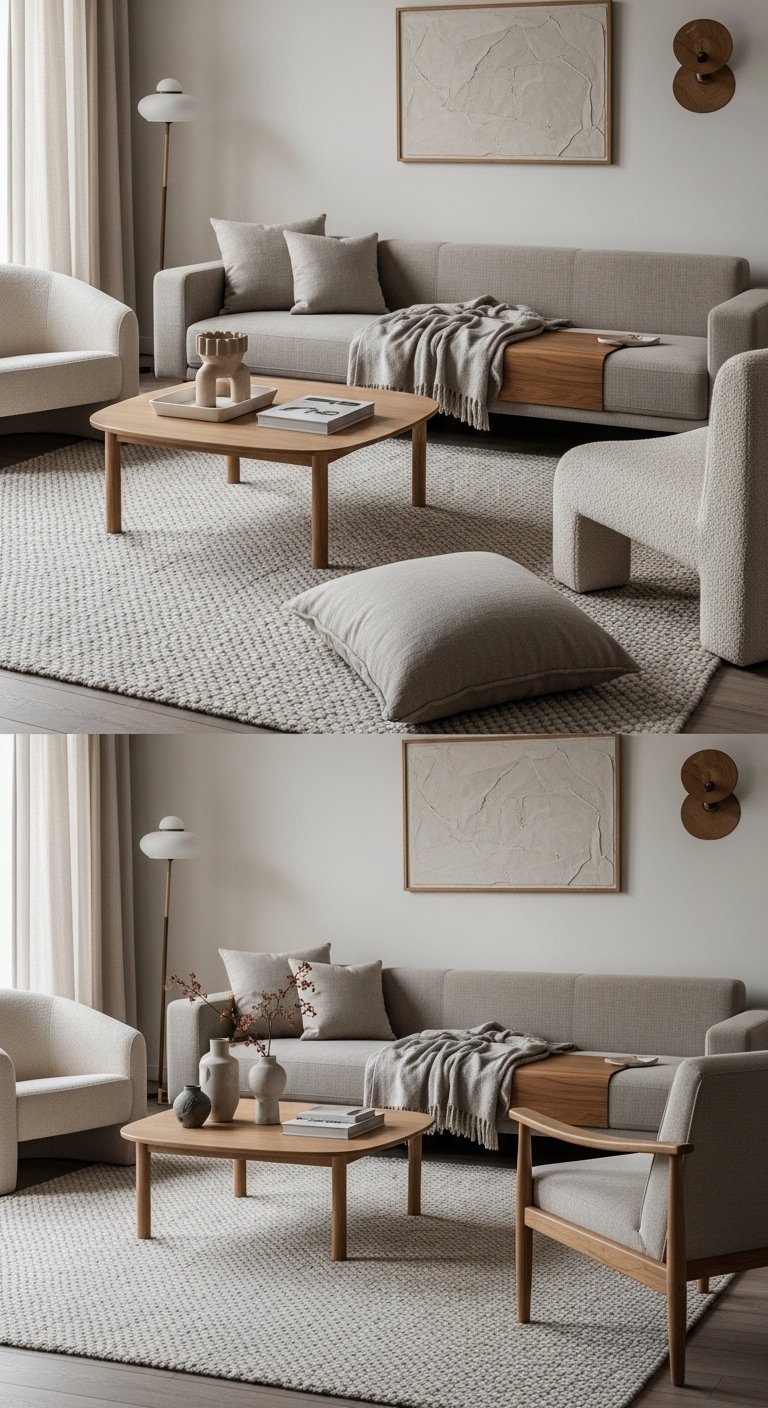
A monochrome color scheme helps your living room feel bigger by creating a smooth and uninterrupted look. Choose one main color and use different shades of it across walls, furniture, and decor. For example, you can use soft gray tones for the sofa, rug, cushions, and walls. This reduces visual breaks and makes the space feel more connected. Add subtle texture through fabrics like knit throws, velvet cushions, or woven rugs to keep the design interesting. Keep accents simple and avoid too many bold colors that can divide the space. You can include small metallic or glass elements to reflect light and add shine. This approach creates a calm and cohesive environment where everything flows together, making your tiny living room feel larger and more polished.
10. Let Natural Light Be the Main Feature
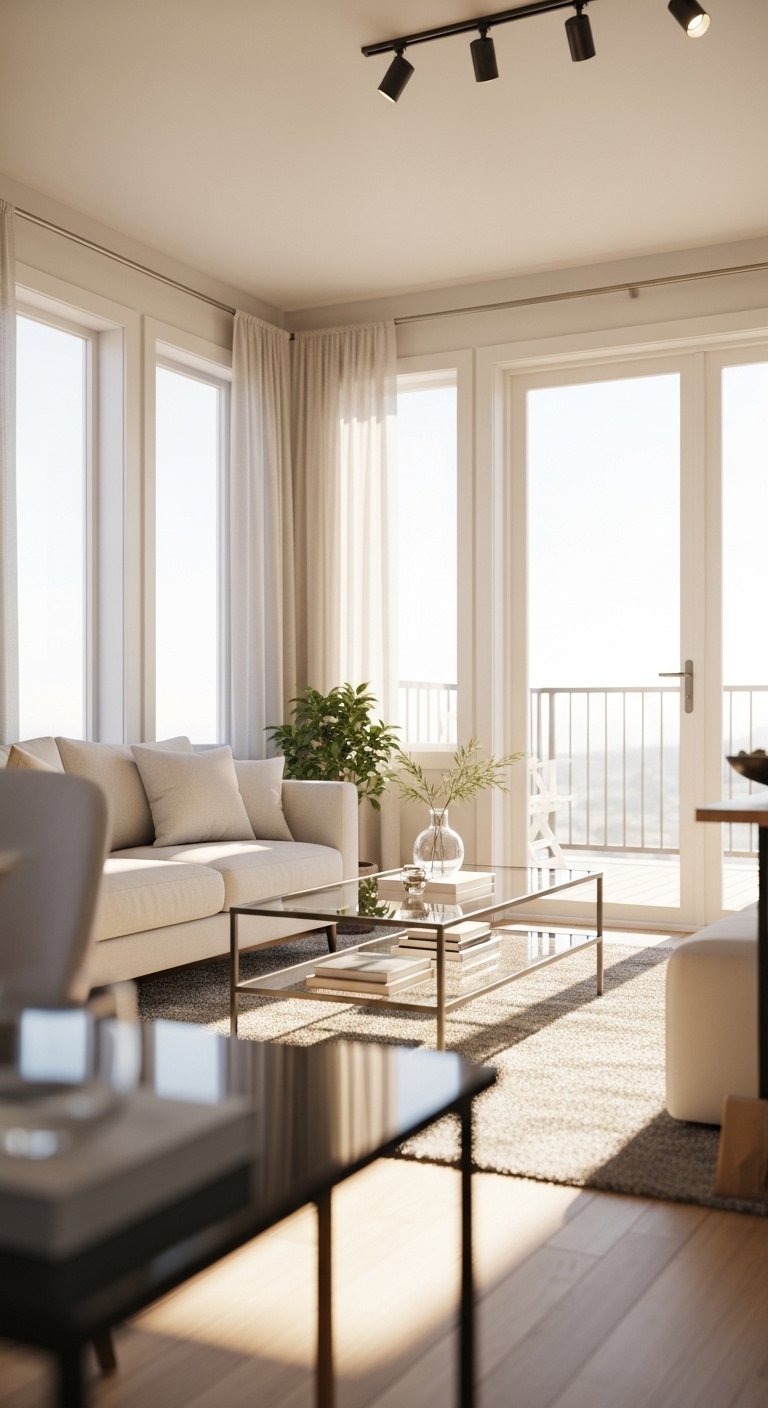
Natural light is your best friend in a small living room. Keep windows as open as possible and avoid blocking them with heavy furniture. Use light curtains or no curtains if privacy allows. Clean windows regularly to let in maximum light. Place mirrors or glass decor near windows to reflect sunlight and spread it across the room. Choose light-colored furniture and decor that enhance brightness instead of absorbing it. You can also use a glass coffee table to keep the space feeling open. Arrange seating so it faces the light source, creating a warm and inviting atmosphere. If your room does not get much sunlight, use soft warm lighting that mimics natural light. When your room feels bright and fresh, it automatically feels larger, more comfortable, and welcoming.
11. Use a Glass Coffee Table to Keep the Center Open
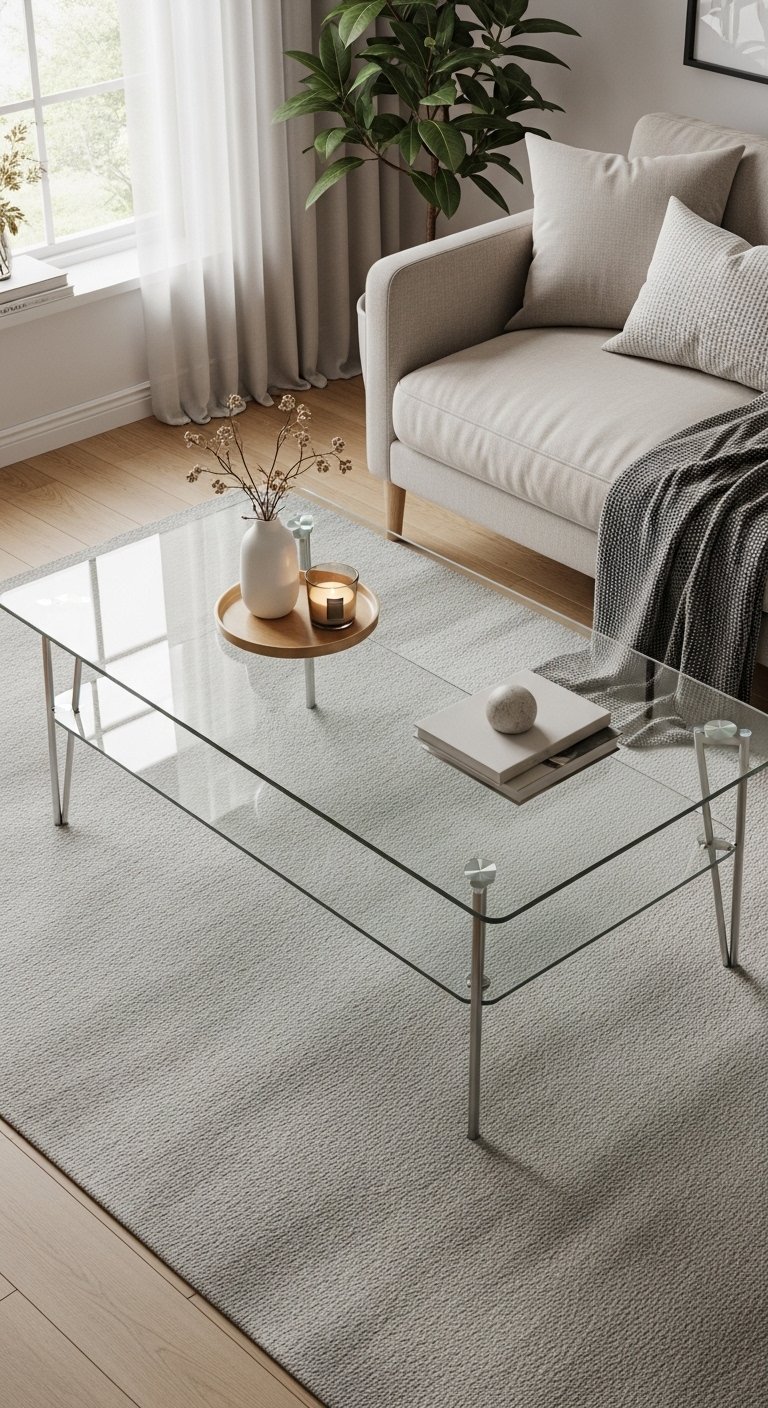
A glass coffee table helps your tiny living room feel open because it does not block the view. Unlike solid wood tables, glass allows light to pass through, making the center area look less crowded. Choose a simple design with thin metal or light wood legs to keep the look clean. This works especially well in small layouts where every inch matters. Pair it with a soft rug underneath to add warmth without making the space heavy. Keep styling minimal by placing only a small tray, a book, or a candle on top. Avoid over-decorating because too many items can defeat the purpose. This simple swap creates a light and airy feel while still giving you a functional surface for daily use.
12. Float Furniture Slightly Away from Walls
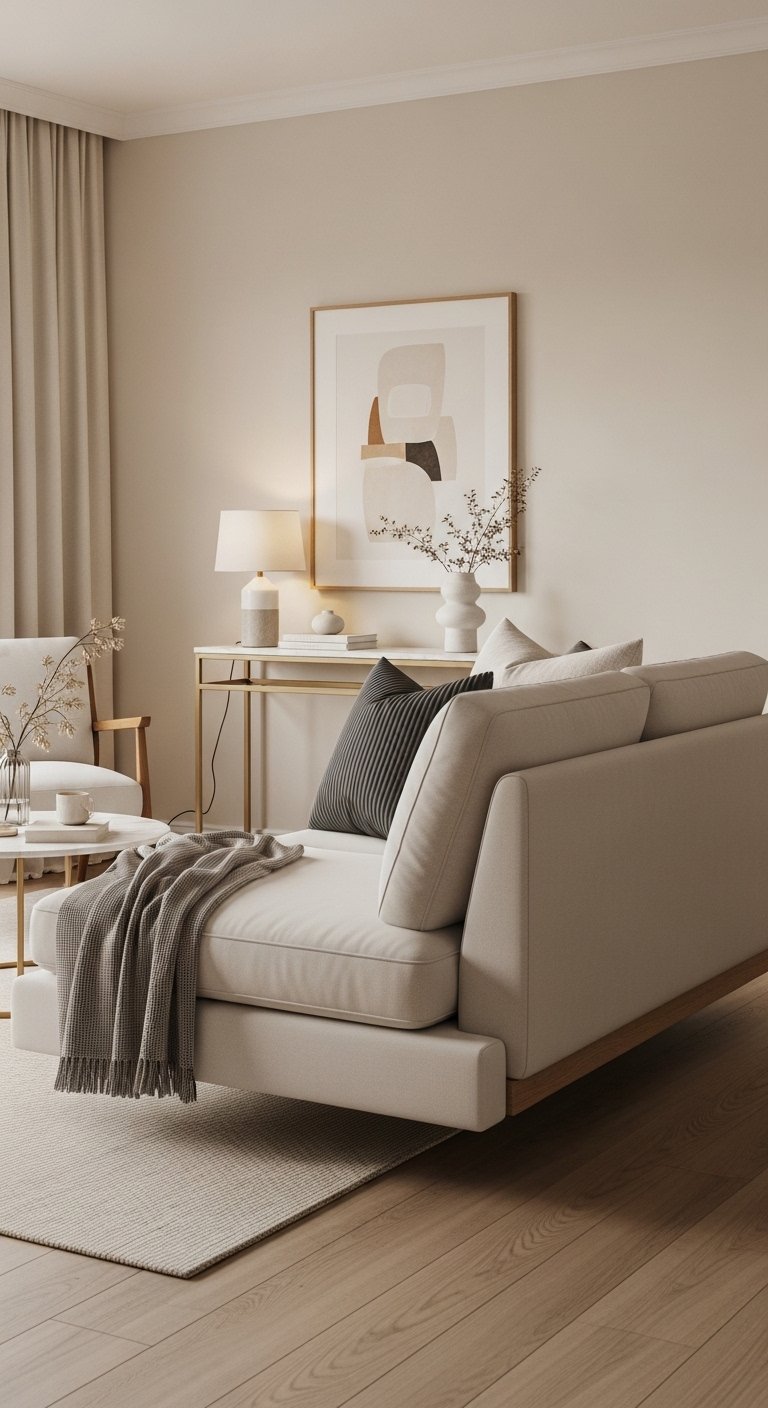
Pulling furniture slightly away from the walls can make your room feel bigger and more balanced. It may sound surprising, but placing everything directly against the wall can make the space feel flat. Try moving your sofa just a few inches forward and add a slim console table or a narrow shelf behind it. This creates depth and gives the illusion of a larger room. Use this space for a small lamp or a few decor pieces to add character. Keep the gap small so it does not waste space. This layout works best when combined with a simple design and light colors. It makes the room feel thoughtfully arranged instead of tightly packed.
13. Add One Large Statement Piece Instead of Many Small Items
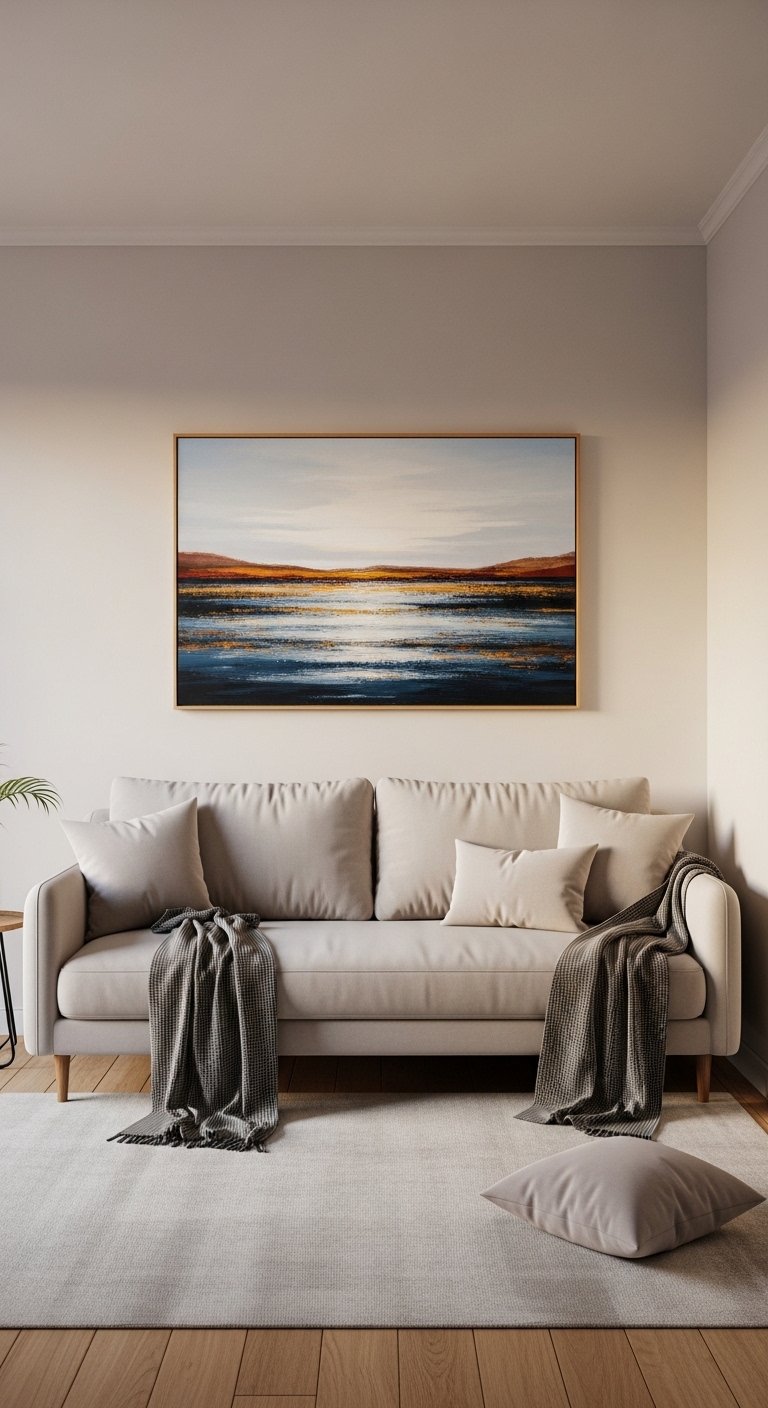
Using one large statement piece instead of many small decor items helps reduce visual clutter. Choose a bold artwork, a large framed print, or a statement wall panel to create a strong focal point. This draws attention and makes the room feel more organized. Many small items can make a tiny living room feel busy and crowded. Keep the rest of the decor simple so the main piece stands out. You can match colors from the artwork with cushions or a rug to create harmony. This approach keeps the space clean while still adding personality. It also makes styling easier because you do not need to fill every corner with decor.
14. Use Rugs to Define Space Without Closing It Off
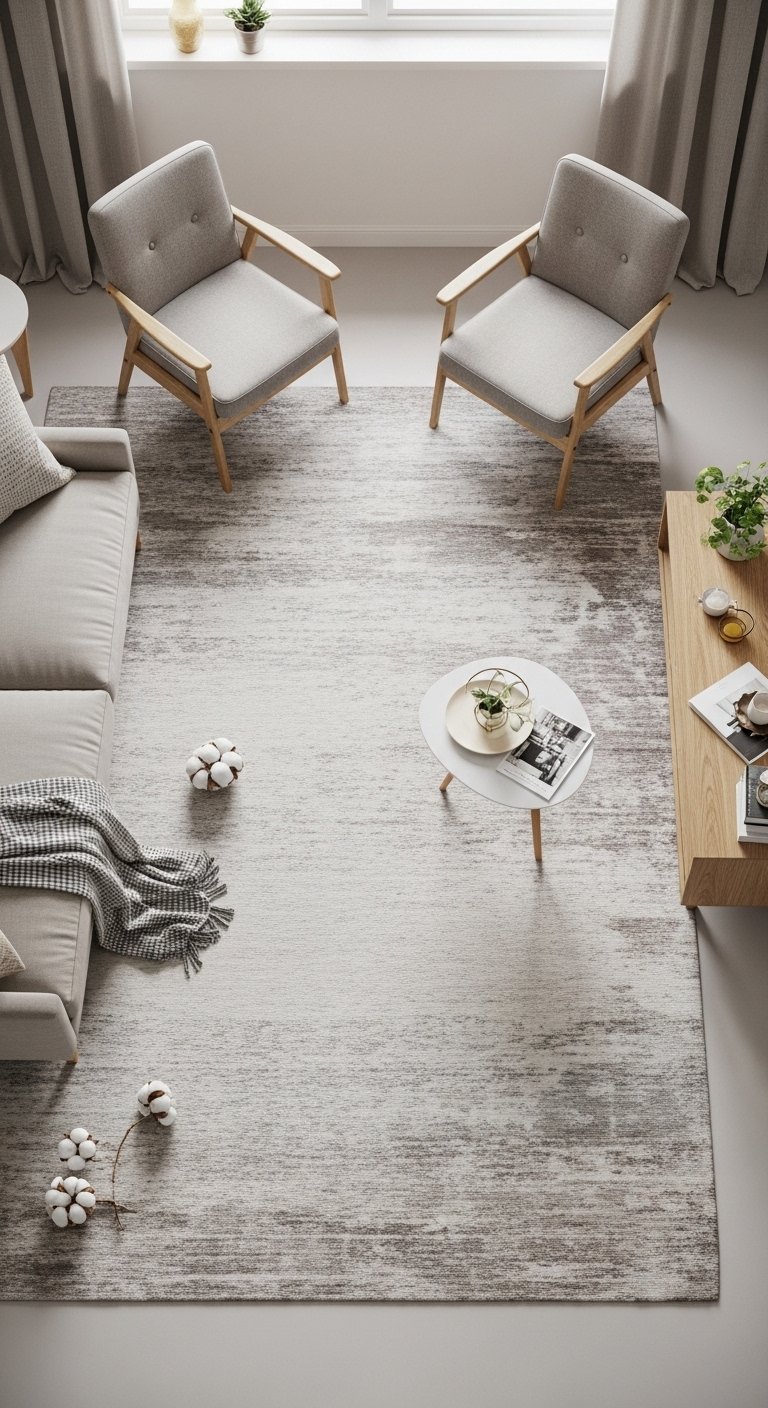
A well-chosen rug can make your living room feel larger by defining the seating area without adding walls. Choose a rug that is big enough to fit under at least the front legs of your sofa and chairs. This creates a connected look and makes the space feel more unified. Light colors or subtle patterns work best because they do not overpower the room. Avoid very dark or busy designs that can make the area feel smaller. You can use soft textures like wool or cotton for a cozy feel. Keep the edges visible around the rug to create a frame that adds depth. This simple trick helps your layout feel intentional and open at the same time.
15. Keep Wall Decor Simple and Well-Spaced
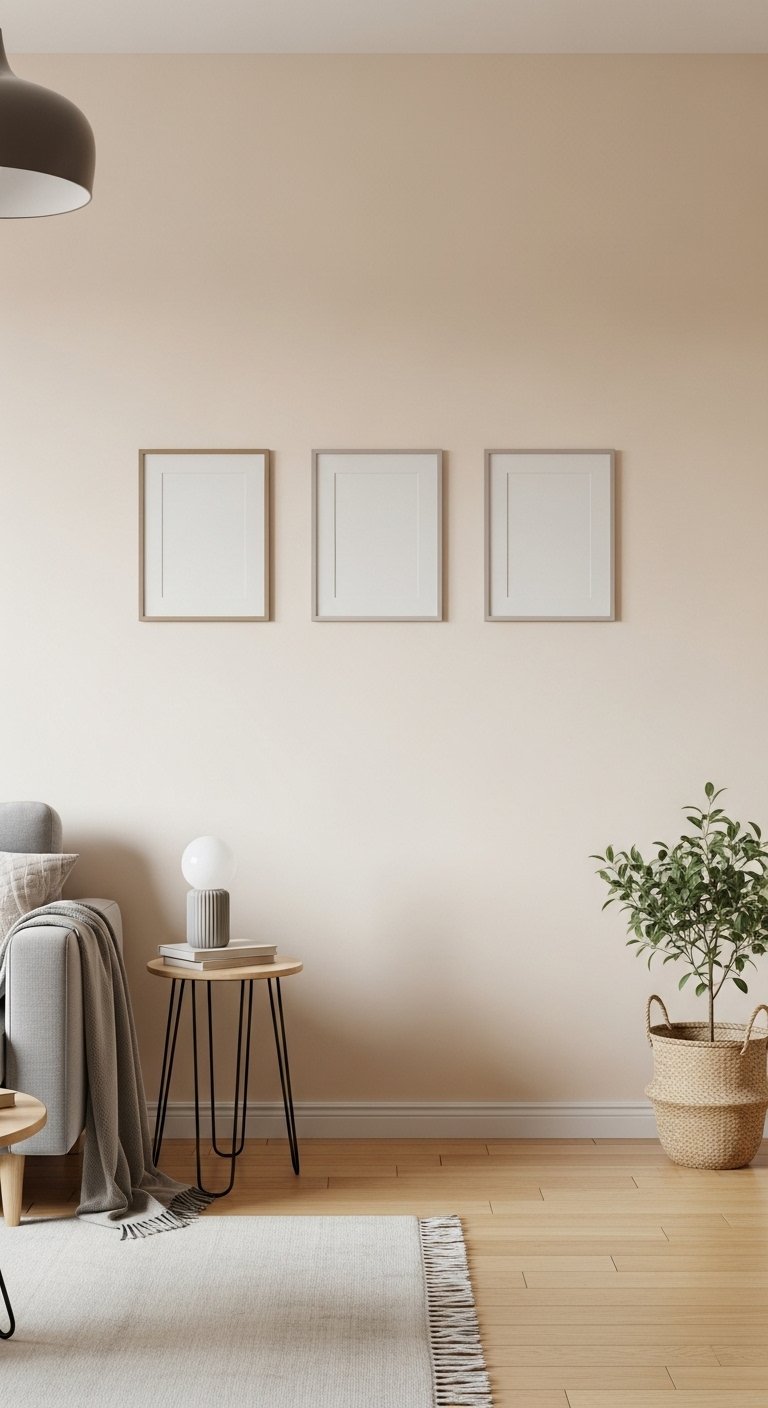
Wall decor should feel balanced, not crowded. Choose a few meaningful pieces and give them space to breathe. A small gallery wall can work, but keep the frames aligned and evenly spaced for a clean look. Use thin frames in neutral tones like black, white, or wood to keep things light. Avoid filling every inch of the wall because that can make the room feel busy. Instead, focus on one area and leave other walls simple. This creates a sense of calm and openness. You can also mix art with a mirror or a small shelf for variety. Keeping wall decor simple helps your tiny living room feel organized and visually larger.
16. Use Hidden Storage to Reduce Visual Clutter
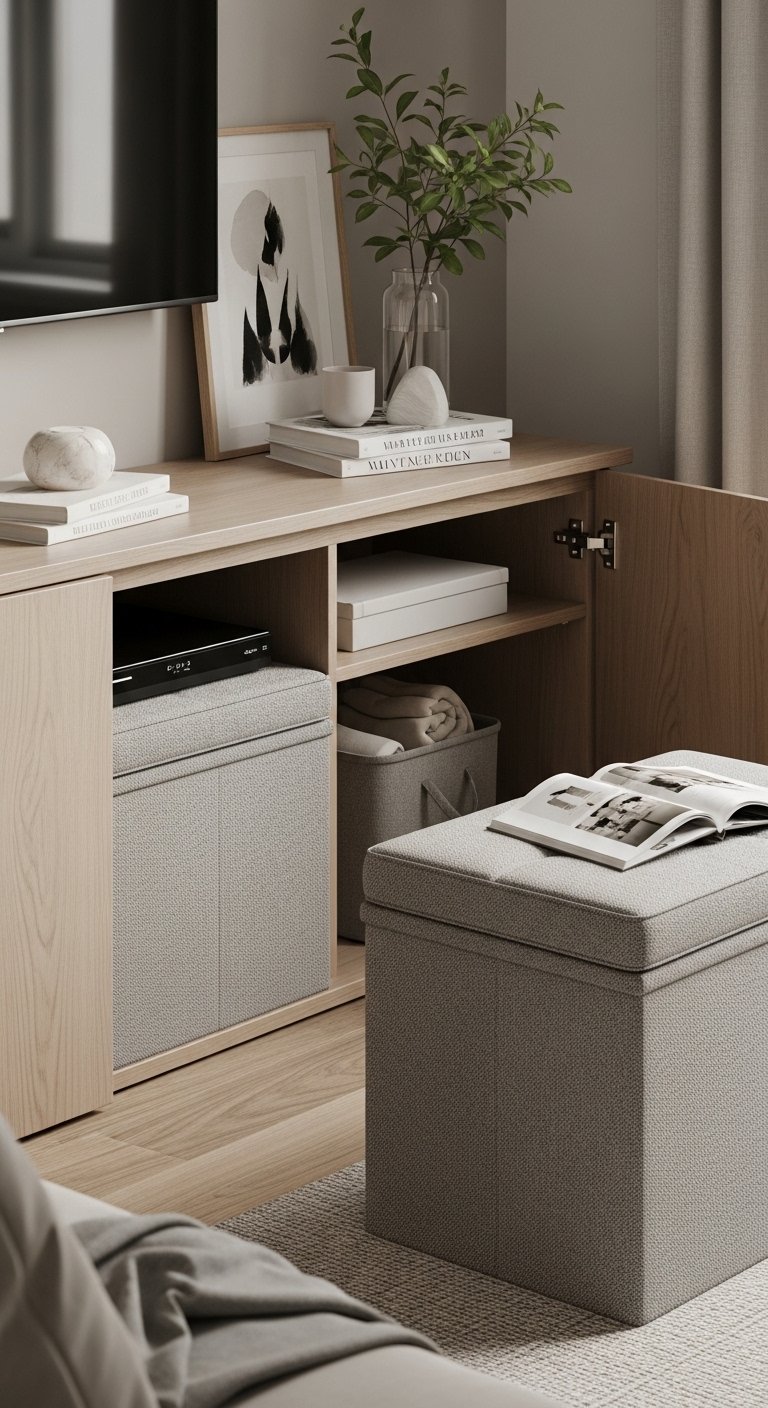
Clutter makes any small space feel even smaller, so hidden storage is key. Choose furniture that keeps items out of sight, like a TV unit with cabinets or a bench with storage inside. Use decorative boxes or baskets to store small items like remotes, chargers, or books. Keep surfaces like coffee tables and side tables as clear as possible. This creates a clean and calm look. Stick to a simple color palette for storage items so they blend with the room. When everything has a place, your living room feels more open and relaxing. This idea is easy to apply and makes a big difference in how your space looks and feels every day.
17. Add Soft Layered Lighting for Depth
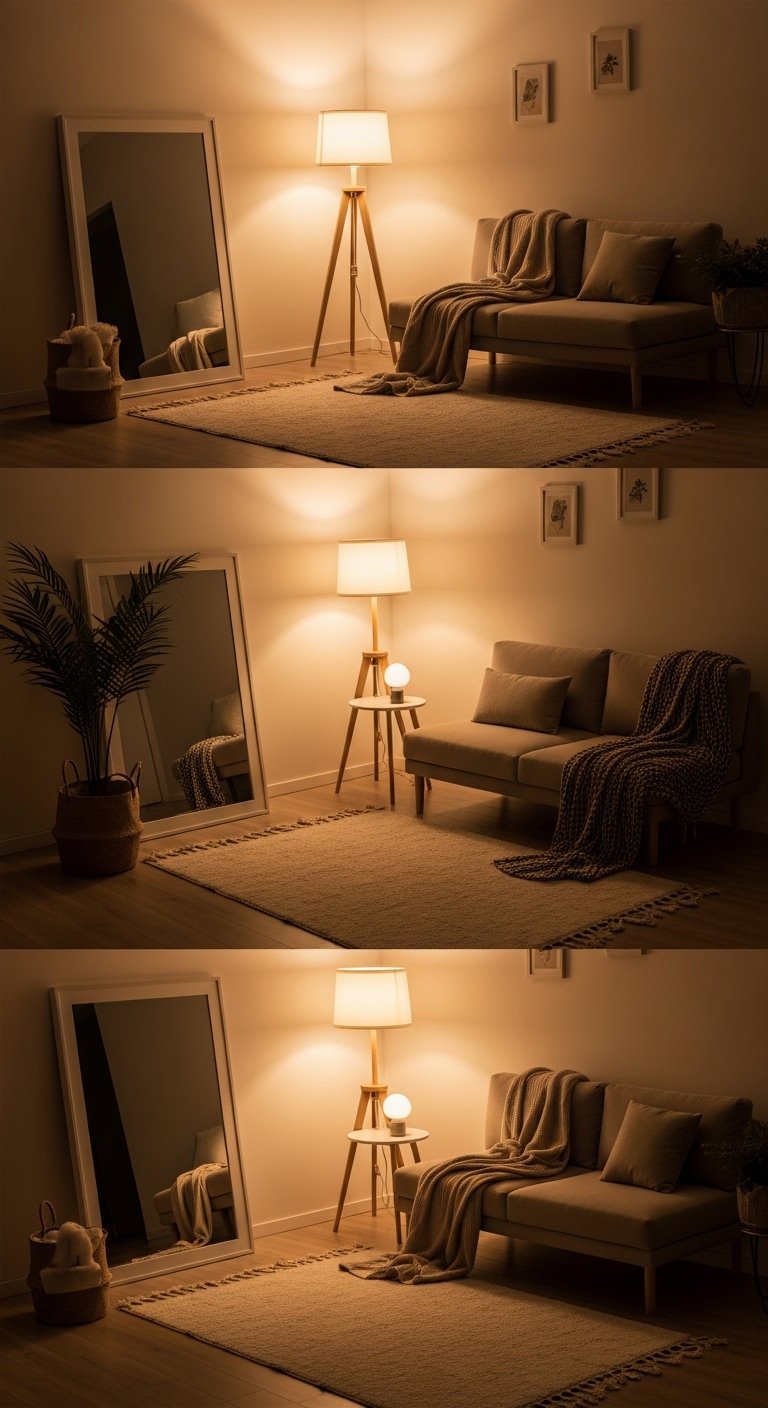
Lighting can change how big your room feels. Instead of using only one overhead light, add layers of soft lighting. Use a floor lamp in one corner and a table lamp on a side table to create a warm glow. Choose warm white bulbs that feel natural and cozy. Light bouncing from different angles adds depth and makes the room feel more spacious. Avoid harsh, bright lights that create strong shadows. You can also use wall-mounted lights to save space. Keep lamp designs simple and slim so they do not take up too much visual space. Layered lighting makes your tiny living room feel inviting, balanced, and softly expanded.
18. Choose Foldable or Stackable Furniture
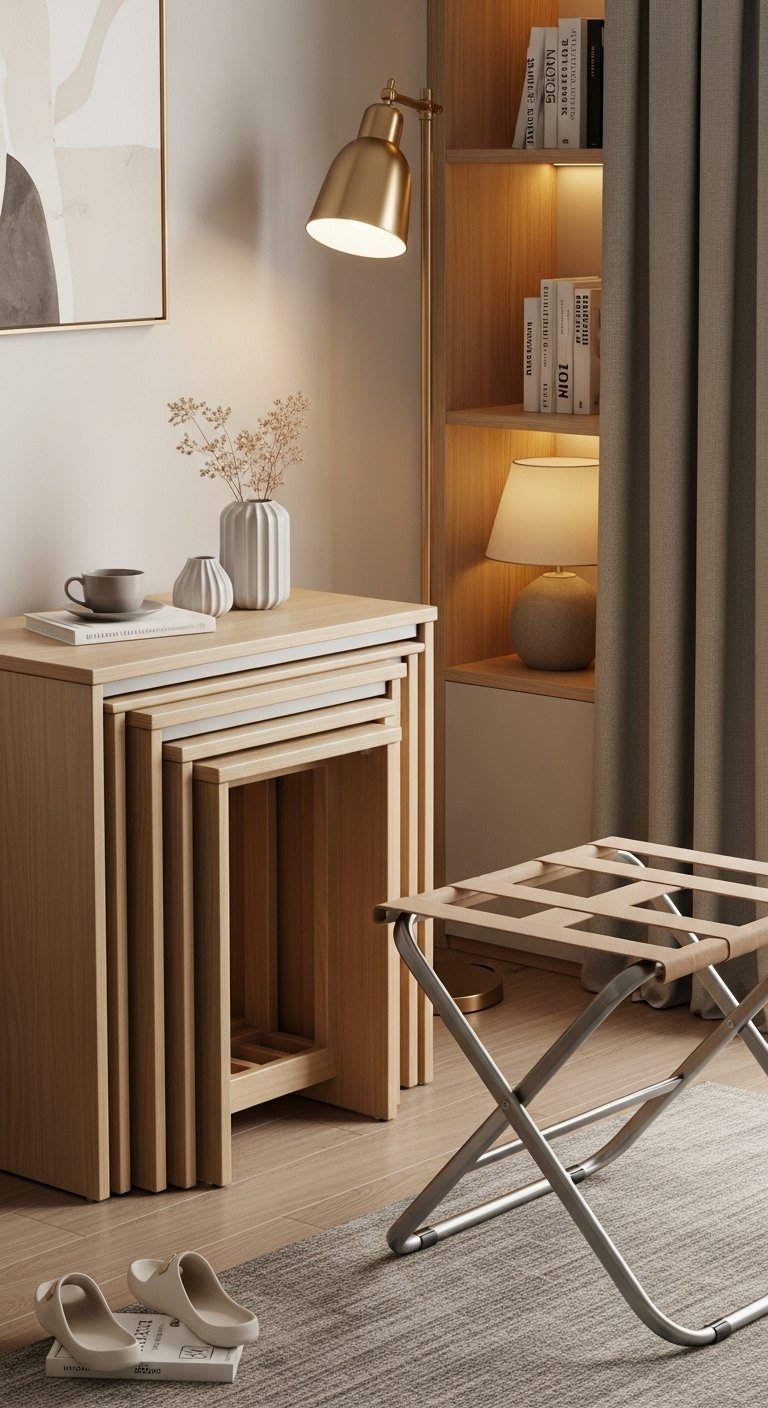
Foldable or stackable furniture gives you flexibility in a small living room. Use folding chairs or nesting tables that can be stored away when not needed. This helps you create more space whenever you want. Choose designs that match your main furniture so everything feels cohesive. Light materials like wood or metal work best because they look less bulky. You can bring out extra seating when guests arrive and store it later to keep the room open. This approach keeps your space functional without making it feel crowded. It is a smart solution for small homes where every piece needs to adapt to different needs.
19. Keep the Floor as Visible as Possible
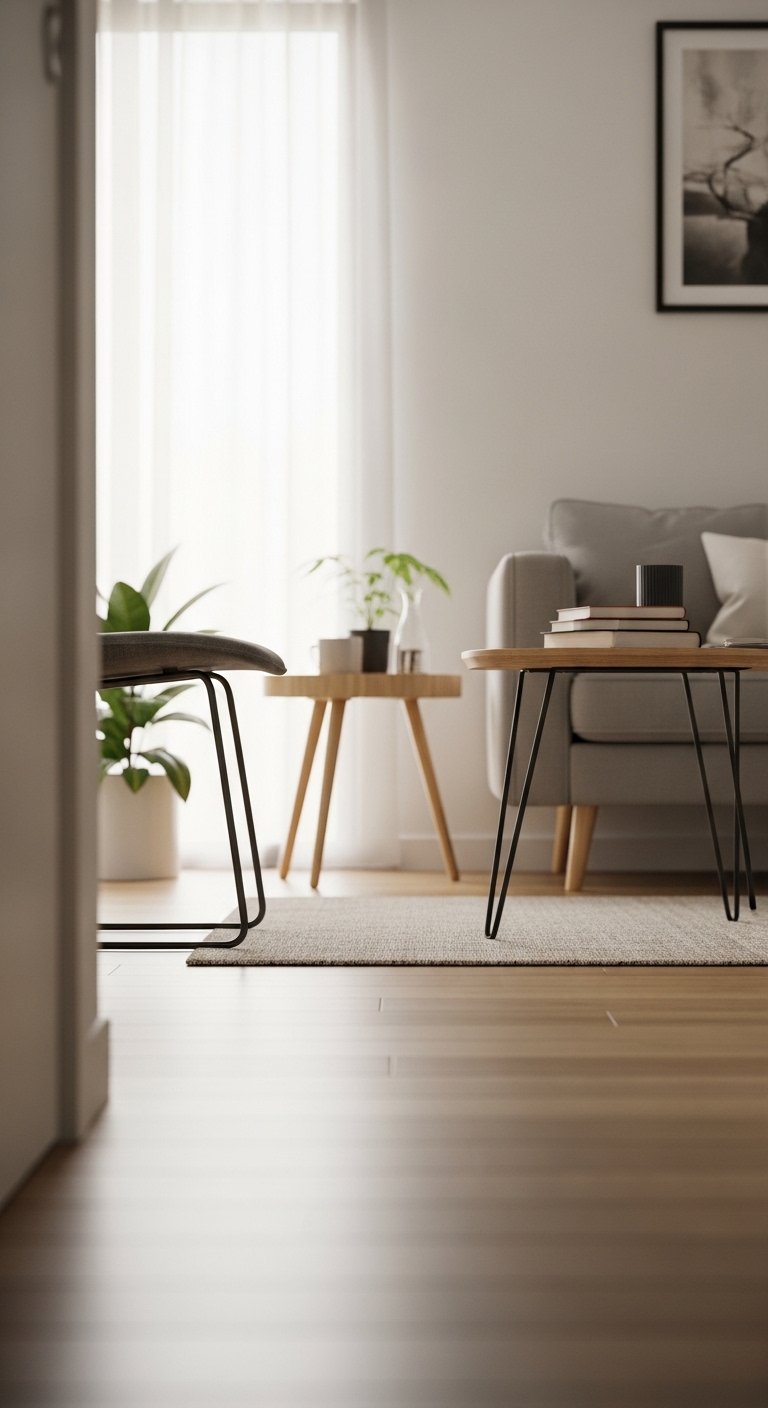
The more floor you can see, the bigger your room will feel. Avoid covering the entire floor with large furniture or heavy rugs. Leave small gaps between furniture pieces to show more surface area. Choose slim furniture designs that do not block too much of the floor. Light-colored flooring also helps reflect light and create an open feel. Keep cables and clutter off the floor to maintain a clean look. This simple idea makes a big visual impact without any cost. When your floor feels open and clear, your entire living room feels more spacious and easy to move around.
20. Add a Touch of Vertical Lines to Lift the Space
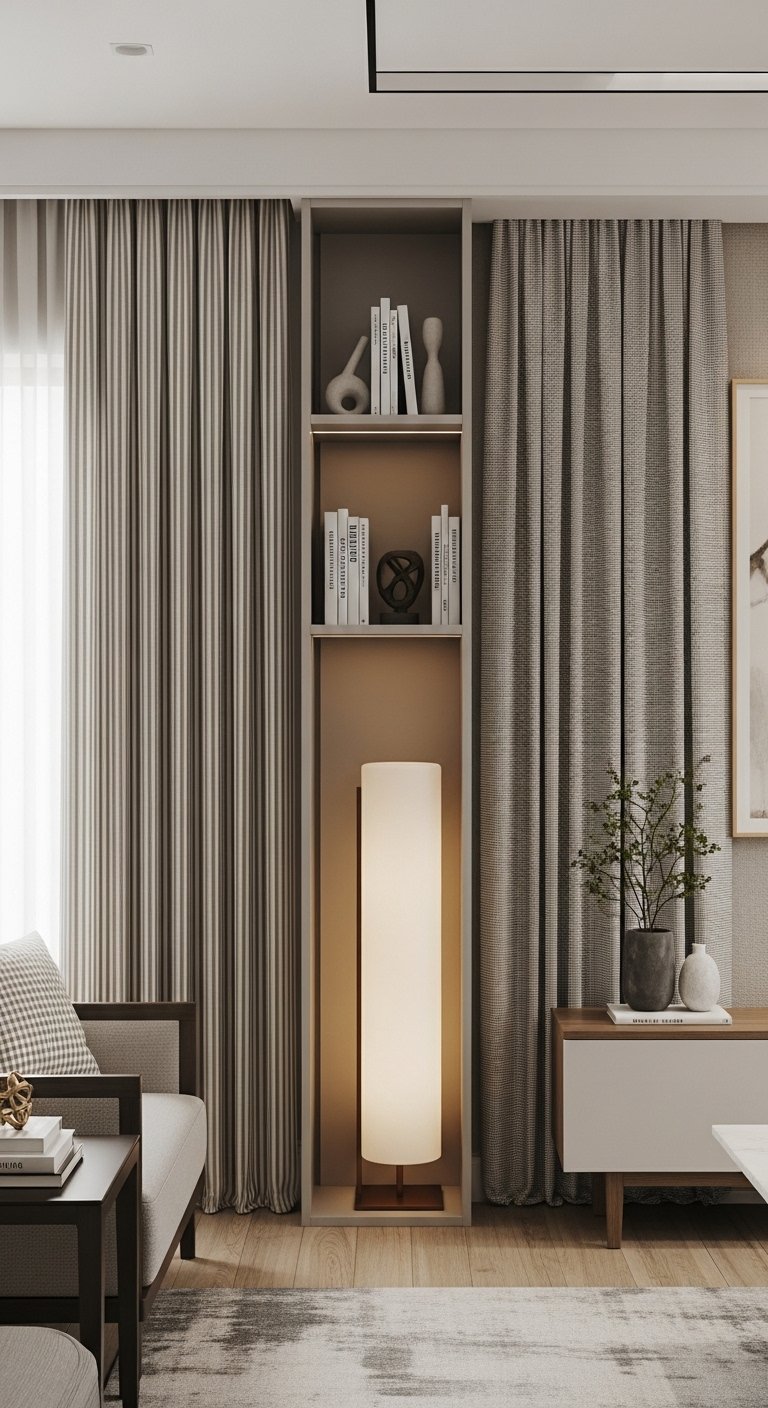
Vertical lines can make your room look taller. You can use striped curtains, vertical wall panels, or tall shelving units to create this effect. Even a simple tall plant or a narrow floor lamp can guide the eye upward. Choose soft, subtle patterns so the look stays calm and not too busy. Light colors with gentle contrast work best for this idea. Avoid bold or thick stripes that can feel overwhelming in a small space. This trick adds height and elegance without changing your layout. It helps your tiny living room feel more open and visually extended.
21. Use a Slim TV Unit to Reduce Bulk
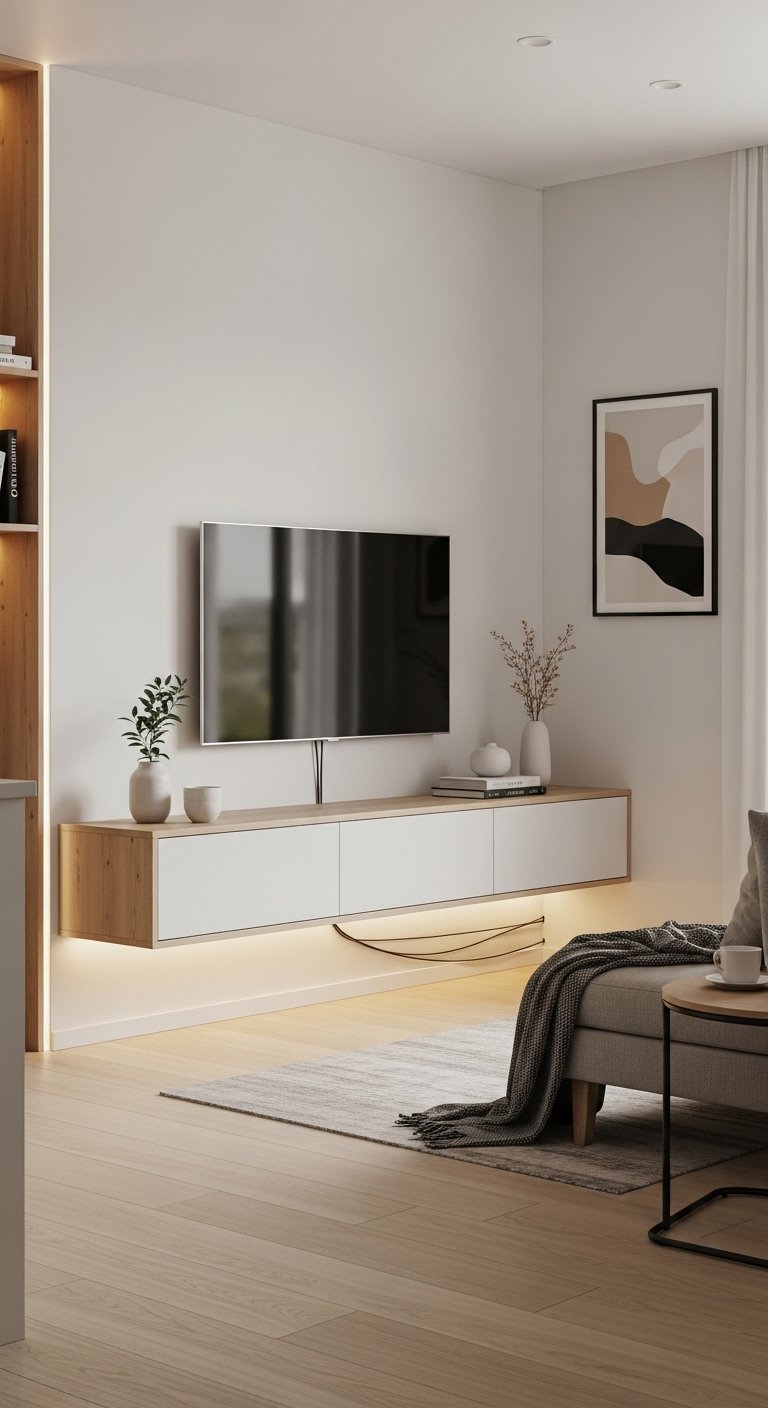
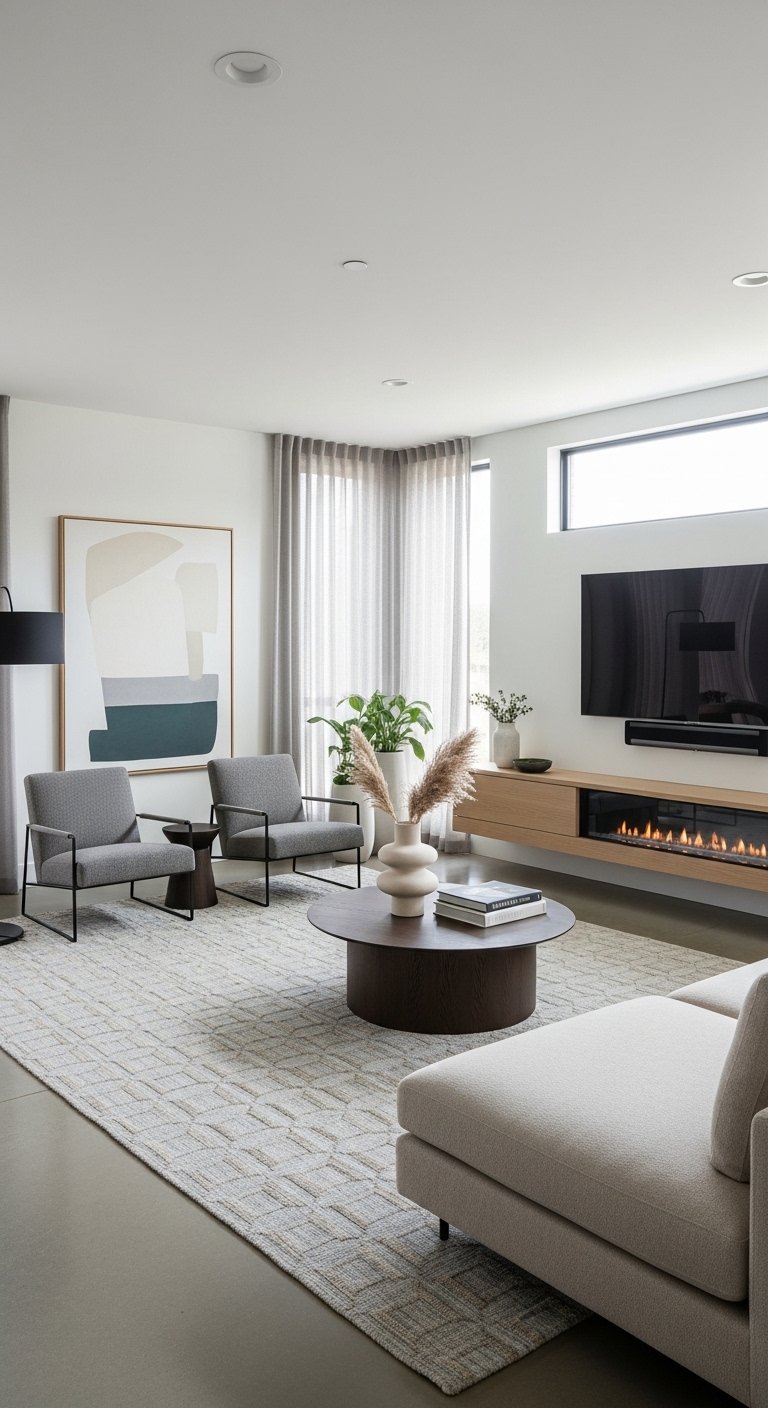
A slim TV unit keeps your living room functional without taking up too much space. Choose a design with a narrow depth and clean lines so it does not feel heavy. Wall-mounted units work even better because they free up floor space and create a floating effect. This makes the room feel lighter and more open. Stick to neutral colors like white, soft gray, or light wood to blend with the wall. Keep styling simple with just a few decor pieces like a small plant or a candle. Hide cables neatly to avoid visual clutter. This small upgrade makes your entertainment area look organized while helping your tiny living room feel more spacious and modern.
22. Add a Corner Seating Setup for Better Use of Space
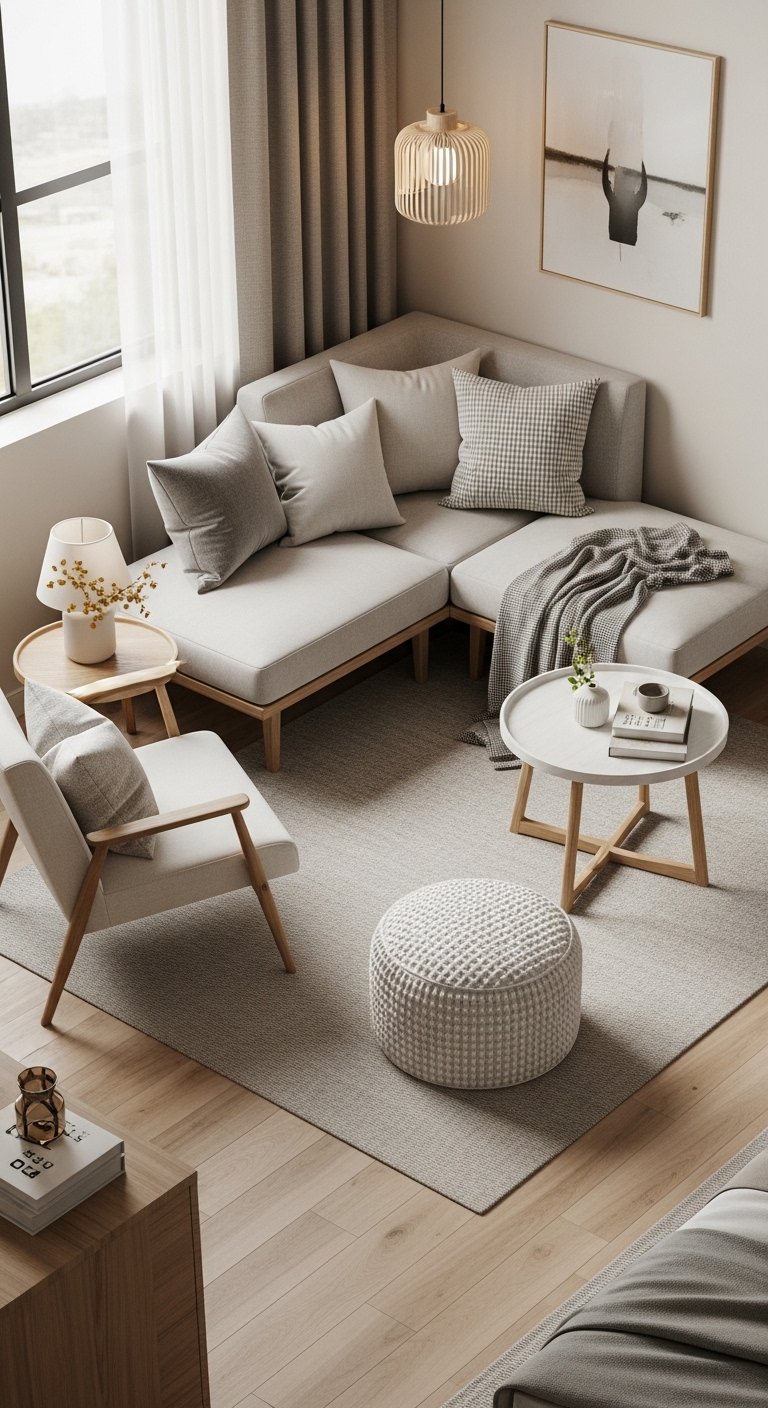
Corners are often wasted in small living rooms, but they can become the most useful area. Use a compact corner sofa or arrange two small chairs to create a cozy seating zone. This setup opens up the center of the room and improves movement. Add a small round table in the corner to keep the layout soft and easy to navigate. Use light upholstery and soft textures like linen or cotton to maintain an airy feel. A corner floor lamp or a small wall light can add warmth without taking up space. This idea helps you use every inch wisely while keeping the room open and comfortable.
23. Keep Decor Low and Balanced to Avoid Visual Clutter
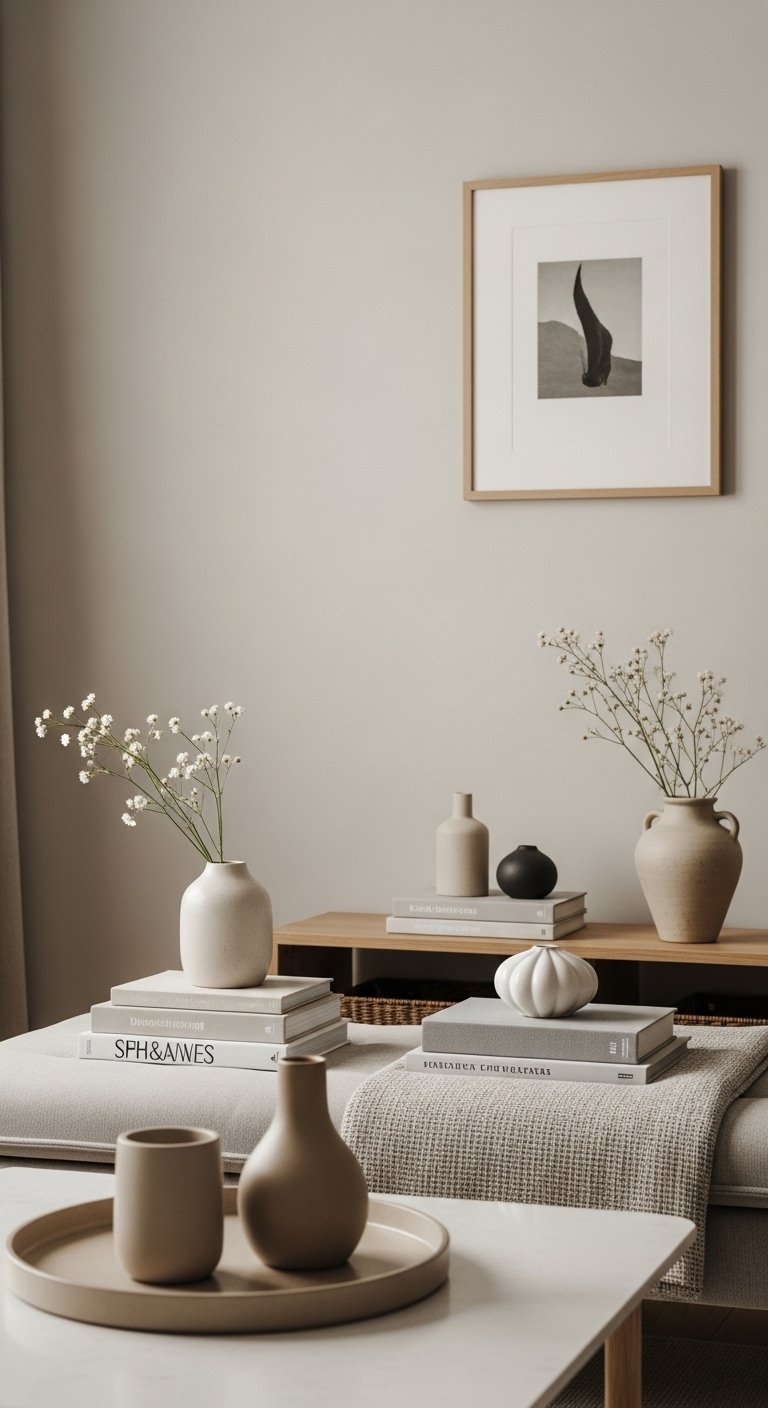
Keeping decor low helps maintain a clean and open look. Avoid placing too many tall or bulky items around the room. Instead, use low-height decor like small vases, trays, or stacked books on tables. This keeps the upper space clear, which makes the room feel taller. Balance is important, so spread decor evenly instead of grouping everything in one spot. Choose a few meaningful pieces and let them stand out. Stick to a soft color palette to keep the look calm. This approach prevents the room from feeling crowded and helps maintain a smooth visual flow that makes your space feel bigger.
24. Create a Soft Focal Point with Texture Instead of Size
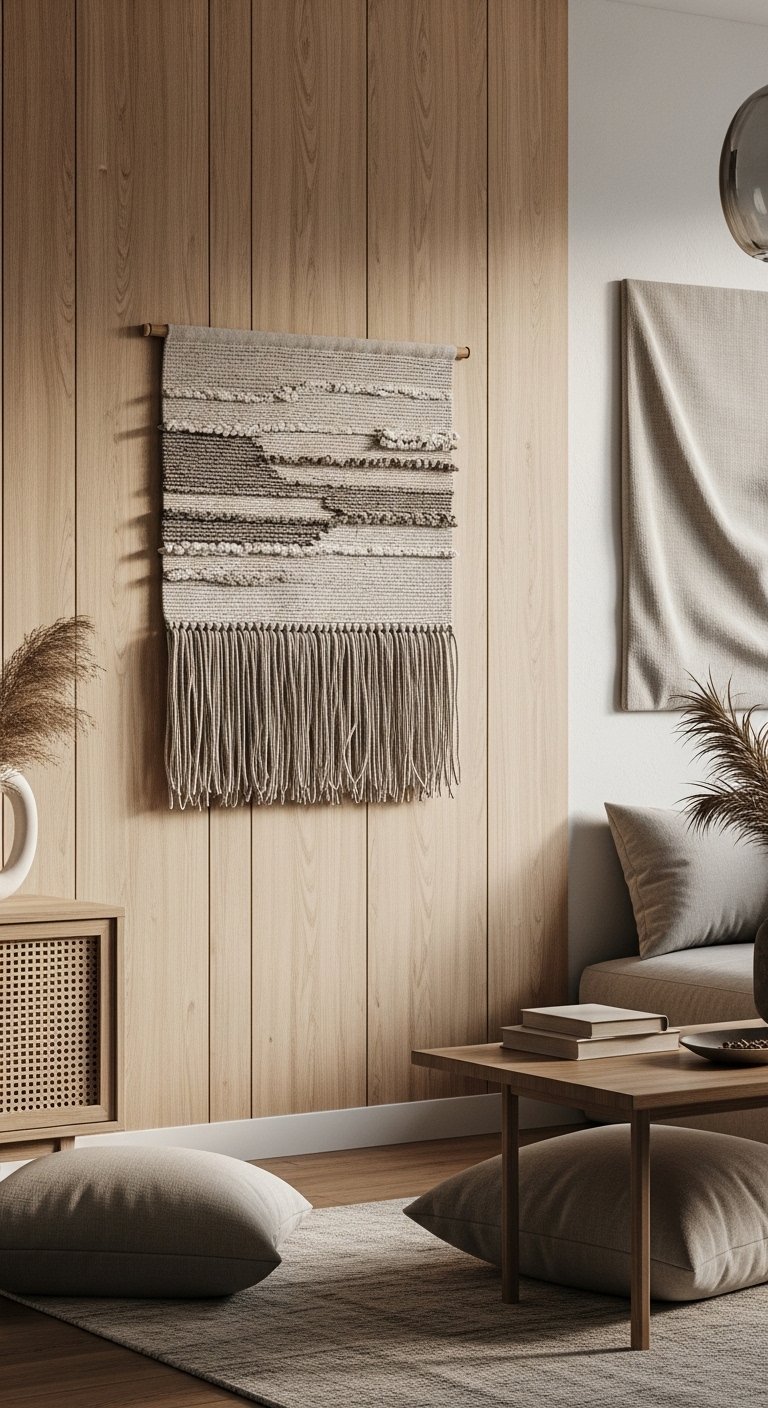
A focal point does not need to be large to stand out. You can create a beautiful focus using texture instead of size. Try a soft textured wall with light wood panels, a woven wall hanging, or a fabric art piece. These add depth without taking up physical space. Keep the colors neutral so the texture becomes the highlight. Pair this with simple furniture and soft lighting to enhance the effect. You can also use a textured rug or layered cushions to repeat the theme. This idea adds personality while keeping the room light and uncluttered. It draws attention in a gentle way and makes your tiny living room feel thoughtfully designed.
Conclusion
A small living room can feel just as open and stylish as a large one when you use the right ideas. Simple choices like light colors, smart furniture, and clean layouts can completely change how your space feels. The key is to keep things balanced, functional, and visually light. Focus on creating flow, using vertical space, and reducing clutter wherever possible. Each idea in this guide is easy to apply and designed to help you make the most of your space without stress. Start with one or two changes and build from there. Save your favorite ideas, try them in your own home, and create a living room that feels bigger, brighter, and more comfortable every day.