17 Basement Stair Ideas to Make Your Home More Stylish
The basement stairs are usually the most forgotten stretch of a home. They get used every day, yet they rarely get the same attention as the entryway or the living room. Most are bare wood, plain drywall, and a single dusty bulb at the top, which is a shame because they connect your main floor to an entire second zone of your home.
A stairway doesn’t need a renovation to feel intentional. Small upgrades like a painted riser, a runner, or warm lighting can turn a plain, gloomy climb into something that feels like part of the house instead of an afterthought. And because it’s a narrow, contained space, you can make a big visual change for very little effort or cost.
Below are 17 basement stair ideas that actually work in real homes. Each one is practical, budget-friendly, and designed to make your staircase safer, brighter, and more stylish without a major remodel.
1. Paint the Risers in a Bold Color
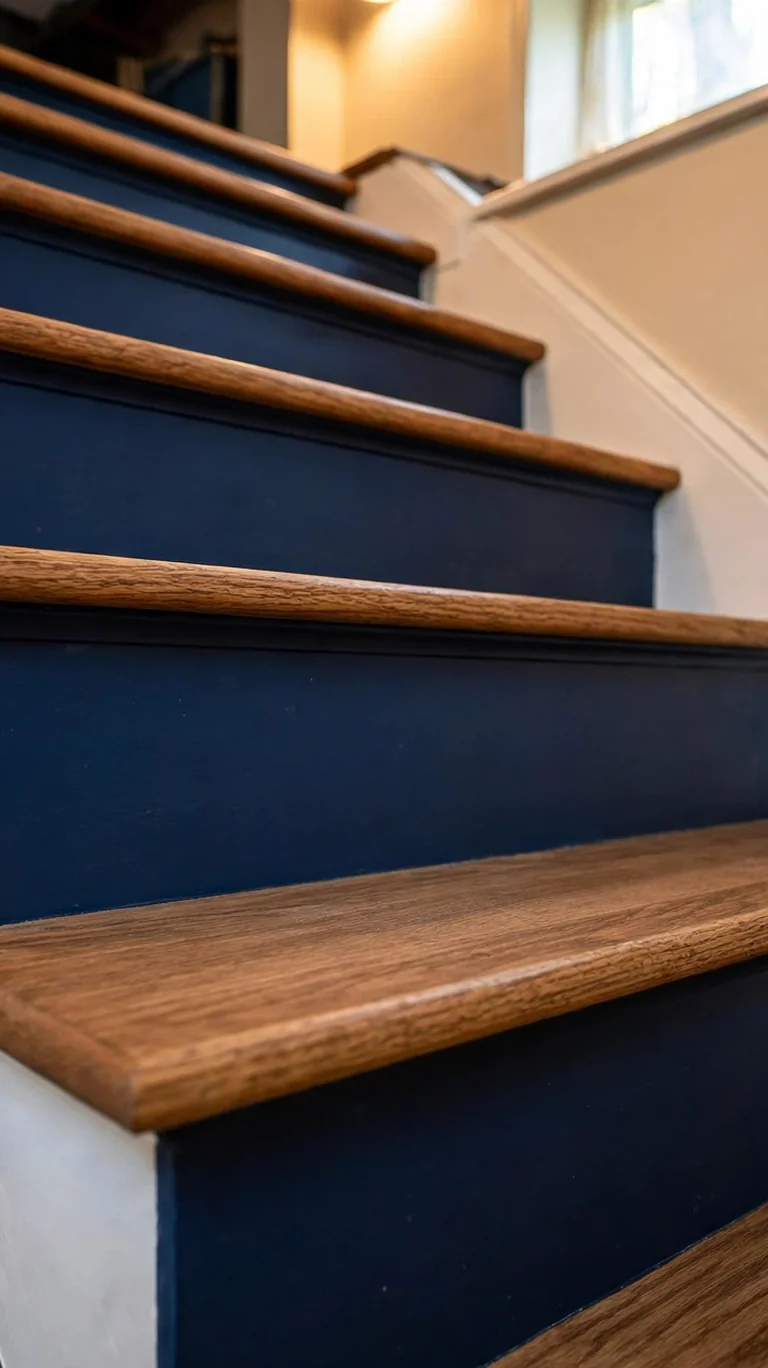
The risers are the vertical faces of each step, and painting them is the fastest way to give a stairway personality. Choose a deep navy, forest green, or charcoal, and leave the treads in their natural wood tone for a sharp, modern contrast. It takes an afternoon, one can of paint, and nothing more than a steady hand.
If bold feels risky, try a classic black-and-white combination. White risers with dark treads look crisp and timeless, and they brighten a stairwell that gets little natural light. Use a durable satin or semi-gloss finish so scuffs from shoes wipe off easily.
2. Add a Stair Runner for Warmth and Grip
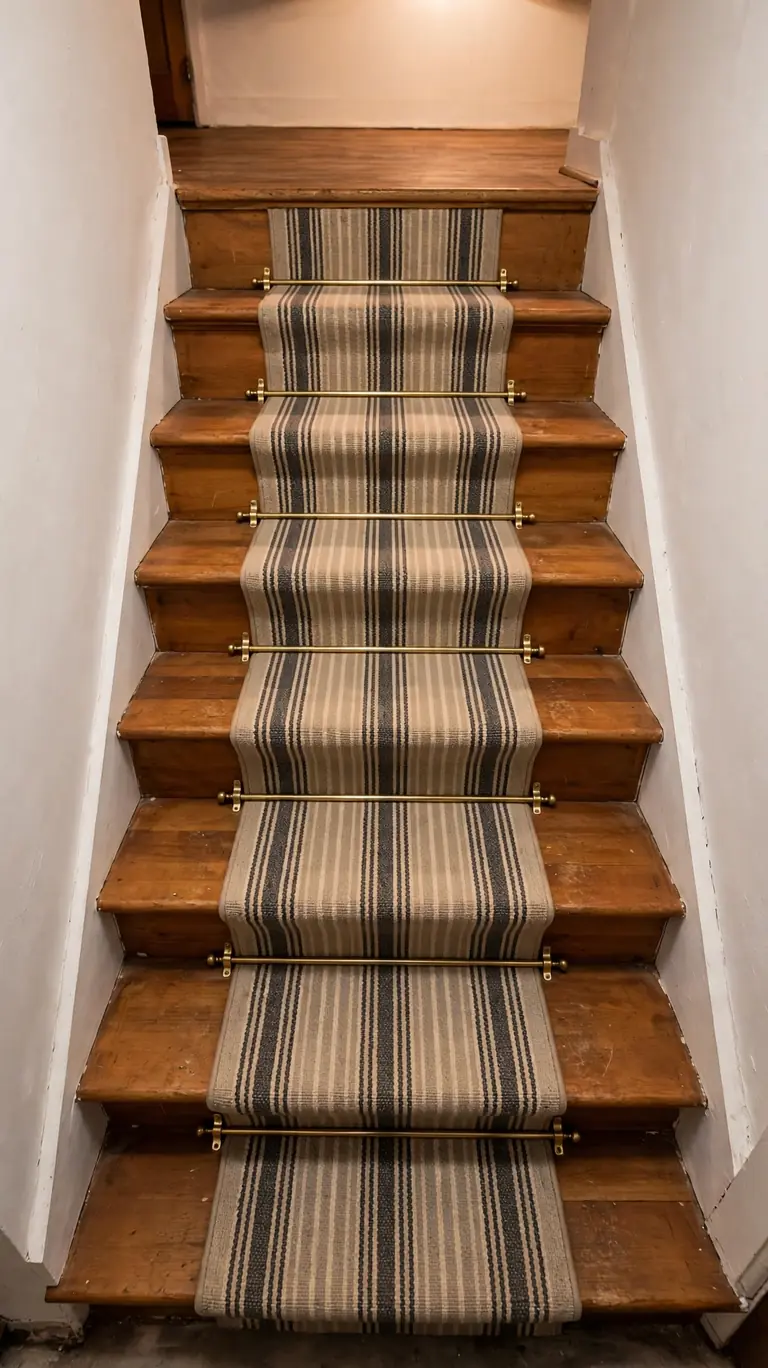
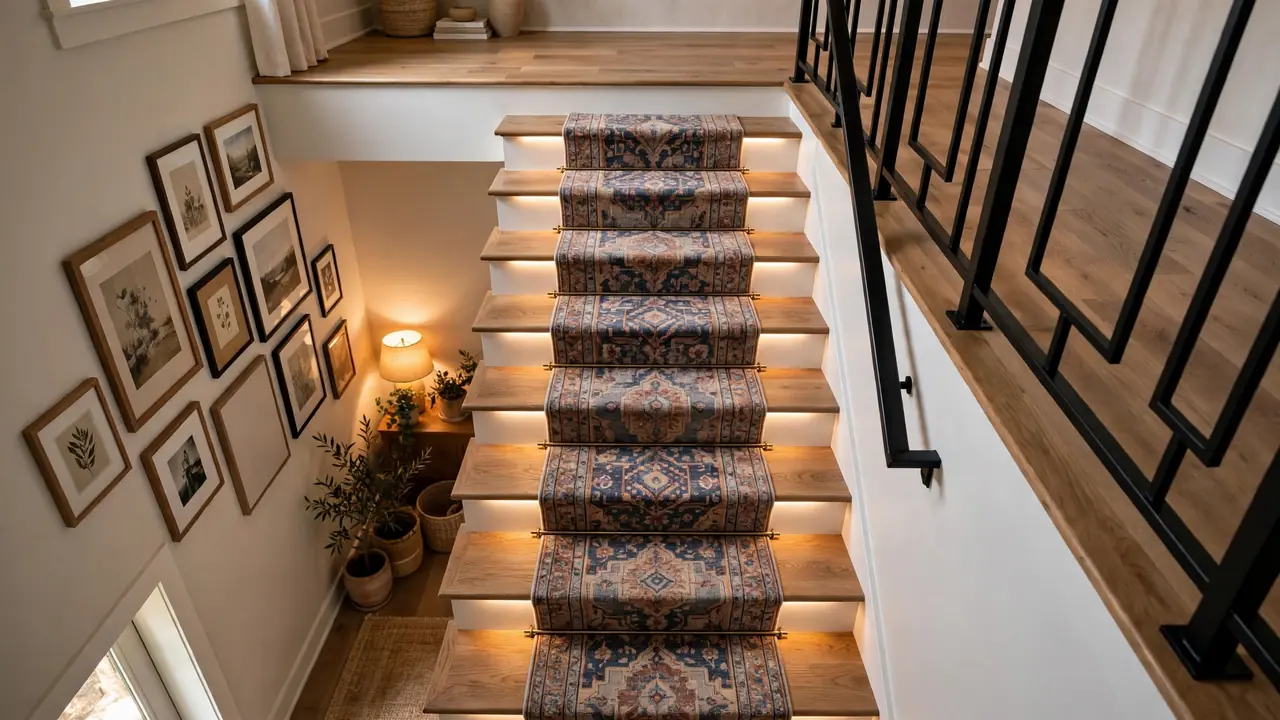
A stair runner is a long strip of carpet that runs down the center of the stairs, and it’s one of the smartest upgrades you can make. It softens the sound of footsteps, adds traction on slippery wood, and instantly makes the space feel finished. Pre-made stair runners come in standard widths and attach with staples or carpet rods.
Pick a pattern that suits your home, like a subtle stripe or a vintage-style print. Darker patterns hide wear better on a high-traffic route like basement stairs. Measure carefully before you buy so the runner fits the tread depth and leaves a few inches of wood showing on each side.
3. Install LED Strip Lighting Under the Treads
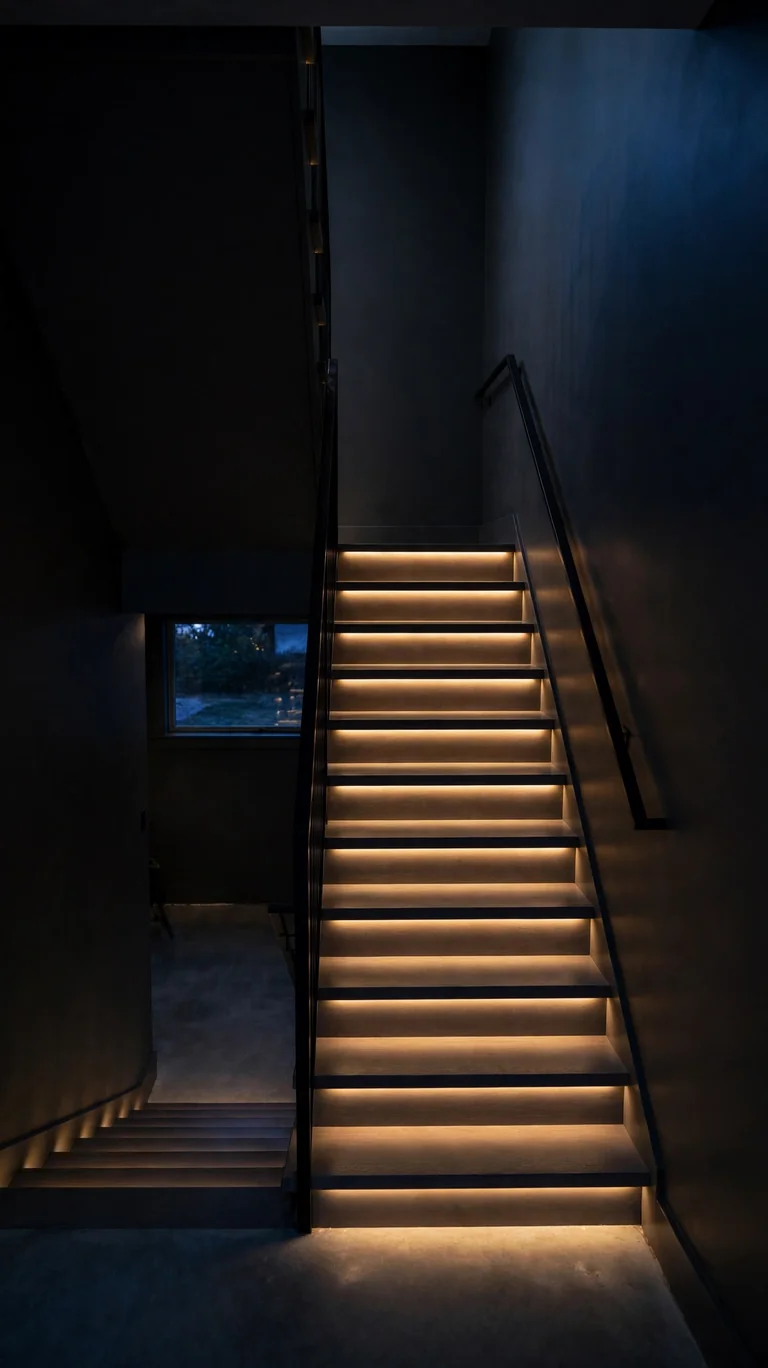
Basements are dark, and staircases feel dangerous when you can’t see the edges of each step. LED strip lighting mounted under each tread nosing casts a soft glow on the step below, which looks beautiful and helps everyone see where they’re going. Battery or plug-in kits make this a weekend project with no electrician required.
Warm white light (around 2700K to 3000K) feels cozy and inviting rather than clinical. Motion-sensor kits are ideal here because they switch on automatically when someone starts down the stairs and turn off after a set time. Hide the strips so you see the glow, not the hardware.
4. Upgrade the Handrail to a Modern Material
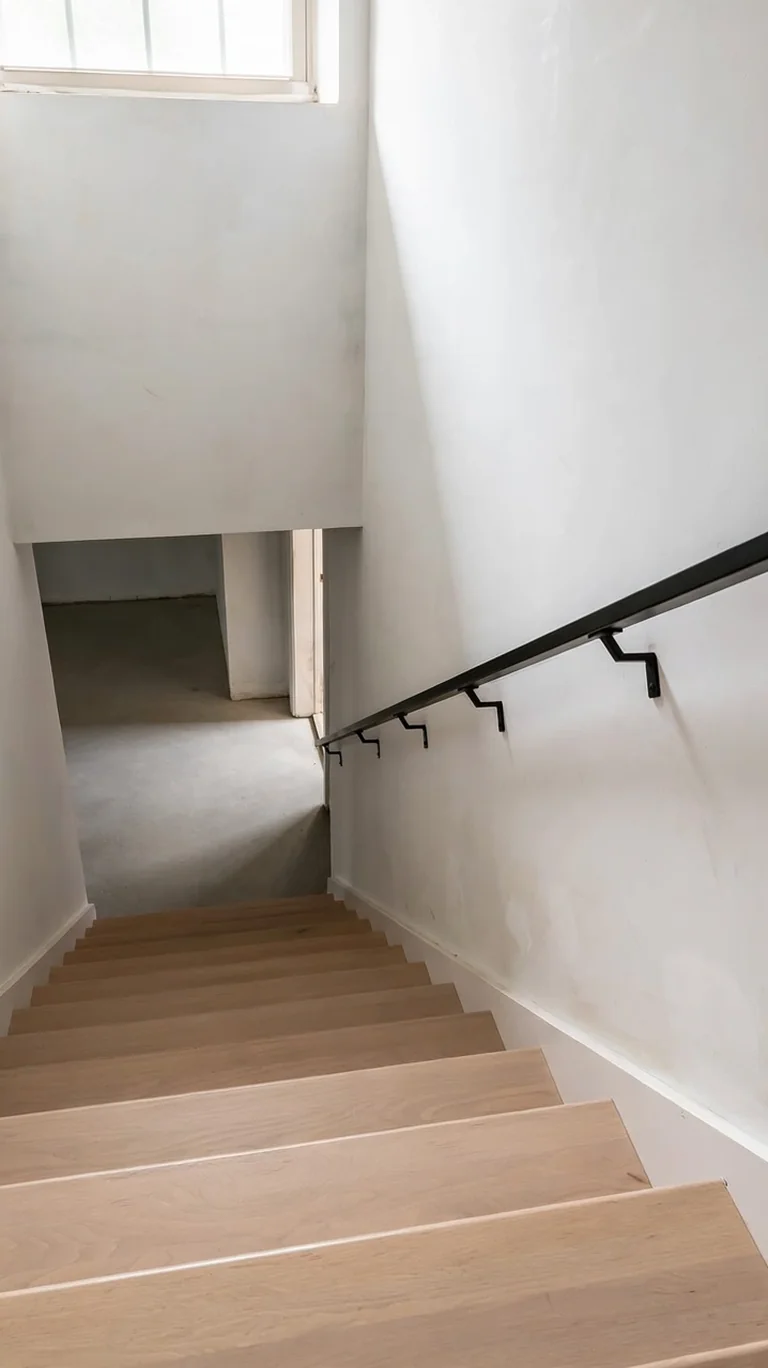
The handrail is the first thing your hand touches and one of the most visible parts of the stairs. If yours is an old varnished wood rail, consider sanding and restaining it, or replacing it with black metal, matte bronze, or a natural oak for a fresh look. A wall-mounted handrail kit keeps the project simple.
Make sure the rail is firmly anchored and at a comfortable height for everyone in the household. Style matters, but a handrail’s real job is safety, so tighten every bracket and check that it can support weight before you call the project done.
5. Wallpaper One Accent Wall
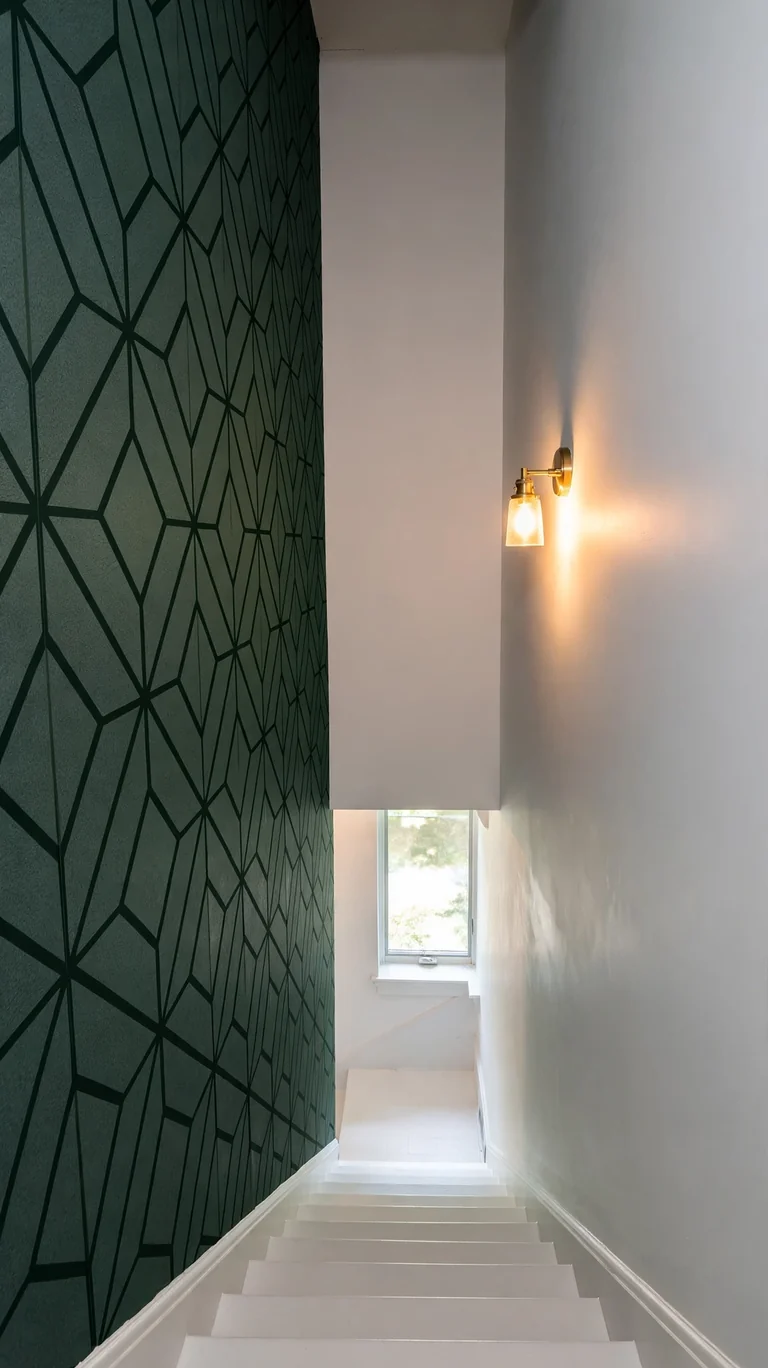
A narrow stairwell wall is the perfect low-risk place for bold wallpaper. Since the area is small, you only need a few panels, which keeps the cost down and makes the project manageable for a beginner. Choose a pattern with movement, like a geometric print or a subtle botanical, to draw the eye downward.
Peel-and-stick wallpaper is a great option for this because it’s forgiving and removable. Keep the opposite wall plain so the pattern doesn’t overwhelm the tight space. A single accent wall in the stairwell can make the whole route feel like a designed moment.
6. Create a Gallery Wall Along the Stairs
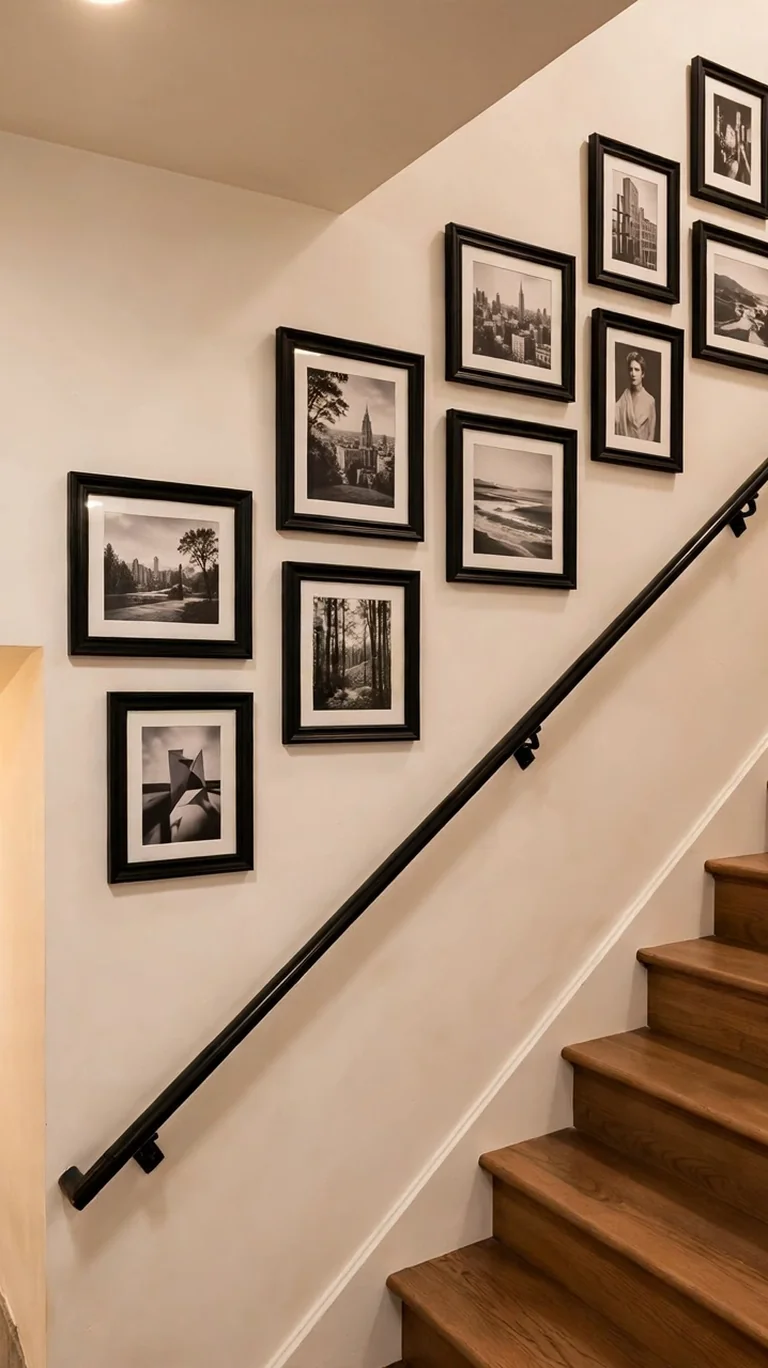
Stairway walls are naturally suited to gallery walls because the ascending line of the stairs gives you a built-in layout guide. Hang frames so their centers follow the slope of the stairs, keeping a consistent distance from the steps. Family photos, travel prints, or art you love all work here.
Use a mix of frame sizes and stick to one or two frame colors for a pulled-together look. Measure the wall and lay the arrangement out on the floor first so you only drill once. Good picture lighting, even a simple plug-in picture light, makes the collection glow in a dim stairwell.
7. Paint the Stairwell Walls a Warm White
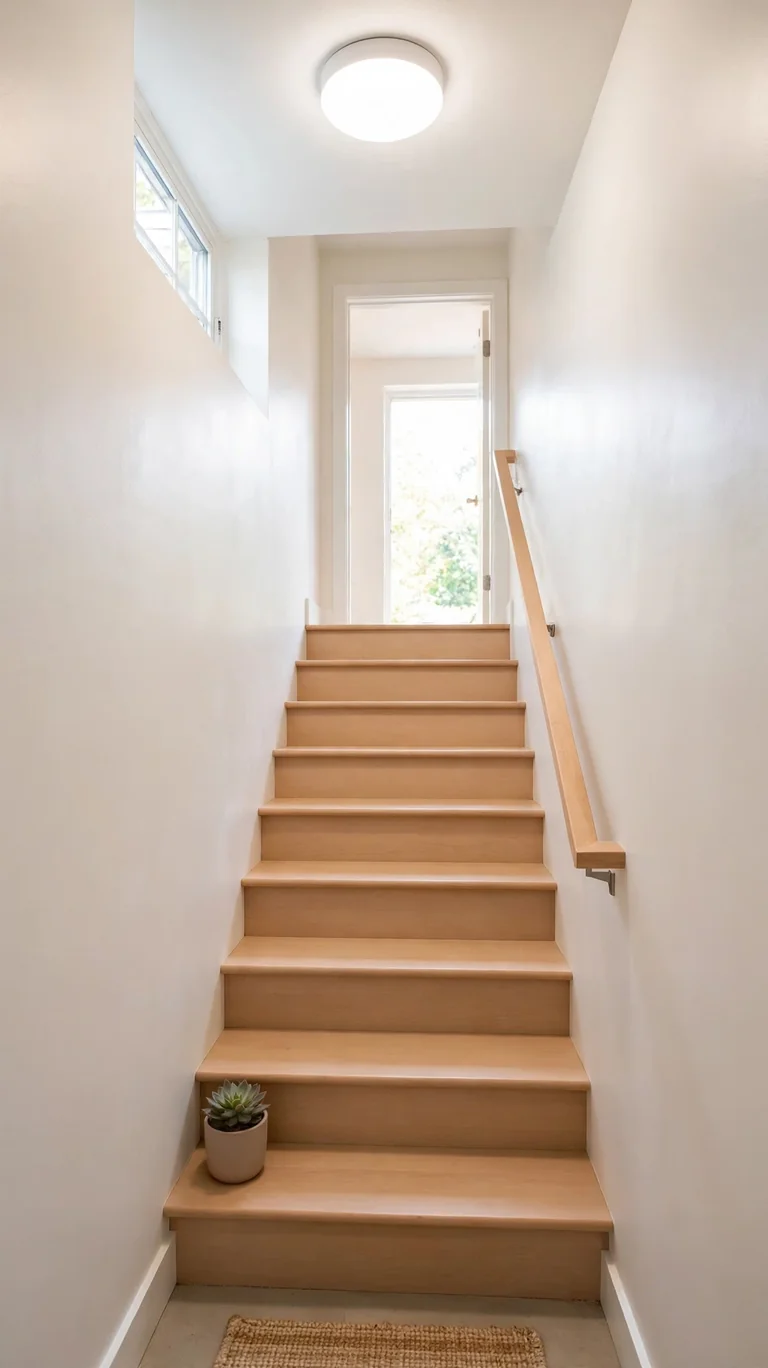
Many basement stairwells feel like caves because the walls are a dull builder beige or flat white that has gone dingy. A fresh coat of warm white paint with a slight satin sheen bounces light around and makes the whole space feel cleaner and brighter. It’s the cheapest transformation on this list.
Prep matters: patch nail holes, caulk the seams, and cut in carefully along the stairs and trim. If the stairwell connects to a painted basement wall, carry the same color down for a continuous, intentional look. Two coats over primer will cover most stains and discoloration.
8. Add Board and Batten to the Walls
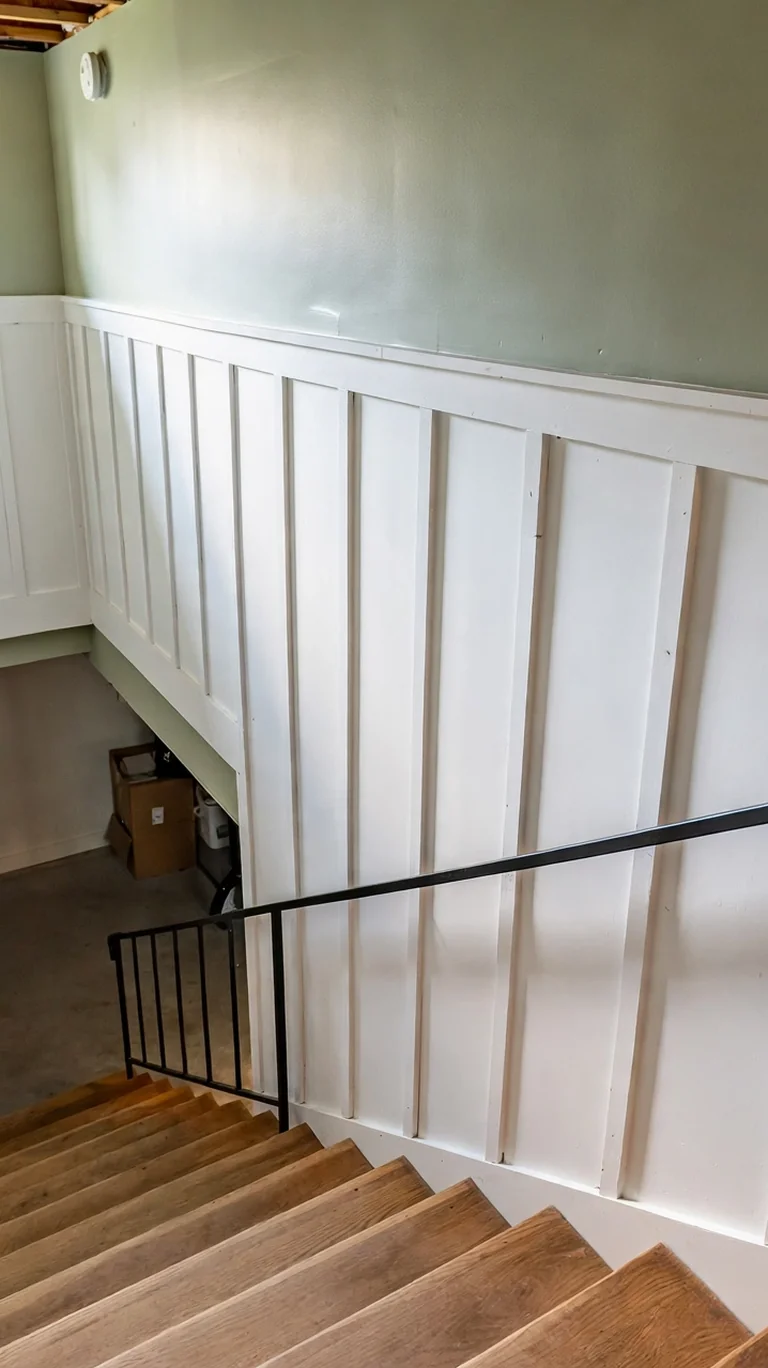
Board and batten is a classic wall treatment that adds structure and depth to flat stairwell walls. Thin vertical battens over painted panels create shadow lines that make a narrow space feel taller and more finished. It’s a weekend project with basic tools and inexpensive lumber.
Paint the whole treatment the same color as the wall for a subtle look, or go two tones with a darker lower section and lighter upper wall. Keep the batten strips narrow so they don’t eat into the walking space. This upgrade pairs beautifully with a runner on the stairs.
9. Use Stair Decals or Riser Stickers
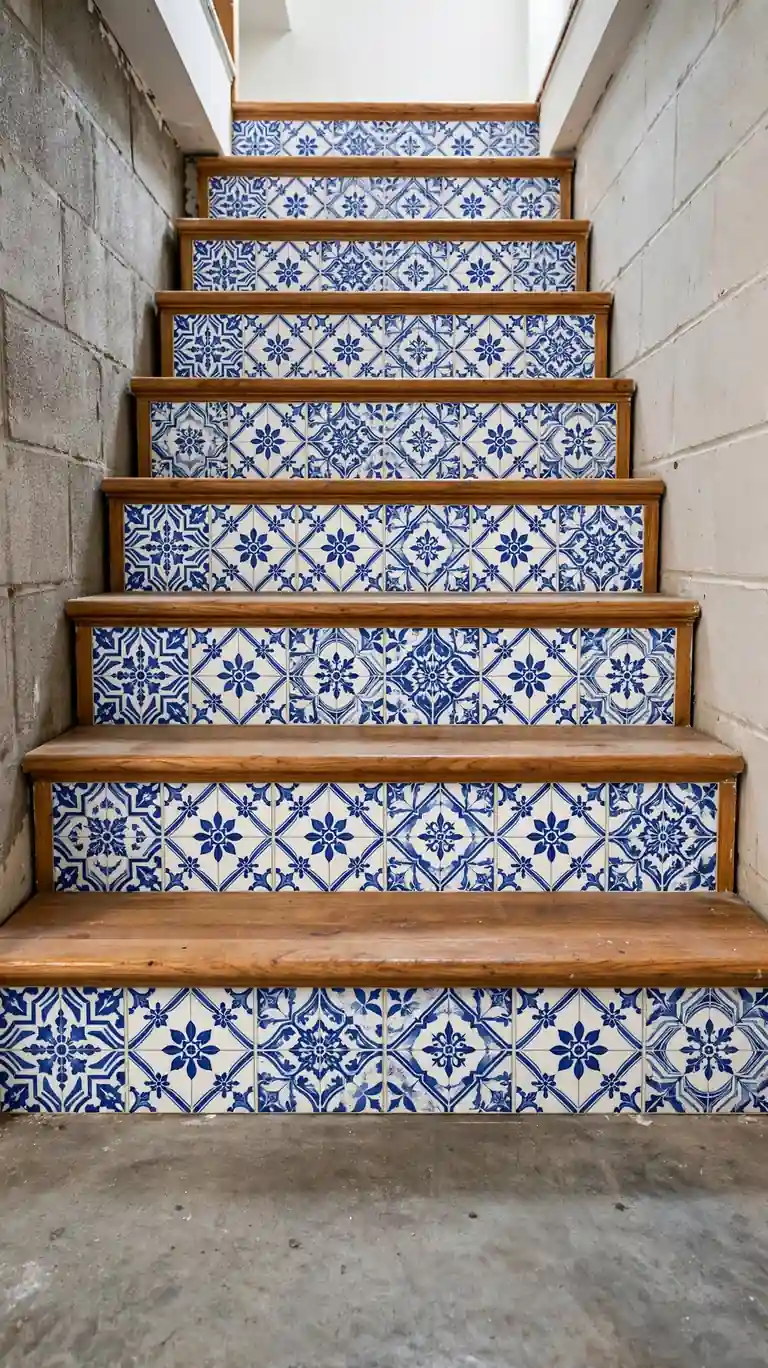
If you want the look of painted risers without the commitment, riser stickers or decals are the answer. They come in patterns like encaustic tile, shiplap, or vintage maps, and they apply directly to the vertical face of each step. Peel them off later and the stairs are back to normal.
Clean and dry each riser before applying so the adhesive bonds well. Align the pattern across steps for the most convincing look. This is a perfect renter-friendly upgrade, and it’s also great if you like to change your decor with the seasons.
10. Install a Small Wall Sconce at the Landing
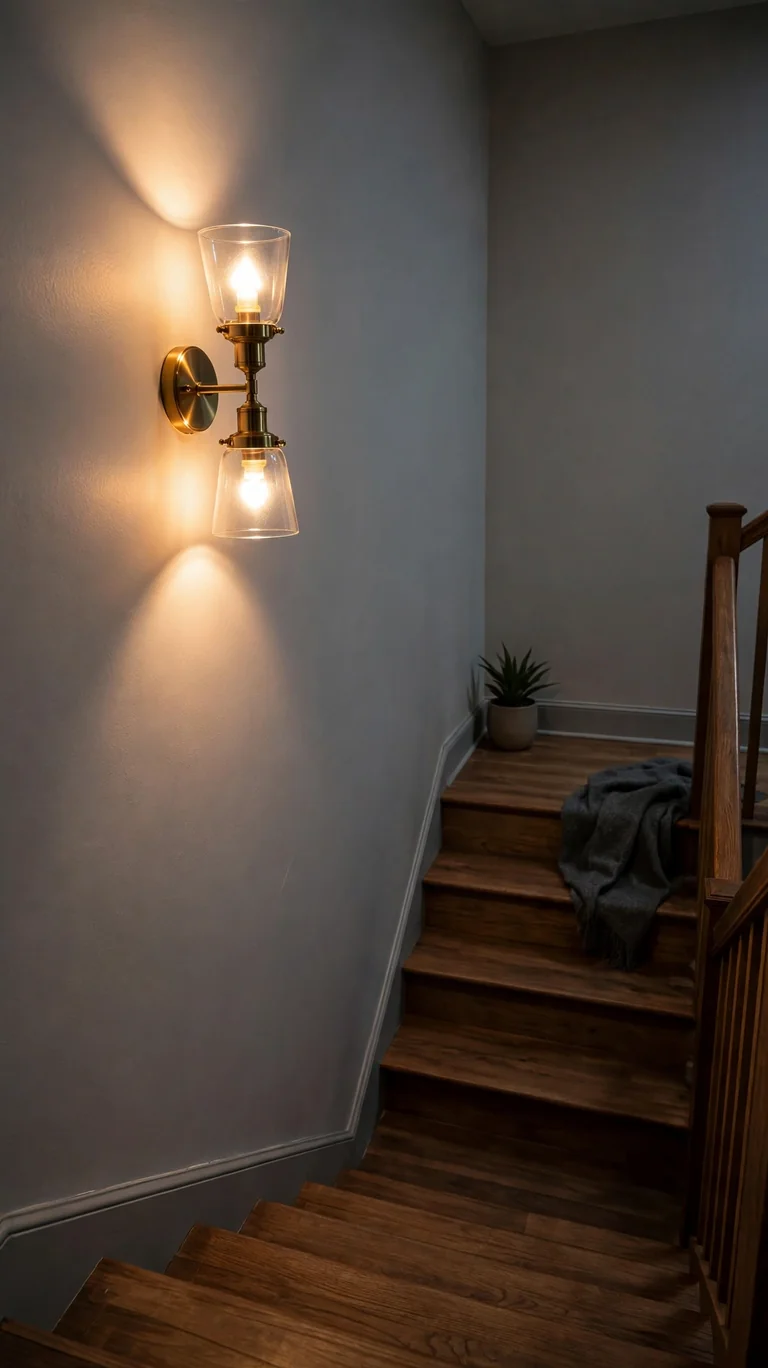
A single warm wall sconce at the top or bottom landing can change the whole mood of the stairs. It adds a layer of light beyond the overhead fixture and creates a welcoming glow that makes the descent feel intentional instead of utilitarian. Plug-in sconces avoid any wiring work.
Choose a fixture with a shade that directs light up and down the wall for maximum effect. If there’s already a hardwired light box, swapping in a stylish new sconce takes minutes. Keep the bulb warm and dimmable so the space never feels harsh at night.
11. Build Storage Into the Space Under the Stairs
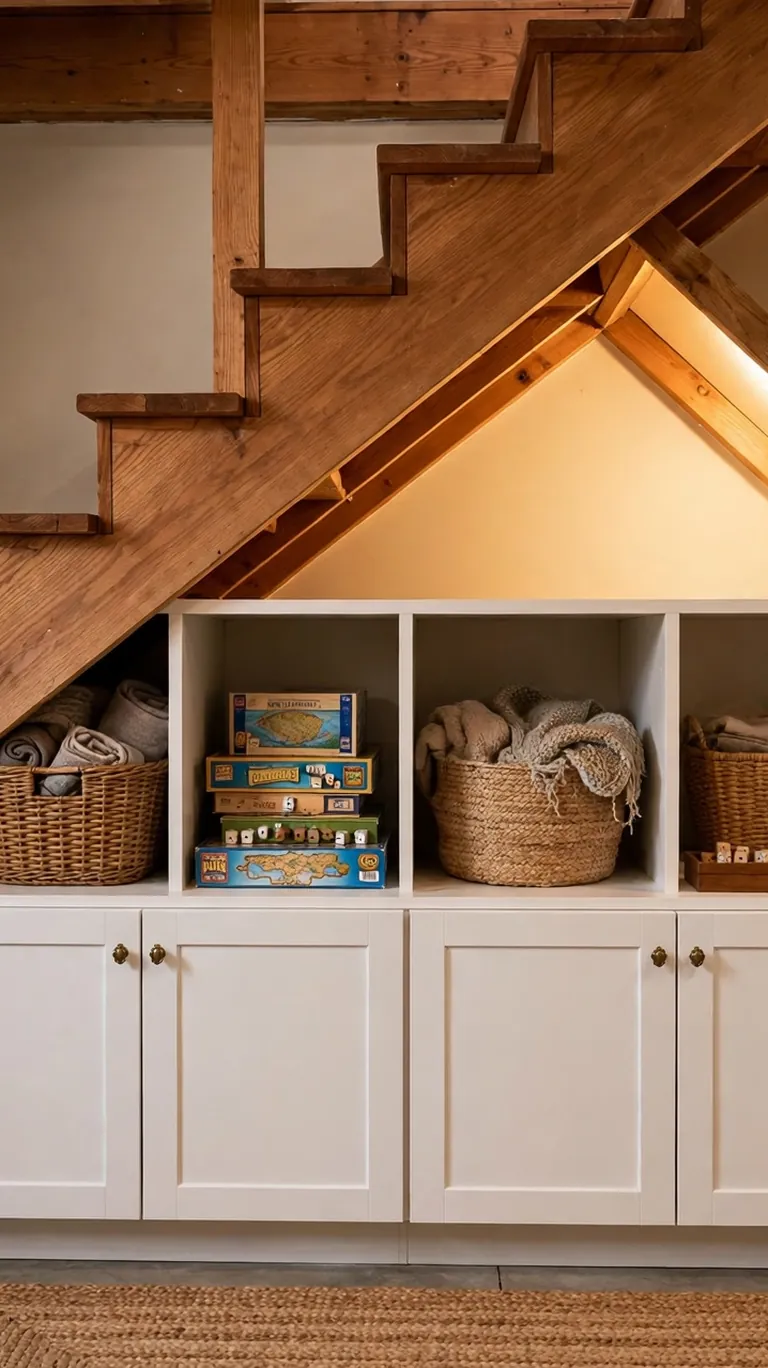
The triangular space under basement stairs is often wasted, but it’s prime storage territory. Simple under-stair cabinets with doors, open cubbies, or pull-out drawers can hold seasonal decor, cleaning supplies, or board games. Custom-fit pieces make the most of the awkward angles.
For a budget version, use a freestanding bookcase pushed into the space and fill the gaps with baskets. Add a coat of paint so the storage matches the stairwell. Whatever you build, keep the design shallow enough that it doesn’t intrude on the walking path or the headroom above.
12. Paint the Treads and Risers in Two Tones
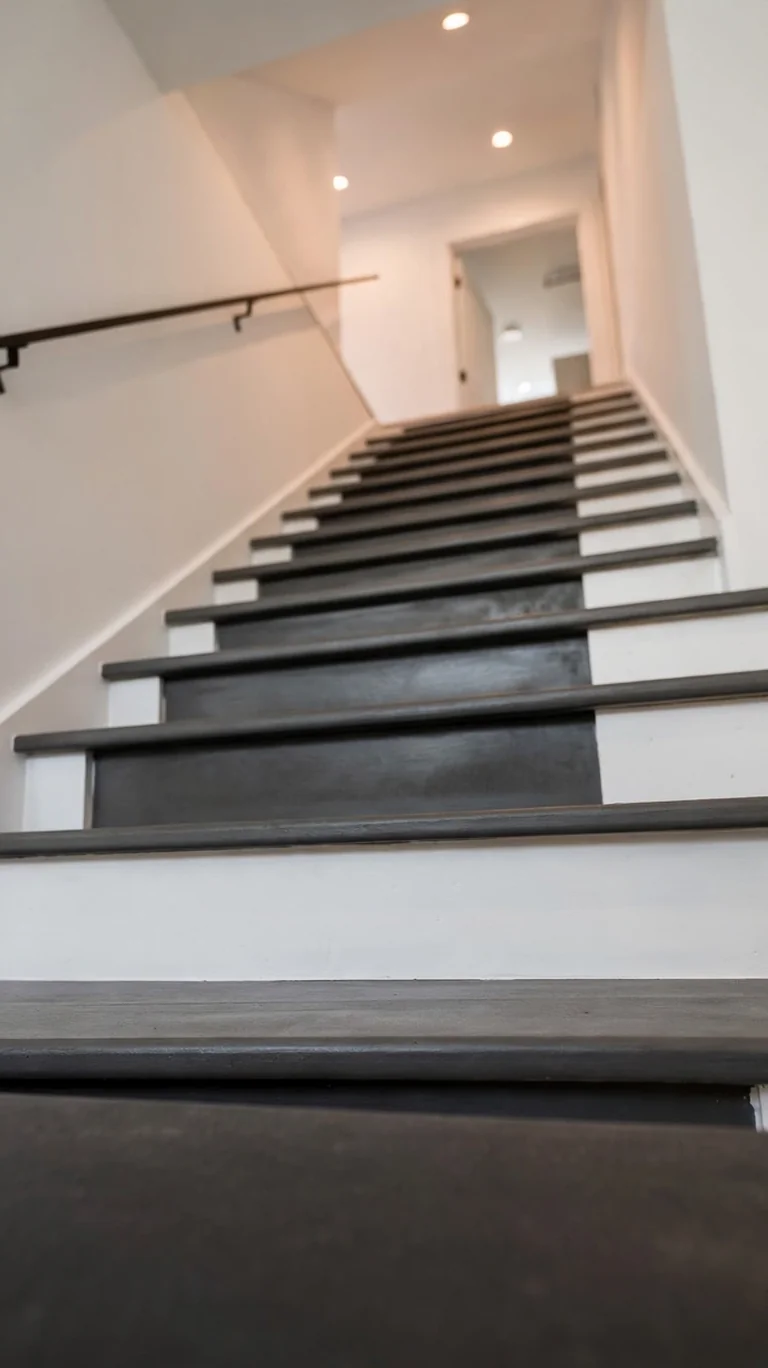
Instead of painting just the risers, take it a step further with a two-tone scheme: dark charcoal or navy treads with crisp white risers, or a soft greige combination that reads calm and modern. The contrast makes each step easier to see, which is a genuine safety bonus on basement stairs.
Sand the treads lightly and use a floor-grade paint or a porch and floor enamel that stands up to foot traffic. Apply a clear polyurethane topcoat for extra durability. Let each coat cure fully before walking on the stairs, even if that means using an alternate route for a day.
13. Hang a Round Mirror to Bounce Light
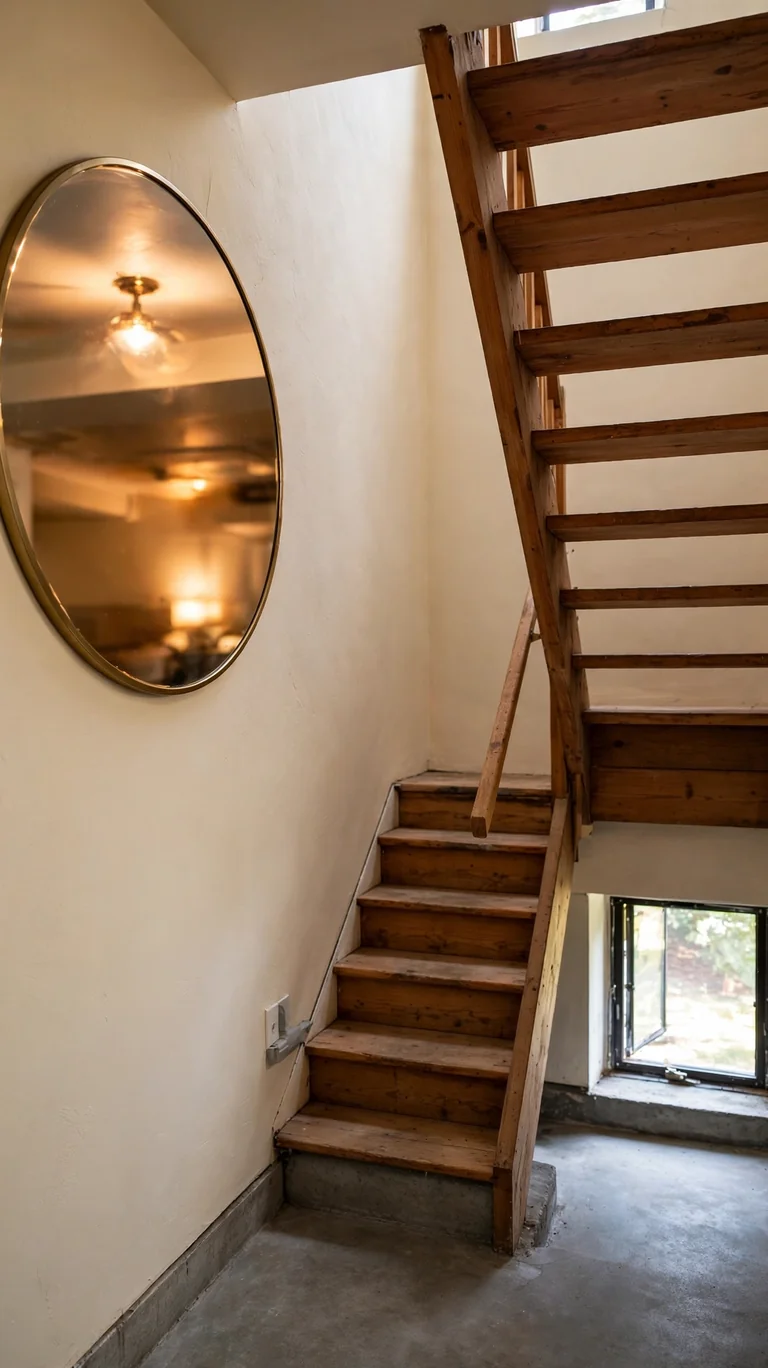
A round mirror hung on the stairwell wall does two jobs at once: it reflects whatever light exists, making the space feel brighter, and it breaks up long stretches of flat wall with a simple, elegant shape. Hang it at the landing or midway down the stairs where it catches the light.
Choose a mirror with a slim frame in black, brass, or wood to match your hardware and handrail. Make sure it’s hung securely with a proper anchor, since stairwell walls take vibration from footsteps. One well-placed mirror beats a cluttered wall of small decor every time.
14. Replace Carpeted Stairs With Painted Wood
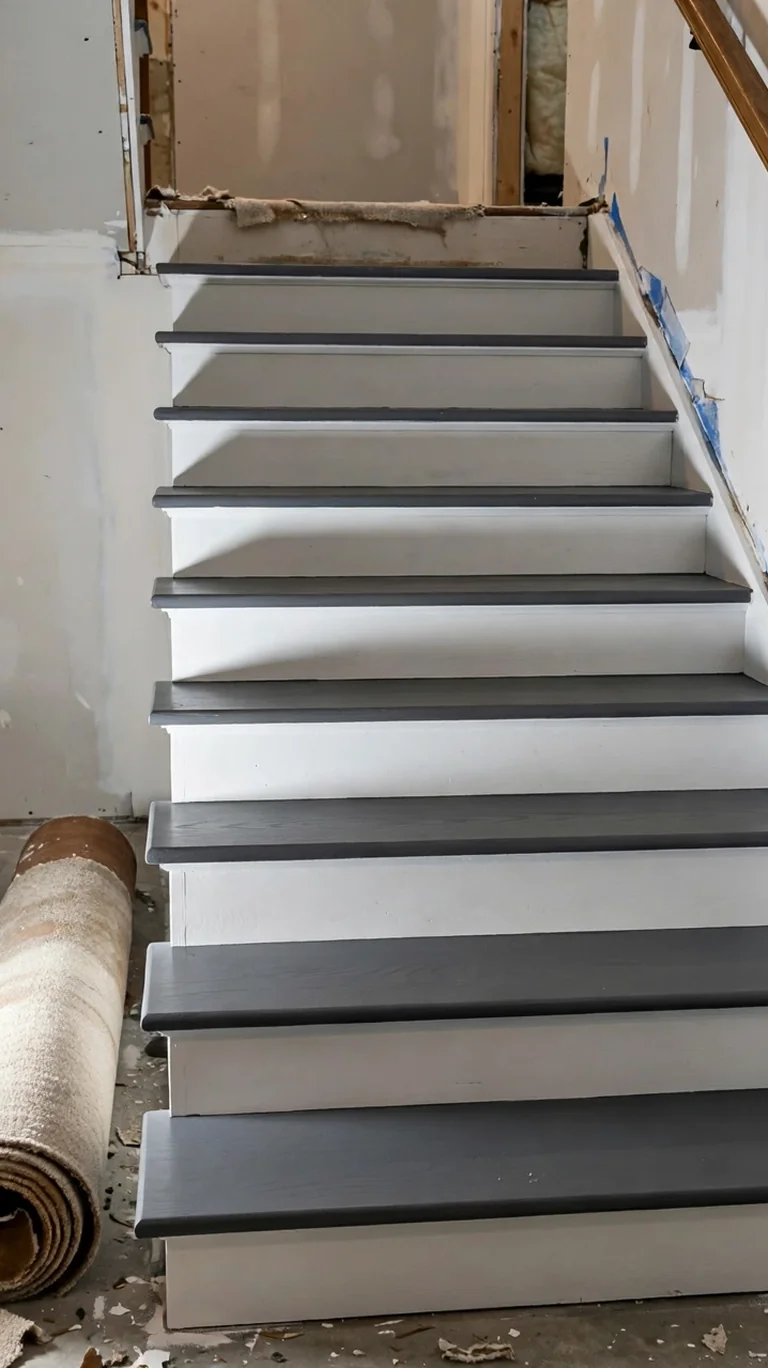
Old, worn basement carpet on the stairs can trap dust and make the whole area feel tired. Pulling it up and painting the wood underneath is a bigger project, but it gives you a clean, modern surface that’s easy to sweep and maintain. Check what’s under the carpet first, since some stairs hide rough or unfinished wood.
Once the wood is exposed, fill gaps, sand smooth, and prime before painting. A dark tread with white risers looks sharp and hides scuffs well. If the underlying wood is decent, you can stain the treads and paint only the risers for a warmer, higher-end look.
15. Add Numbered or Lettered Risers
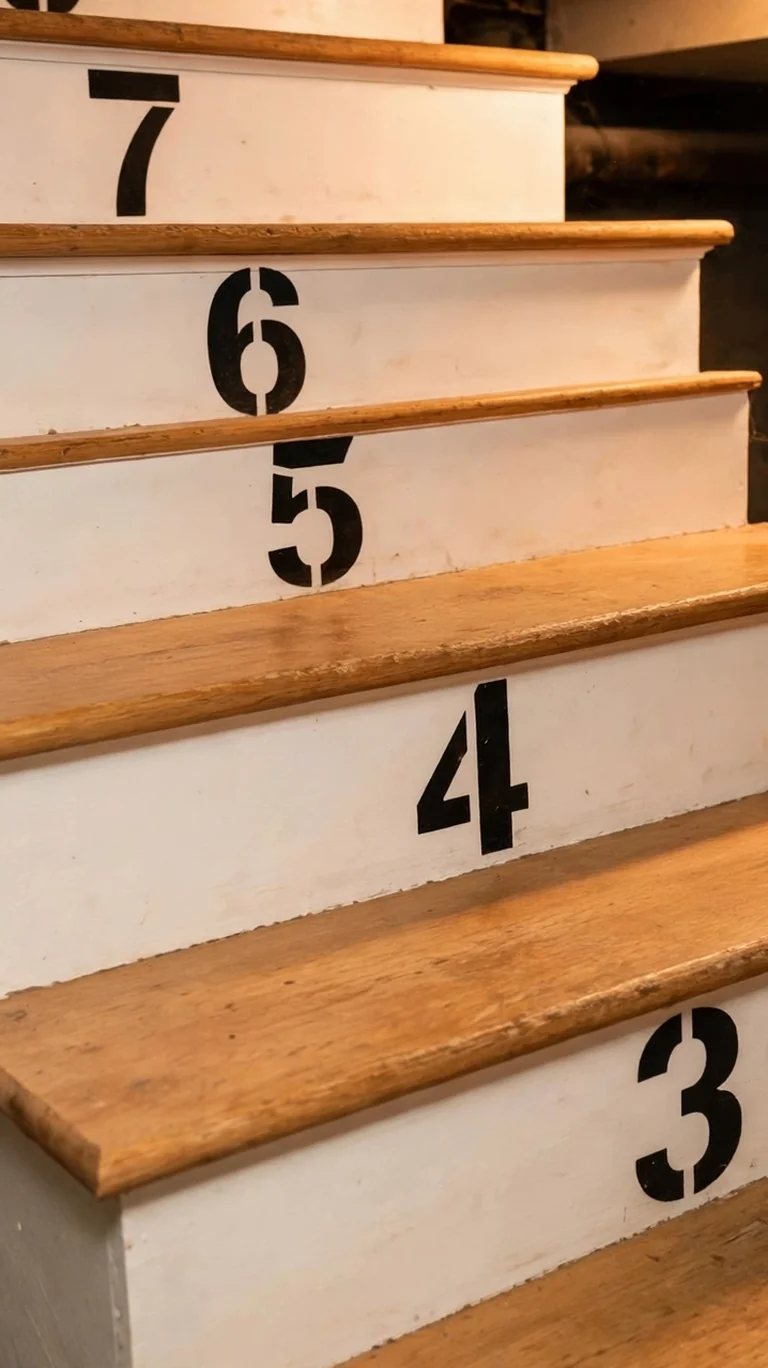
For a playful, personal touch, stencil numbers, letters, or a favorite quote across the risers. Numbering each step from top to bottom looks charming and helps kids learn their way down, while a single word or short phrase spelled out step by step adds personality.
Use a stencil and a small foam roller for clean edges, and seal the design with a clear matte topcoat so it lasts. Keep the font simple and the color high-contrast against the riser paint. This is one of those small details that makes guests smile and makes the stairs feel like yours.
16. Install a Wall-Mounted Shelf for Decor
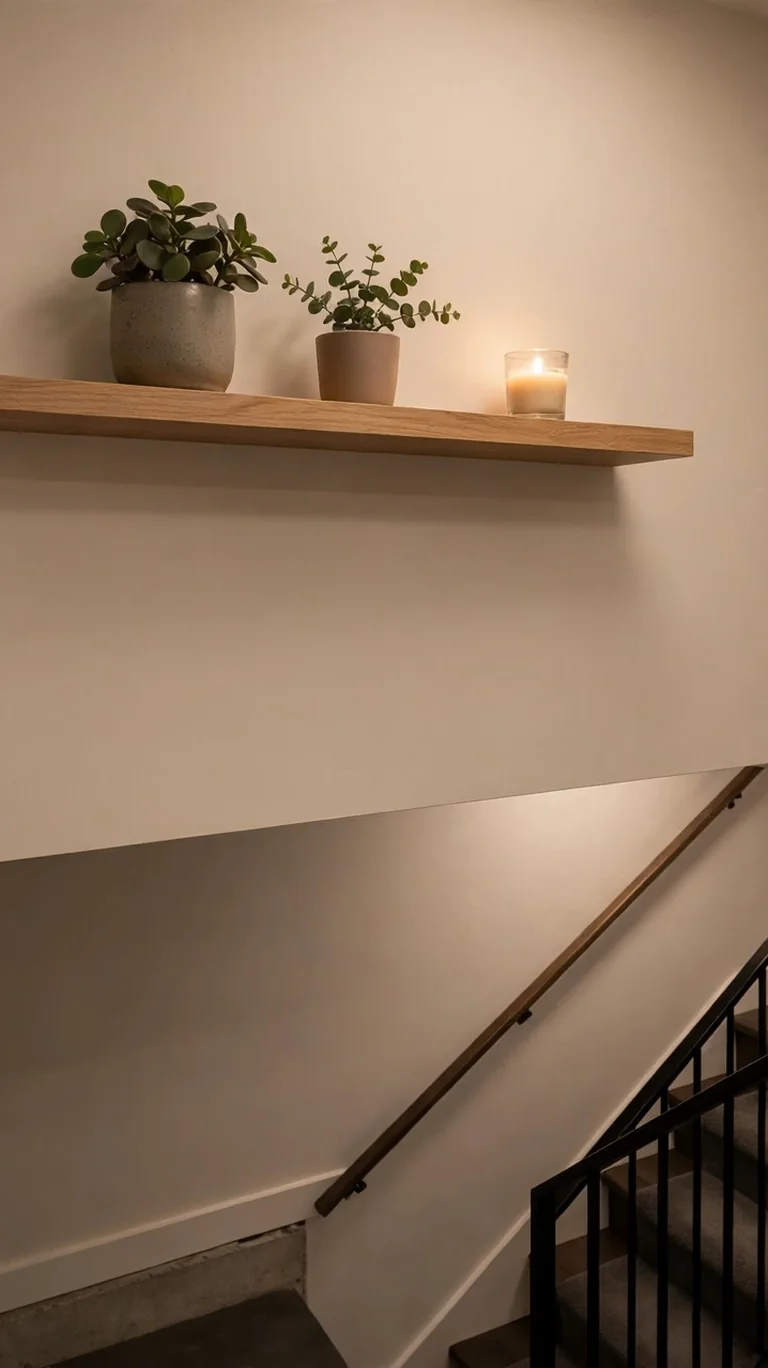
A single floating shelf on the stairwell wall gives you a spot for small plants, candles, or a piece of art without crowding the walking space. Mount it high enough that nobody bumps their head or shoulder on it, and keep the styling simple with two or three objects.
Secure the shelf into studs, because stairwell shelves get jostled by passing traffic. Choose a shelf finish that matches the treads or the handrail for a cohesive look. Swap the decor seasonally to keep the stairway feeling fresh without repainting anything.
17. Finish With Fresh Trim and Baseboards
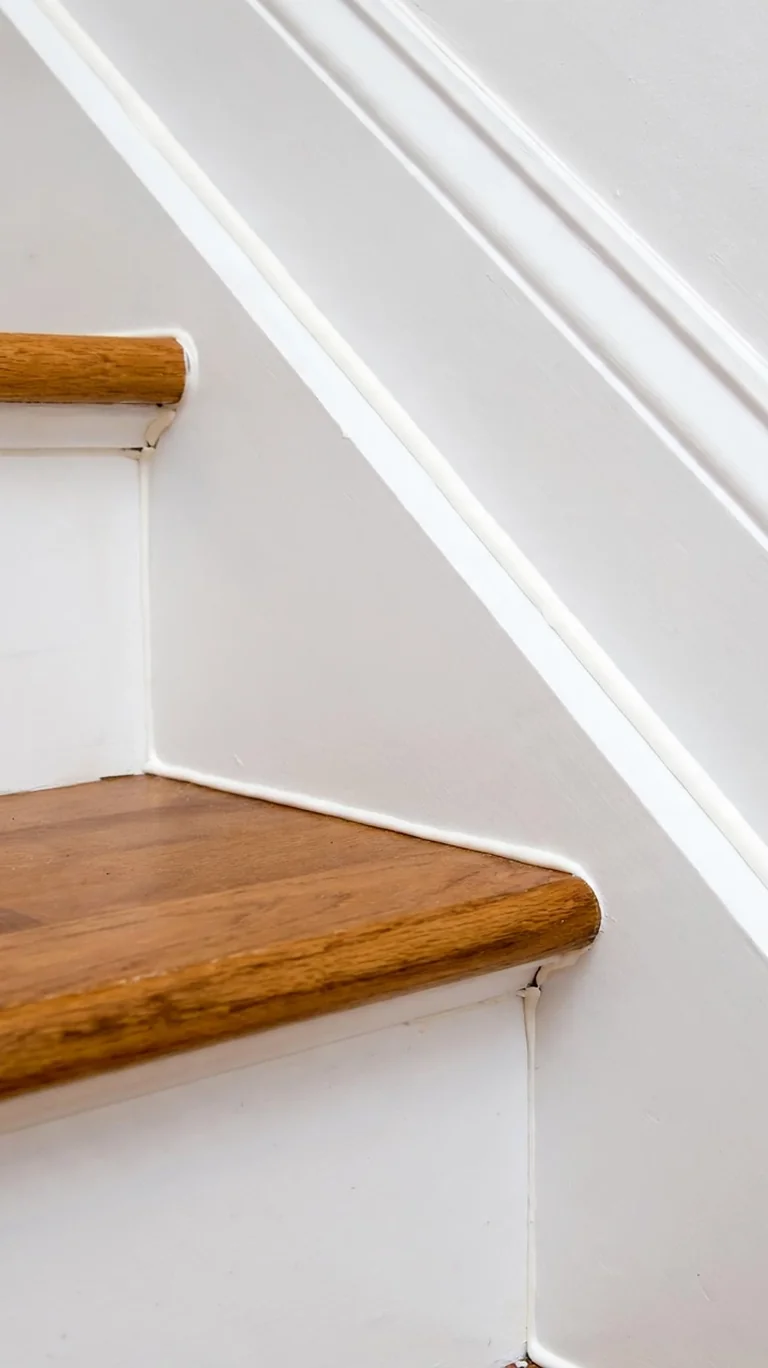
Crisp trim and baseboards are the detail that separates a finished stairwell from a rough one. If your stair stringers have gaps, old caulk, or missing quarter-round, a fresh bead of caulk and a coat of white trim paint will sharpen every line. It’s small work with an outsized visual payoff.
Replace any cracked or water-stained baseboards, and use flexible caulk where the stairs meet the wall so the seal moves with the house. This is the perfect finishing step after painting walls or adding a runner, and it makes every other upgrade on this list look more polished.
Frequently Asked Questions
What is the cheapest way to make basement stairs look better?
A fresh coat of paint is the cheapest high-impact upgrade. Painting the risers in a bold or classic color costs very little and takes a weekend, and repainting dingy stairwell walls in a warm white instantly brightens the space. Caulk and trim touch-ups cost almost nothing and sharpen the whole look.
Are stair runners safe on basement stairs?
Yes, a properly installed runner is safer than bare wood because it adds traction and cushions slips. Use a quality pad underneath and secure the runner with staples or carpet rods so it can’t shift. Keep the runner clean and flat, since curled edges are a trip hazard.
How can I light basement stairs without an electrician?
Battery-powered LED strip lights and motion-sensor puck lights need no wiring at all. Mount LED strips under each tread nosing for a built-in glow, or stick puck lights along the wall at step level. Plug-in wall sconces are another option that only need an outlet.
Should basement stairs be carpeted or wood?
It depends on your priorities. Carpet is quieter, warmer, and adds grip, but it shows wear and traps dust. Painted or stained wood is easier to clean and looks more modern, especially with a runner down the center. Many homeowners get the best of both by keeping wood stairs and adding a runner.
How do I make a dark basement stairwell feel brighter?
Layer your light sources: an overhead fixture plus LED strips under the treads or puck lights along the wall. Paint walls in a warm white with a satin sheen to reflect light, and hang a mirror to bounce it around. Light-colored runners and risers also help every bit of light go further.
Conclusion
Your basement stairs deserve better than being the dim, unfinished gap between floors. With the right paint, a runner, some thoughtful lighting, and a few personal touches, that narrow climb can feel like a natural part of your home’s design instead of a space you rush through.
You don’t need to tackle all 17 ideas at once. Pick the one that bothers you most, whether that’s the dingy walls, the slippery treads, or the sad single bulb, and start there. Even one upgrade changes how the whole stairwell feels.
And once the stairs look the way you want, you’ll probably find yourself heading downstairs a little more often. A staircase that feels safe, bright, and intentional makes the entire lower level of your home more inviting, which is the real payoff of all this work.