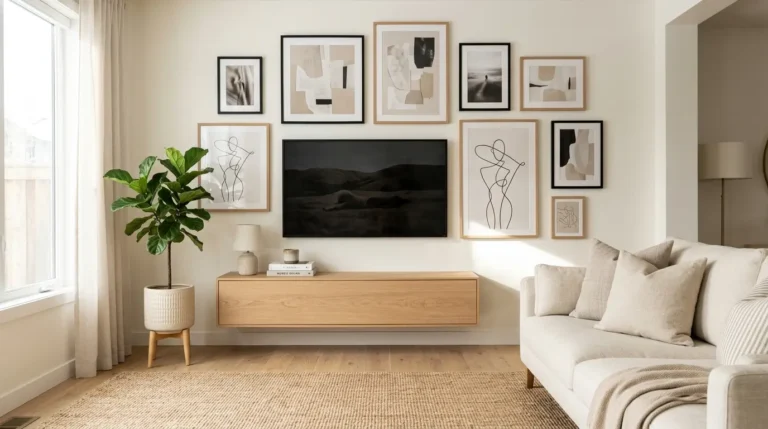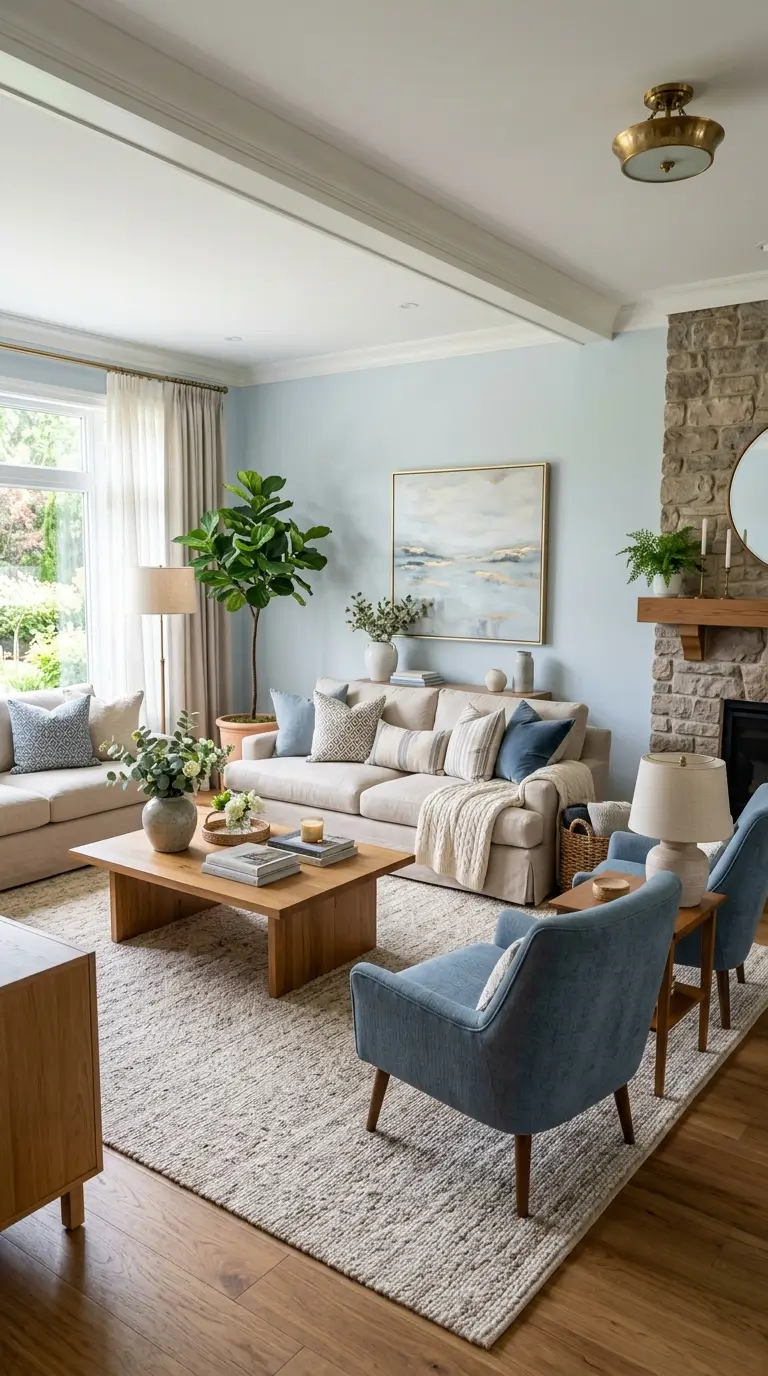
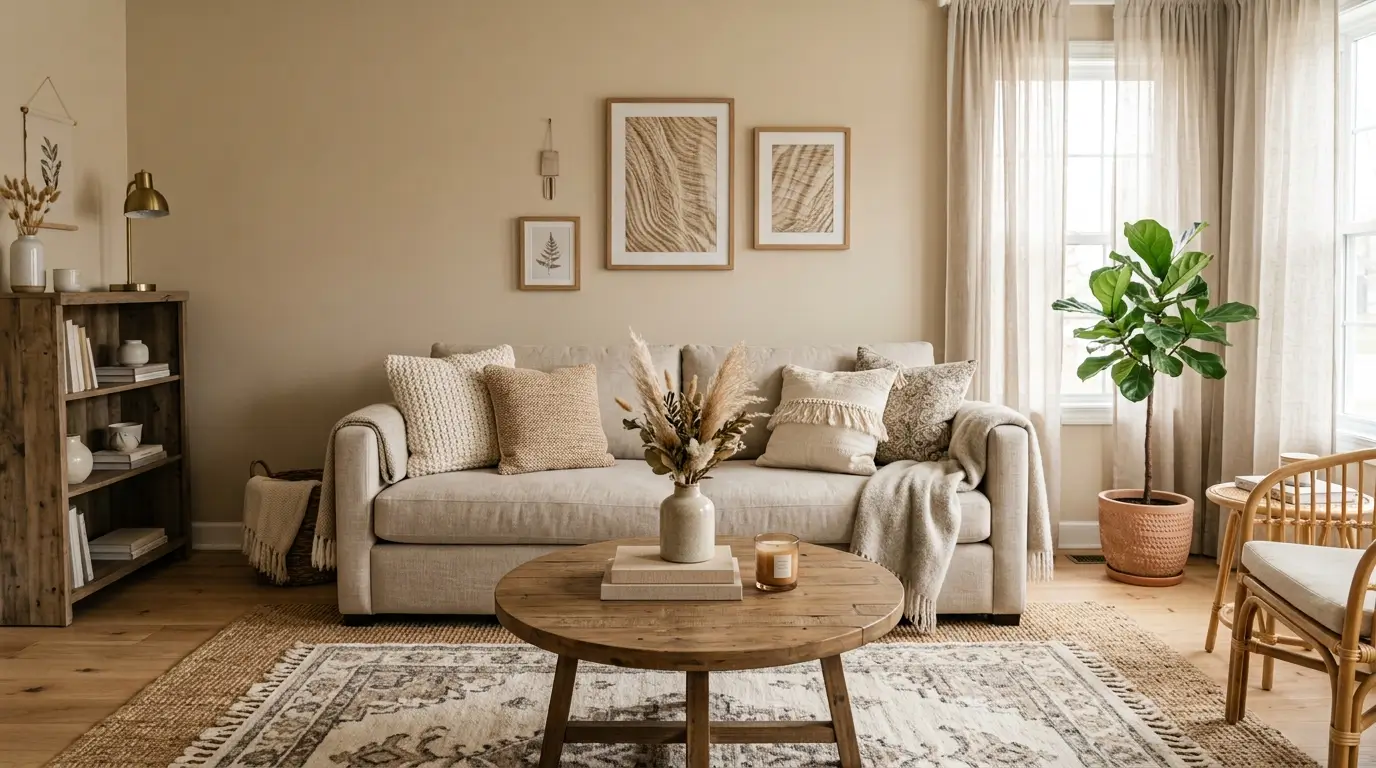
Beige Living Room Ideas That Feel Warm, Not Boring
Beige gets a bad reputation it does not deserve. People hear the word and picture a flat, boring room with nothing going on, but that is only true when beige is used without any thought. Done right, beige is one of the warmest, most flexible colors you can build a living room around, since it pairs with almost anything and never feels dated the way trendy colors sometimes do. I switched my own living room to a beige base a couple of years ago after getting tired of repainting every time trends changed, and it has been the easiest room in my house to update ever since, just by swapping a pillow or a throw. Below are 20 ways to use beige in a living room so it feels layered, warm, and lived in rather than plain or forgettable. Each idea focuses on texture, material, or a small styling trick that keeps a neutral room from ever feeling flat.
1. Beige Sofa Anchor
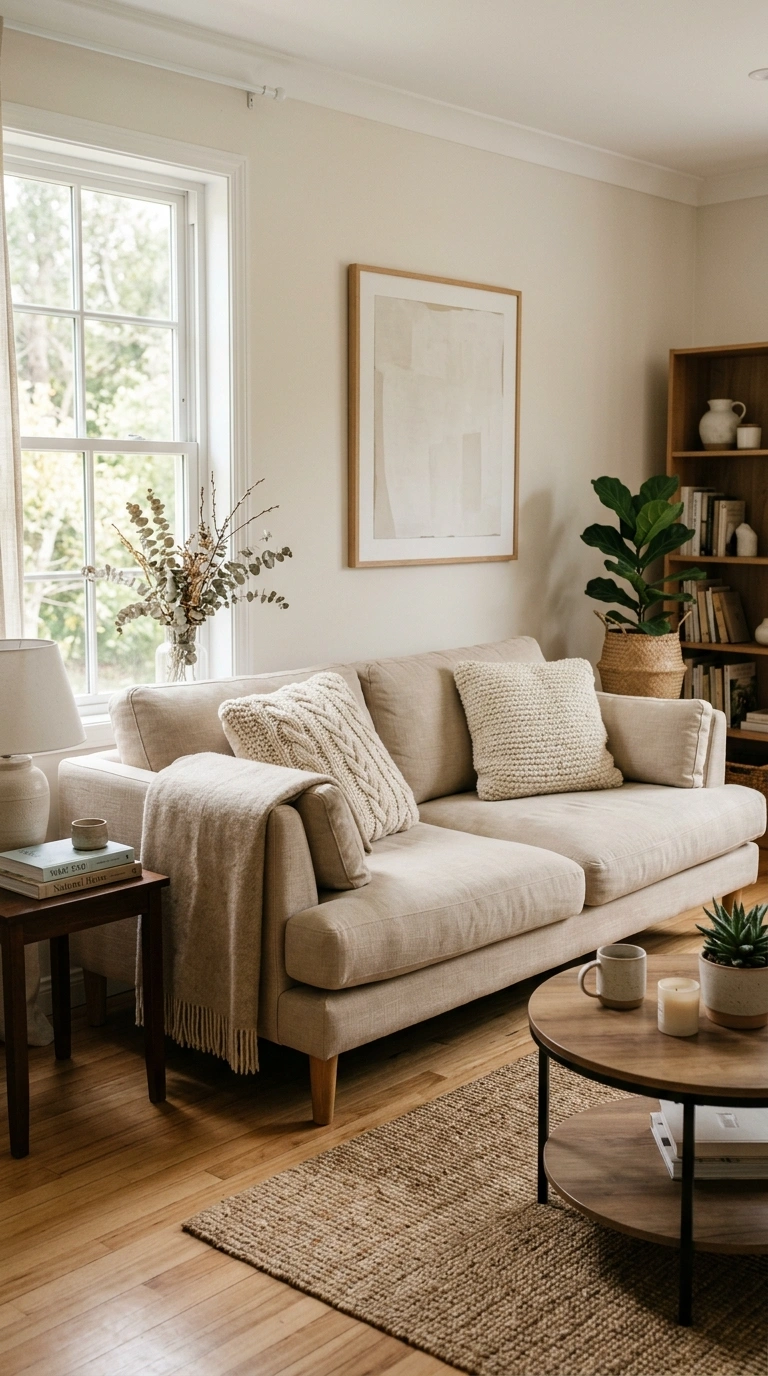
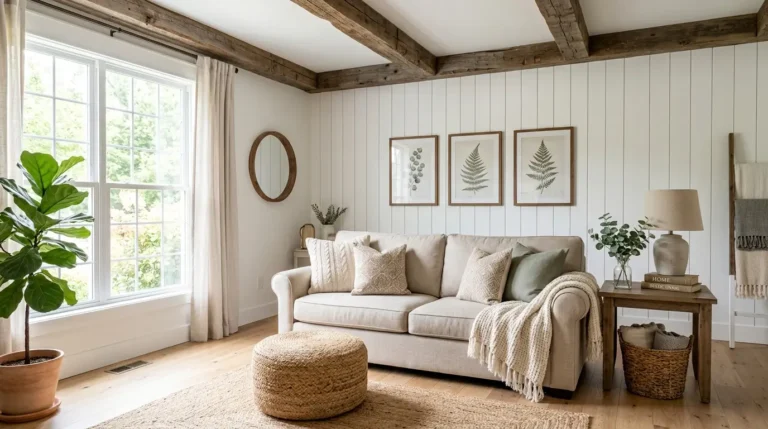
The easiest way to build a beige living room is to start with the biggest piece first, which is usually the sofa. A beige sofa in a fabric like linen or a soft boucle sets a warm, neutral tone for the whole room and gives you the freedom to change everything else around it over time without ever needing to replace the couch itself. Choose a shade with a slight warmth to it, like a sandy or oatmeal tone, rather than a flat grey beige, since warmer tones feel cozier in most lighting conditions.
Once the sofa is in place, everything else in the room becomes easier to plan, from rugs to curtains to wall color. A beige sofa also tends to hide everyday wear better than very light or very dark colors, which makes it a practical choice for a family living room that gets daily use. Add a few textured pillows on top to keep the sofa itself from feeling too plain on its own.
2. Layered Neutral Rugs
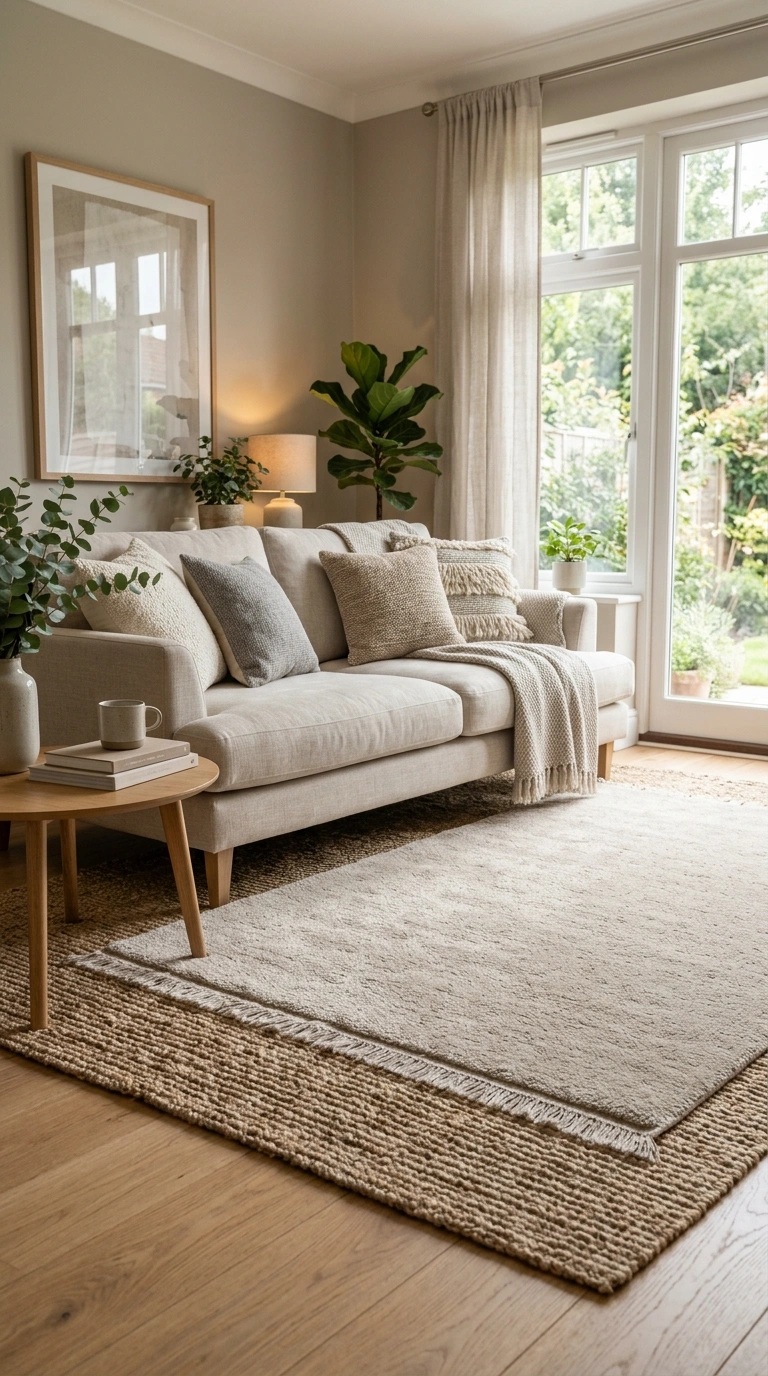
Layering two rugs on top of each other adds depth to a beige living room without introducing any bold color, which keeps the space feeling calm while still looking intentional and styled. Start with a larger, flatter rug like a jute or sisal weave as the base layer, then add a smaller, softer rug on top in a slightly different beige tone or a subtle pattern. This combination grounds the seating area and gives the eye something interesting to look at underfoot.
This trick works especially well in front of a sofa or under a coffee table, where the layered rugs frame the main seating area clearly. Keep both rugs in the same general color family so the layering feels cohesive rather than mismatched, and make sure the top rug is large enough that it does not look like an accident sitting on the bigger one underneath it.
3. Cream Linen Curtains
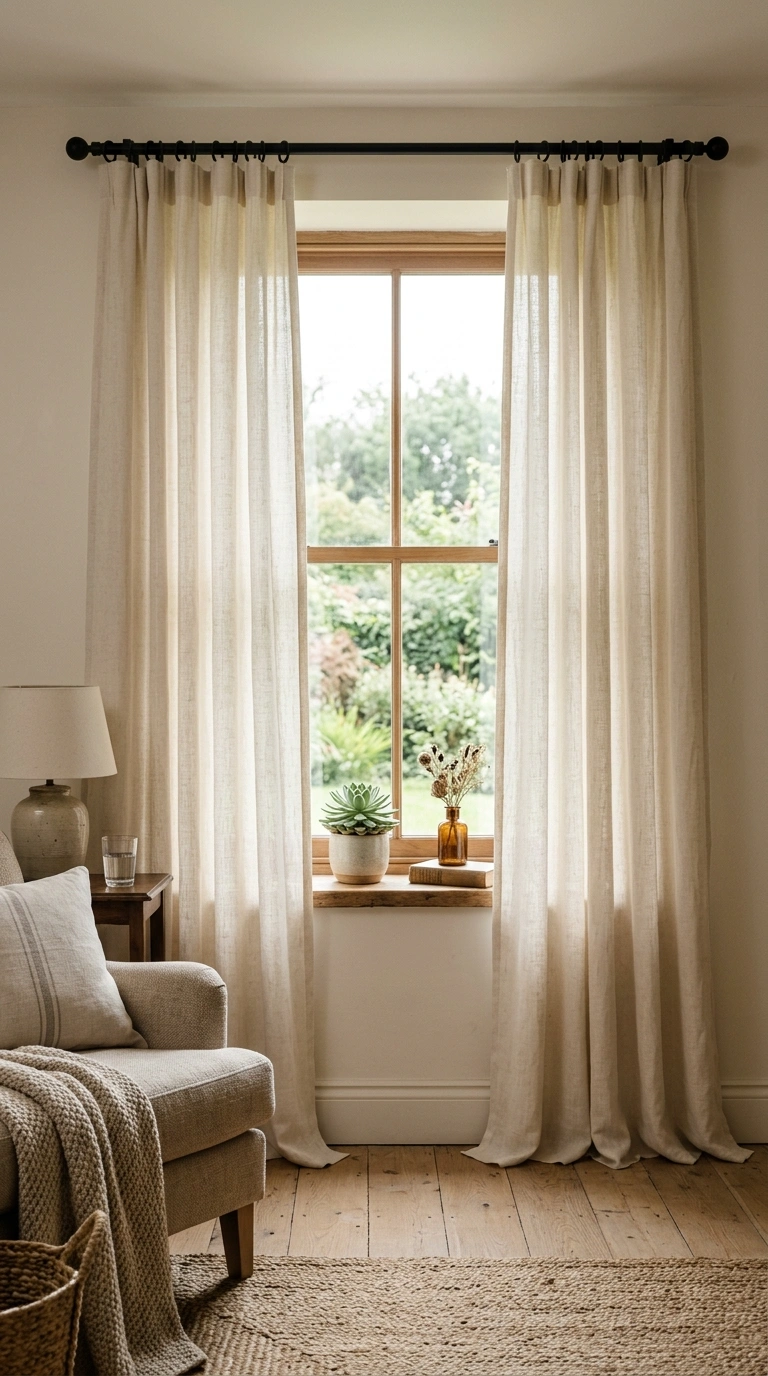
Curtains in a soft cream or beige linen soften the hard lines of a window and add a gentle, breezy feeling to a living room without competing with the rest of the neutral palette. Choose a lightweight linen that lets some natural light filter through during the day, and hang the rod a few inches above the window frame so the curtains appear to stretch the wall taller than it actually is.
This detail matters more than people expect, since bare windows or heavy dark curtains can make a beige room feel cold or unfinished by comparison. Let the curtains puddle slightly at the floor for a relaxed, lived in look, or hem them just above the floor for a cleaner, more tailored appearance depending on your personal style. Either way, linen curtains add texture that paint and furniture alone cannot provide.
4. Wooden Coffee Table
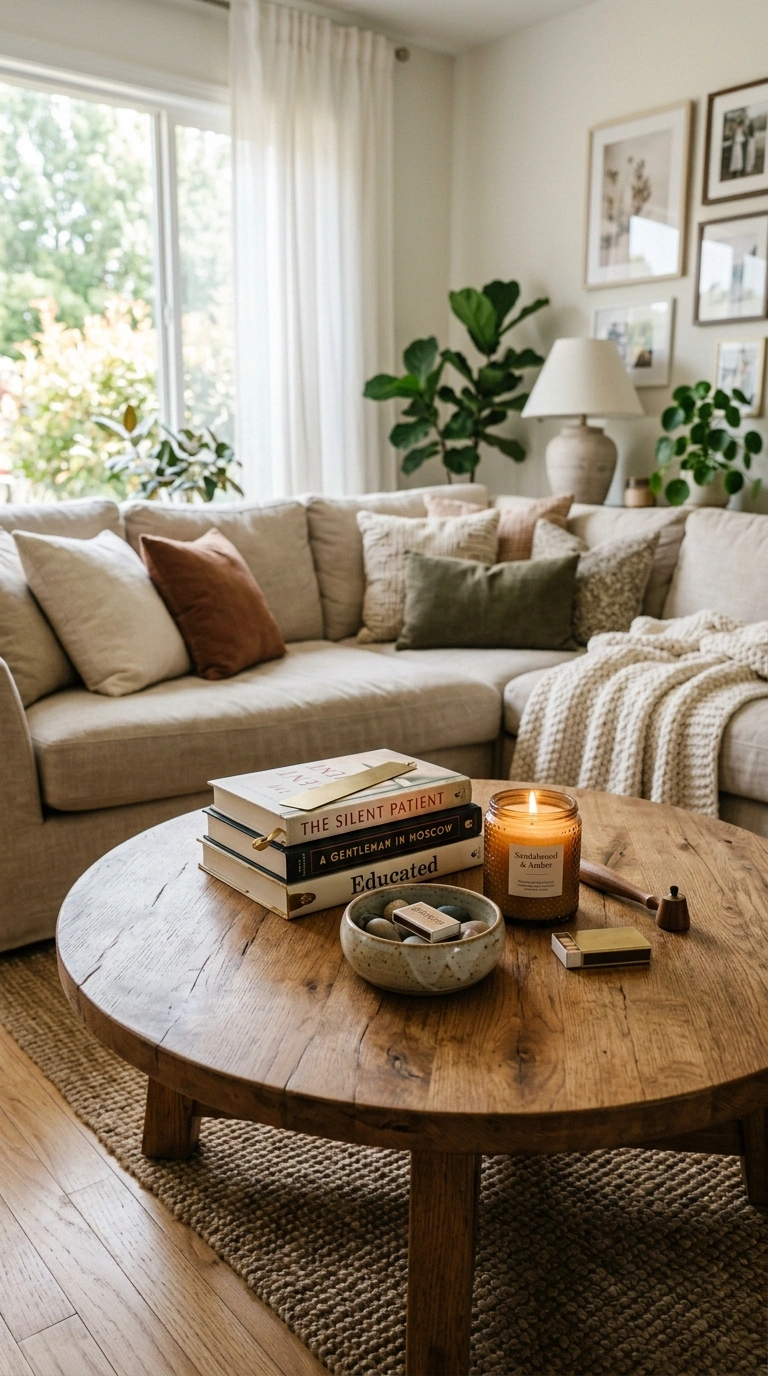
A wooden coffee table brings warmth into a beige living room in a way that fabric and paint cannot fully achieve on their own. Choose a table with visible wood grain in a medium or warm tone, such as oak or walnut, to create contrast against soft beige upholstery and rugs. The natural texture of real wood breaks up what could otherwise become a very flat, monochrome room if every surface were soft and matte.
Style the table with a stack of books, a small ceramic bowl, and maybe a candle, keeping the arrangement simple rather than cluttered. A round table works well in smaller living rooms since it softens the room’s overall lines, while a rectangular table suits larger spaces with a longer sofa. Either shape grounds the seating area and gives the room a clear visual center point.
5. Beige Accent Wall
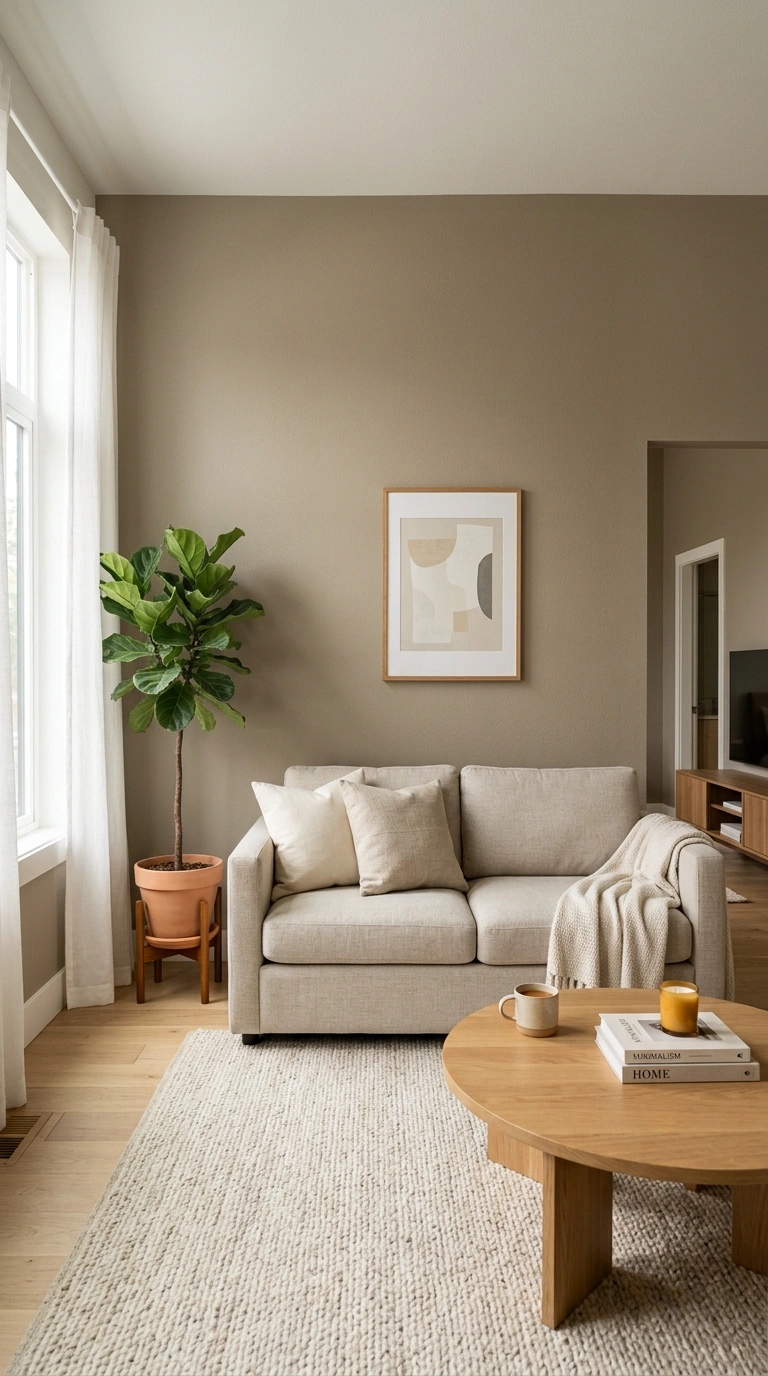
Painting one wall a slightly deeper beige than the rest of the room adds subtle depth without introducing a completely different color into the space. Choose a shade just a step or two darker than your main wall color, and paint the wall behind the sofa or the one that draws the most natural attention in the room, such as the wall you see first when entering.
This idea is a gentle way to add dimension to a beige living room for people who want more than a flat, single tone but are not ready to commit to a bold accent color. The subtle contrast reads as sophisticated rather than dramatic, and it photographs beautifully in natural light, where the slight color shift between walls becomes much more visible and adds real depth to the whole room.
6. Woven Throw Pillows
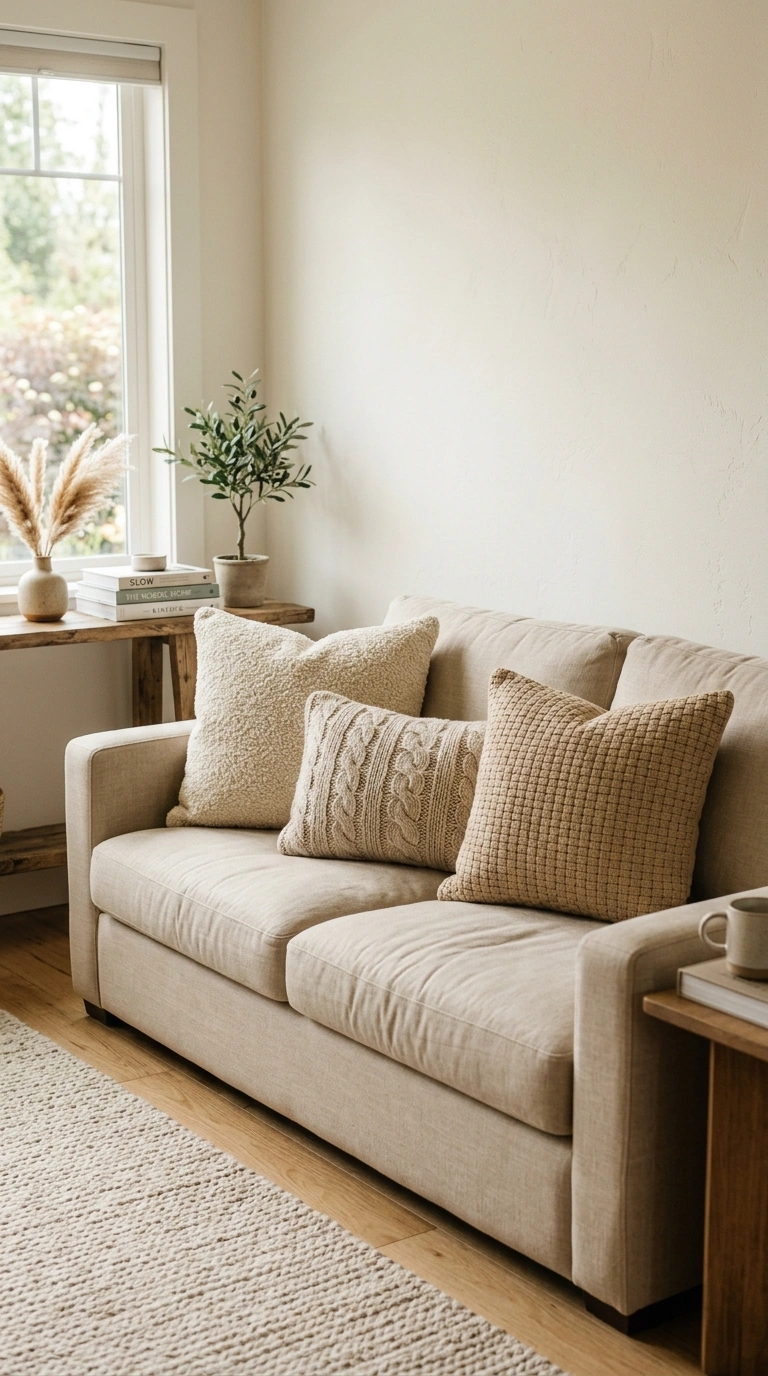
Throw pillows in woven textures like boucle, chunky knit, or basketweave add tactile interest to a beige sofa without introducing any new color into the room. Mix two or three different textures together rather than choosing pillows that are all the same fabric, since the contrast between smooth and nubby textures is what keeps an all beige room from feeling flat or one dimensional.
Vary the pillow sizes slightly as well, using one or two larger squares alongside a smaller lumbar pillow for visual balance. This is one of the most affordable ways to add personality to a beige living room, since pillow covers are inexpensive and easy to swap out seasonally. Stick to the same beige and cream family across all the pillows for a cohesive, styled look rather than a random mix.
7. Rattan Accent Chair
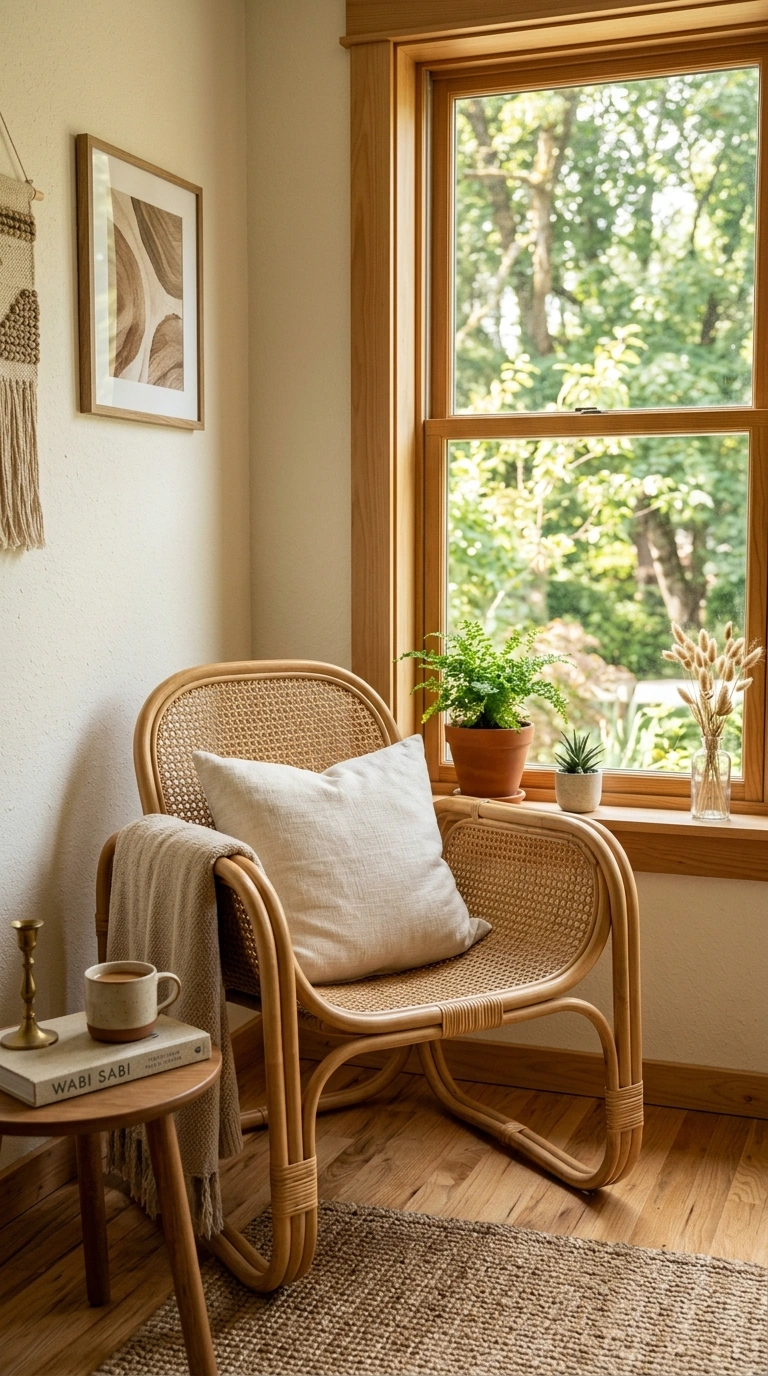
A rattan or wicker accent chair brings natural texture and a slightly relaxed, organic feeling into a beige living room. Place it in a corner near a window or beside the sofa to create a secondary seating spot, and pair it with a small cushion in a warm neutral tone to soften the woven material. Rattan works particularly well in beige rooms because its natural color tone blends effortlessly with the rest of the palette.
This chair also adds a slight change in shape and material compared to the rest of the furniture, which helps prevent an all beige room from feeling too uniform or predictable. Choose a chair with simple, curved lines for a softer look, or a more angular design if your room leans toward a slightly more modern style. Either way, rattan adds warmth that fabric alone cannot replicate.
8. Warm Wood Shelving
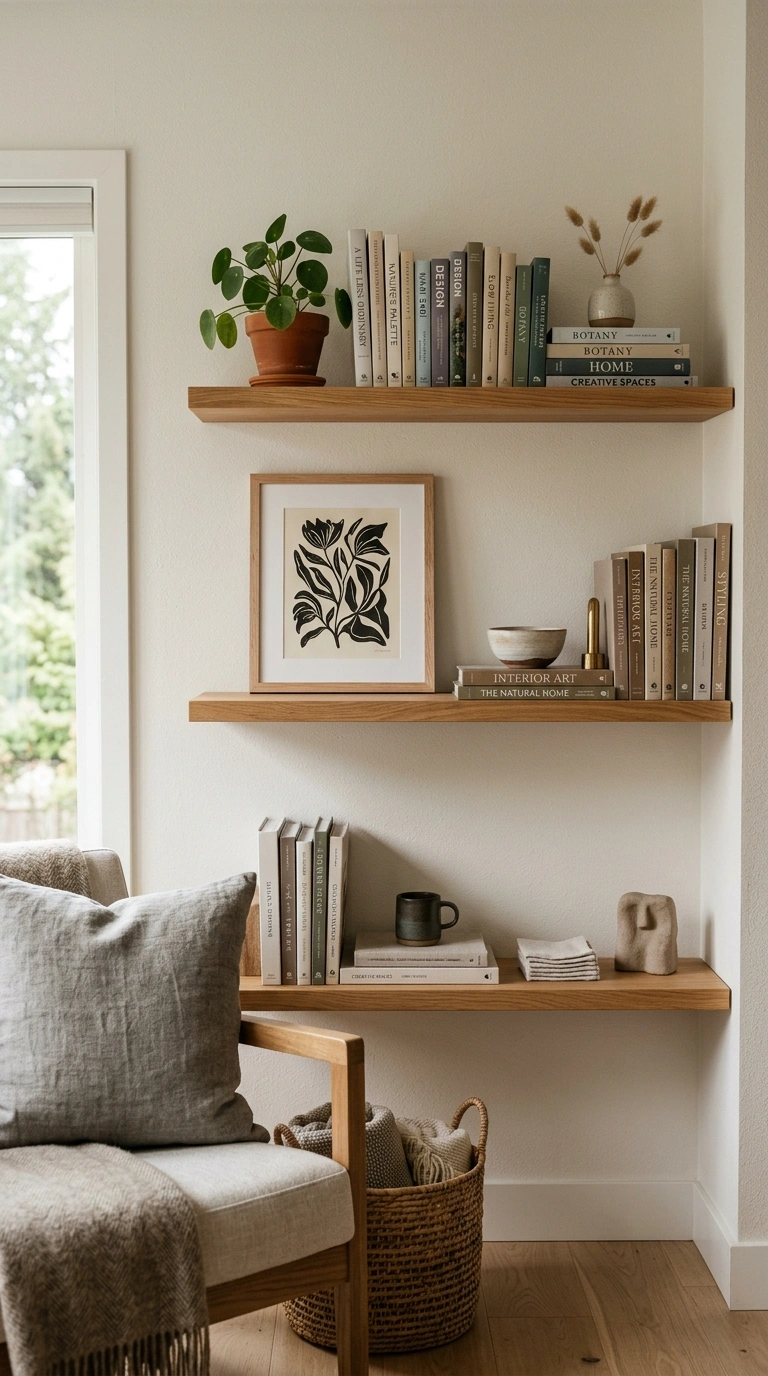
Open wood shelving on an empty wall gives a beige living room a place to display books, small plants, and a few decorative objects without adding visual clutter to the floor. Choose a warm wood tone that matches or complements your coffee table, and space the shelves unevenly rather than in a perfectly symmetrical grid for a more natural, collected look over time.
Style each shelf with a mix of items rather than filling every inch, leaving some empty space between objects so the shelving does not feel overcrowded. A few books stacked horizontally, a small plant, and one framed piece of art per shelf usually strikes the right balance. This idea also solves storage needs in living rooms that lack a proper media console or bookshelf already built in.
9. Beige And White Mix
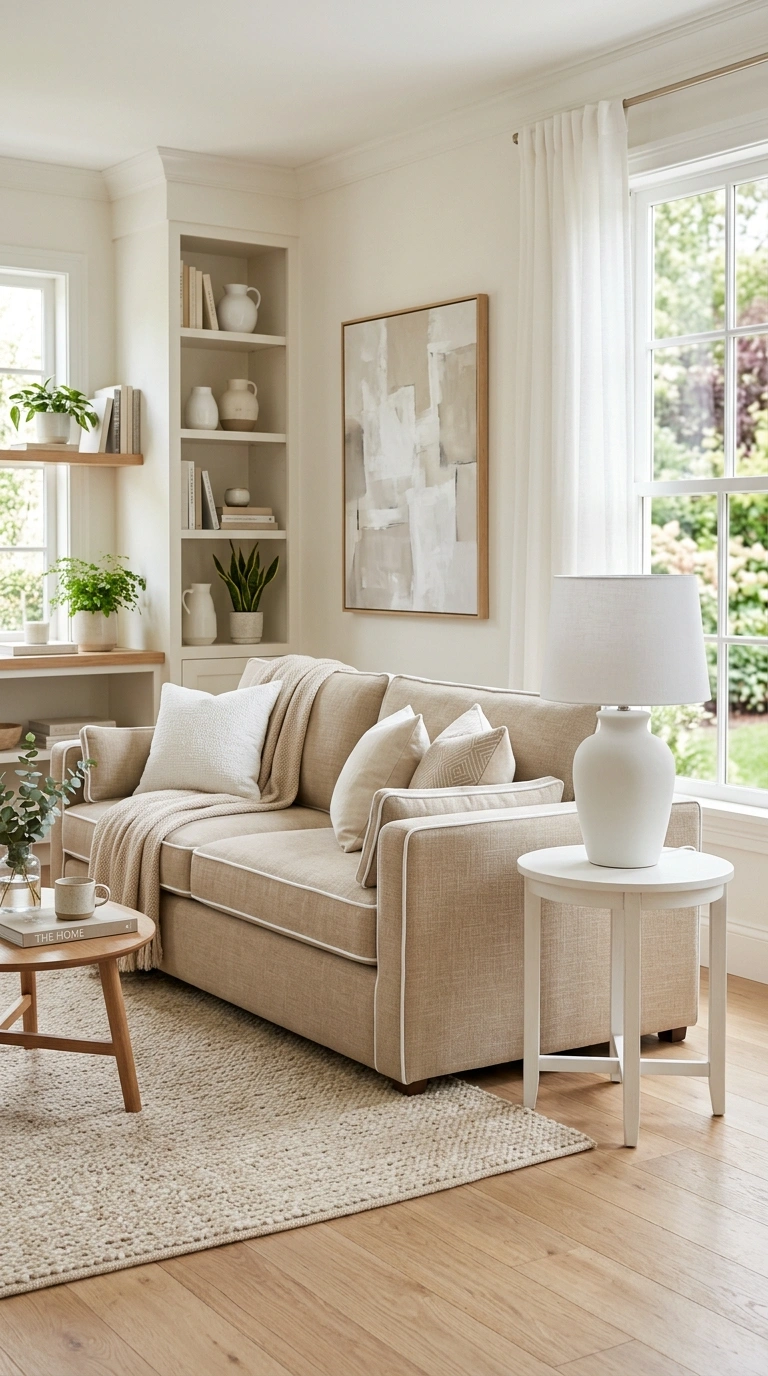
Mixing beige with crisp white keeps a neutral living room from feeling too heavy or monochrome, since the contrast between warm and cool tones adds brightness and definition to the space. Use white on trim, ceiling, or a few accent pieces like a lamp base or picture frame, while keeping the larger furniture pieces in beige tones for warmth.
This combination works especially well in living rooms with limited natural light, since the white accents help bounce light around the room and prevent the beige from reading as dull or dim. Keep the white elements smaller and more scattered rather than introducing a full white wall or large white furniture piece, since too much white can compete with the cozy warmth beige is meant to provide in the first place.
10. Textured Boucle Chair
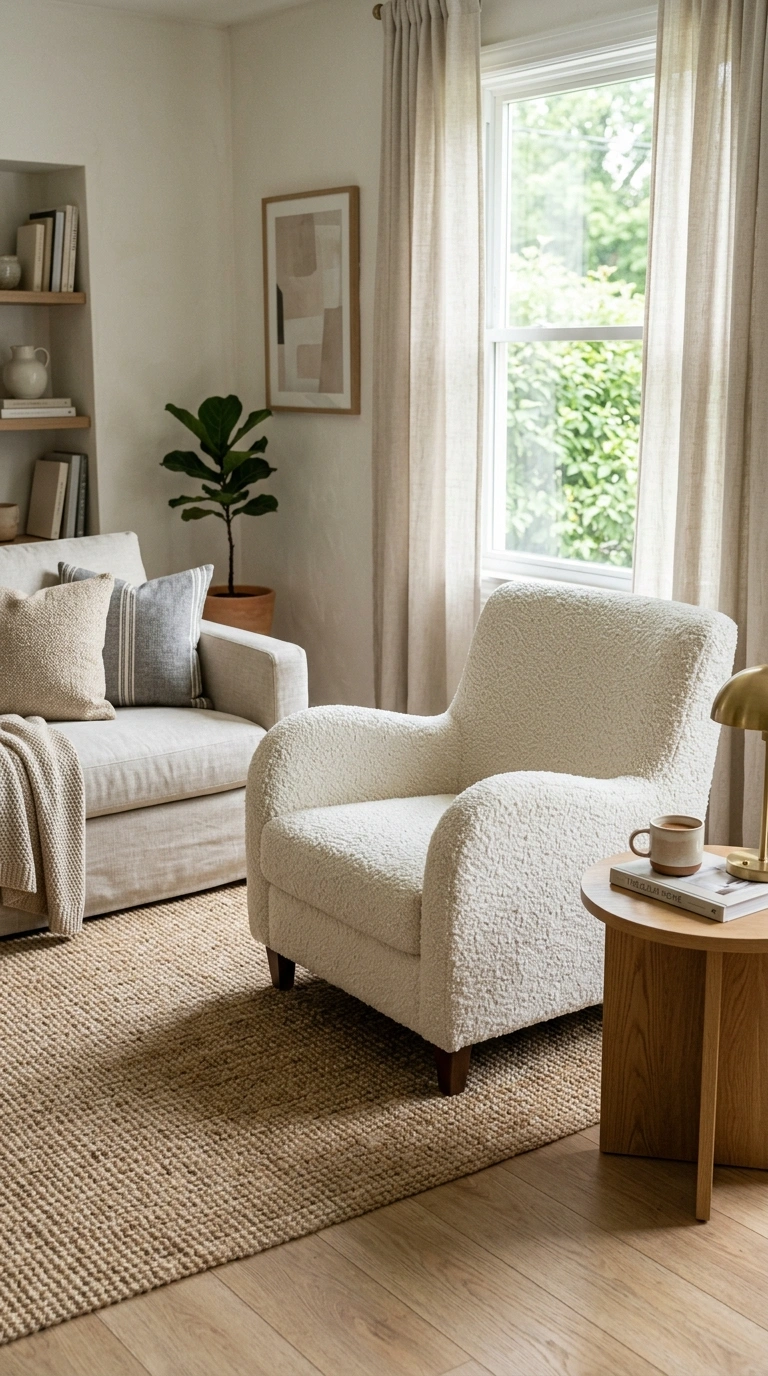
A single boucle armchair adds a soft, nubby texture to a beige living room that instantly makes the space feel more current and tactile. Place it at an angle facing the sofa to create a natural conversation area, and choose a color just a shade lighter or darker than your existing furniture so it reads as part of the same family rather than a mismatched addition.
Boucle fabric catches light in a unique way compared to flat linen or cotton, which adds subtle visual interest even in a room built entirely around neutral tones. Pair the chair with a small round side table nearby so it functions as real usable seating rather than just a decorative piece in the corner. This combination is a favorite for creating a cozy reading spot within a larger living room layout.
11. Natural Jute Rug
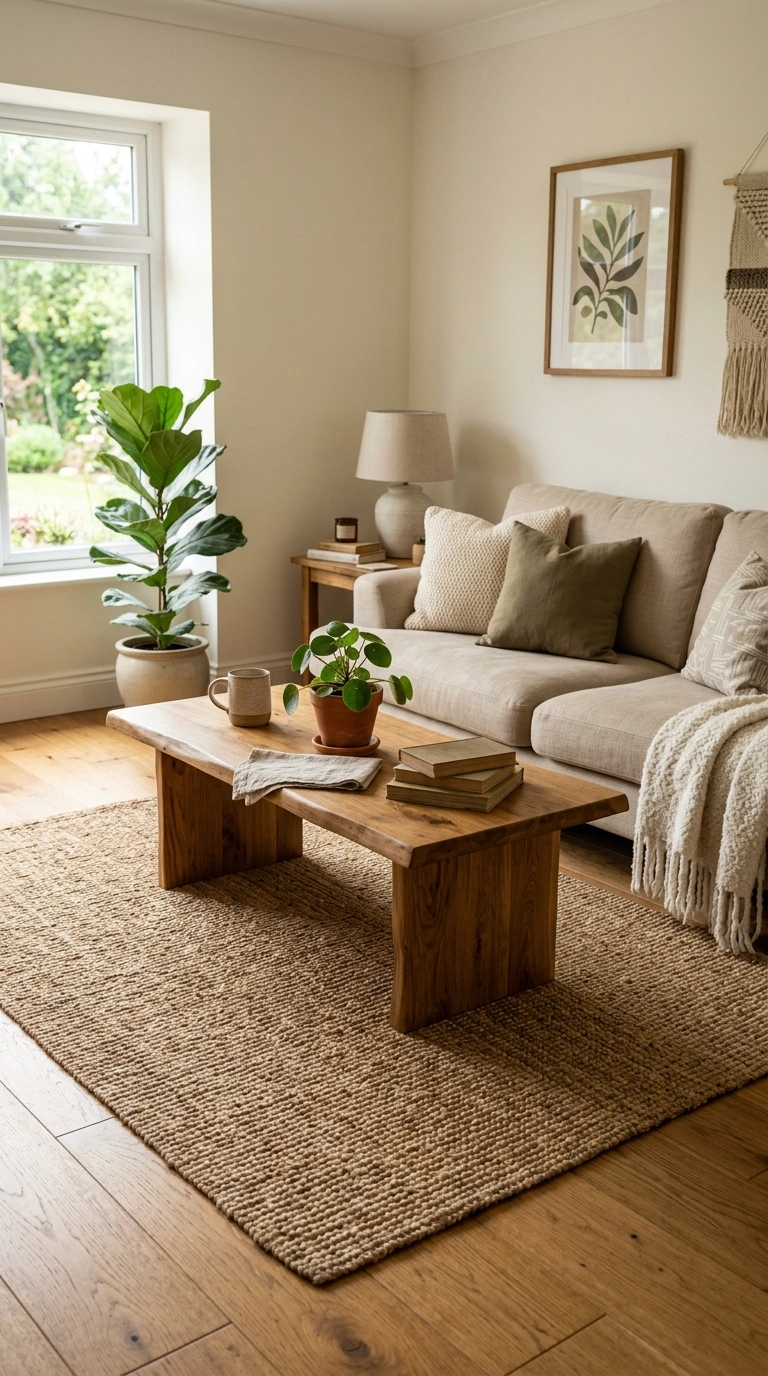
A jute rug brings an earthy, textured base to a beige living room and works especially well under a coffee table or as a foundation layer beneath a smaller, softer rug. The natural fiber has a slightly rougher texture than wool or cotton rugs, which adds a grounded, organic feeling to the room without introducing any new color into the overall palette.
Jute rugs are also a practical choice for living rooms that see a lot of foot traffic, since the material tends to hide dirt and wear better than lighter, softer fibers. Make sure the rug is large enough that at least the front legs of your sofa and chairs sit on top of it, since a rug that is too small can make the whole seating area look disconnected and awkwardly placed.
12. Beige Curtains Sheer
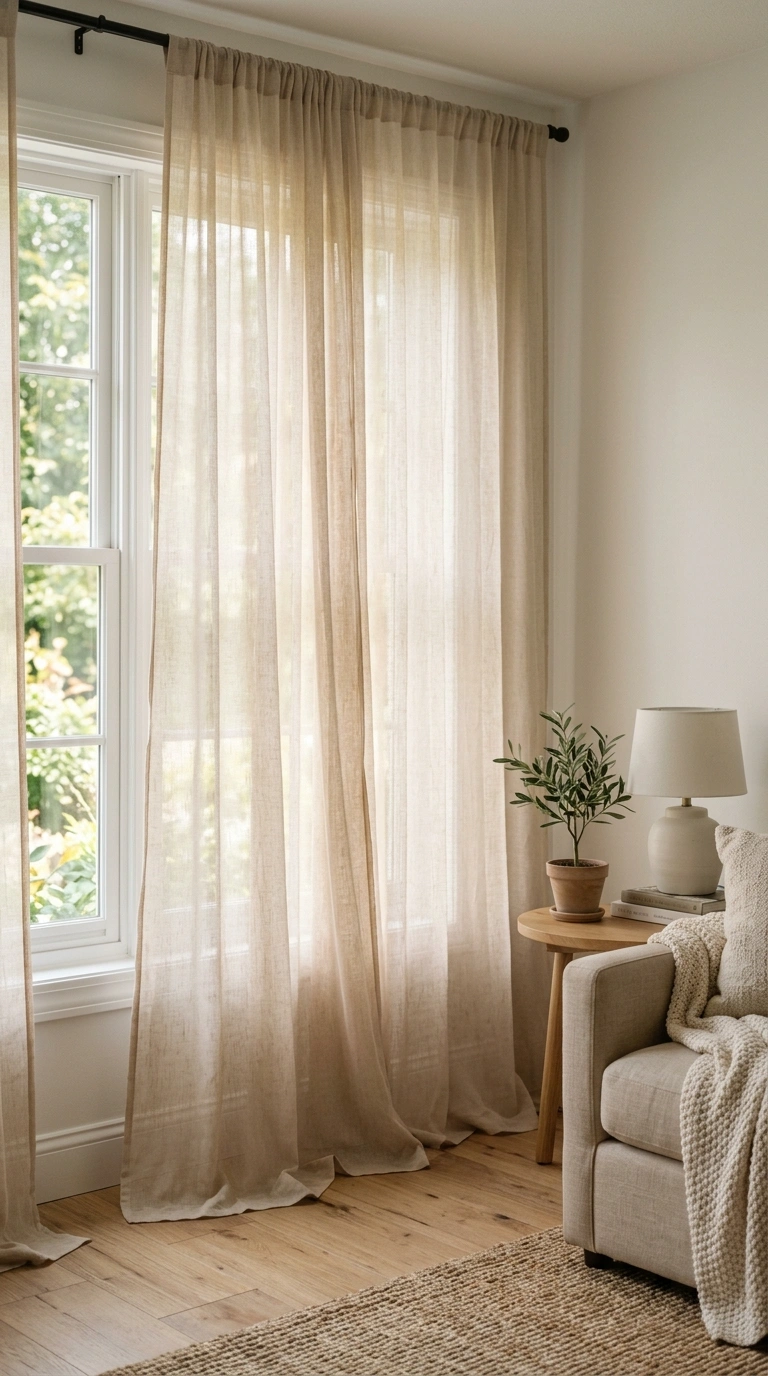
Sheer beige curtains let natural light flow into the room while still adding a soft layer of texture and warmth to bare windows. Hang them on a simple rod and let the fabric fall naturally rather than pulling it too taut, since a slightly relaxed drape looks more organic and less stiff than perfectly pressed curtains.
This idea works especially well in living rooms that already get plenty of natural light and do not need heavy blackout curtains for privacy or darkness. Sheer panels diffuse harsh midday sun into a softer, more flattering glow throughout the room, which enhances the warm tones of beige furniture and rugs. Pair sheer curtains with a slightly heavier drape on the sides if you want the option of more privacy at night.
13. Stone Fireplace Surround
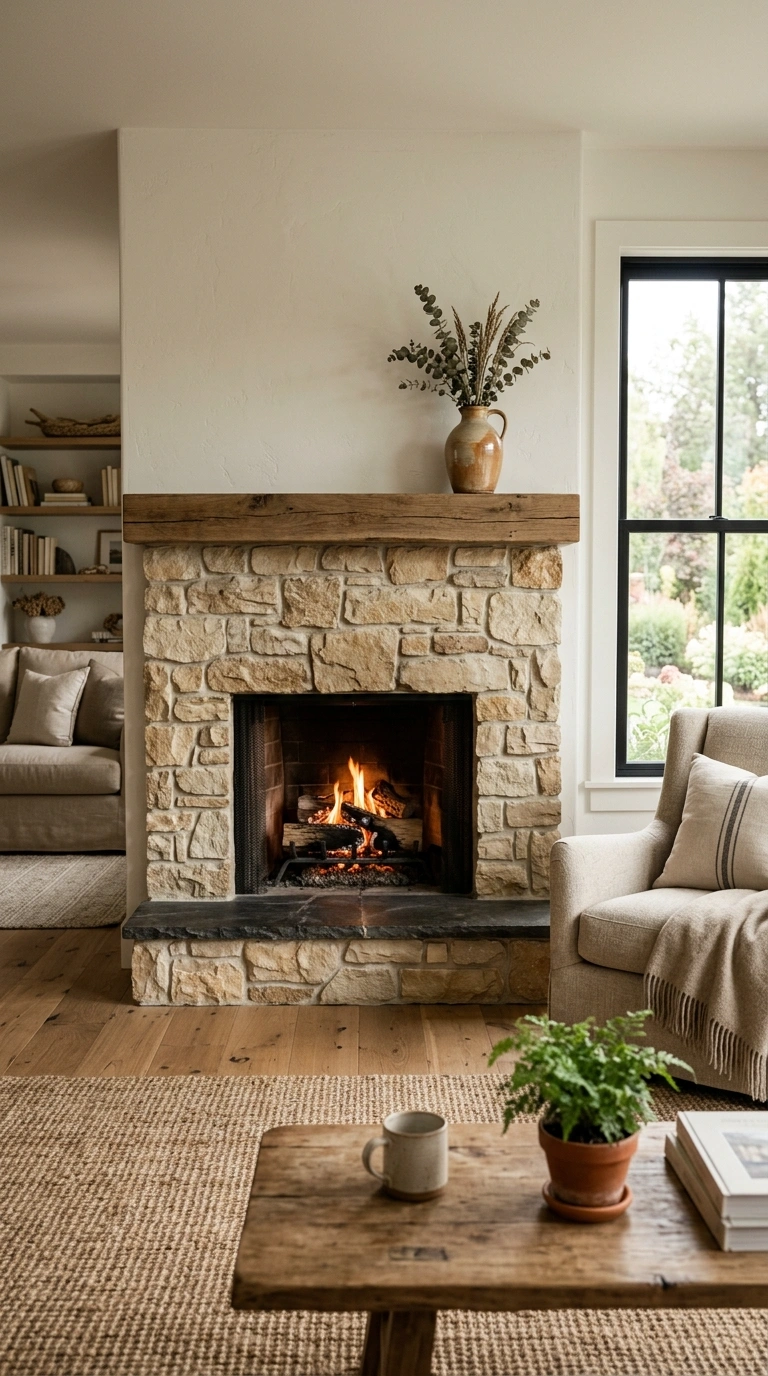
If your living room has a fireplace, a natural stone surround in warm beige and tan tones becomes an instant focal point that complements the rest of a neutral color scheme perfectly. Choose stone with varied texture and subtle color variation rather than a flat, uniform tile, since the natural irregularity adds visual interest to what might otherwise be a plain, flat wall.
Style the mantel simply with one or two objects, such as a piece of art leaned against the wall and a small vase, rather than crowding it with too many decorations. A stone fireplace surround also adds a sense of permanence and craftsmanship to a beige living room, grounding the space in a way that furniture and textiles alone cannot fully achieve on their own.
14. Ceramic Vase Styling
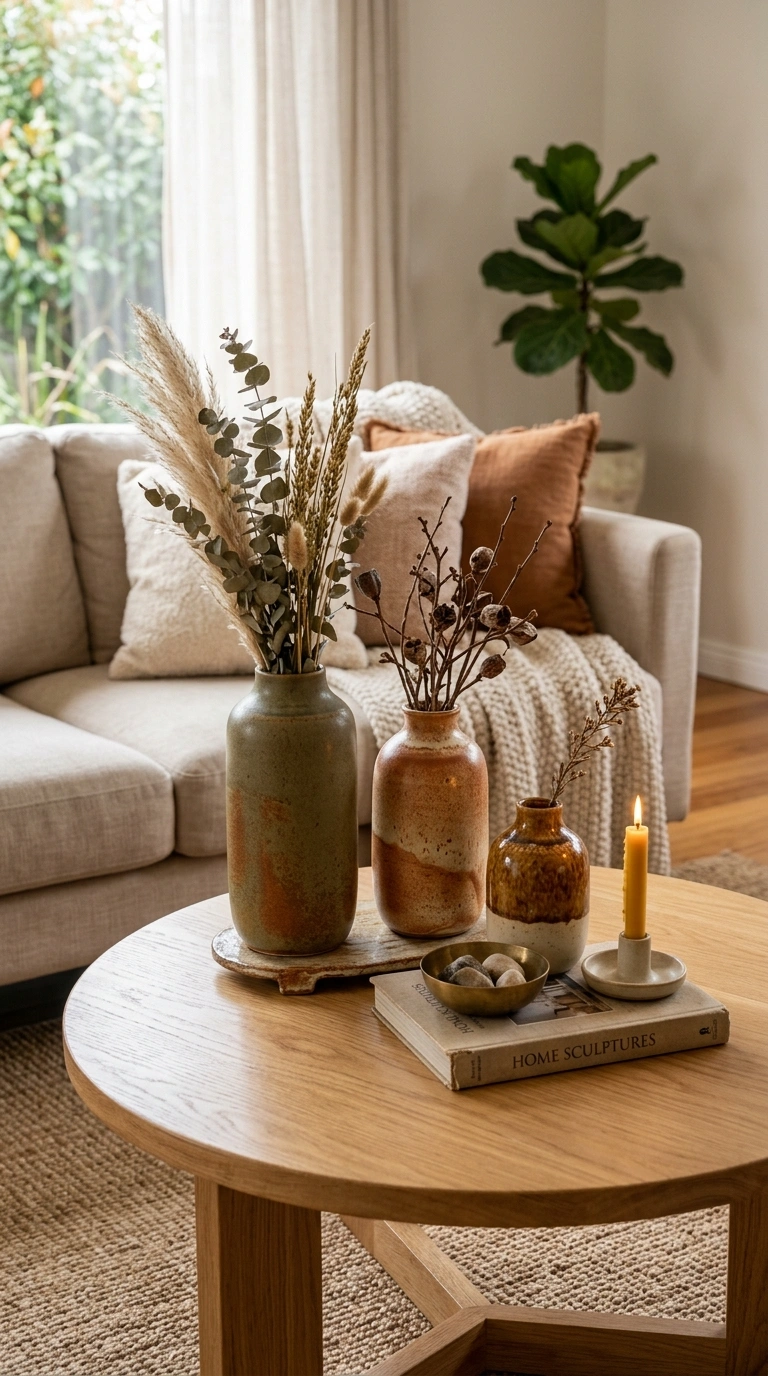
A collection of ceramic vases in varying heights and warm, earthy glazes adds sculptural interest to a beige living room without introducing bold color. Group two or three vases together on a coffee table, shelf, or mantel, mixing different heights and shapes so the arrangement feels collected over time rather than bought as a matching set all at once.
Leave one or two of the vases empty rather than filling every single one with flowers or greenery, since the empty ceramic shapes themselves provide enough visual interest on their own. This styling trick is popular because it costs relatively little compared to larger furniture changes, yet it adds a noticeable, polished touch to coffee tables and shelves that might otherwise feel a bit bare and unfinished.
15. Linen Slipcover Sofa
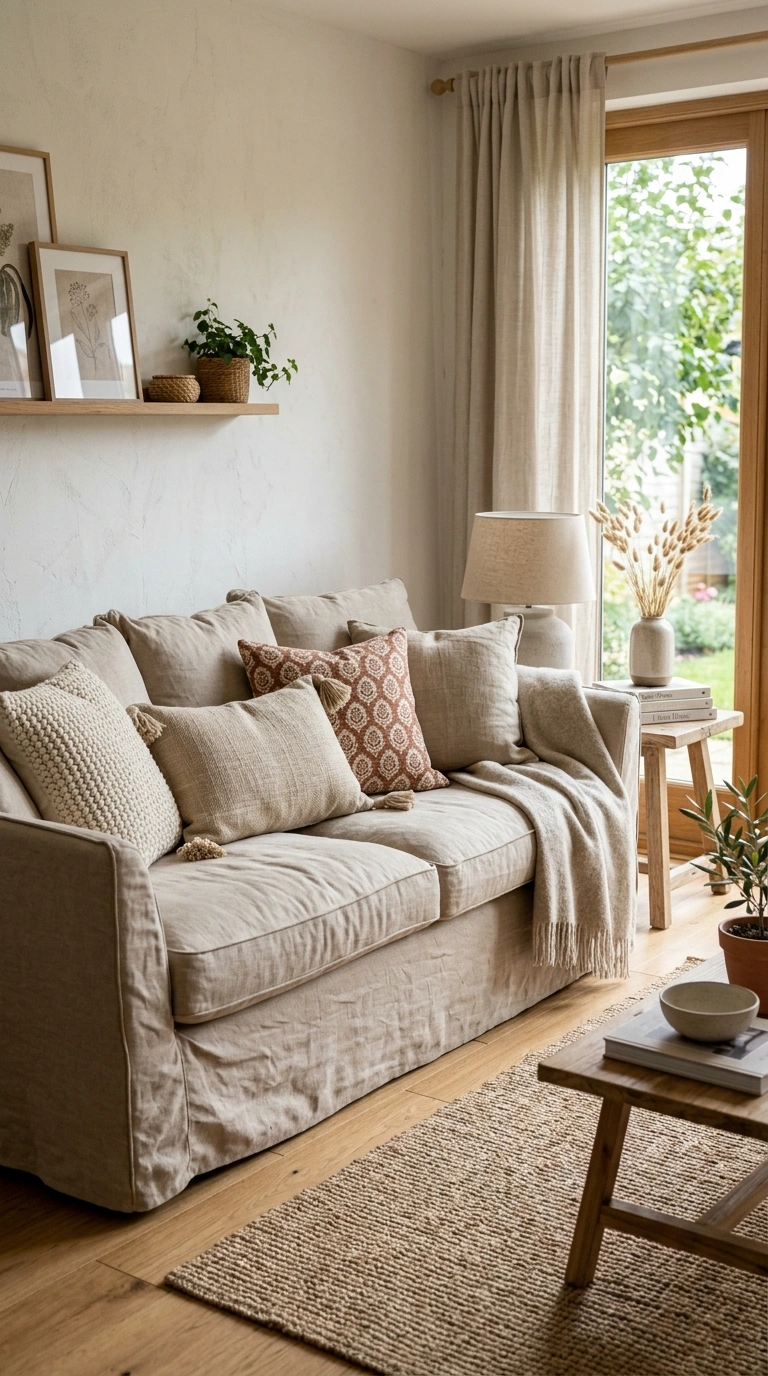
A slipcovered sofa in washed linen gives a beige living room a relaxed, slightly rumpled look that feels comfortable rather than overly formal or stiff. The natural texture of linen catches light and shadow in a way that flat, tightly upholstered fabric does not, adding subtle depth to what is otherwise a very simple, neutral piece of furniture in the middle of the room.
Slipcovers also offer a practical advantage, since most are removable and machine washable, which matters a lot in a living room used daily by kids or pets. Choose a slightly looser fit rather than a tightly tailored slipcover for the most relaxed, lived in look, and pair it with a mix of textured pillows to keep the overall sofa area from feeling too plain or flat on its own.
16. Beige Ottoman Bench
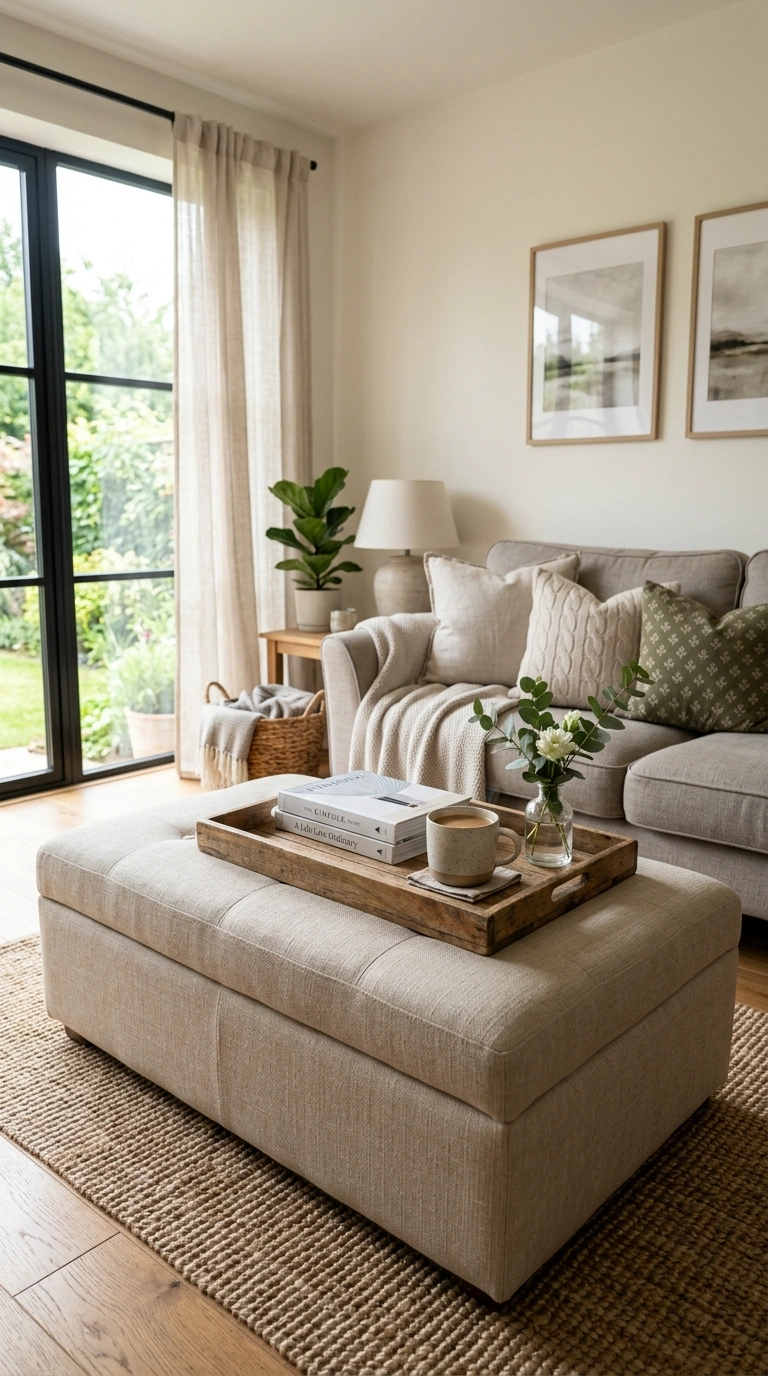
An upholstered ottoman in beige fabric works well as a coffee table substitute, offering a softer, more casual alternative to a hard wooden surface while still tying into the room’s overall color palette. Choose a large, sturdy ottoman that can hold a tray for drinks or books, so it remains functional even though it looks more like a piece of furniture than a traditional table.
This idea works especially well in living rooms with young children, since the soft, padded surface is safer than sharp table edges, while still looking intentional and stylish rather than purely practical. Add a wooden tray on top when you need a flat surface for drinks or snacks, and remove it when you want extra casual seating for guests during a gathering.
17. Wall Art Neutral
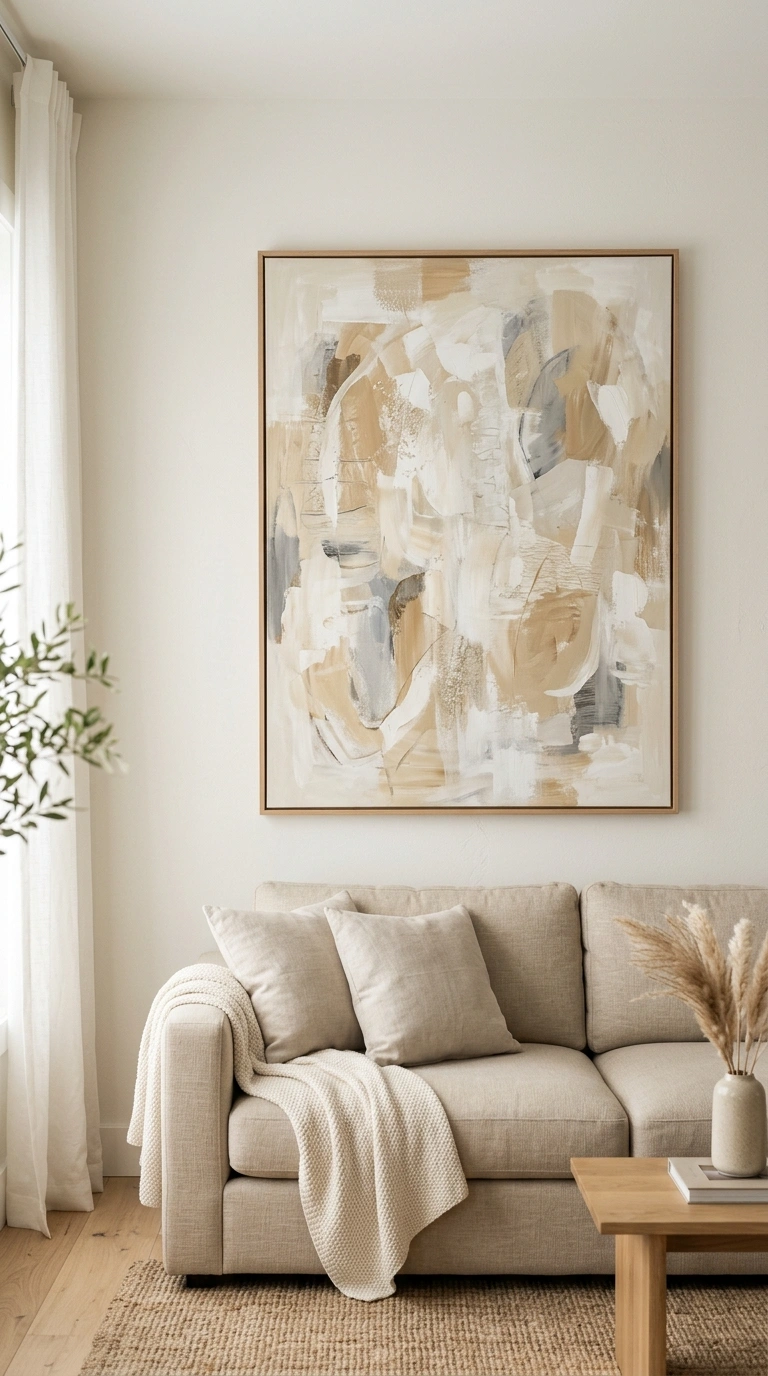
A large piece of abstract or landscape art in soft beige, cream, and tan tones ties the whole room together visually while giving an empty wall a clear focal point. Choose art with some texture or brushstroke visible, such as a canvas print or an actual painted piece, rather than a completely flat, glossy print, since texture adds depth even in a very neutral color palette.
Hang the art at eye level above the sofa, leaving about six to eight inches of space between the top of the sofa back and the bottom of the frame for proper proportion. A single large piece almost always looks more polished than several small prints scattered across the same wall, especially in a room where the goal is a calm, cohesive, neutral look throughout.
18. Beige Blackout Drapes
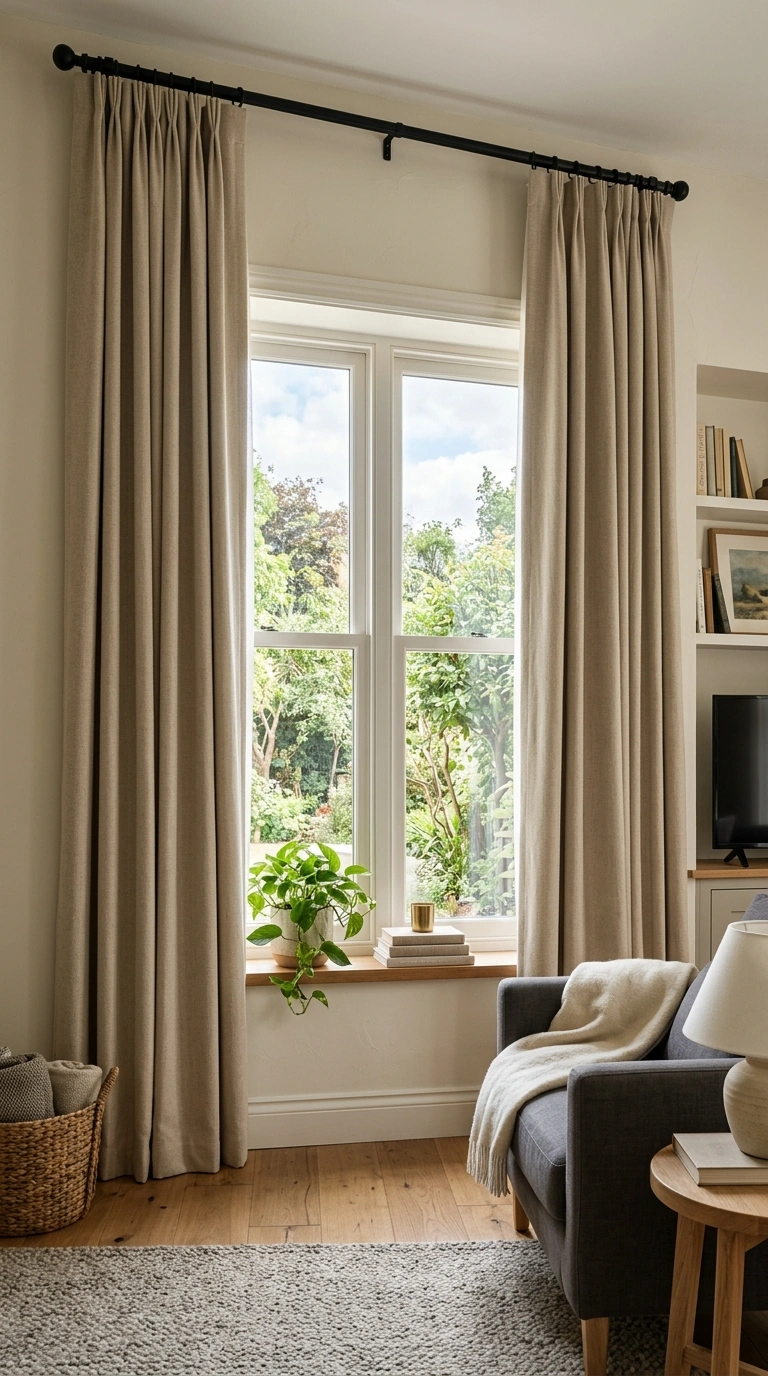
For living rooms that double as a media or movie watching space, blackout drapes in a warm beige tone offer both function and style without sacrificing the room’s neutral palette. Choose a heavier weave than sheer curtains, and hang the rod slightly above and wider than the window frame to make the window appear larger while still allowing the drapes to fully cover the glass when closed.
These drapes are especially useful for evening movie nights or rooms that face bright afternoon sun, since they block glare on television screens far better than lighter curtain options. Even closed, a warm beige tone keeps the room feeling soft and inviting rather than dark and heavy, which can happen with drapes in black or very deep colors instead.
19. Ivory Bookshelf Styling
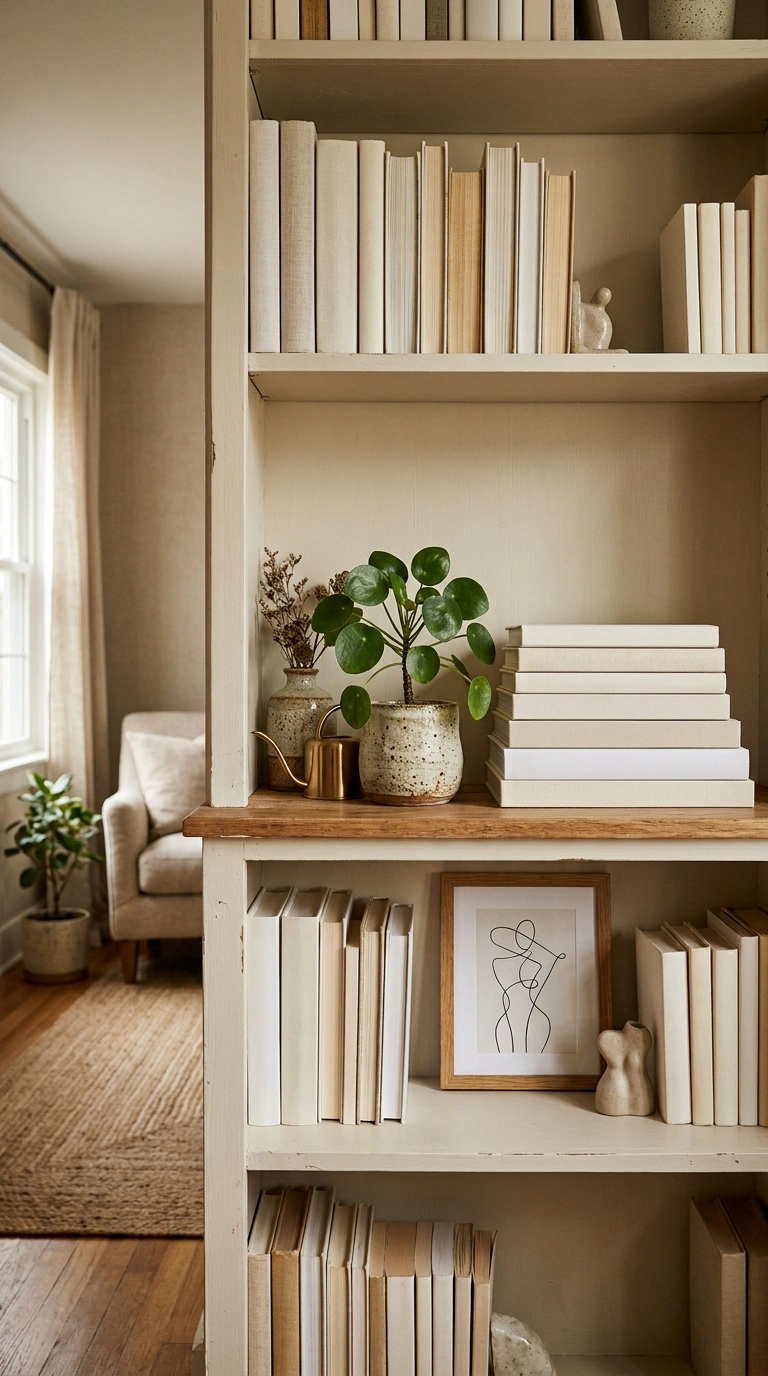
A bookshelf styled with ivory and cream book covers, alongside a few beige ceramic objects, creates a cohesive, gallery like display that fits naturally into a beige living room. Turn some books so the spine faces outward as usual, but stack a few others horizontally with an object placed on top, such as a small plant or a piece of art, for visual variety.
This styling approach takes a bit more time than simply lining books up on a shelf, but the result looks far more curated and intentional. Leave some breathing room between groupings rather than filling every shelf completely, since empty space is just as important as the objects themselves when it comes to creating a shelf that looks calm and well designed rather than cluttered.
20. Soft Beige Lighting
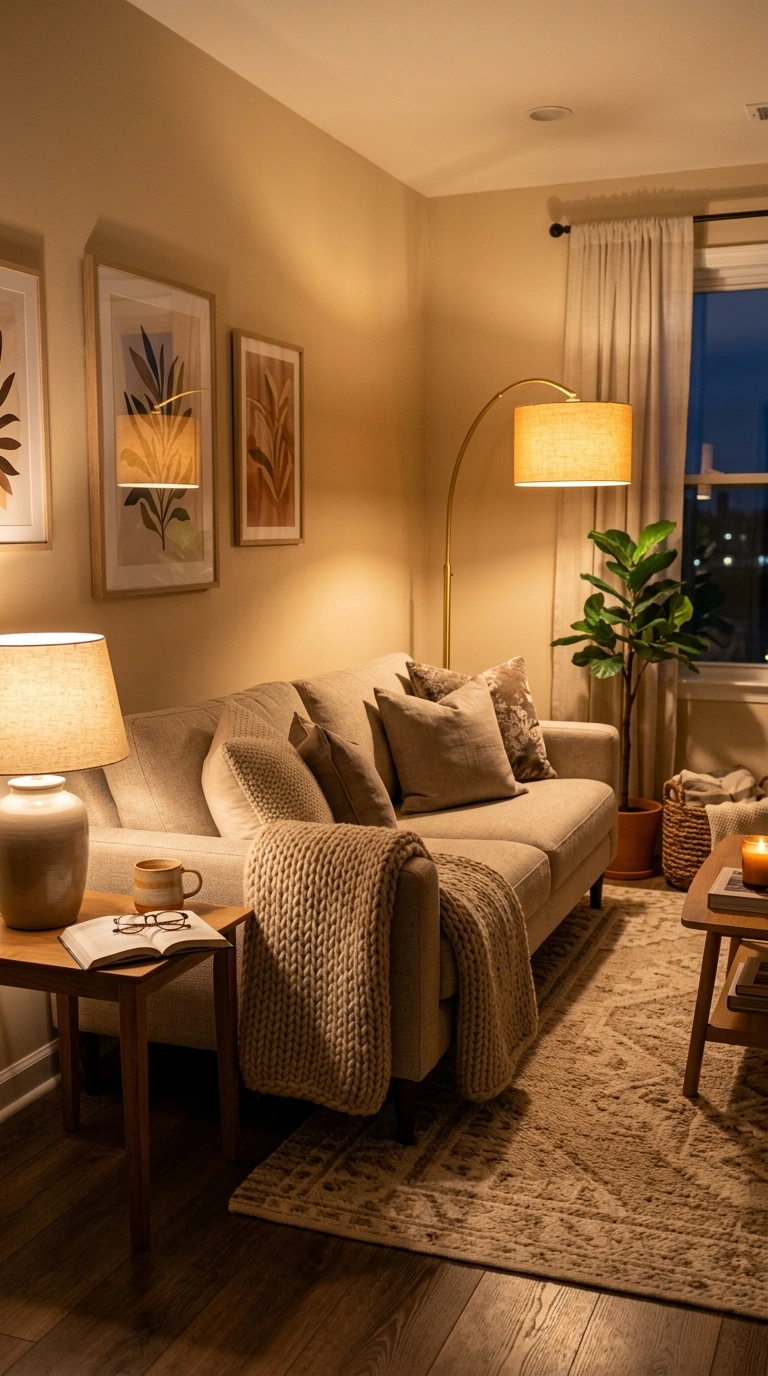
Warm, soft lighting throughout a beige living room makes the entire color palette feel cozy rather than washed out or flat, which can happen under harsh overhead lighting. Use a mix of floor lamps, table lamps, and even a dimmer on any overhead fixtures, choosing bulbs with a warm color temperature rather than a cool, bright white one that can make beige tones look grey and lifeless.
Layer the lighting at different heights around the room, such as a floor lamp in one corner and a table lamp on a side table across from it, rather than relying on a single central light source. This creates soft pools of light throughout the room in the evening, which enhances the natural warmth of beige furniture, rugs, and walls far better than one bright overhead light ever could.
Beige is not boring once you start layering texture, wood tones, and warm lighting into the mix. Pick a handful of these ideas that fit your current furniture and build from there over time. A neutral living room, done well, ends up being the easiest room in the house to live in and to love.