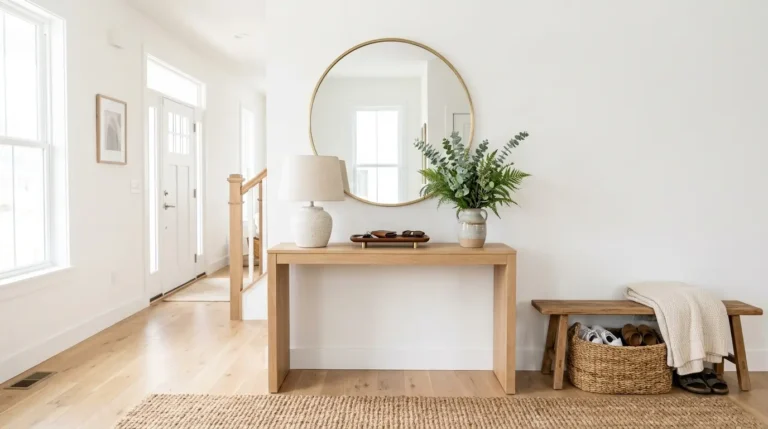
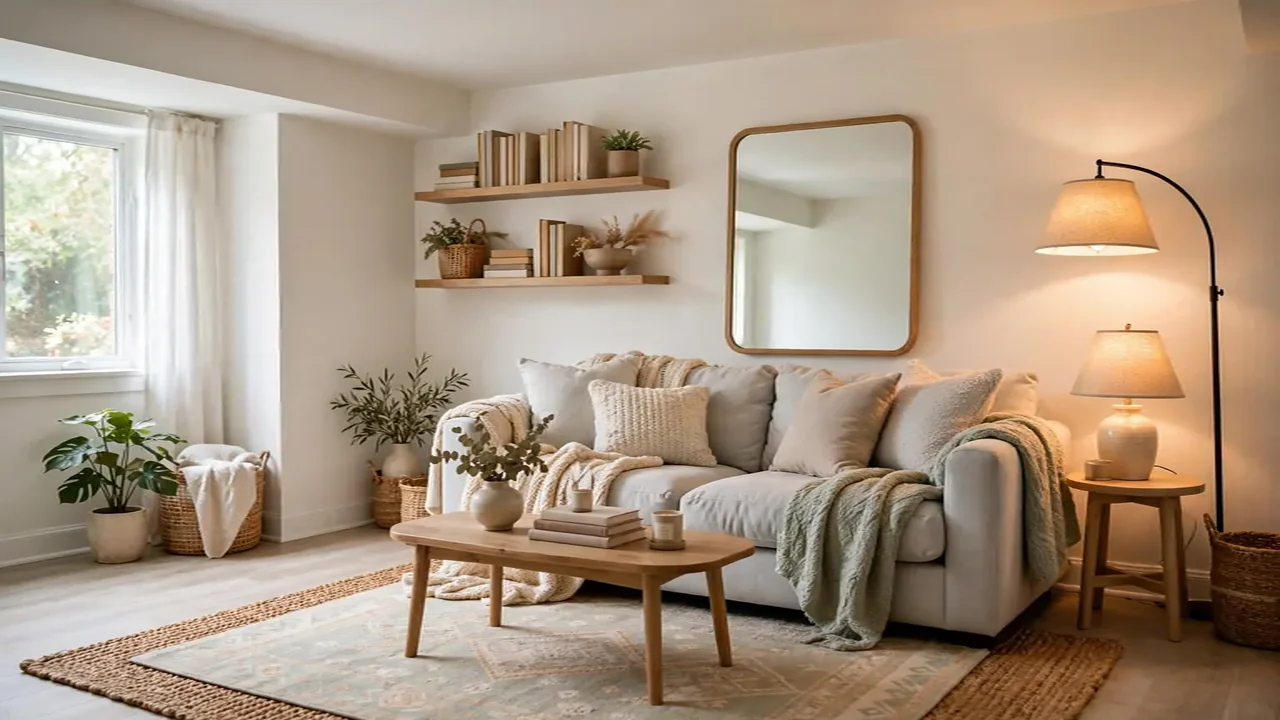
19 Small Basement Ideas to Make the Most of Any Space
A small basement can become one of the best rooms in your home when you plan it well. The secret is simple: add plenty of light, keep furniture flexible, and give every corner a clear job. With the right paint, lighting, and layout, even a low, narrow basement can feel open, cozy, and genuinely useful instead of dark and forgotten.
Most basements suffer from the same three problems: not enough light, a cold or damp feel, and the habit of becoming a dumping ground for boxes. The ideas below tackle all three. You will find ways to brighten the space, warm it up, and turn it into something your family actually uses, whether that is a guest room, a home office, a play zone, or a little of everything at once. None of these ideas need a full renovation. Many of them are weekend projects you can do with basic tools and a trip to the hardware store.
Before you start, take an honest look at your space. Note where the natural light comes from, which walls stay cold, and where the pipes, water heater, or electrical panel live, since those spots will shape your layout. Then pick the ideas that fit your life. A family with small kids will love the play zone and reading nook. A couple who works from home will get more from the office nook and guest sleeping area. Let us make your basement earn its keep.
1. Paint the Walls a Warm White
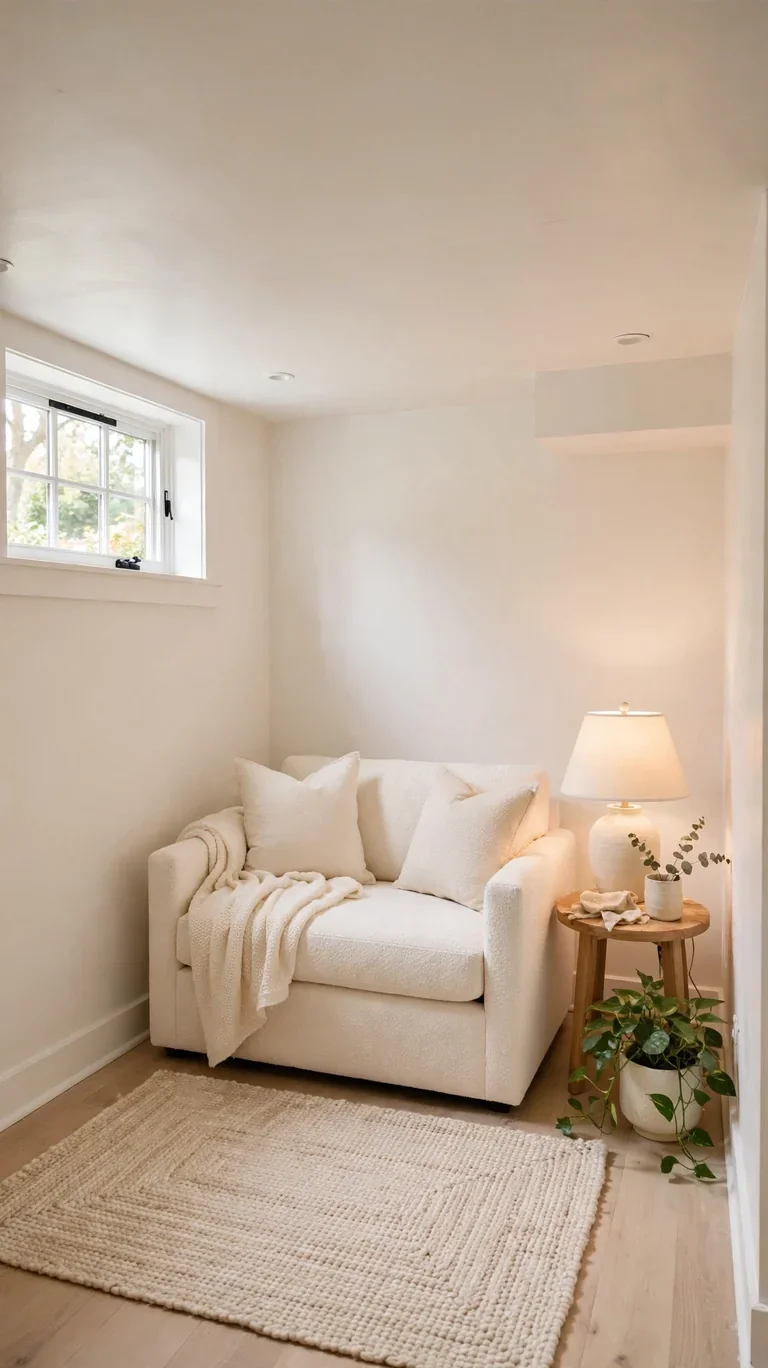
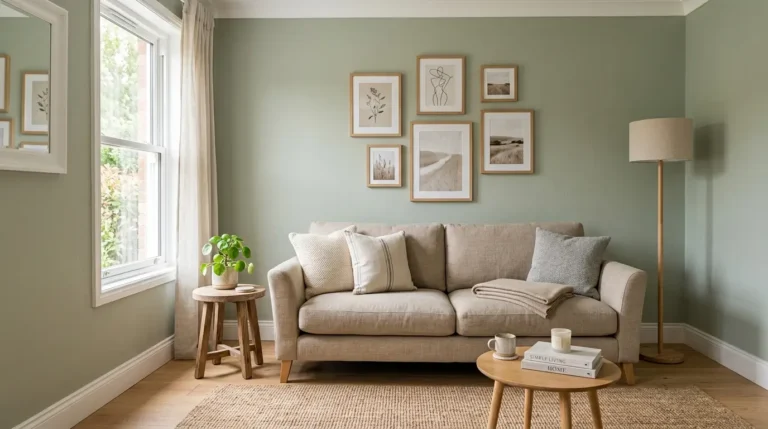
Light paint is the single fastest way to make a small basement feel bigger. A warm white bounces whatever light you have, natural or artificial, around the room instead of soaking it up. Choose a white with a soft warm undertone so the space feels cozy rather than stark, and paint the ceiling the same color to make it feel a little higher.
Do not stop at the walls. If you have exposed ceiling joists, painting them white too can make the whole room feel taller and much less cave-like. Use a durable eggshell or satin finish so the walls wipe clean easily, which matters in a space that tends to collect dust. Two coats are usually enough, and the change is dramatic the moment the second coat dries.
2. Layer Rugs to Define Zones
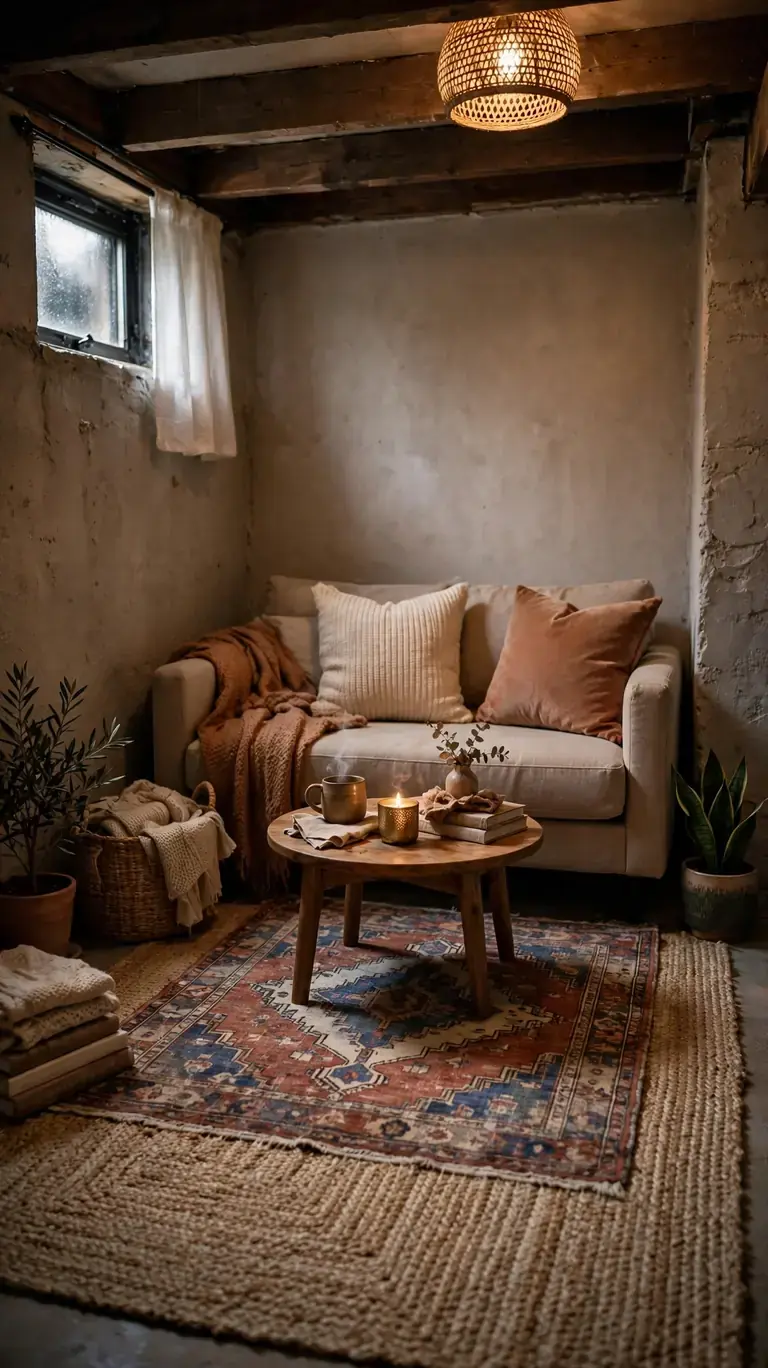
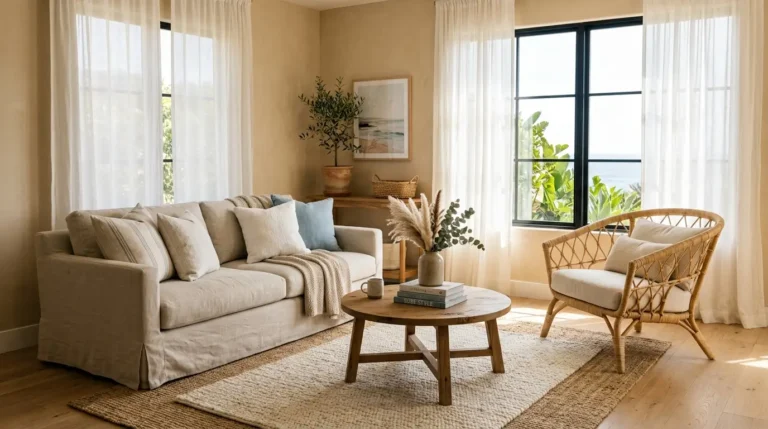
In one open basement, rugs are the easiest way to carve out separate areas without building walls. Place a large rug under your seating area, a runner along a walkway, and a small round rug in a reading corner. Each rug tells your eye that this spot has its own purpose, which makes the whole space feel organized instead of random.
Rugs also solve the cold-floor problem that makes basements feel unwelcoming. A thick rug with a good pad under it keeps feet warm and softens echo, which is a big deal in rooms with concrete or tile floors. Pick flatweave or low-pile rugs in high-traffic spots so doors and drawers clear them, and save the plush, deep-pile rug for the spot where you will sit or stretch out.
3. Swap Dim Bulbs for Layered Lighting
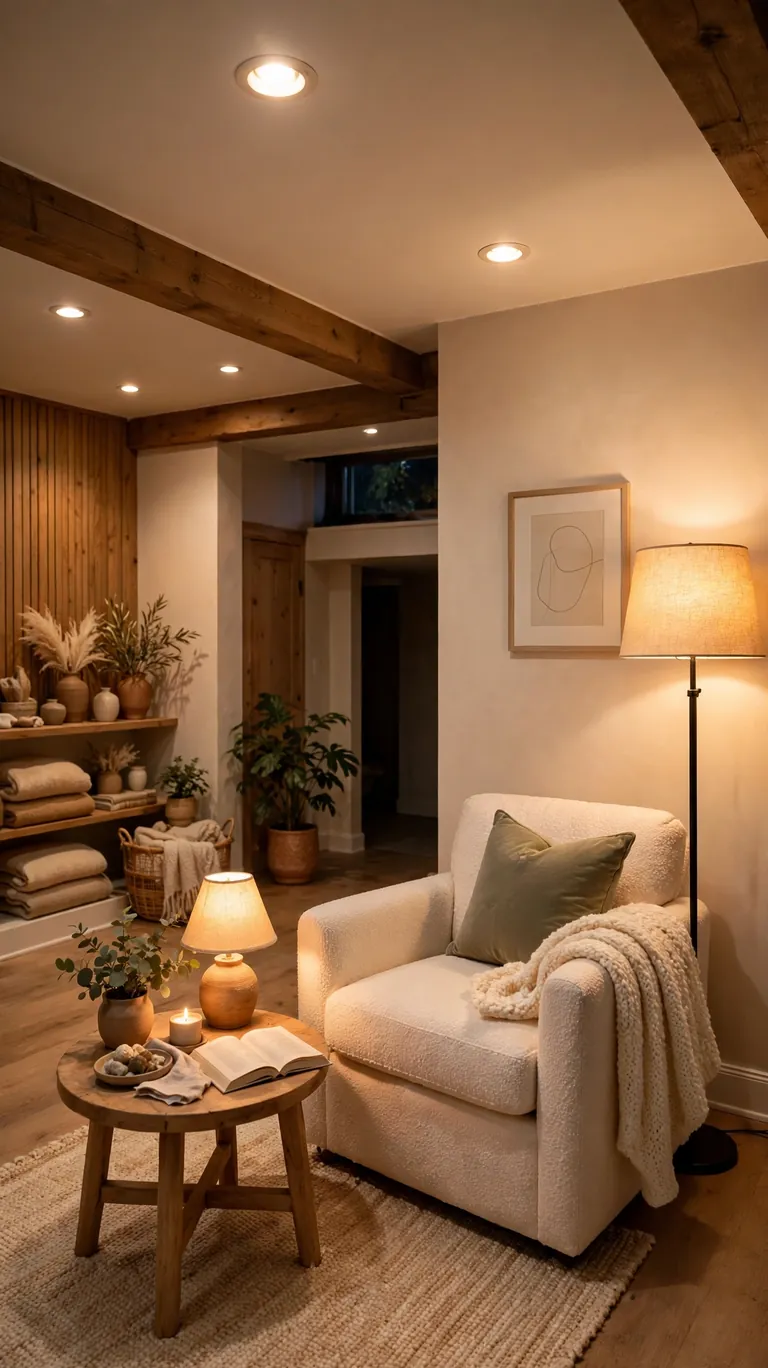
Basements usually have one sad overhead light doing all the work. Replace it with layers: bright ceiling lights for general brightness, plus floor lamps, table lamps, and wall sconces for warmth. When every corner has its own light source, the room feels much larger because your eye can actually see the walls.
Go for daylight-temperature bulbs in work zones like a desk or laundry area, and warmer bulbs where you relax. If your ceiling is low, recessed or flush-mount fixtures keep headroom clear, while a plug-in wall sconce beside a reading chair adds charm without any wiring. Put the main lights on a dimmer if you can, so the same room can be bright for chores and soft for movie night.
4. Choose Furniture That Does Double Duty
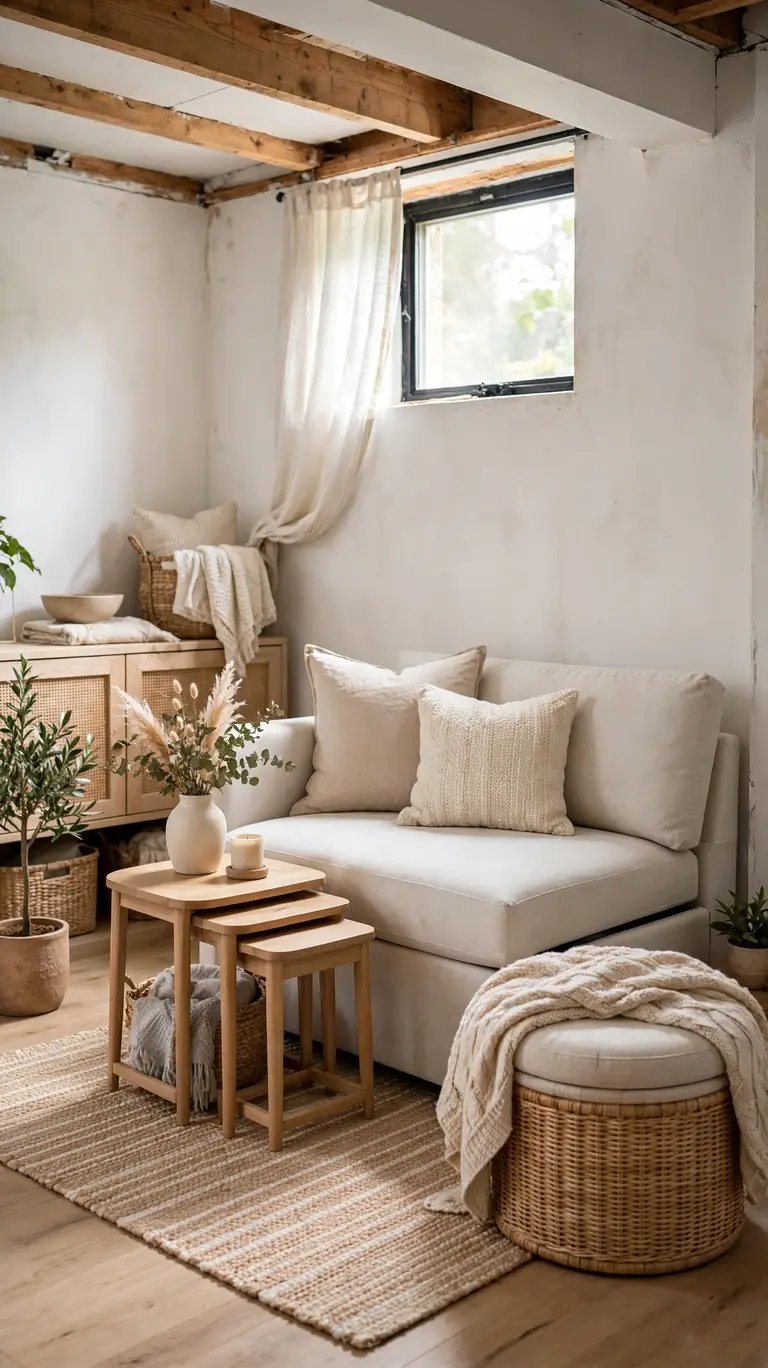
In a small basement, every piece of furniture should earn its footprint. A sleeper sofa gives you a living room by day and a guest bed by night. A storage ottoman holds blankets and board games while working as extra seating. A folding desk can disappear against the wall when the workday ends.
Measure carefully before you buy, and favor pieces with legs you can see under, since visible floor space tricks the eye into reading the room as bigger. Nesting side tables are another quiet hero: pull them out when you need surfaces, tuck them away when you do not. If you are working with a tight budget, start with one hardworking piece and build around it.
5. Take Storage Up the Walls
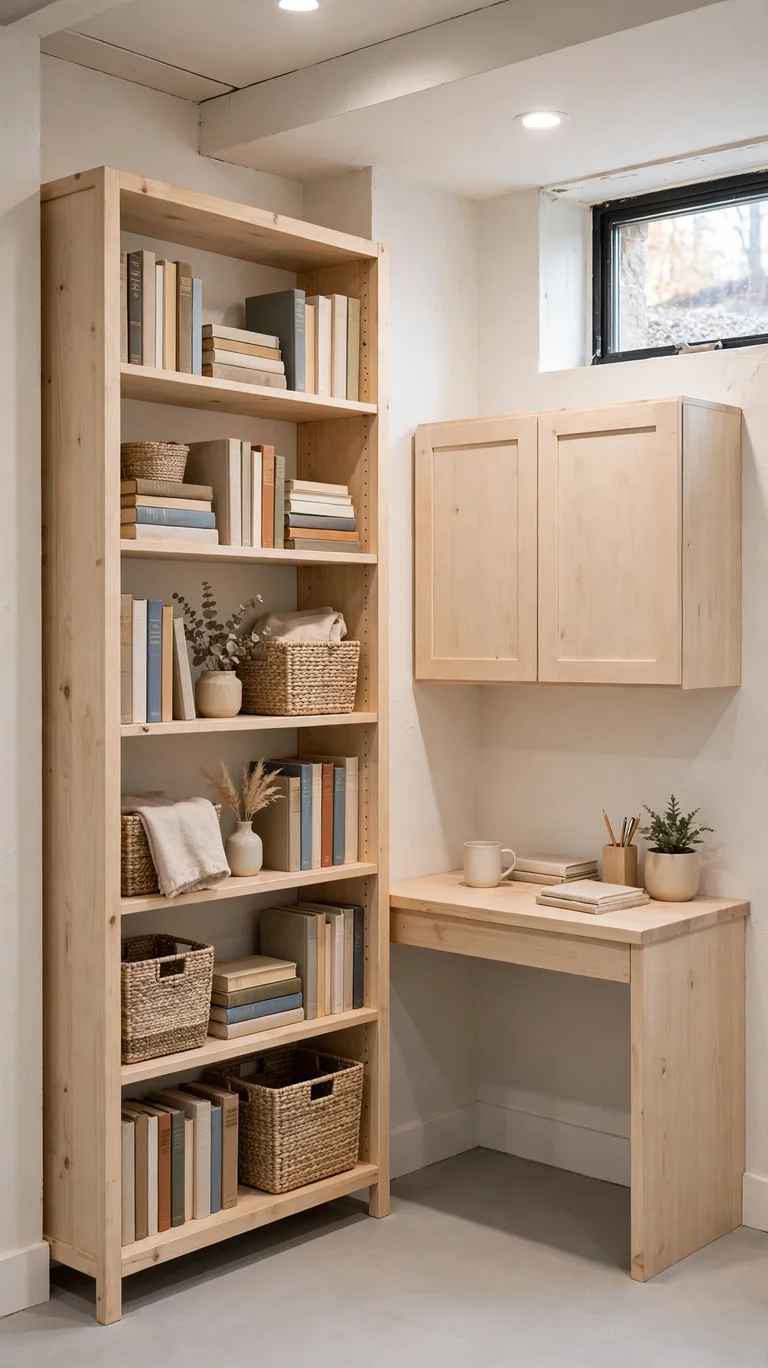
Floor space is precious in a small basement, so store upward. Tall bookcases, wall-mounted cabinets, and high shelves keep your belongings off the floor and make the walls work harder. Anchor tall furniture to the wall for safety, especially in a home with kids.
Use the awkward spots too. The wall above a desk, the space beside the stairs, and the strip over a door can all hold a shelf. Closed cabinets are best for the things you do not want to look at, like cleaning supplies and paperwork, while open shelves can show off books, plants, and pretty baskets. Label the baskets so the system stays tidy without constant effort.
6. Hang Mirrors to Bounce the Light Around
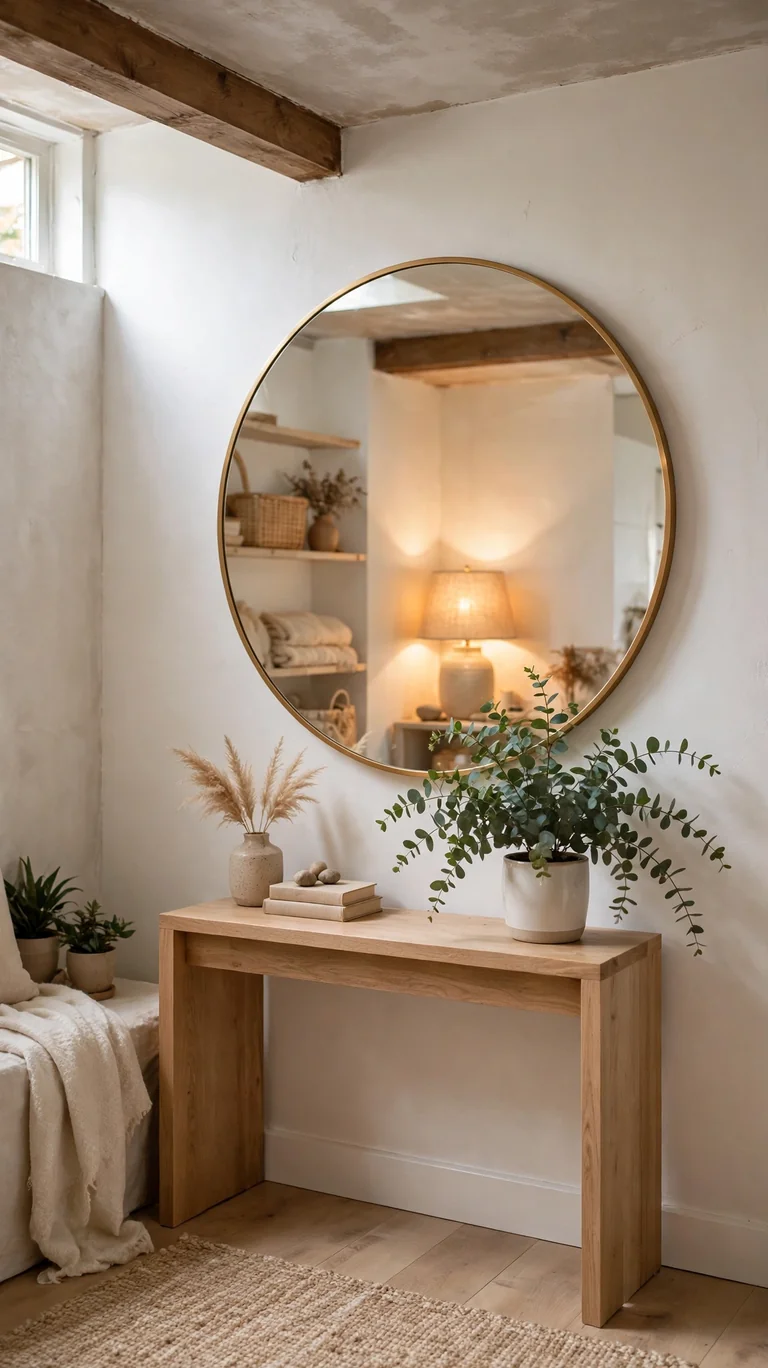
Mirrors are a small basement’s best friend. A large mirror opposite a window doubles the natural light, and even a mirror near a lamp will scatter its glow into dark corners. The reflection also gives the illusion of more depth, which helps low ceilings feel less pressing.
You do not need one giant expensive mirror. A cluster of smaller mirrors on one wall can look intentional and stylish while doing the same job. Lean a full-length mirror against the wall in a dressing or workout corner, and hang a round mirror over a console or desk. Just keep mirrors away from spots where they will reflect clutter, since they double whatever they face.
7. Brighten Up the Flooring
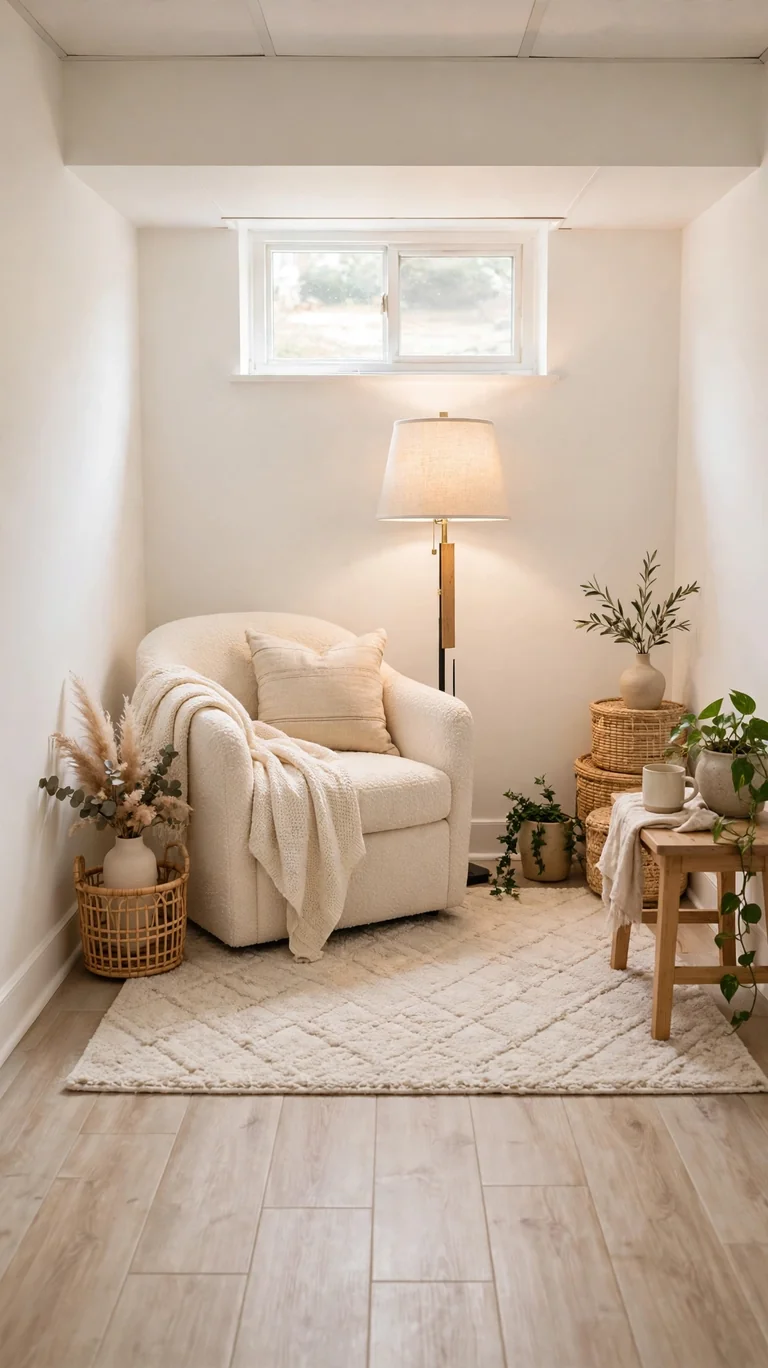
Dark floors drag a basement down, so if your flooring is gloomy, lighten it. Light-colored vinyl plank, laminate, or painted concrete can transform the room for a fraction of what new hardwood would cost. Vinyl plank is a smart basement pick because it handles moisture better than real wood.
If replacing the floor is not in the cards right now, a big light-toned area rug over the existing floor gets you most of the effect. Choose a rug with a subtle pattern rather than pure white, since basements see muddy shoes and pet paws. Either way, a lighter floor underfoot makes the whole room read as cleaner and more spacious.
8. Curtain Off the Utility and Storage Zones
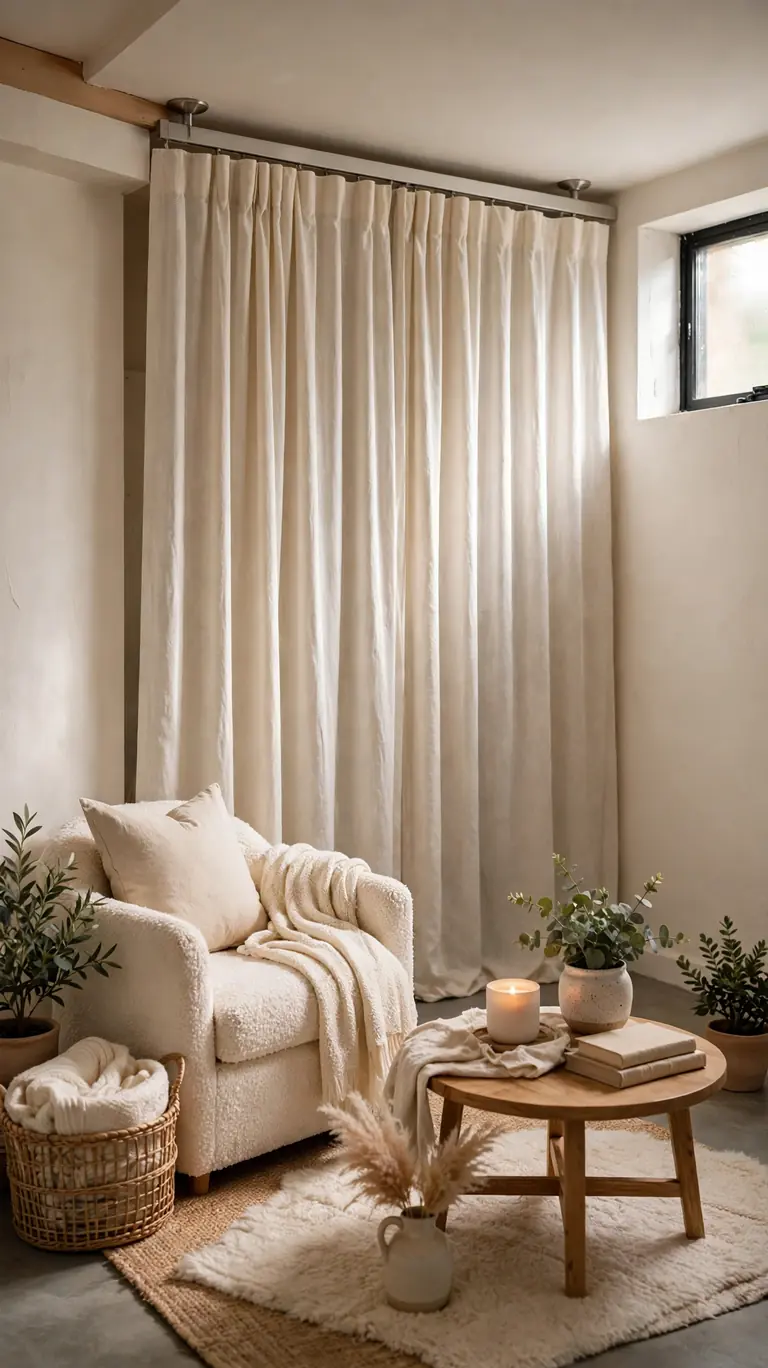
Nobody wants to look at the water heater while watching a movie. A simple ceiling-mounted curtain track with heavy drapes can hide the furnace, laundry machines, or storage shelves in seconds, and you can pull the curtains back when you need access. It is far cheaper and faster than building a wall.
Choose curtains in a color close to your wall paint so the divider blends in instead of shouting for attention. For a softer look, use the same trick to create a dressing area around a guest bed or to separate a noisy play zone from a quiet reading corner. Curtains give you flexible rooms that change with your needs.
9. Build a Cozy Home Theater Corner
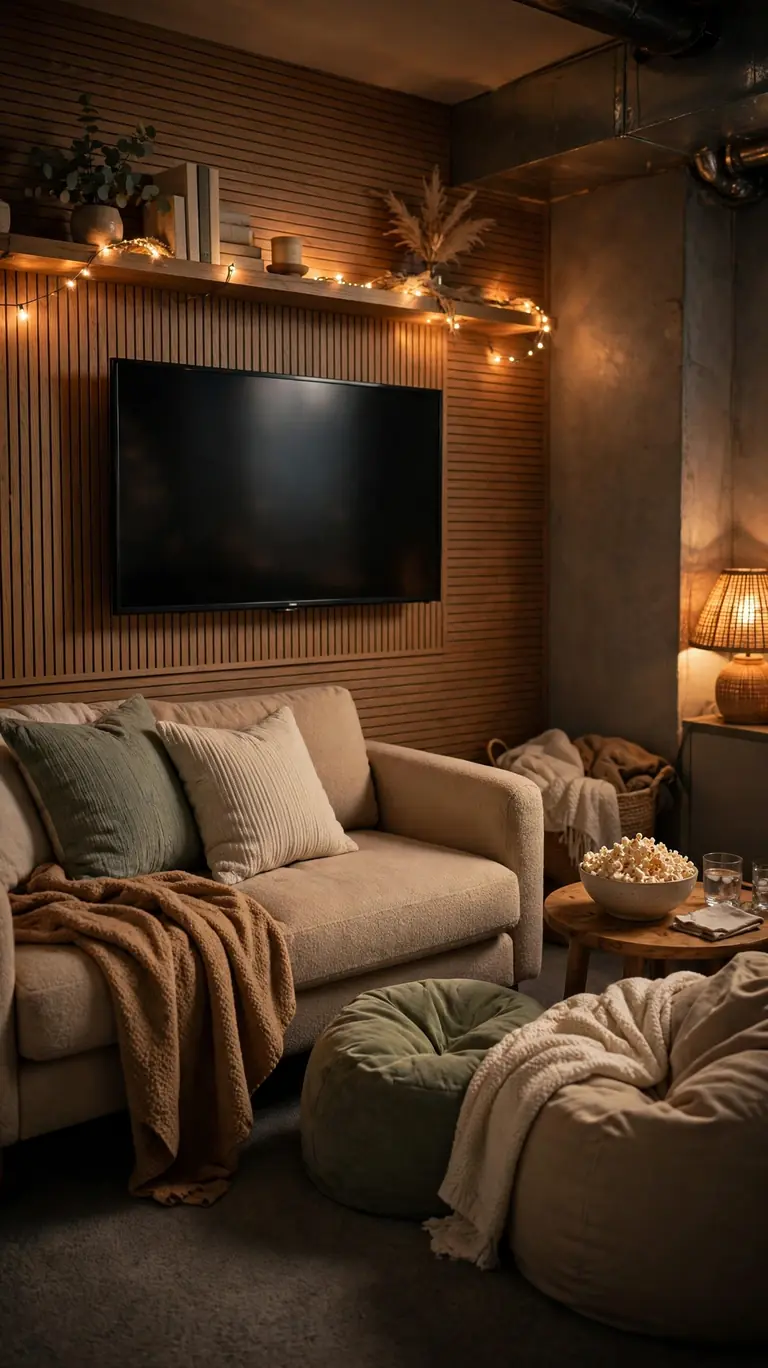
Basements are naturally dark, which makes them perfect for movie nights. You do not need a projector and surround sound to start. A comfortable sofa or a couple of bean bags, a decent-sized TV, and a soft throw blanket are enough to make a corner feel like a little cinema.
Push the seating a bit farther from the screen than you think you need, and add a small side table for popcorn and drinks. Dimmable lamps or a string of warm fairy lights along a shelf give you that theater glow without harsh overhead light. Keep a basket nearby for remotes and controllers so the corner stays tidy between movie nights.
10. Tuck a Reading Nook Under the Stairs
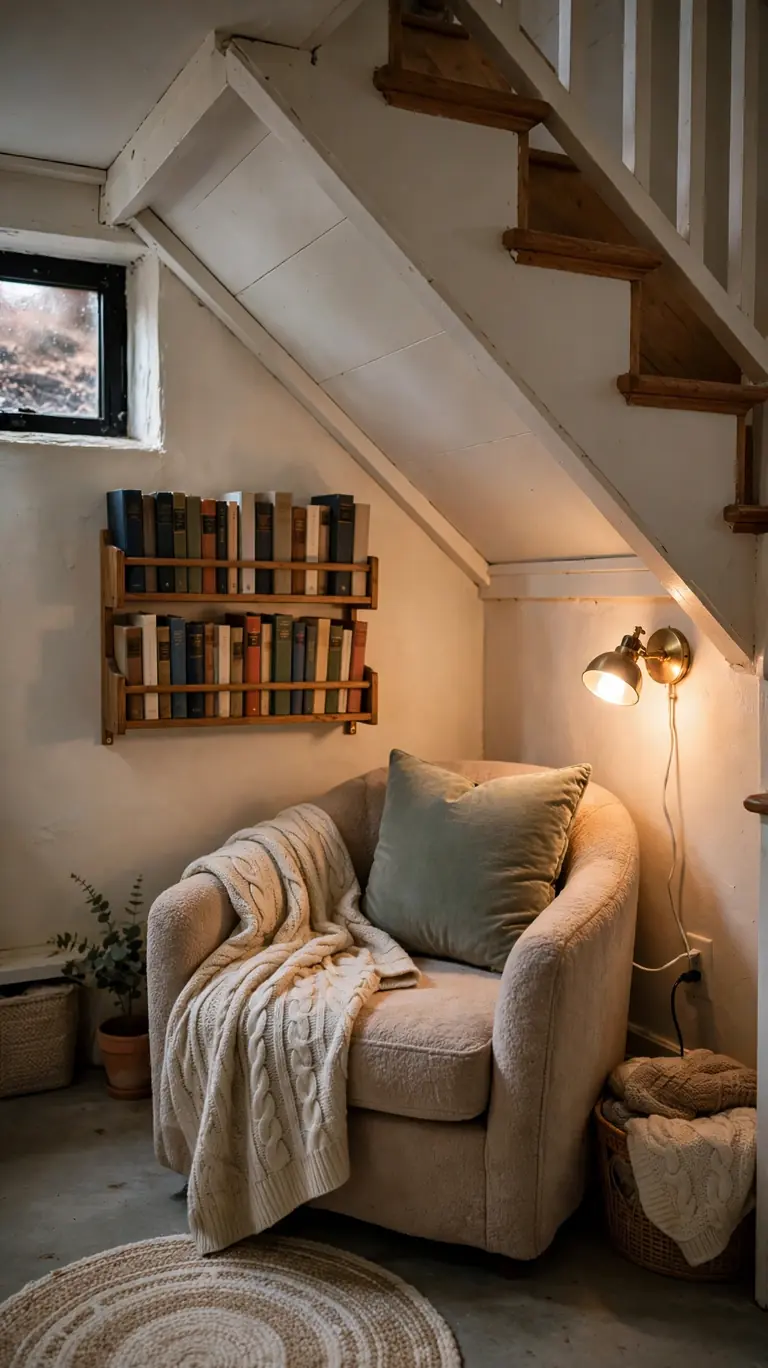
The space under the stairs is often wasted, but it is ideal for a reading nook. Slide in a comfortable armchair or a pile of floor cushions, add a small bookshelf or a wall-mounted book rack, and hang a plug-in reading light. Suddenly the most awkward corner of the basement is everyone’s favorite spot.
Make it extra inviting with a soft throw and a small rug underfoot. If the nook is deep, paint the inside walls a slightly richer color than the rest of the room so it feels like a cozy hideaway rather than a leftover gap. Kids especially love a nook that feels like it was made just for them.
11. Carve Out a Compact Home Office Nook
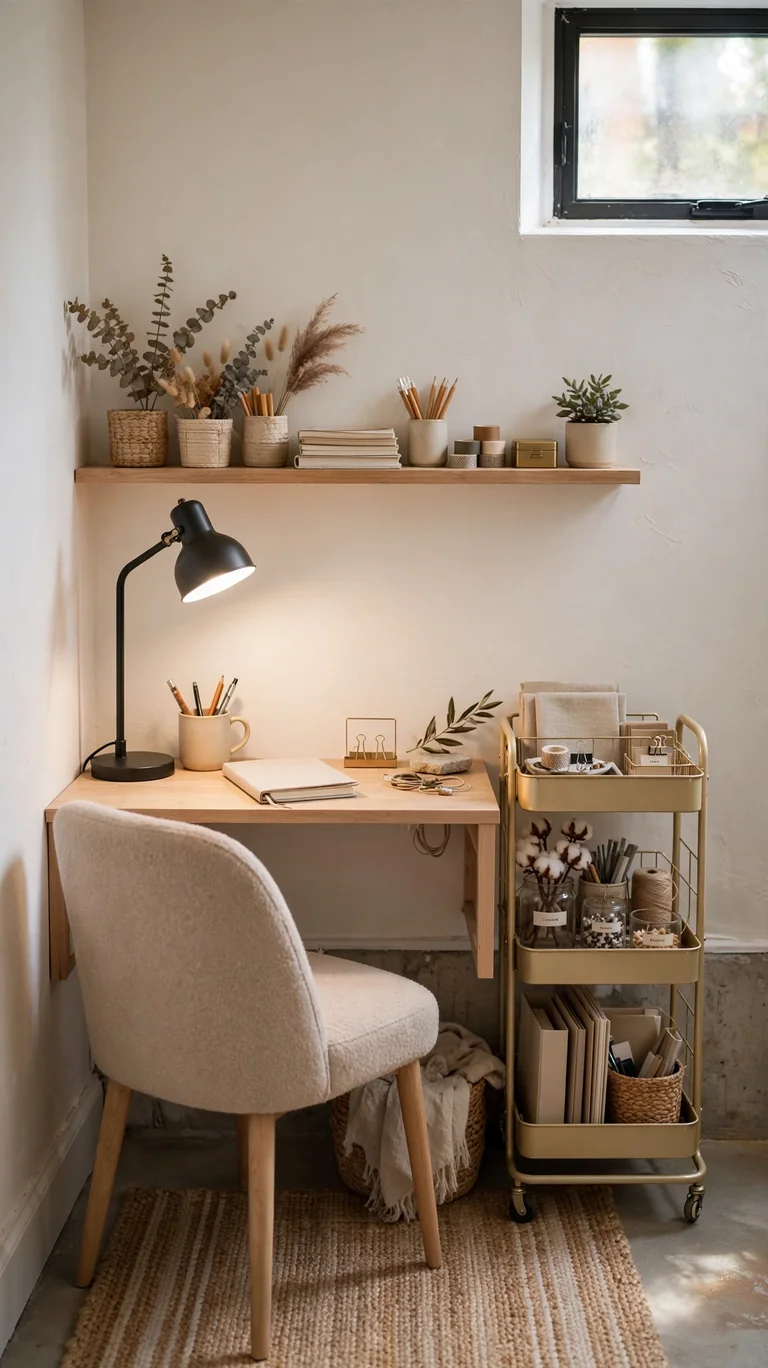
A small basement can hold a perfectly good workspace in just a few square feet. A narrow desk against a wall, a comfortable chair, and a good task lamp are the essentials. Face the desk toward the room rather than the wall if you can, since looking into open space feels less cramped during long work sessions.
Keep office clutter contained with a small set of drawers or a rolling cart that slides under the desk. A daylight-temperature bulb in your task lamp helps you stay alert, and a pair of noise-reducing headphones can make the basement office surprisingly peaceful. When the workday ends, close the laptop and let the nook fade back into the living space.
12. Create a Kids’ Play Zone
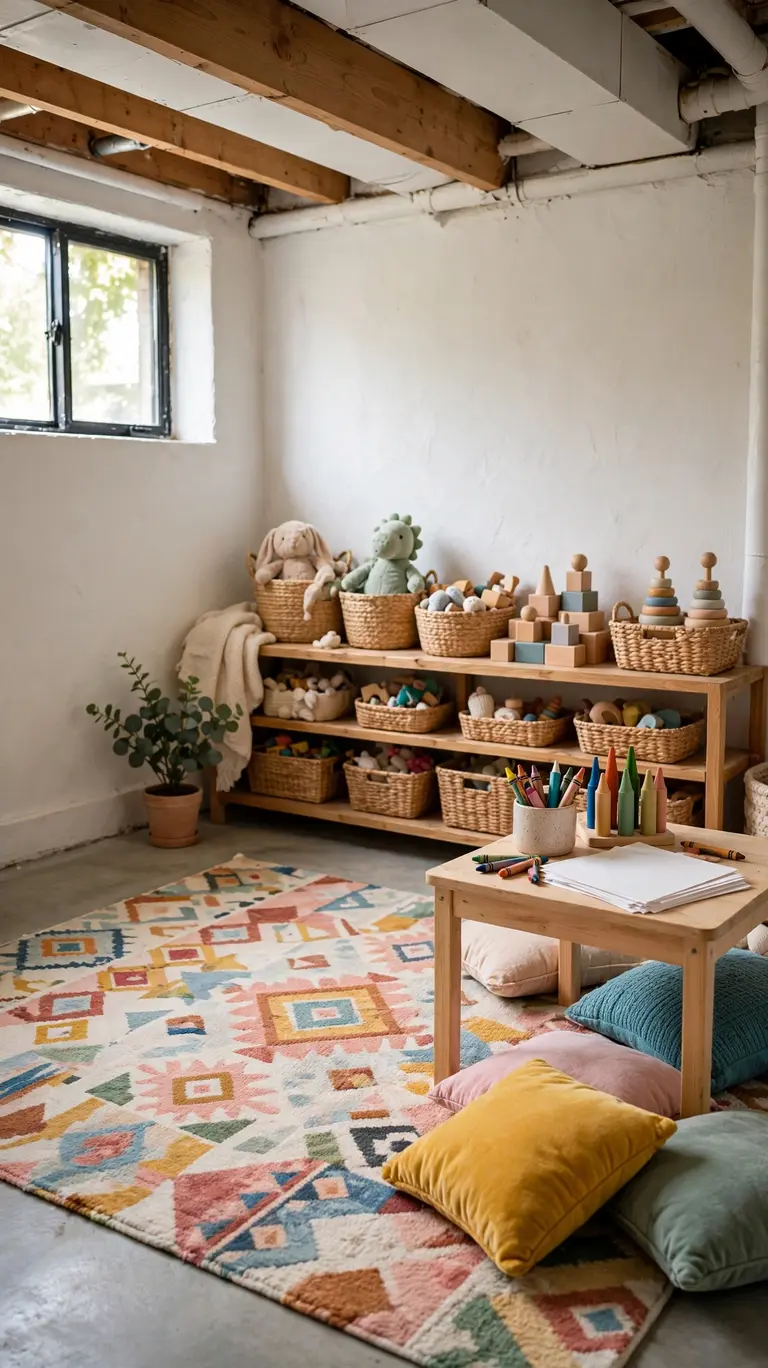
Give the kids their own corner and the rest of the basement stays calm. A washable rug, low open shelves for toys, and a small table for crafts or puzzles are all you need. Low storage the kids can reach themselves means they can actually help with cleanup.
Keep the play zone cheerful with a few bright cushions or a fun wall decal, but resist the urge to fill every inch. Open floor space is what kids use most, for building, tumbling, and sprawling. A curtain or a low bookshelf can separate the play area from the grown-up zones without closing it off completely.
13. Set Up a Comfortable Guest Sleeping Area
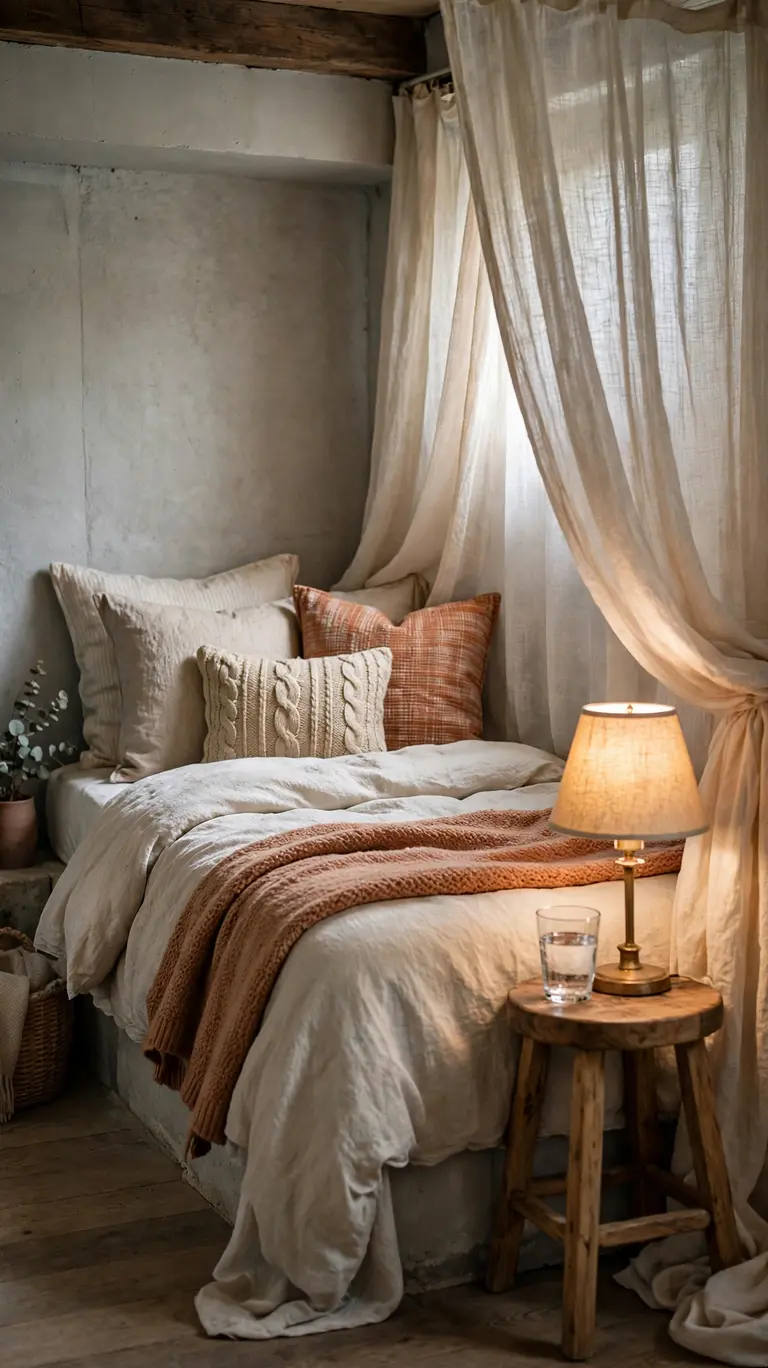
A small basement makes a great guest space if you plan for comfort. A sleeper sofa, a daybed, or a good air mattress on a low platform all work. What matters most is making guests feel welcome: real bedding, a couple of pillows with different firmness, and a warm blanket.
Add the small touches that matter. A nightstand or small stool for a phone and a glass of water, a reading lamp, and a power strip for chargers go a long way. If there is no closet, a simple garment rack and a few hangers handle a weekend bag just fine. A curtain around the sleeping area gives guests privacy without any construction.
14. Dedicate a Corner to Workouts
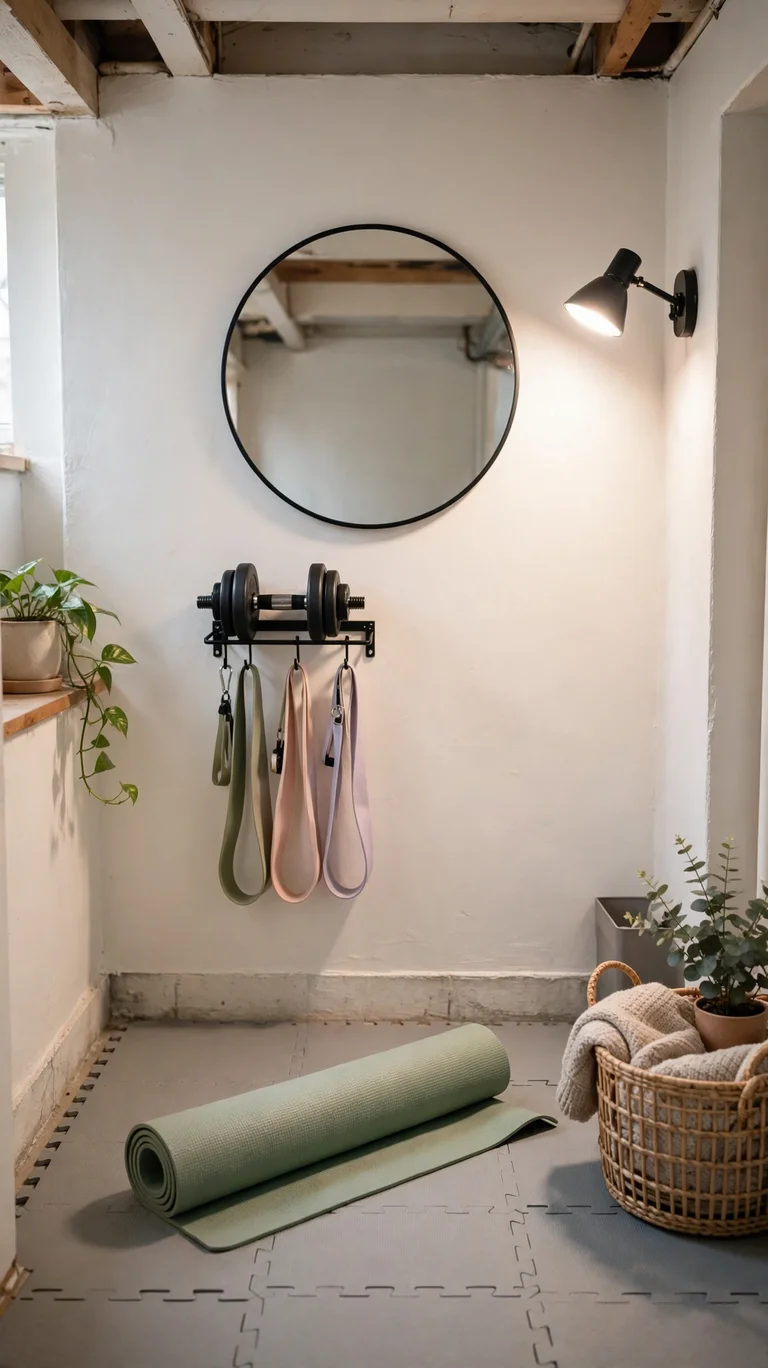
You do not need a full gym to exercise at home. A corner with a yoga mat, a set of dumbbells or resistance bands, and a mirror on the wall is enough for most routines. The mirror helps you check your form, and it makes the corner feel like a real workout space.
Keep the floor comfortable and safe with interlocking foam tiles or a thick exercise mat, which also protect the floor underneath. Store the gear in a basket or on a wall rack so the corner can double as open space when you are not working out. A small speaker or an old tablet for workout videos completes the setup without taking any extra room.
15. Upgrade the Laundry Station
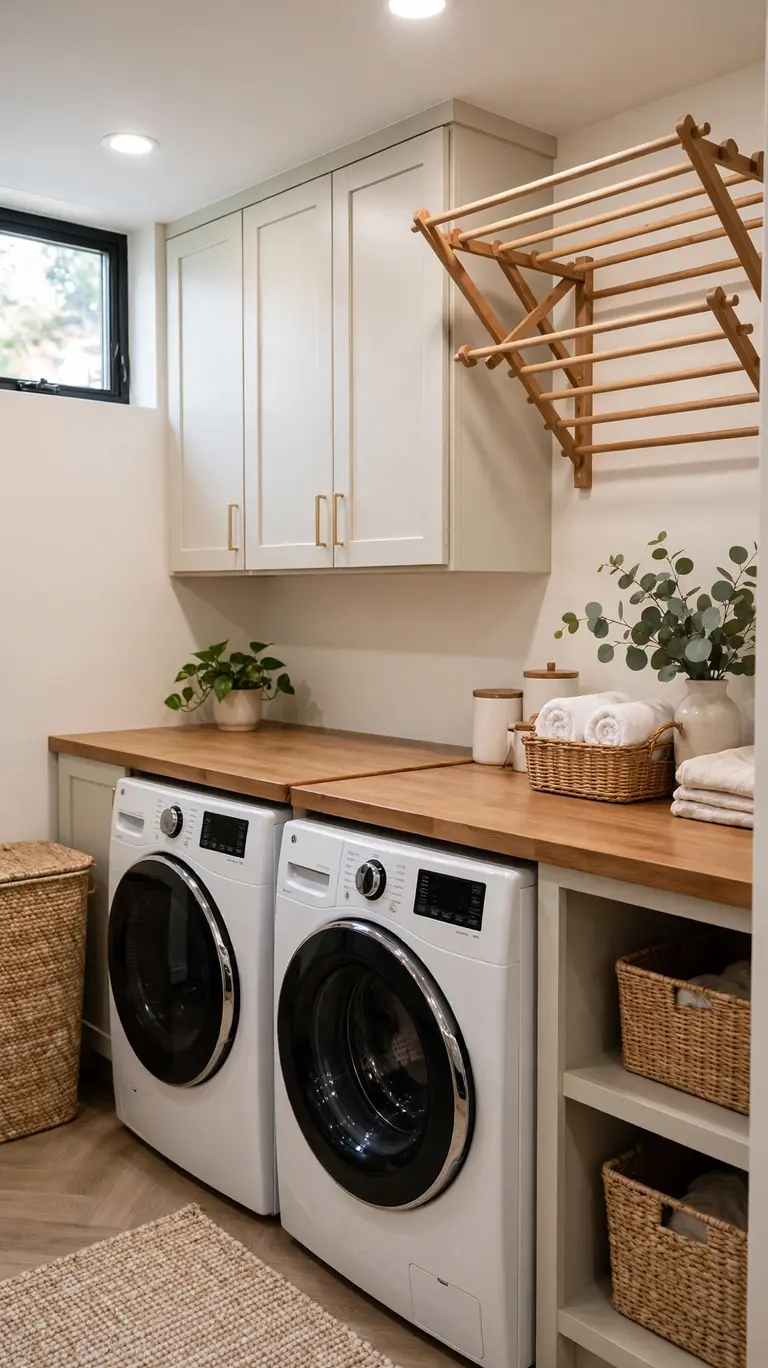
If your washer and dryer live in the basement, make that corner pleasant instead of dreary. A countertop over front-loading machines gives you folding space, a wall-mounted drying rack handles delicates, and a few closed cabinets hide detergent and supplies. Good lighting here is a must, since you are sorting colors and reading care labels.
Add a small hanging rod for shirts that need air-drying, and keep a labeled bin for single socks and mending. If the laundry corner is part of a larger room, a curtain on a track can hide it when guests come over. A cheerful paint color or a fun rug underfoot makes the chore itself feel a little lighter.
16. Add a Coffee Bar or Drink Station
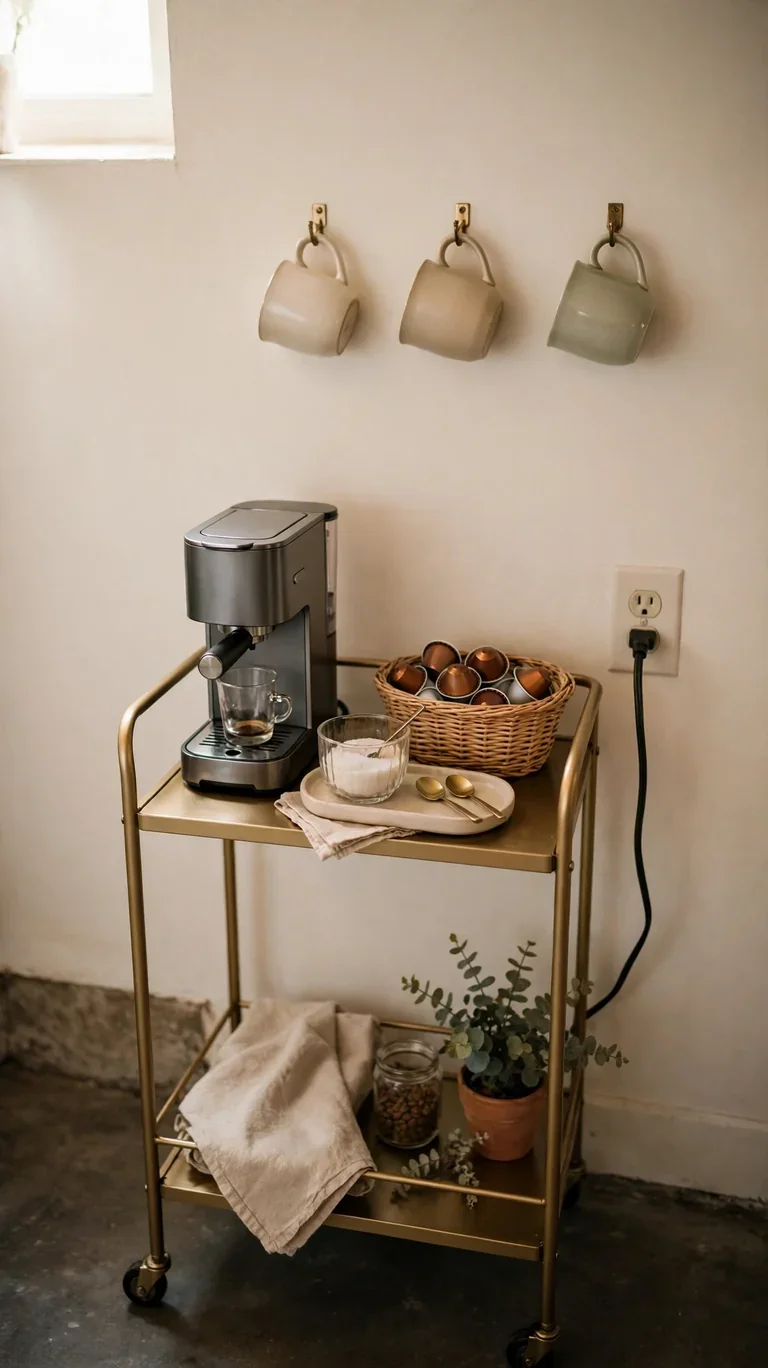
A small bar cart or a narrow console can turn an unused wall into a coffee bar, tea station, or evening drink spot. A compact coffee maker or kettle, a few mugs on hooks, and a small tray for sugar and spoons are all it takes. It feels like a luxury, but it is one of the cheapest ideas on this list.
Keep it tidy with a small basket for pods or tea bags and a wipeable surface underneath everything. If you entertain downstairs, the same station can hold glasses and a small ice bucket in the evening. Choose a spot near an outlet and, if possible, near the laundry sink or a bathroom for easy water access.
17. Style Floating Shelves for Personality
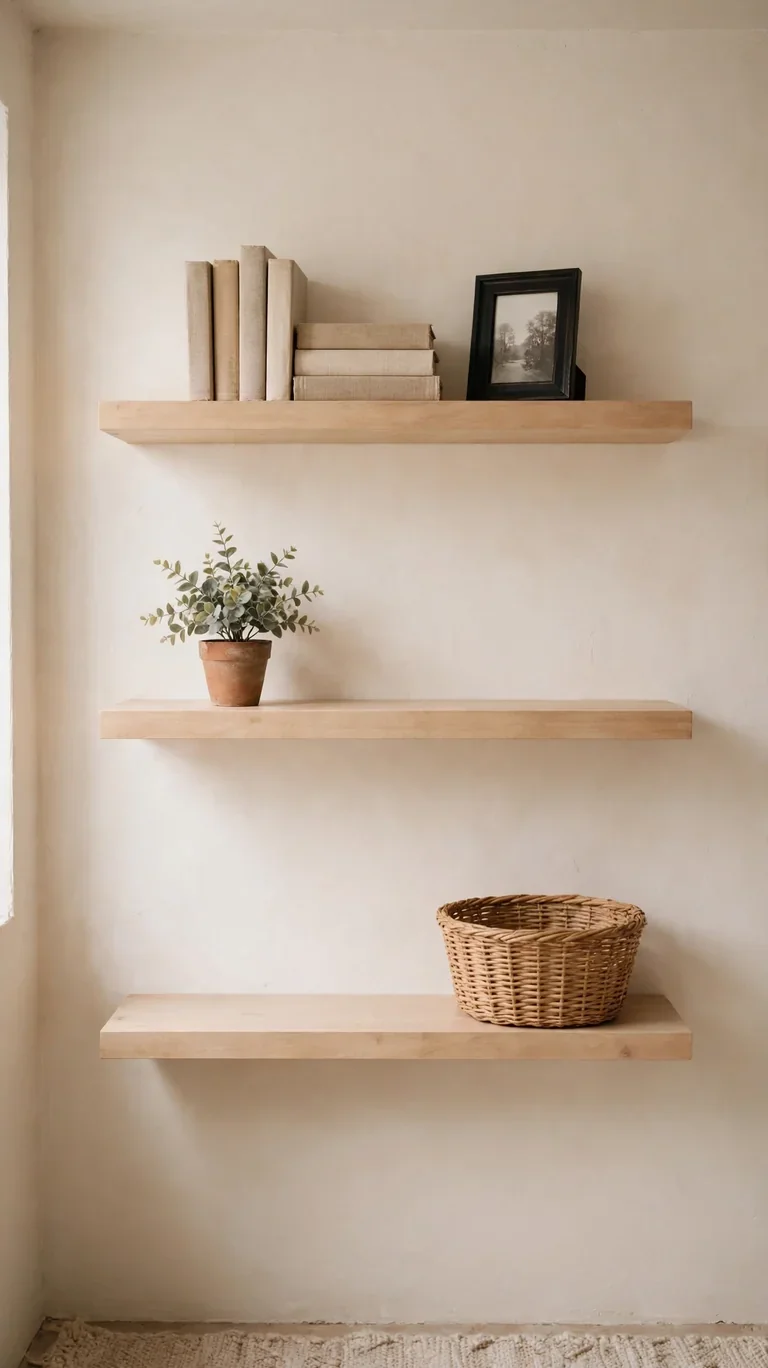
Bare basement walls can feel cold, but floating shelves add warmth and personality without eating floor space. Use them for books, framed photos, small plants, and a few decorative objects that make the room feel like yours. Two or three shelves grouped together look more intentional than one lonely shelf.
Keep the styling simple and leave some breathing room on each shelf, since crowded shelves in a small room feel cluttered fast. Mix practical and pretty: a shelf can hold both your favorite novels and a small basket for remotes. In a basement, choose faux plants or low-light-tolerant real ones if natural light is limited.
18. Keep the Air Fresh and Dry
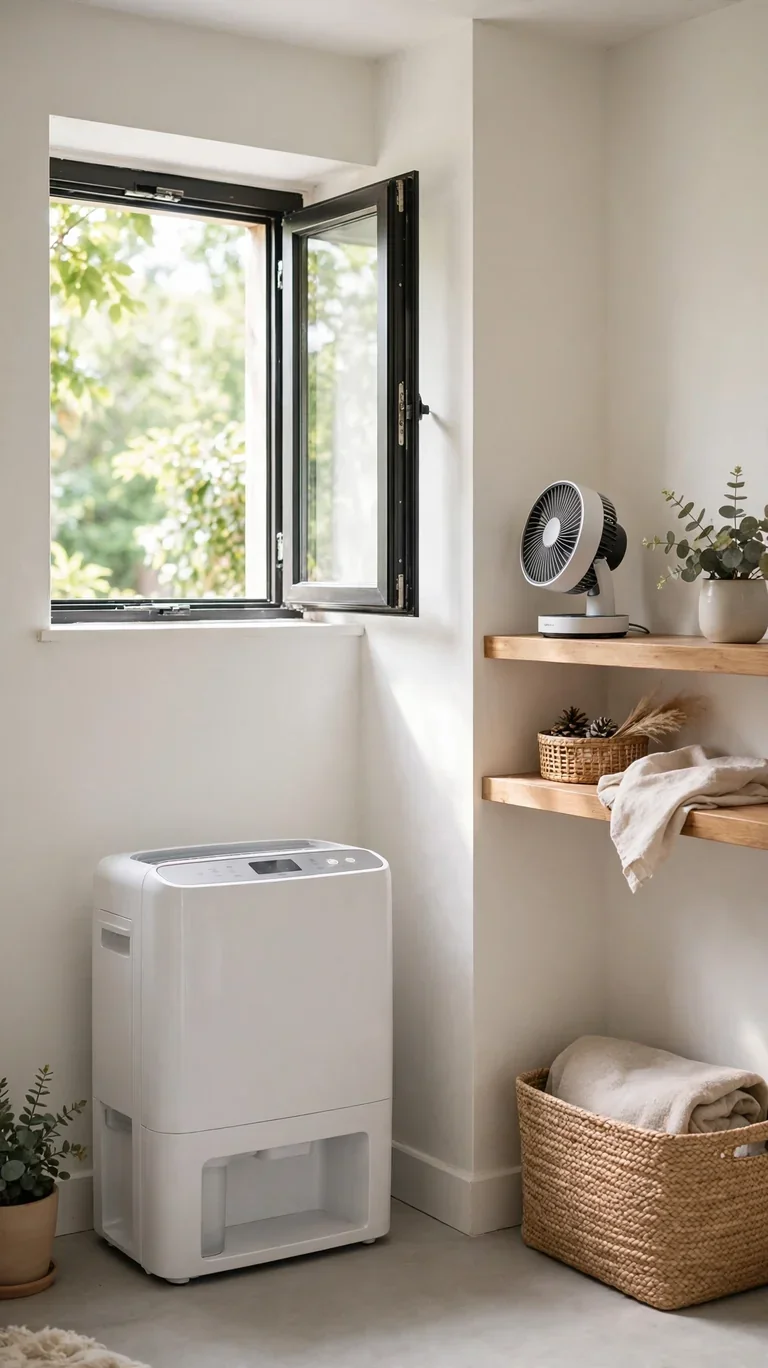
Basements feel better when the air is fresh. A dehumidifier is one of the most worthwhile basement purchases, since it keeps dampness and musty smells under control. Empty it regularly or set it up to drain into a sink or floor drain if yours allows that option.
Improve airflow with the rest of your routine too. If you have small windows, open them when the weather allows. A quiet fan keeps air moving in corners where it tends to sit still. These small habits protect your furniture, your rugs, and your walls, and they make the basement smell like the rest of your house instead of like a basement.
19. Pile On Cozy Textiles
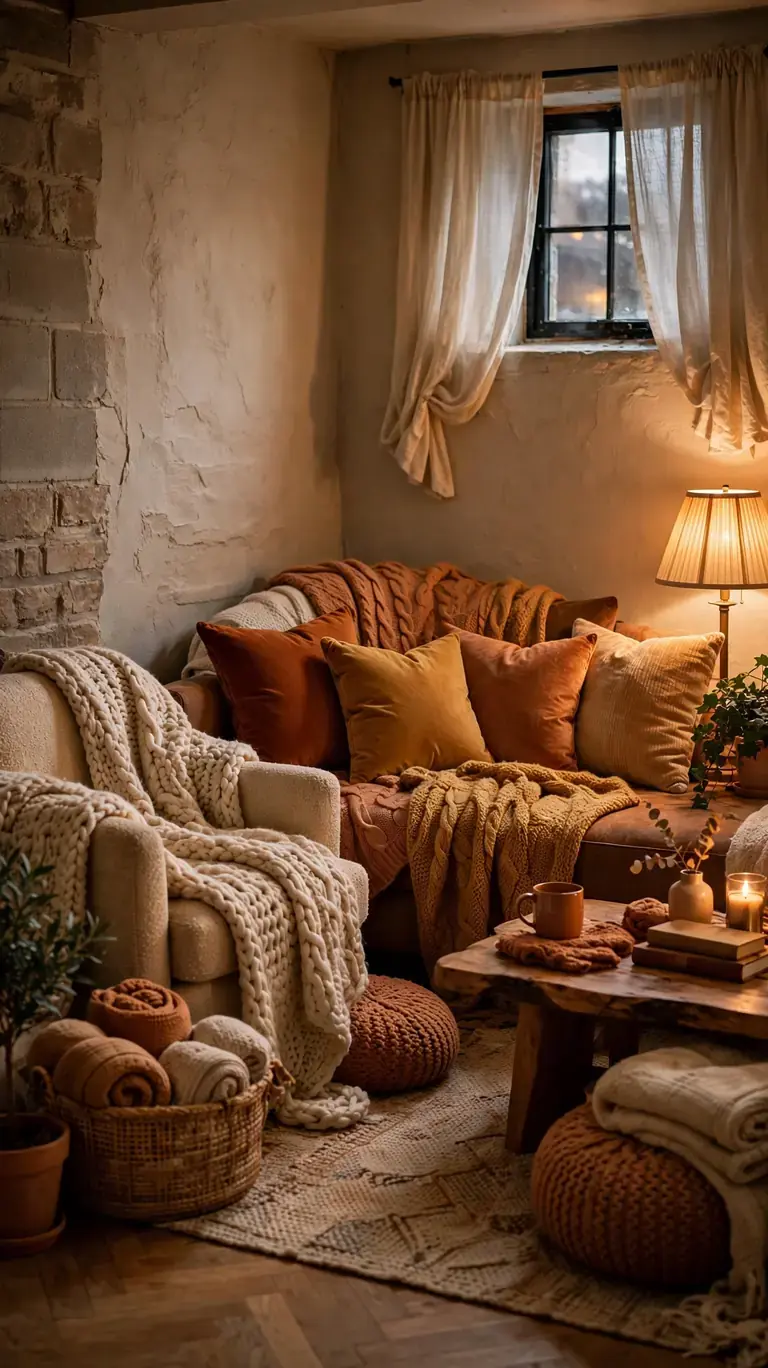
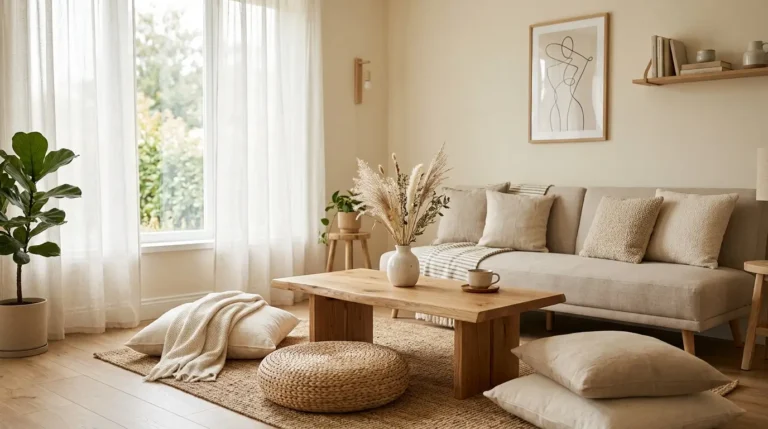
The final layer is softness. Basements can feel chilly and hard, so fight that with textiles: throw blankets on every seat, plush cushions in your favorite colors, and curtains on the windows even if they are small. Soft layers tell your brain the room is warm and welcoming.
Choose fabrics that feel good to touch, like knit throws, velvet cushions, or a chunky woven blanket. Washable covers are smart for anything that will see heavy use. When every chair invites you to curl up, the basement stops feeling like a basement and starts feeling like the coziest room in the house.
Frequently Asked Questions
How do I make a small basement feel bigger?
Light is everything. Paint walls and ceiling a warm white, add several light sources instead of relying on one overhead bulb, and hang mirrors to bounce light into dark corners. Keep furniture low and leggy so you can see floor underneath it, and use rugs to define zones instead of bulky dividers that chop up the space.
How do I keep a basement from feeling damp and cold?
A dehumidifier is the single most effective tool against basement dampness and musty smells. Layer rugs over hard floors, add plenty of soft textiles, and keep air moving with a fan or open windows when weather allows. If you notice persistent water stains or standing water, talk to a professional before decorating, since cosmetic fixes will not solve a real moisture problem.
Can I put a bedroom in a small basement?
You can create a comfortable guest sleeping area, but a legal bedroom usually needs an egress window or door for fire safety, and rules vary by location. Check your local building codes before calling it a bedroom. For occasional guests, a daybed or sleeper sofa with good bedding, a lamp, and a privacy curtain works beautifully without any code worries.
What flooring is best for a small basement?
Light-colored vinyl plank is a popular basement choice because it looks warm, handles moisture better than real wood, and comes in convincing wood looks. Sealed or painted concrete is a budget-friendly option that feels clean and modern with a big rug on top. Whatever you choose, lighter tones will make the space feel larger.
How much does it cost to finish decorating a small basement?
It depends entirely on what you already have and how much you do yourself. Paint, rugs, curtains, and lighting, the biggest visual changers on this list, can often be done for the price of a modest weekend project budget if you shop sales and secondhand. Furniture like a sleeper sofa or shelving adds more. Start with light and textiles, then add bigger pieces over time as your budget allows.
Conclusion
A small basement is not a limitation, it is an opportunity hiding under your house. With warm white paint, layered lighting, and smart zoning, you can turn that dark, underused space into a room your family fights over, whether it becomes a movie corner, a guest retreat, a home office, or a little bit of all three. The best part is that most of these ideas are simple weekend projects, not full renovations.
Start with the changes that make the biggest difference for the least effort. Paint the walls, bring in more light, and lay down rugs to warm up the floors. Then give every corner a job, so the basement stops being a storage afterthought and starts working as hard as the rest of your home. Pick the ideas that match your life, take it one weekend at a time, and do not be surprised when the basement becomes everyone’s favorite room.
Remember to work with your basement’s quirks instead of against them. Low ceilings love flush-mount lights and low furniture. Awkward corners love reading nooks and play zones. And that cool, quiet atmosphere that once made the basement feel forgotten is exactly what makes it perfect for movies, naps, and focused work. Your basement has been waiting for its moment, and now it finally gets one.