23 ADHD-Friendly Home Organization Ideas for a Calmer Space
ADHD-friendly home organization comes down to a few simple principles: make everything visible, give every item one clear home, reduce the number of steps it takes to put things away, and build routines that work on your worst days, not just your best ones. When your home is set up to work with the way your brain naturally operates, staying organized stops feeling like a constant battle and starts feeling manageable.
If you have ever bought a dozen matching storage boxes only to watch clutter pile up around them anyway, you are not broken and your home is not hopeless. Most traditional organizing advice assumes you will remember hidden systems, maintain complicated routines, and tidy on a strict schedule. That advice was written for brains that work differently than yours, and it is no wonder it never stuck.
The ideas below take a completely different approach. Every single one is designed around real life with ADHD: systems you can see, steps you can finish in minutes, and setups that forgive you when life gets messy. You do not need to do all 23. Start with the one that solves your biggest daily frustration, and let the calm build from there.
1. Create an Entryway Drop Zone
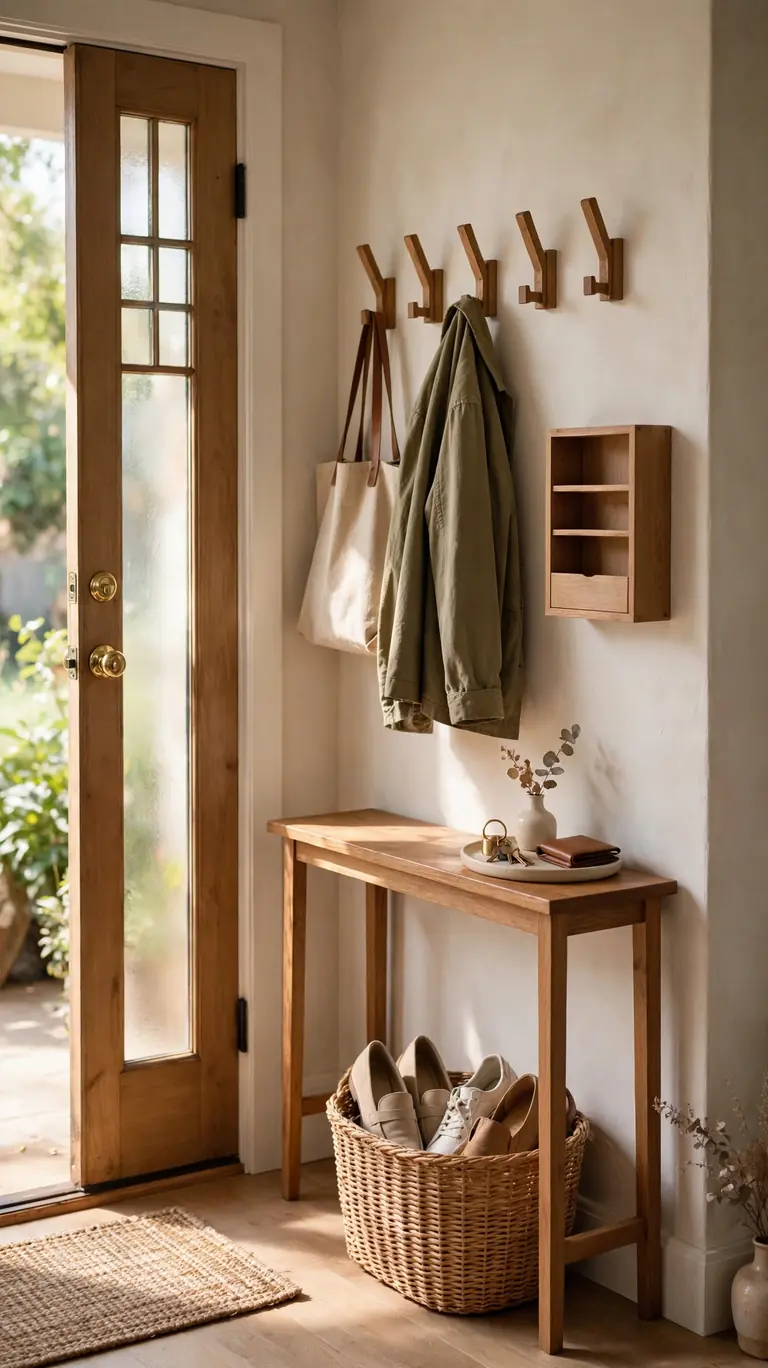
The entryway is where household chaos begins. Keys, bags, mail, and shoes get dropped on the nearest surface the second you walk in, and that small daily pile quietly grows into a mountain. A drop zone gives every incoming item a landing spot right at the door, so clutter gets caught before it spreads through the house.
Set yours up within arm’s reach of the door so using it is easier than tossing things anywhere else. Mount hooks at shoulder height for bags and jackets, place a small tray or bowl for keys and your wallet, add a basket or mat for shoes, and hang a simple wall sorter for incoming mail. The whole setup can cost very little and take under an hour, and it pays you back every single day.
2. Use Clear Bins With Big Labels
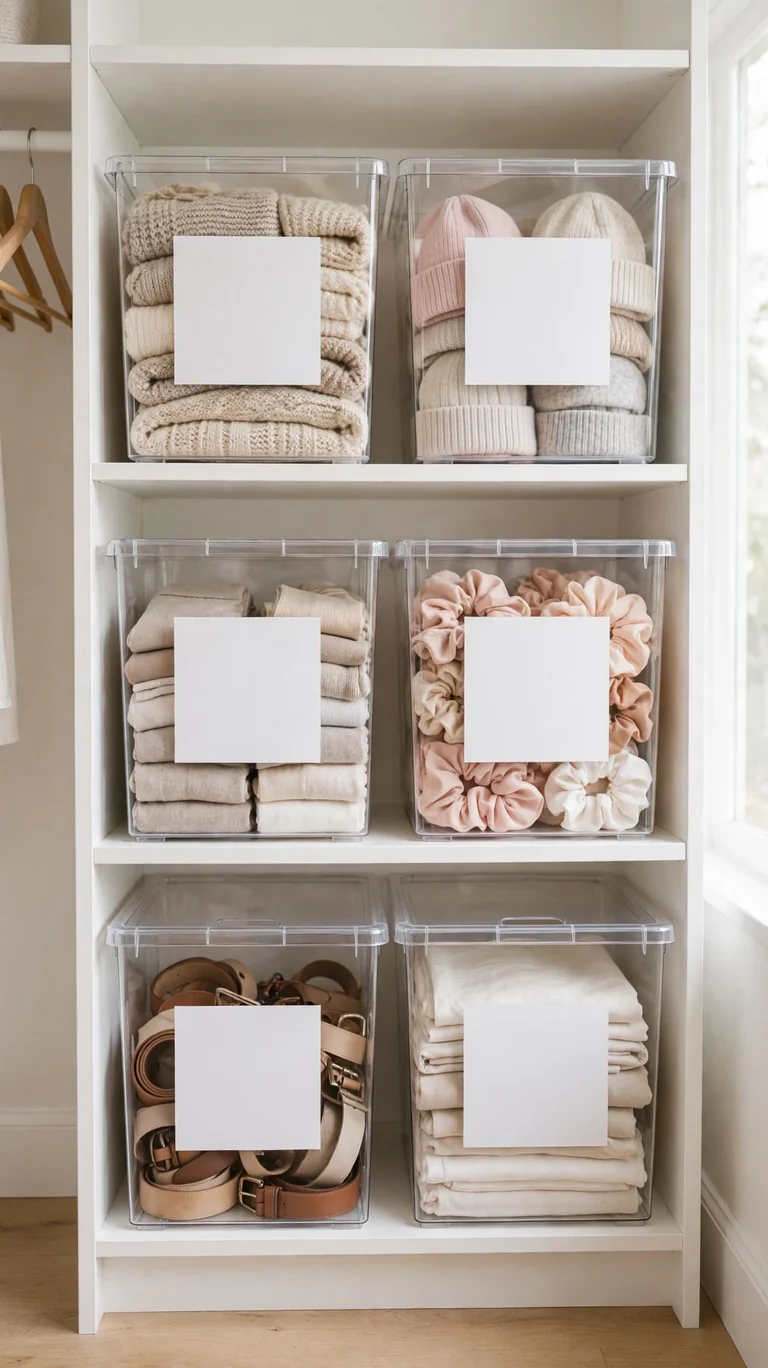
Opaque boxes are where things go to disappear. When you cannot see what is inside a container, your brain files it under “gone,” and you will either buy a replacement or live without something you already own. Clear bins solve this instantly because a quick glance tells you exactly what is in there.
Pair every clear bin with a big, bold label you can read from across the room. A label maker is nice, but painter’s tape and a thick marker work just as well. Label the shelf or cubby too, so the bin itself has a designated home. When both the container and its contents are visible and labeled, putting things away takes seconds instead of decisions.
3. Give Every Category One Clear Home
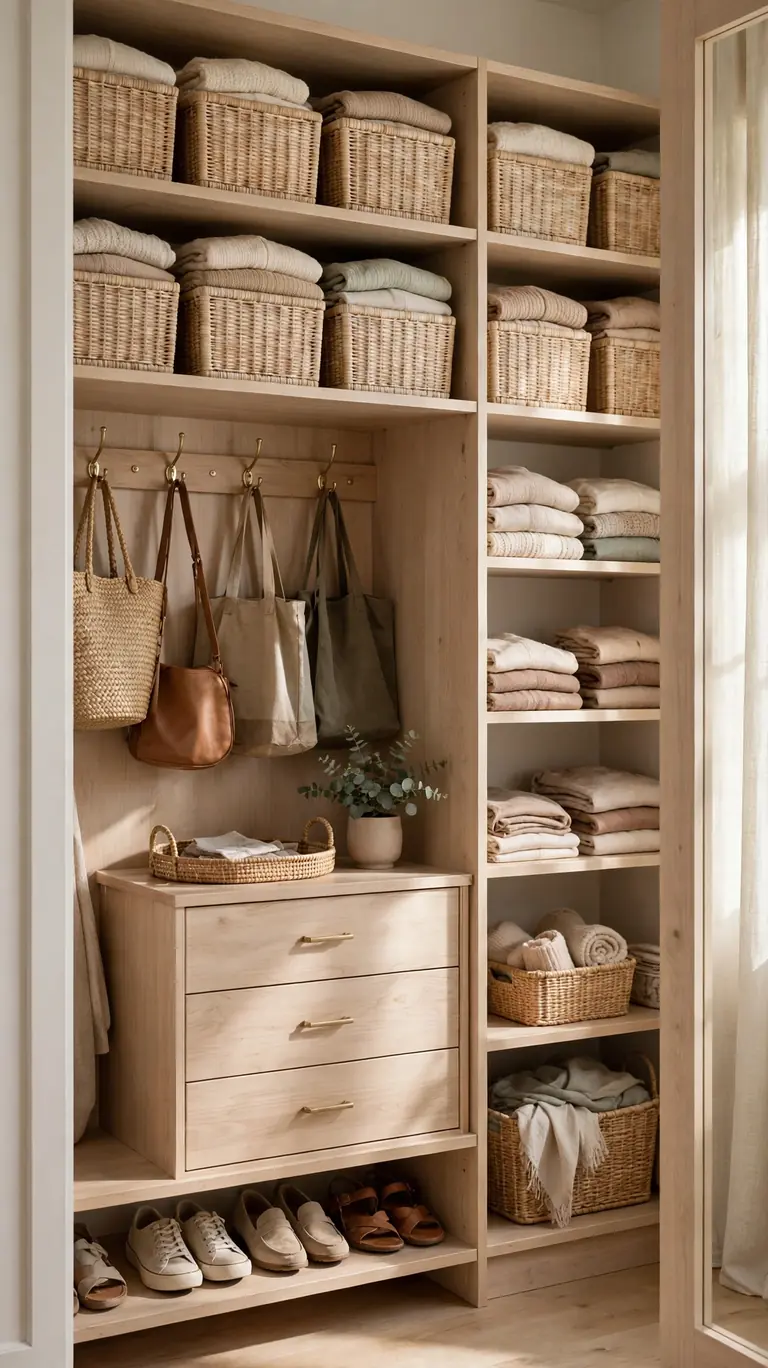
Clutter multiplies when the same kind of item lives in five different places. Batteries in the kitchen drawer, the junk drawer, and the office. Phone chargers in every room. When nothing has one true home, nothing ever gets put back, and tidying means making the same small decisions over and over.
Walk through your home with a notepad and list where duplicates live, then pick the single most logical spot for each category. It does not have to be the “correct” spot by organizing-book standards. It has to be the spot you will actually use. Once each category has one home, returning things becomes automatic instead of a daily puzzle.
4. Try the One In, One Out Rule
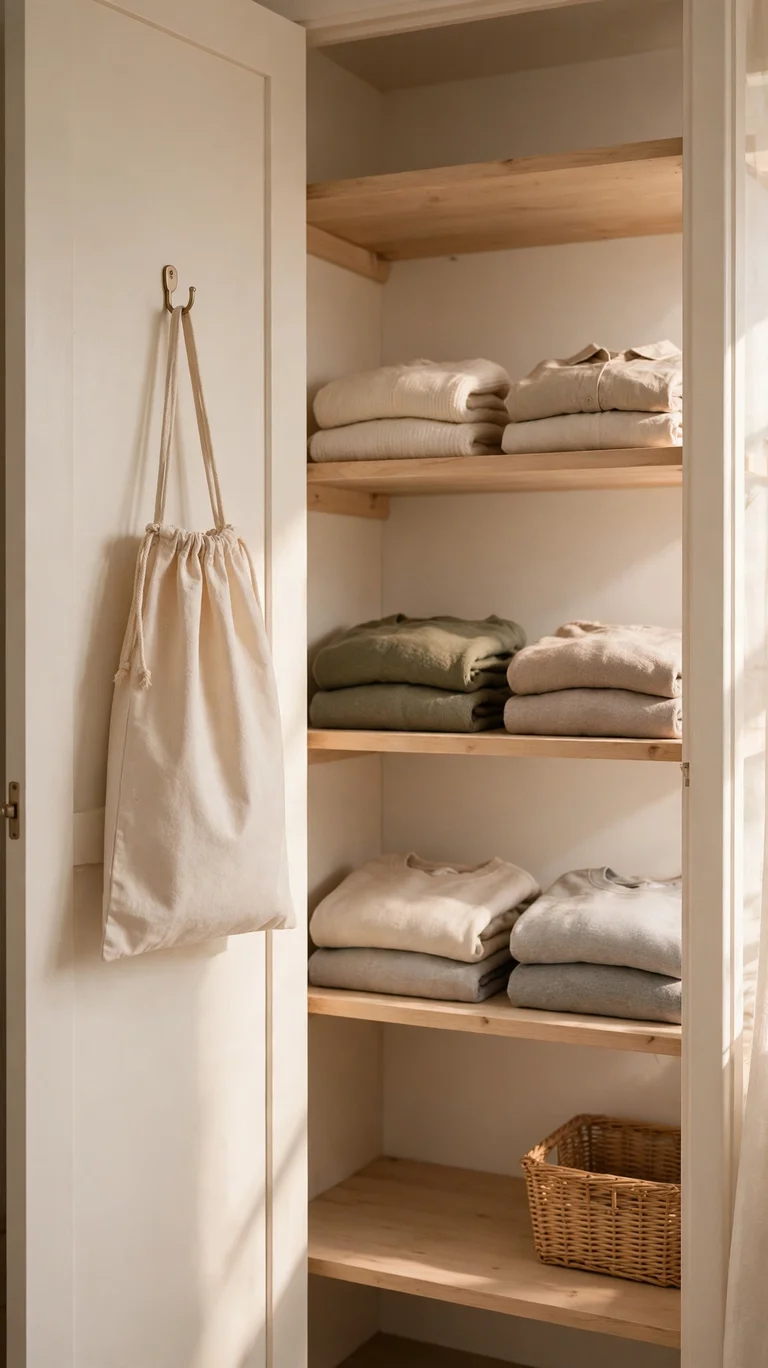
New things entering your home are the main reason organized spaces drift back to messy. The one in, one out rule keeps the total volume steady without requiring big decluttering sessions. It is maintenance disguised as a habit, and it works quietly in the background.
When something new comes in, choose one similar item to donate, recycle, or toss before the new one gets its spot. Keep a donation bag hanging in your closet or by the door so the “out” part takes ten seconds instead of becoming its own project. Over a year, this one rule prevents hundreds of items from silently accumulating.
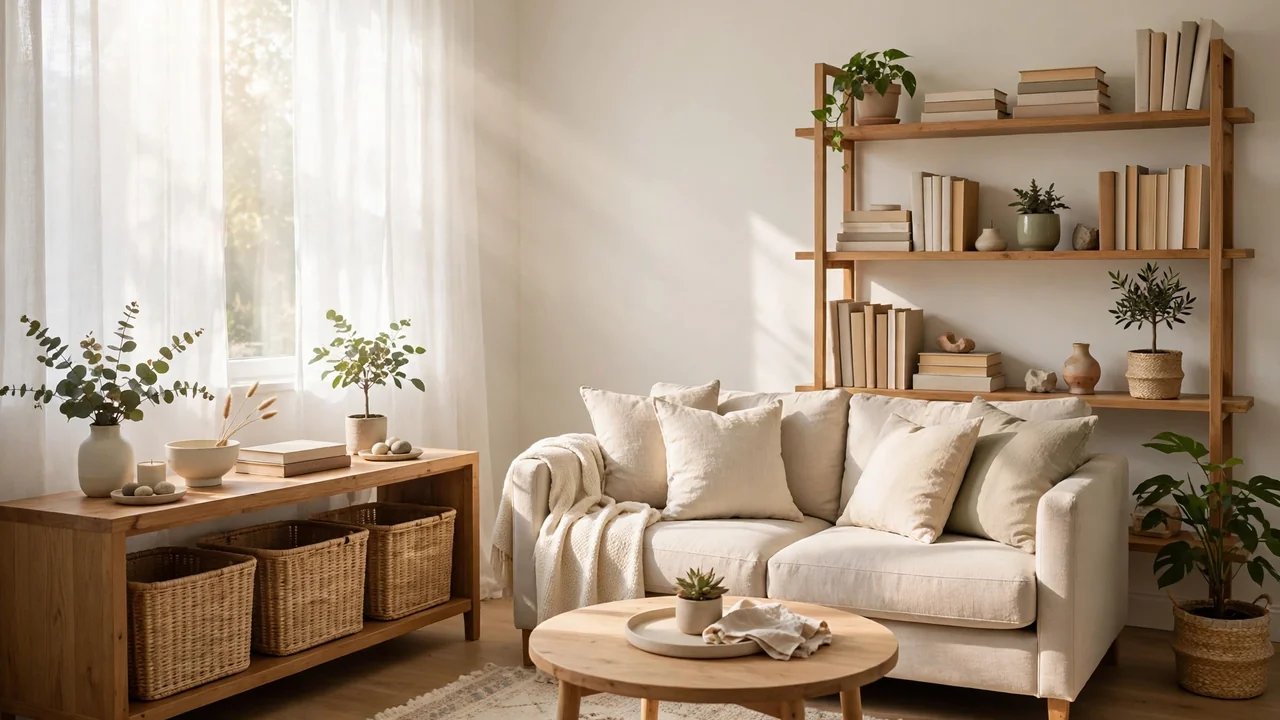
5. Choose Open Shelving Over Closed Doors
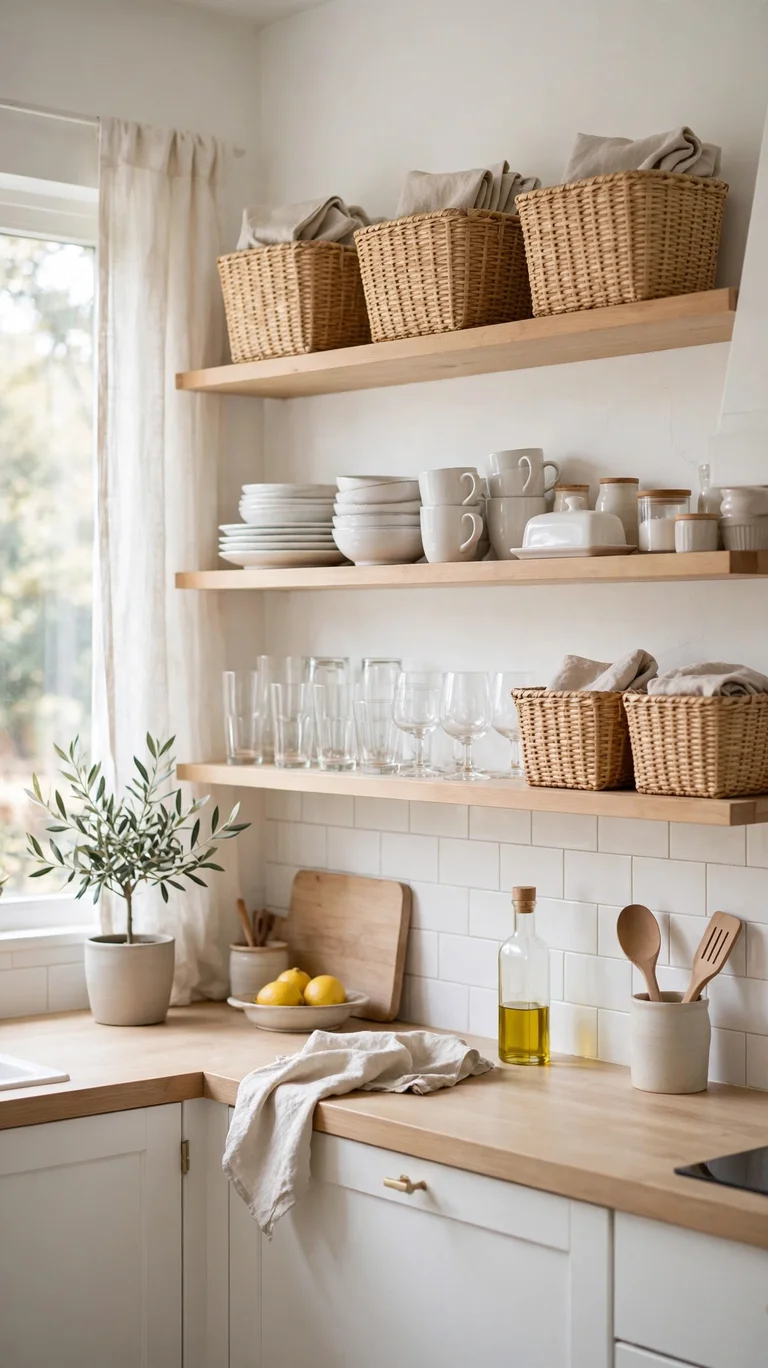
Closed cabinets hide clutter, but they also hide the things you actually need. Out of sight becomes out of mind, and you end up rebuying or forgetting what you own. Open shelving keeps everyday items visible, which means you use them, notice when they are running low, and actually put them back.
You do not need to renovate to get this benefit. Remove a cabinet door or two in the spots that matter most, or add a simple open bookcase to a bathroom, craft corner, or pantry. Use matching baskets on the open shelves to keep the look calm instead of chaotic. Visibility plus containment is the winning combination.
6. Color-Code Your Categories
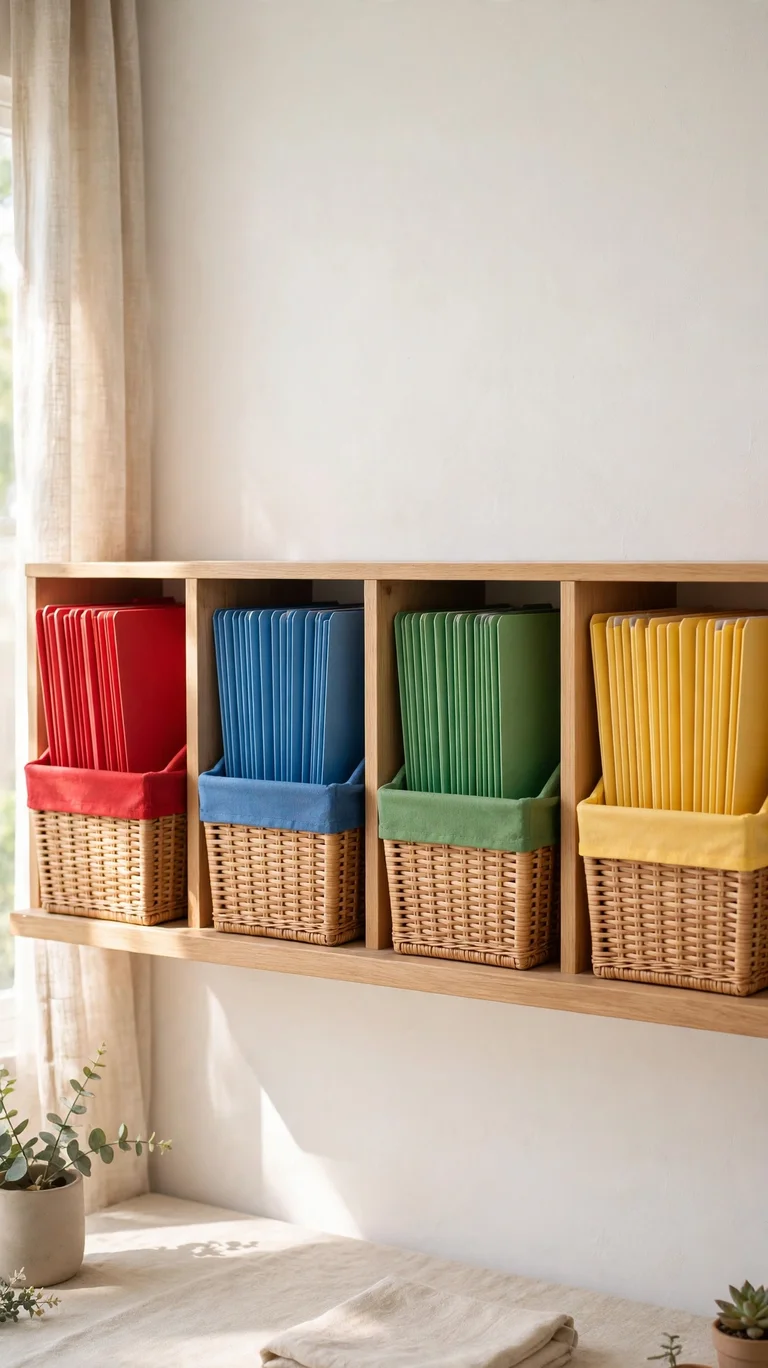
Reading labels takes mental effort, but recognizing colors is instant. Assigning a color to each person, room, or category turns sorting into a glance instead of a decision, which makes the whole system faster and easier to stick with on busy days.
Pick up bins, folders, or tape in a few distinct shades and assign one color per category. One color for bills, one for the kids’ school papers, one for medical paperwork, or whatever matches your life. Keep the list short enough to remember, and post your color key inside a cabinet door until it becomes second nature.
7. Set Up a Launch Pad by the Door
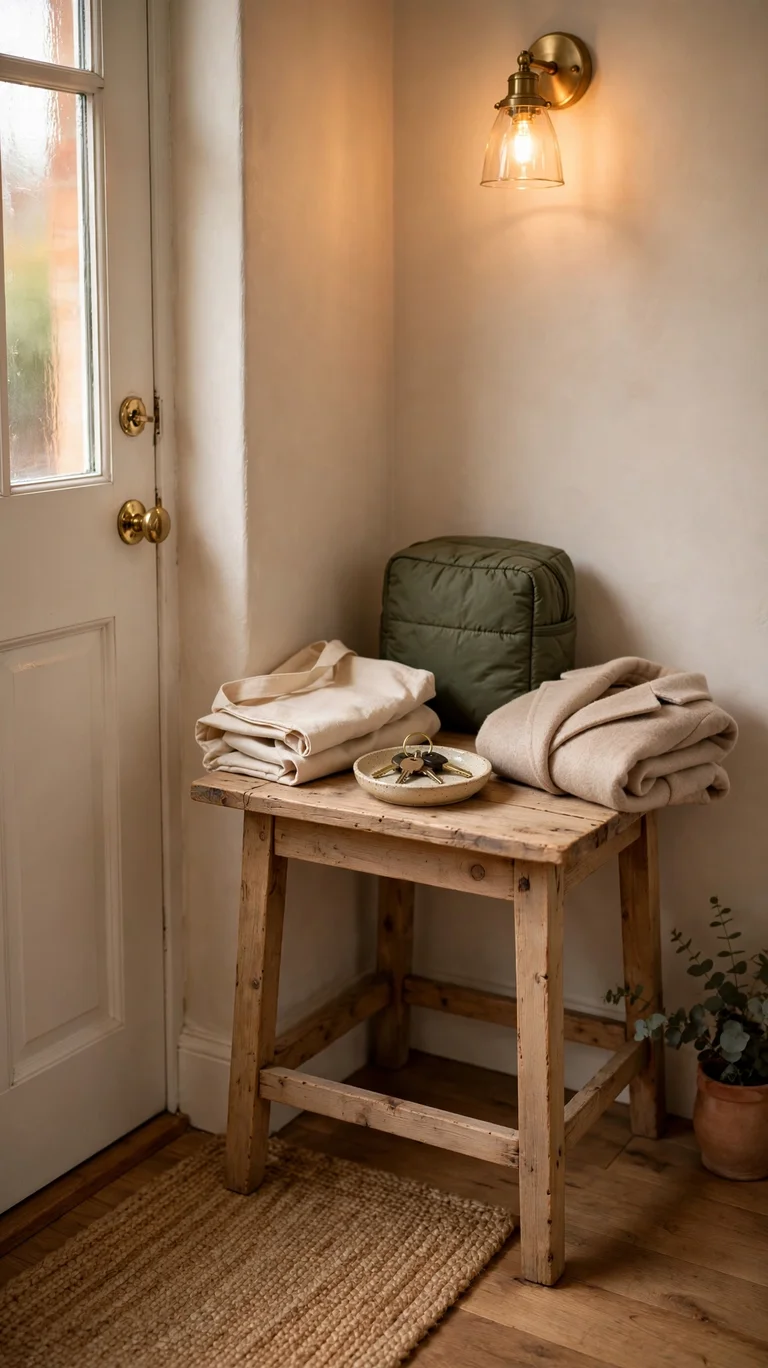
Mornings fall apart when you are hunting for keys, bags, and that form you were supposed to sign. A launch pad is one dedicated spot where tomorrow’s essentials gather tonight, so your morning starts with grabbing instead of searching.
Use a small table, a wall shelf, or even a tray on your existing drop zone. Every evening, place what you will need in the morning: keys, bag, lunch, coat, and anything else leaving the house with you. It takes two minutes at night and can save a frantic twenty in the morning. Make it part of your wind-down routine and mornings get noticeably smoother.
8. Use Baskets for Daily Items, Not Drawers
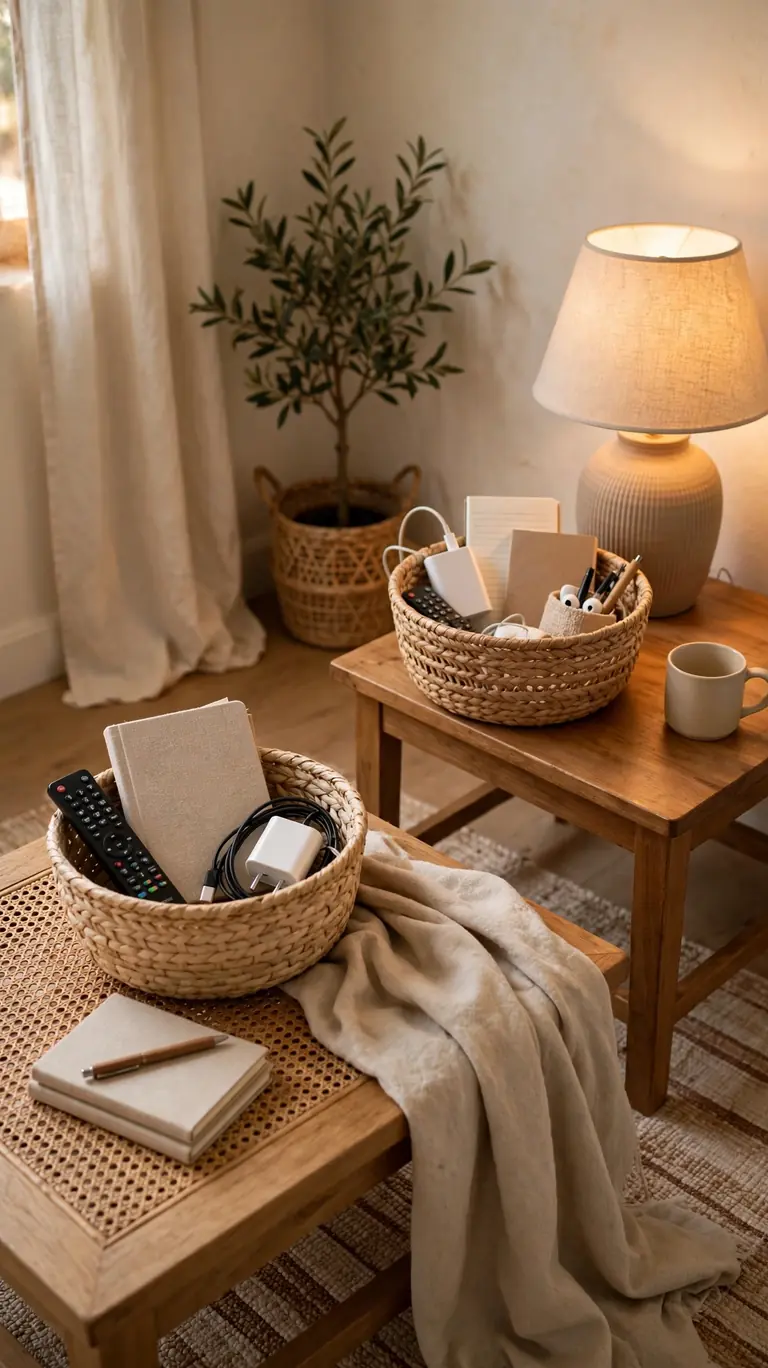
Drawers demand precision: open, place neatly, close. On a low-energy day, that is three steps too many, so items end up on the counter instead. A basket asks for exactly one motion: toss it in. That single-step difference is everything.
Keep attractive baskets where daily clutter naturally collects: the coffee table, the nightstand, the kitchen counter, the bathroom. Once a week, empty each basket and return things to their real homes. The basket is not the final home; it is a friendly waiting room that keeps surfaces clear between resets.
9. Follow the Two-Minute Tidy Rule
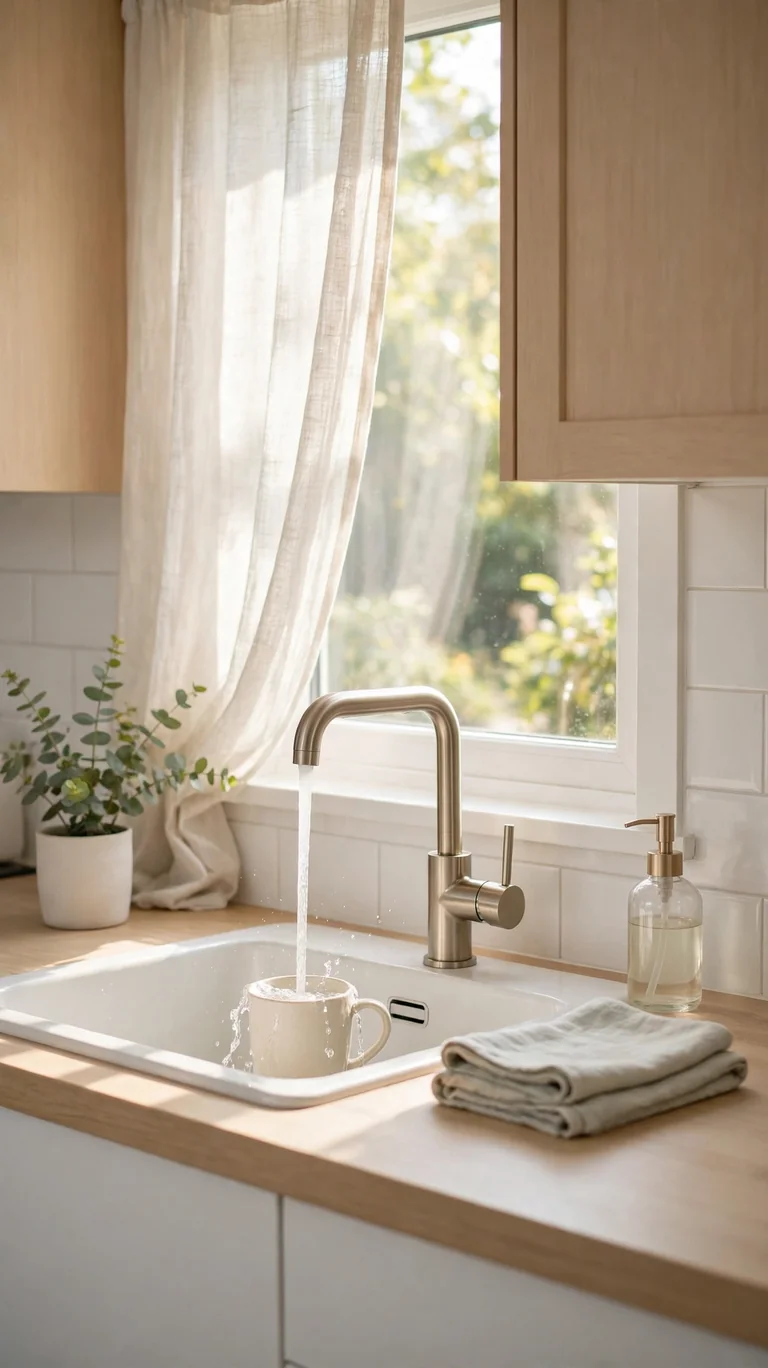
If a tidying task takes less than two minutes, do it now instead of adding it to a mental list you will forget. Hang up the coat. Rinse the mug. File the paper. Toss the junk mail. Small tasks done immediately never get the chance to become overwhelming piles.
The magic is not the two minutes; it is stopping the pile-up before it starts. Ten tiny tasks spread through the day prevent the dreaded three-hour cleanup that never happens. If you need a nudge, set a phone timer and race it. Done is done, and your future self will thank you.
10. Declutter With a Timer, Not a Marathon
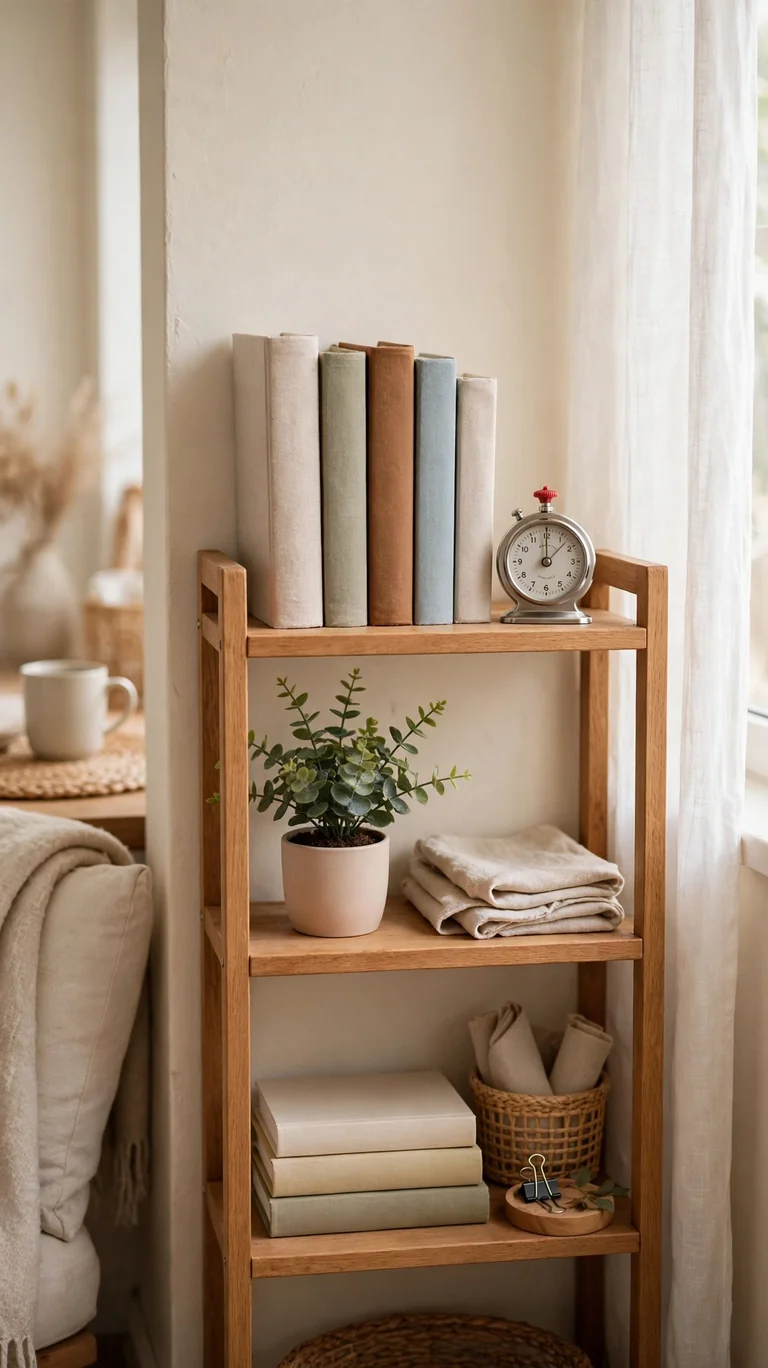
“Clean the whole garage” is a project your brain will avoid for months. “Fifteen minutes on one shelf” is a game you can win today. Big vague tasks trigger avoidance, while small timed sessions feel doable and even a little fun.
Set a timer for 10 to 20 minutes, pick one small zone, and work until it dings. When it does, you are done, even mid-pile. Short bursts keep decision fatigue low and hand you a visible win every single time, which makes you far more likely to do it again tomorrow. Momentum beats marathons.
11. Keep Surfaces Clear and Calm
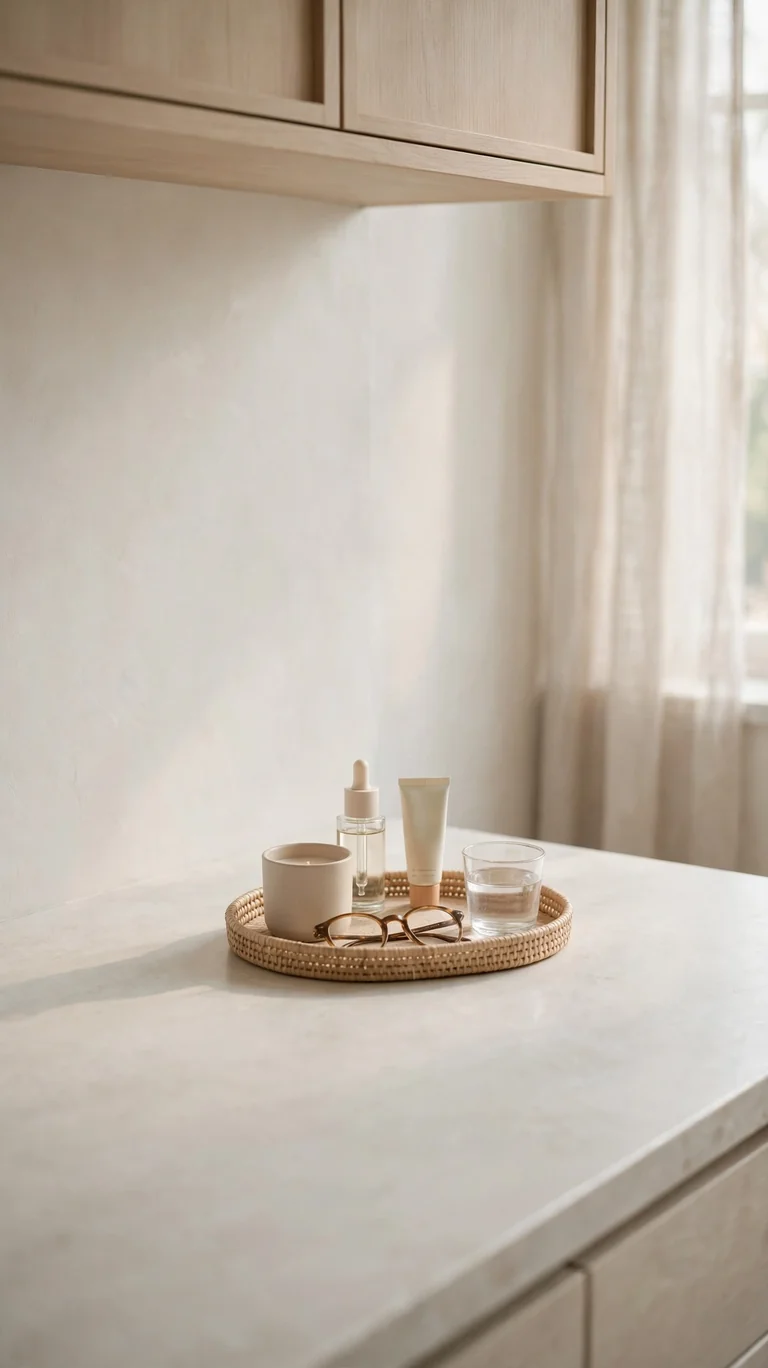
Every item sitting on a counter or table is a tiny visual demand on your attention. Clear surfaces make a room feel calmer instantly, even if the closets behind them are not perfect yet. It is the fastest way to make your whole home feel more peaceful.
Pick one surface to clear completely, like the kitchen counter or your desk, and defend it with a simple rule: nothing lives there except what you use daily. Give everything else a basket, drawer, or shelf nearby. When the surface starts collecting strays, treat it as your signal to do a quick reset rather than a sign of failure.
12. Keep a Weekly Reset Basket
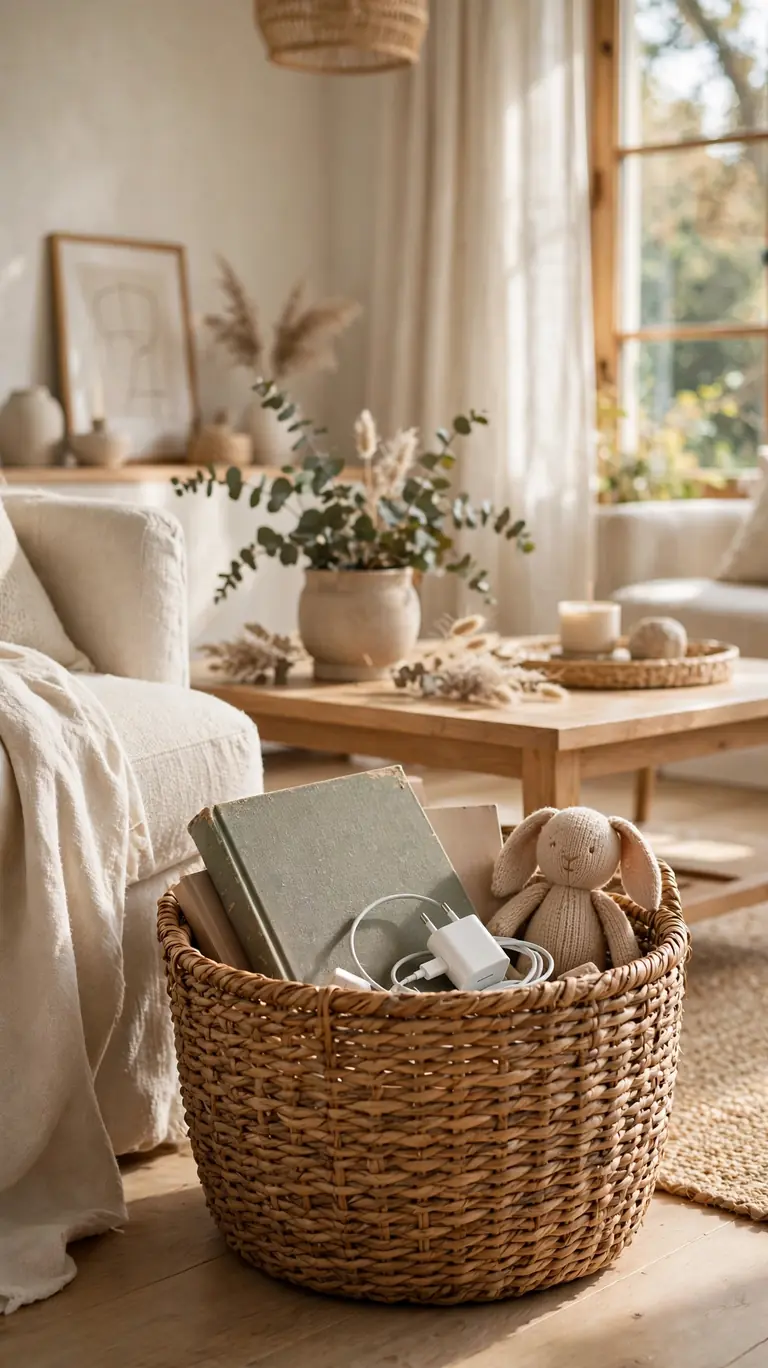
Things wander no matter how good your systems are. The scissors end up in the bathroom, the remote in the kitchen, the charger in the living room. A reset basket is your tool for rounding up strays without committing to a full cleaning session.
Once a week, grab a basket and walk through the house collecting anything that is out of place. Then walk it back through, returning each item to its home. It turns “the whole house is messy” into one focused loop that takes about fifteen minutes. Put on music or a podcast and it barely feels like a chore.
13. Label Everything, Even Drawers
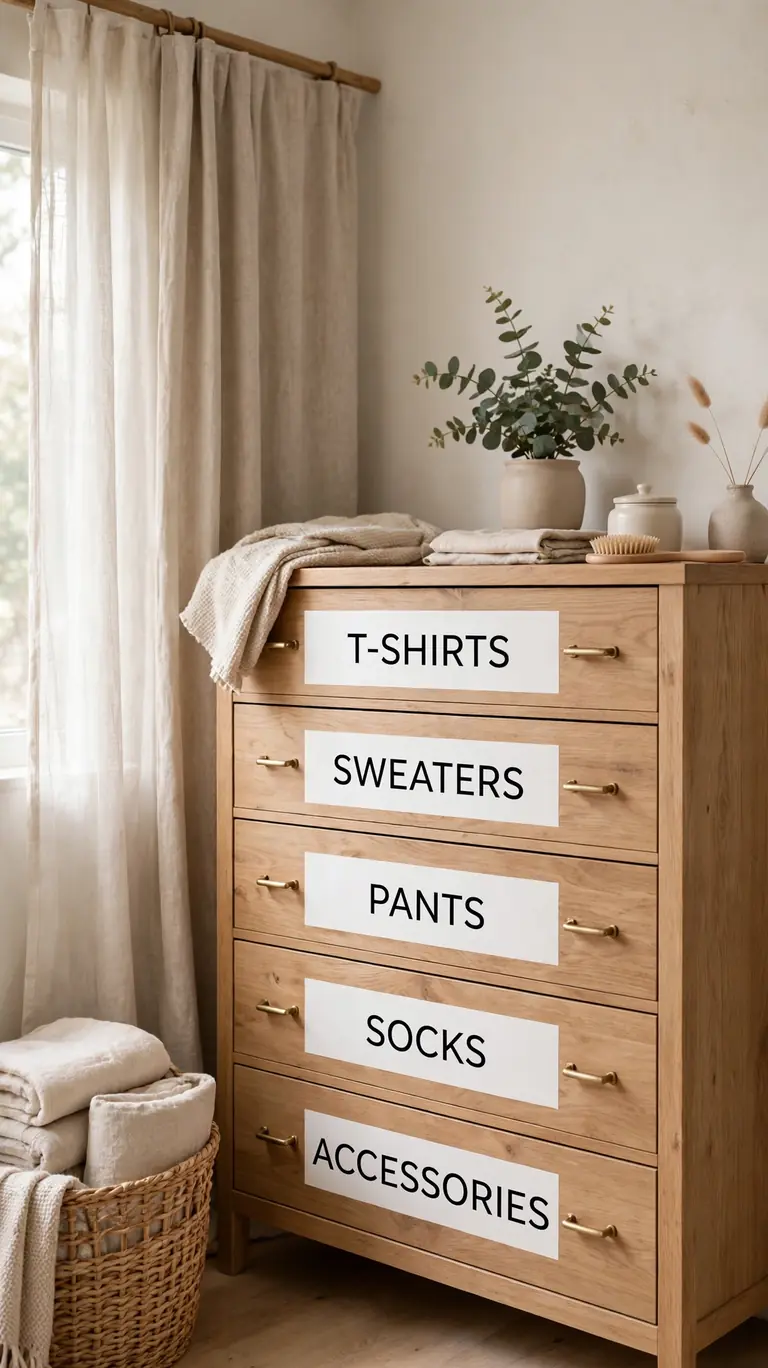
Labels are not just for other people. They are reminders to future-you, who will absolutely forget that the third drawer holds batteries and the fourth holds lightbulbs. Every label removes one thing your memory has to carry.
Label drawers, shelves, bins, and even zones inside closets. Big, clear words beat cute tiny script every time. When everything is labeled, putting things away requires zero memory, and anyone else in the household can help without asking you where things go. It is one of the highest-impact, lowest-effort changes you can make.
14. Keep Daily Essentials in Sight
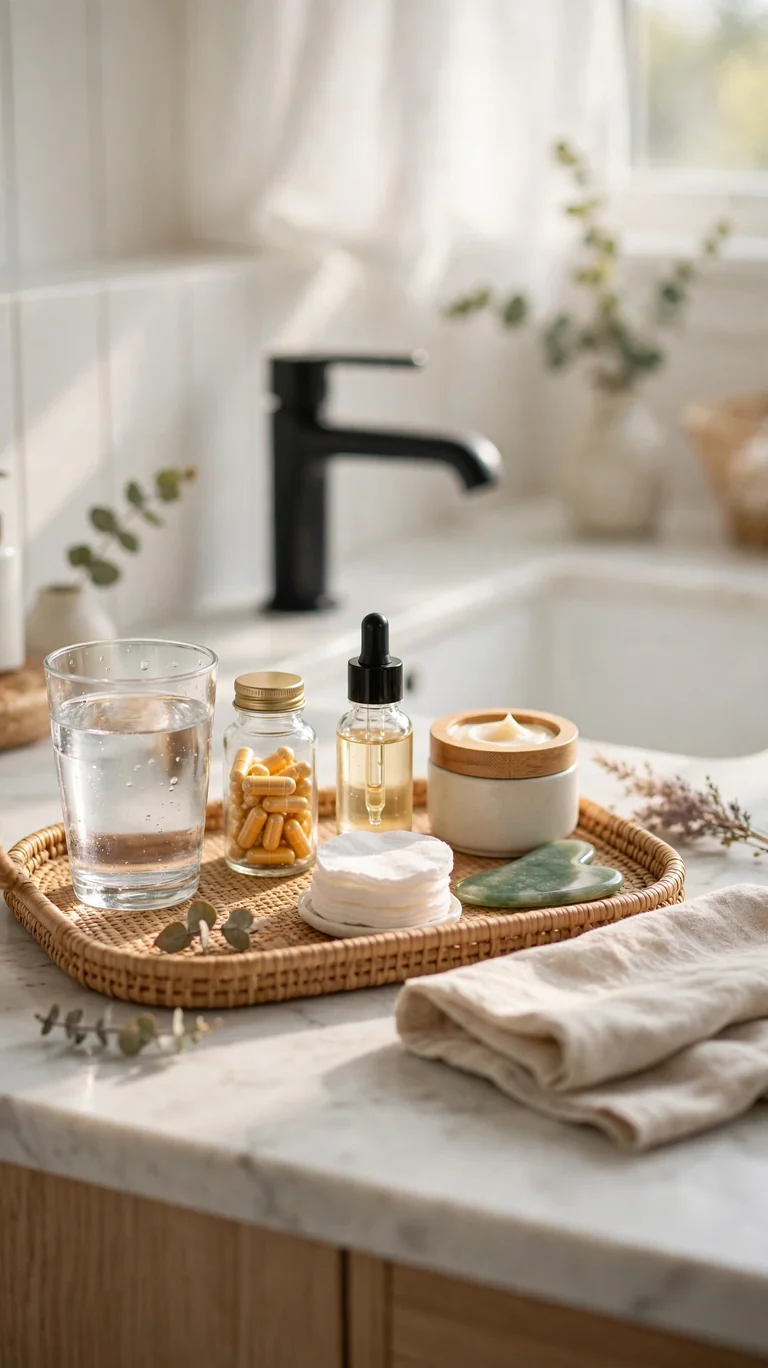
The ADHD brain treats “out of sight” as “does not exist.” Medications, vitamins, chargers, keys, and bills need to live where your eyes land naturally, or they will be forgotten no matter how important they are.
Move daily essentials out of drawers and onto visible, designated spots: a tray on the bathroom counter, a charging station by your favorite chair, a bill clip on the fridge. Visibility is not mess; it is a system. Pair it with attractive containers and trays so it looks intentional and pleasant instead of cluttered.
15. Practice “Don’t Put It Down, Put It Away”

Every item you set down “for now” becomes a future decision waiting to happen. “Don’t put it down, put it away” cuts clutter at the source by finishing the job in the moment, when the item and its home are both fresh in your mind.
When you finish with something, take the extra ten seconds to return it to its home instead of the nearest flat surface. It feels slow at first, but it replaces dozens of later decisions with one small habit. Start with just one category, like dishes or tools, and let it spread once it feels automatic.
16. Simplify Your Wardrobe
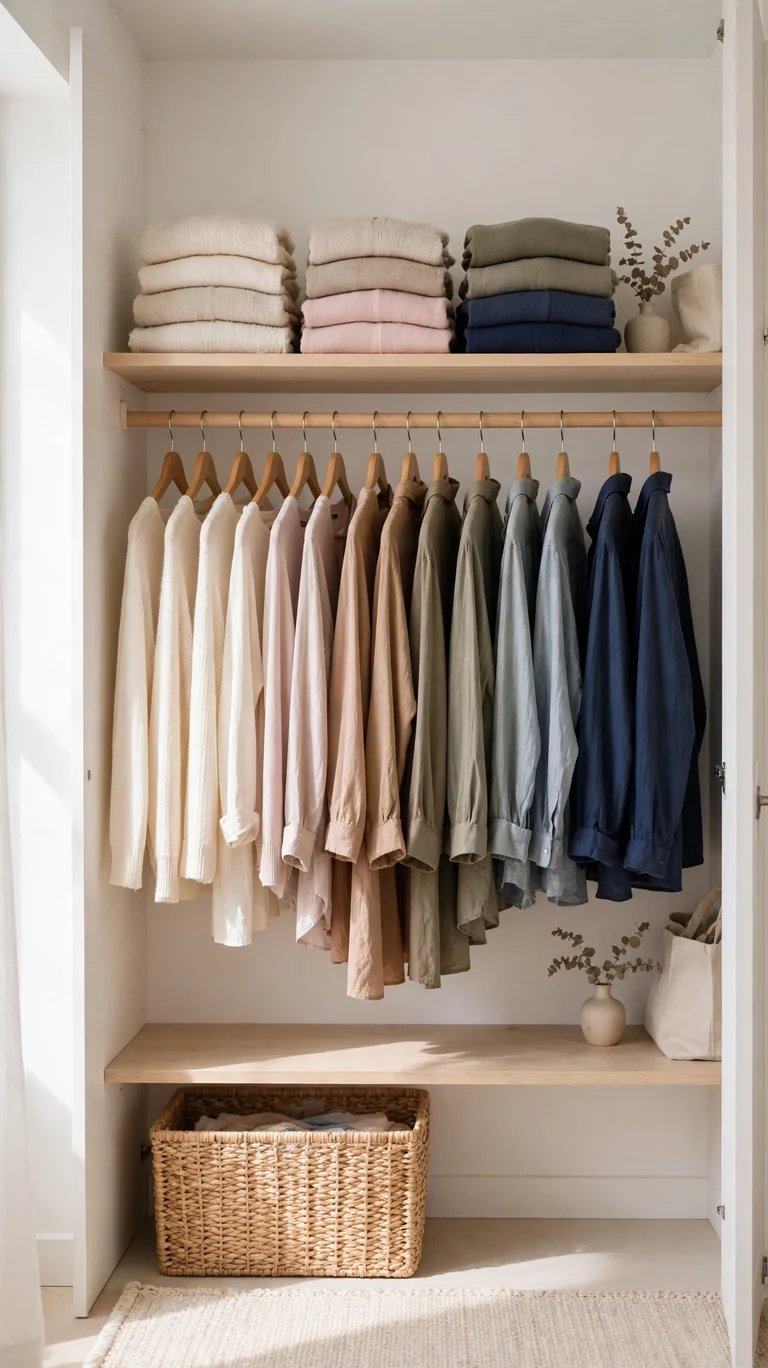
A stuffed closet turns getting dressed into a daily decision marathon. Fewer clothes that all work together means faster mornings, less laundry chaos, and a closet you can actually see into. Simplification is not about minimalism as a lifestyle; it is about removing daily friction.
Keep only what you actually wear, what fits right now, and what makes you feel good. Move off-season clothes into labeled bins stored elsewhere. Arrange what is left by category or color so you can grab an outfit without digging. Less to choose from is a genuine gift to your future self.
17. Create One Command Center
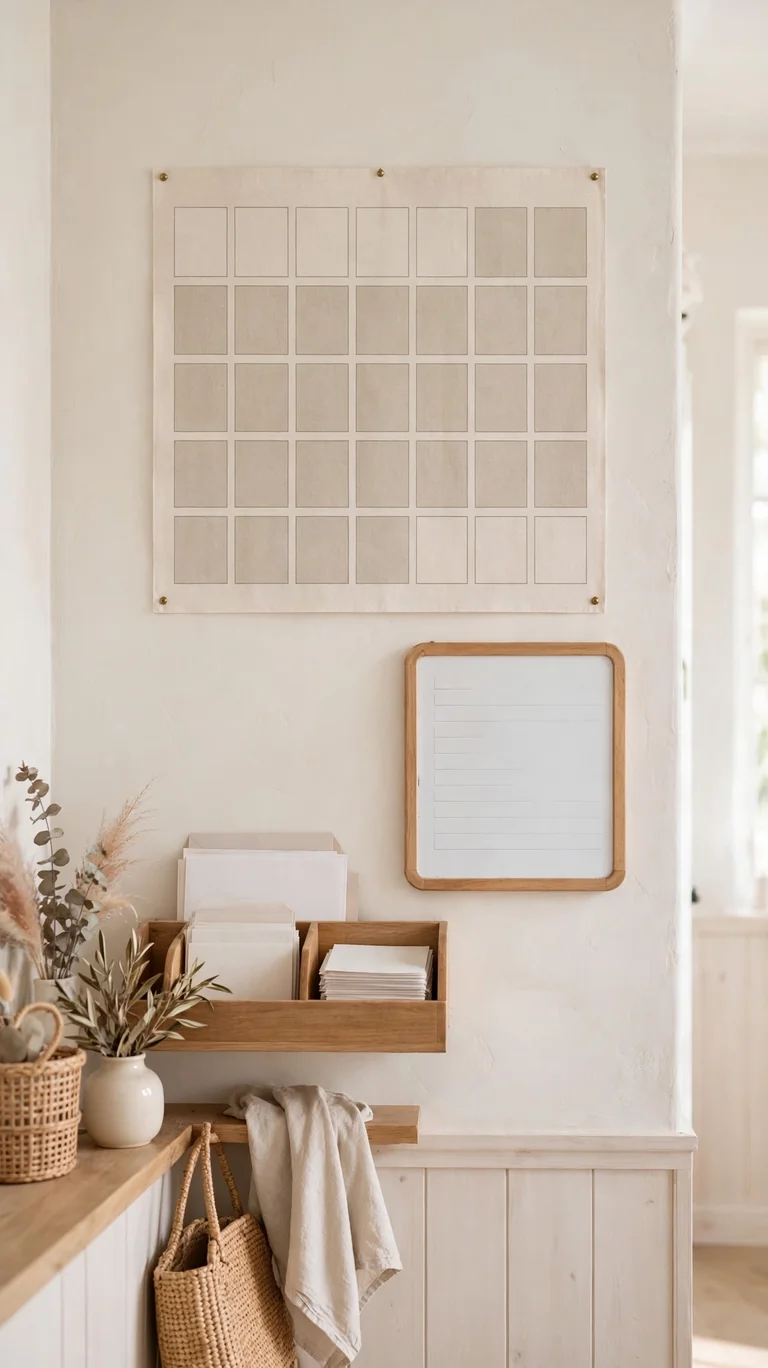
Scattered calendars, sticky notes, and half-checked reminder apps mean important things slip through the cracks. One command center puts your schedule, lists, and incoming papers in a single visible spot that you pass every day.
Choose a high-traffic wall and mount a large calendar, a whiteboard for the week’s top priorities, and an inbox tray for papers that need action. Keep it simple: if it takes more than a glance to understand, it is too complicated. Review it with your morning coffee and you will start the day knowing exactly what matters.
18. Use Trays to Corral Small Items

Small items scatter: pens, remotes, lip balm, chargers, loose change. A tray turns a messy spread into one contained, intentional-looking group, and it draws a clear boundary that tells you when the category is growing out of control.
Place trays on nightstands, coffee tables, desks, and bathroom counters. Everything small lives on a tray, which means wiping a surface clean is one lift instead of twenty grabs. When a tray overflows, treat it as your cue that the category needs a real home somewhere else.
19. Limit Storage With Smaller Containers
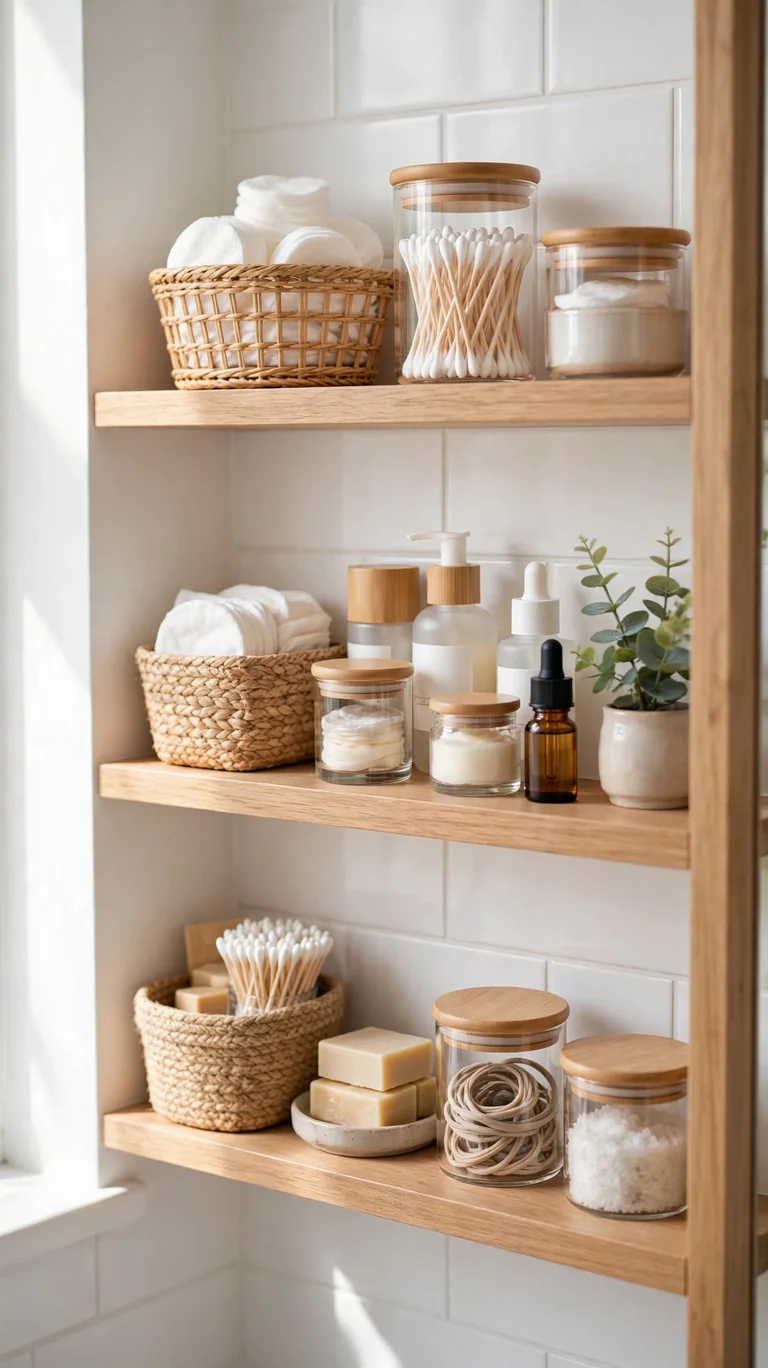
Big empty bins invite filling. Smaller containers set a natural limit: when the bin is full, something has to go before more comes in. The container becomes the boundary, so you never have to make the hard “is this too much?” decision from scratch.
Choose containers that fit what you actually own, not what you might own someday. A small basket for toiletries, a slim bin for wrapping supplies, a compact box for cords. Right-sized storage keeps every category self-regulating, which means less decluttering work for you down the road.
20. Use Digital Reminders for Routines
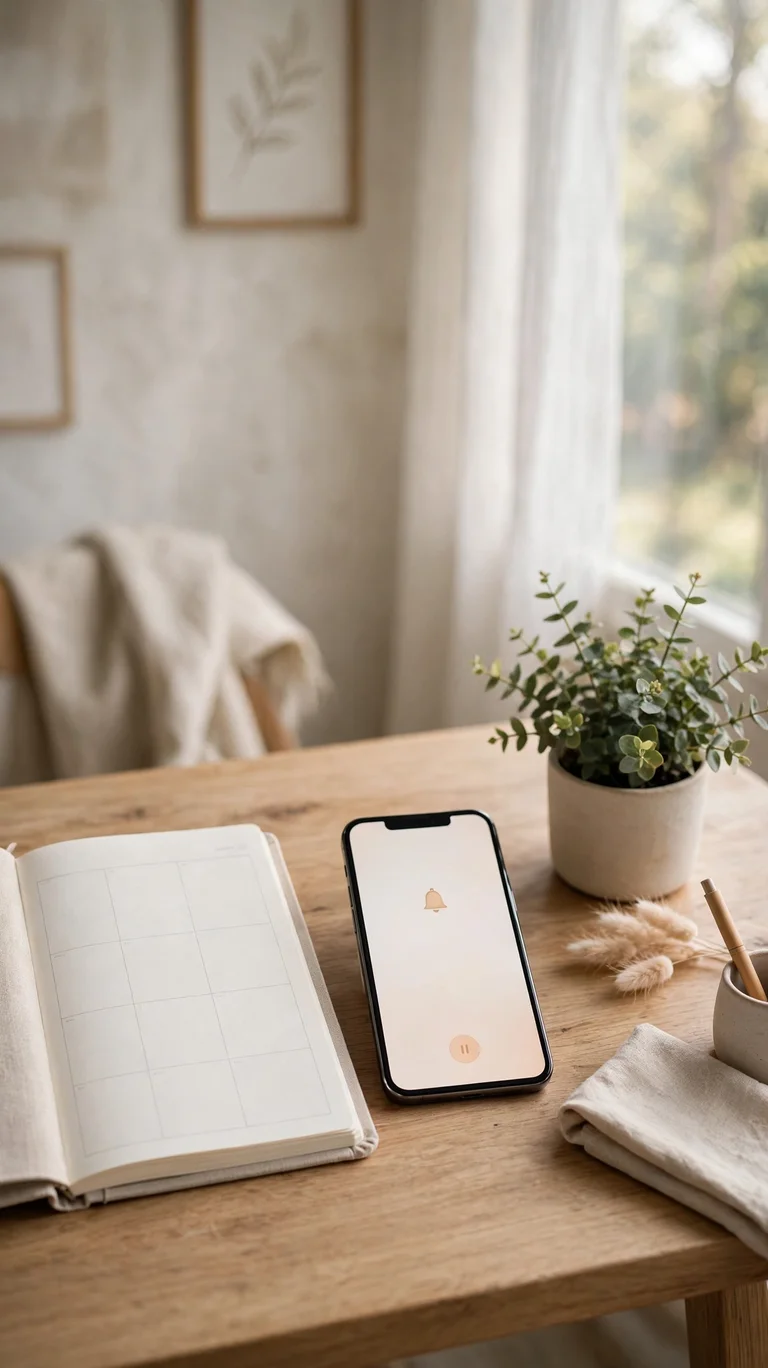
Your brain is for having ideas, not for storing reminders. Phone alarms and recurring reminders carry your routines so you do not have to, and they never get distracted or forget.
Set alarms for the routines that tend to slip: switching the laundry, trash night, the weekly reset, watering plants, taking vitamins. Name each alarm clearly, like “move laundry to dryer,” so you know exactly what to do the second it rings. Snooze without guilt; the reminder will come back and catch you.
21. Make a Paper Landing Strip
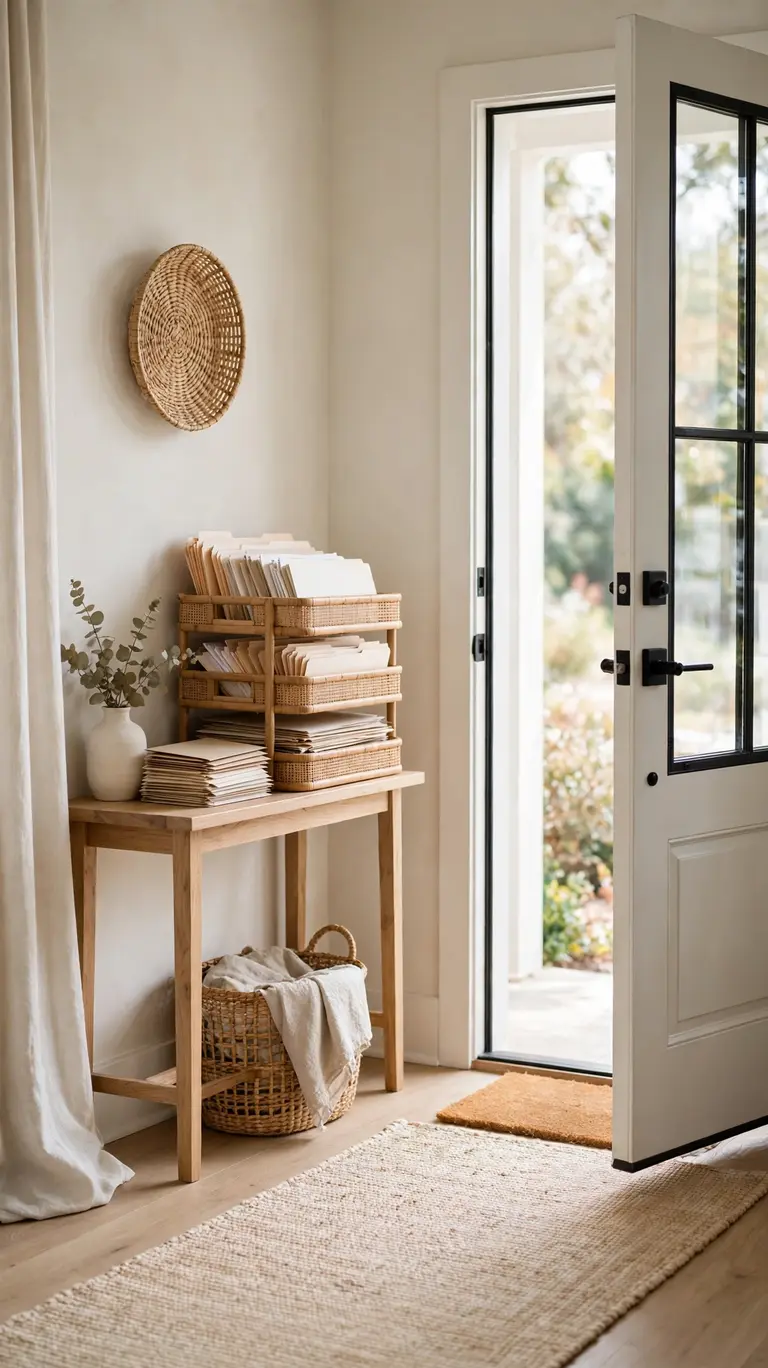
Mail and paperwork pile up because there is no clear next step for them. A paper landing strip sorts incoming paper the moment it arrives, so it never gets the chance to become a dreaded stack.
Set up three trays or folders near the door: action needed, file, and recycle. Sort mail standing at the door instead of “later.” Toss junk immediately, file what you need to keep, and leave only true action items in the middle tray. Process the action tray once a week and paper stops being scary.
22. Keep Cleaning Supplies Where You Use Them
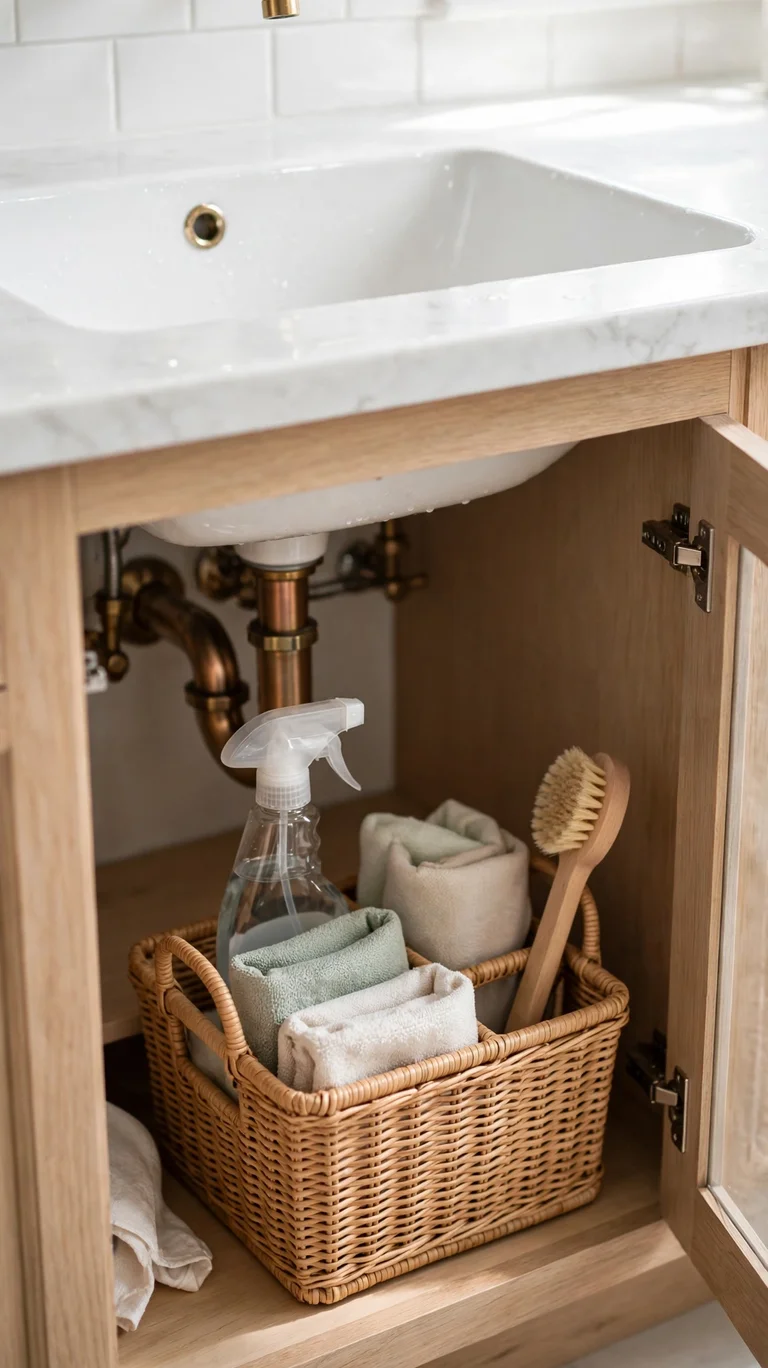
If the bathroom cleaner lives under the kitchen sink, the bathroom mirror stays dirty. Supplies stored far from the job simply do not get used, and cleaning becomes a scheduled chore instead of a quick win.
Make a small caddy for each zone: one for the bathroom, one for the kitchen, one for dusting. Keep each caddy in the room where it is used. When supplies are within reach, a two-minute wipe-down happens naturally while you are already there. Proximity turns cleaning from a project into a reflex.
23. Build Forgiving Systems

The best organizing system is the one that still works when you are tired, busy, or having a rough week. Perfection-based systems collapse at the first bad day; forgiving ones bend and keep going. Design for your hardest days and the easy days take care of themselves.
Build every system with a bad day in mind: baskets instead of precise filing, visible spots instead of hidden ones, catch-all zones instead of strict rules. When your system survives your worst week, it will thrive in your best one. Progress beats perfection, every single time, and a home that forgives you is a home you can actually maintain.
Frequently Asked Questions
What makes home organization ADHD-friendly?
ADHD-friendly organization is built around visibility, simplicity, and forgiveness. It favors open storage over hidden compartments, one-step put-away over multi-step processes, and clear labels over memory. The core idea is to reduce the number of decisions and steps between you and a tidy space, so the system keeps working even on low-energy days.
How do I start organizing when I feel overwhelmed?
Start with one tiny zone, not the whole house. Pick a single drawer, one shelf, or the top of your nightstand, and set a timer for 15 minutes. A small visible win builds momentum and proves the system works, which makes the next zone easier. Overwhelm fades fastest through small finished tasks, not big perfect plans.
What is the best way to keep an ADHD-friendly home tidy long term?
Build in two lightweight routines: the two-minute tidy rule for daily maintenance and a weekly reset basket for catching strays. Keep your systems forgiving, with baskets and visible homes instead of complicated filing. Long-term tidiness comes from systems that survive your worst weeks, not from intense organizing bursts.
Should I buy organizing products before I start?
No. Declutter first, then shop for storage that fits what you actually kept. Buying containers before you know what needs containing usually leads to pretty bins full of things you should have let go. Start with boxes, bags, and tape you already have, and only buy specific pieces once you know the exact problem they solve.
How can I get my family on board with these systems?
Make the systems so simple that following them is easier than not. Big clear labels, one-step baskets, and visible homes remove the guesswork for everyone. Involve family members in choosing where things live so they feel ownership. When a system is genuinely easy, most people adopt it without being asked twice.
Conclusion
An ADHD-friendly home is not about achieving a picture-perfect space or following someone else’s rigid rules. It is about building an environment that works with your brain instead of against it, one small system at a time. Every drop zone, labeled bin, and visible tray in this list shares the same goal: fewer decisions, fewer steps, and more forgiveness for the days when life gets messy.
You do not need to transform your whole home this weekend. In fact, trying to do everything at once is the fastest way to burn out and abandon the project. Pick the single idea that would make your daily life easier right now. Maybe it is the launch pad that saves your mornings, or the reset basket that tames the wandering clutter, or the clear bins that finally let you find what you own. Start there, live with it for a week, and notice the difference.
Over time, these small systems compound. Each one removes a little friction, saves a few minutes, and quiets a bit of visual noise. Before long, you will have a home that supports you: a calmer space where things have homes, routines run on autopilot, and tidying feels like a quick reset instead of an overwhelming event. Your brain deserves a home designed for it. Start with one idea today, and let the calm grow from there.