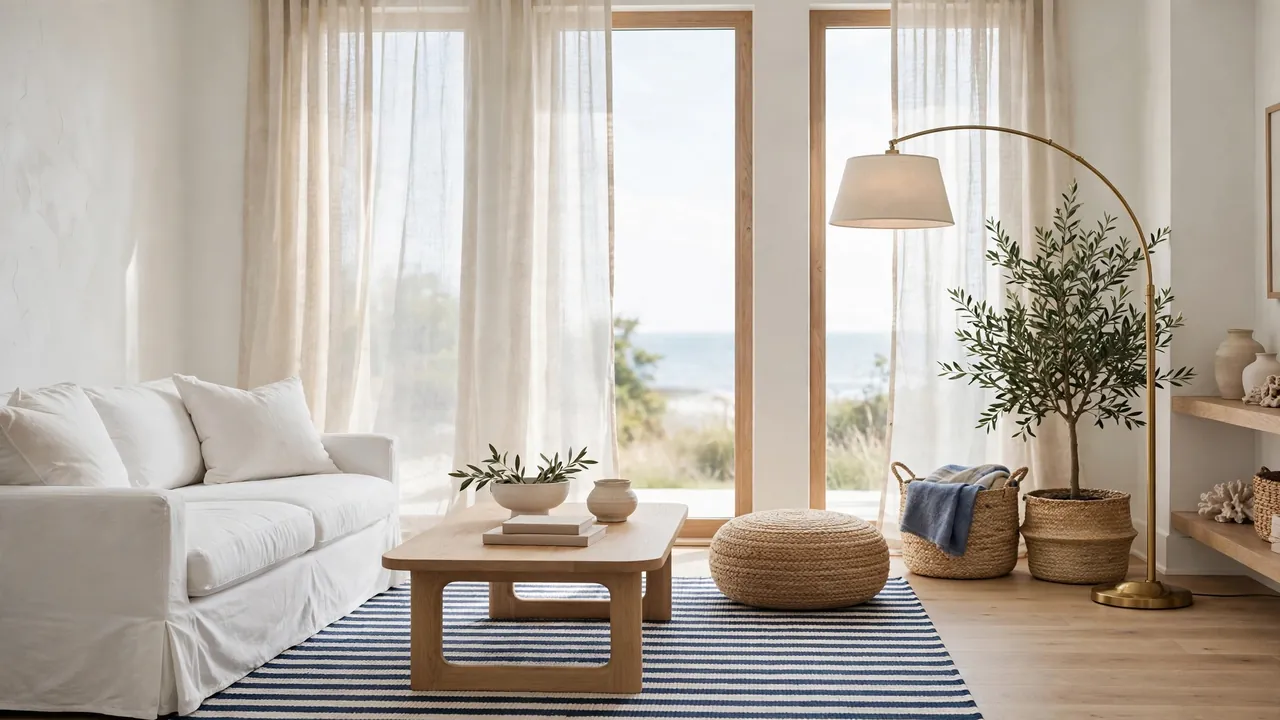
16 Nautical Interior Design Ideas for a Coastal-Inspired Home
There’s a reason nautical interiors never really go out of style. Walk into a room done well in this look and you’ll feel it right away: the calm of crisp white walls, the grounding pull of deep navy, sunlight bouncing off natural wood and woven textures. It’s the feeling of a breezy afternoon by the water, bottled into four walls. And here’s the best part: you don’t need a beach house, a big budget, or an ocean view to pull it off. Nautical design is built from simple, honest materials that are easy to find and easy to live with. Sun-bleached wood, striped cotton, jute, linen, rope, and brass have been around forever, and they mix beautifully with the furniture you probably already own. This style works in a city apartment, a suburban family room, or an actual coastal cottage, because it’s more about mood than location.
The problem is that nautical decor has a bit of a reputation problem. Push it too far and your living room starts looking like a seafood restaurant gift shop, all plastic anchors and life rings and punny wooden signs. Most people either go overboard with the theme or play it so safe the room ends up bland and forgettable. The sweet spot sits between those two extremes. Real nautical interiors take their cues from actual seaside life: the weathered dock, the sailor’s cabin, the captain’s quarters. Not the souvenir stand. That means restraint, natural materials, and letting a few well-chosen details do the talking instead of plastering every surface with maritime clichés.
In this guide, you’ll find 16 practical nautical interior design ideas you can actually use, whether you’re refreshing one corner or rethinking a whole room. We’ll cover color palettes that stay fresh year after year, textiles that hold up to real life, furniture finishes that capture that sun-bleached feel, lighting that glows like a ship’s lantern, and the small decor accents that make the style sing. Every idea comes with concrete tips on how to use it, what to pair it with, and what to avoid, so you can build a coastal-inspired home that feels collected and calm instead of costume-y. Let’s dive in.
1. Start with Navy and White Striped Textiles
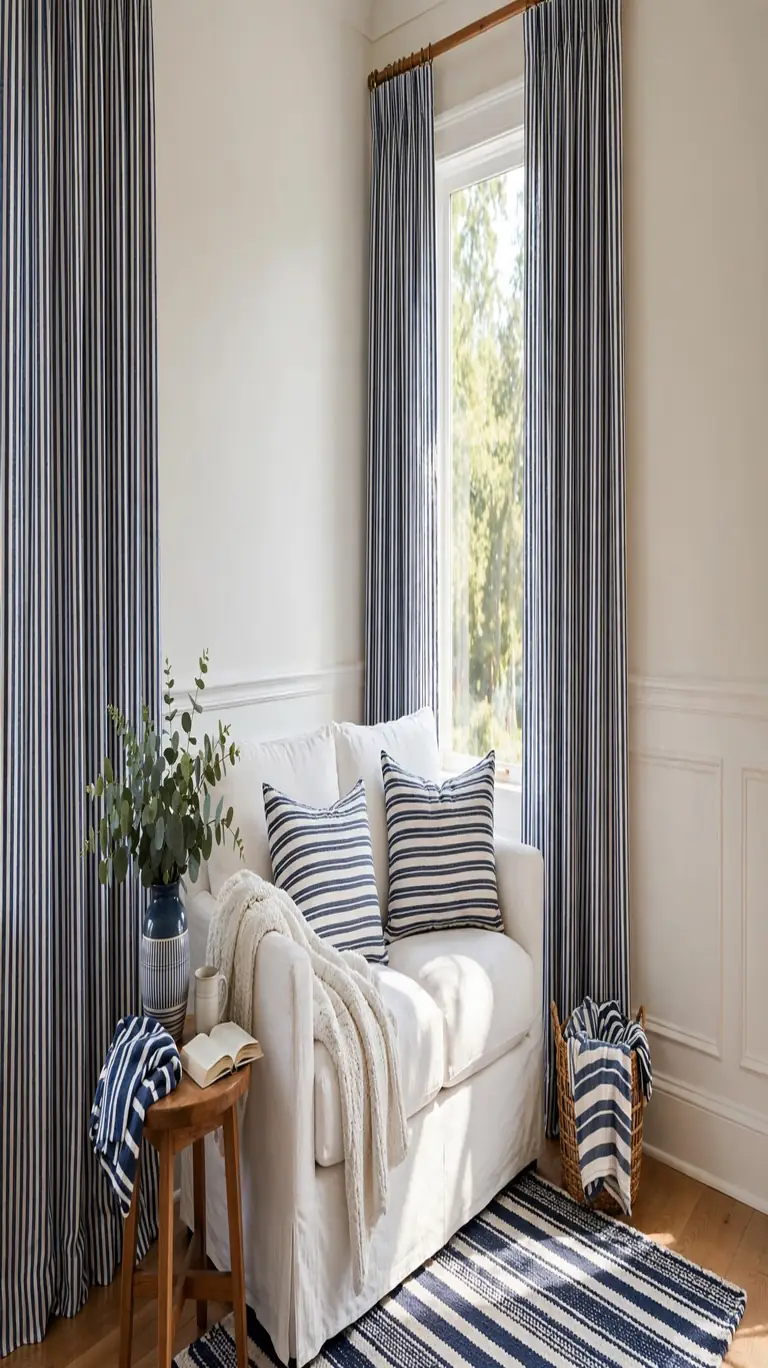
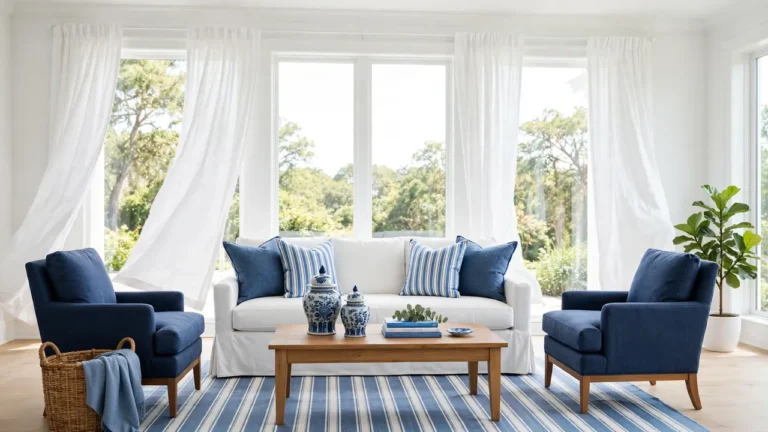
If there’s one pattern that says nautical louder than anything else, it’s the navy and white stripe. Sailors have worn it for ages, beach umbrellas borrow it, and it translates to interiors effortlessly. A striped rug, a set of striped curtains, or even just a couple of striped throw pillows can set the tone for an entire room in minutes. The stripes do the heavy visual lifting, so everything else in the room can stay simple.
The key is proportion. Pick one hero striped piece per room, like a large rug or a duvet cover, and keep supporting stripes smaller, like lumbar pillows or a folded throw. When every textile in the room is striped, the pattern starts to vibrate and the calm you’re after disappears. Crisp, evenly spaced stripes read classic, while thinner ticking stripes lean more farmhouse. Both work beautifully, but don’t mix the two in the same sightline.
Stick with true navy rather than royal or electric blue, and give your stripes plenty of solid white or cream to breathe against. That contrast is what keeps the look fresh instead of heavy.
2. Build a Layered Coastal Color Palette
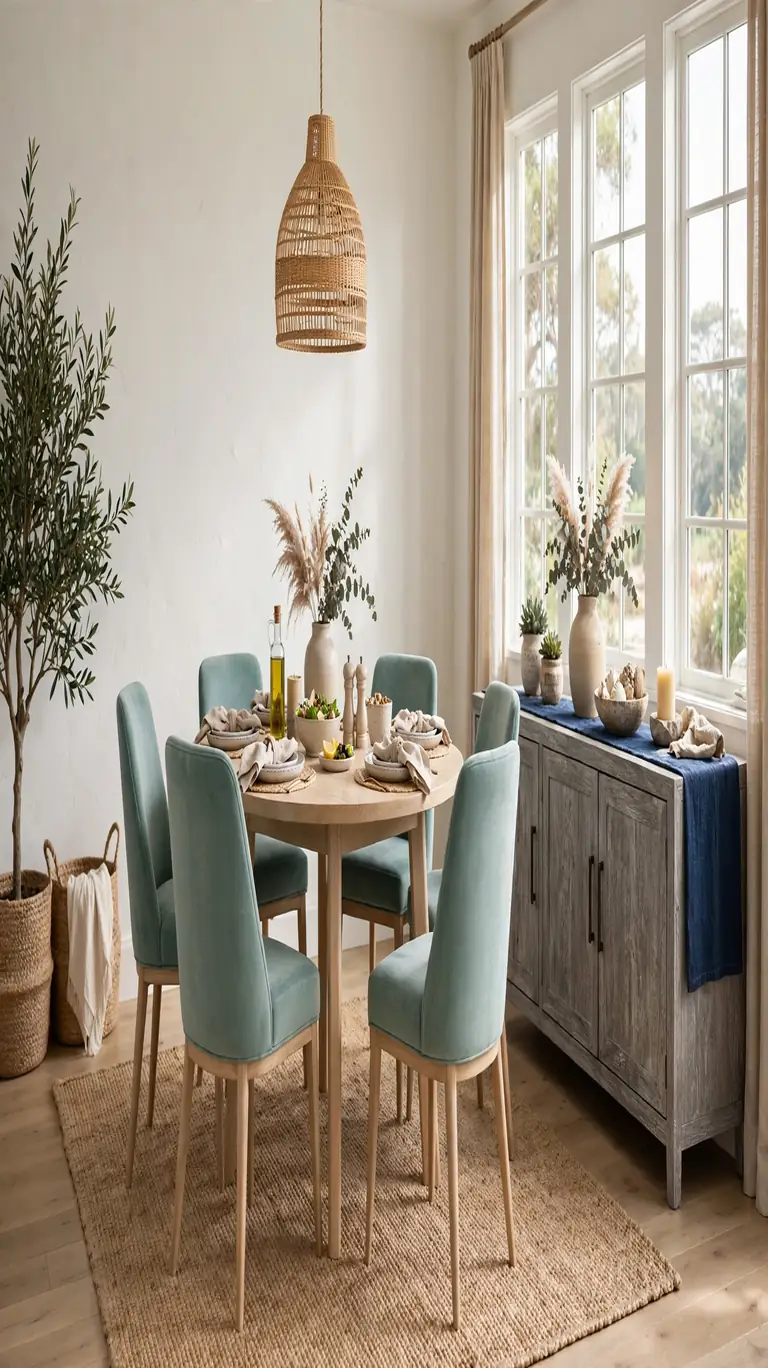
Nautical color goes way beyond navy and white. The most convincing coastal rooms layer in the colors you’d actually see at the shoreline: warm sand, driftwood gray, sea glass green, soft sky blue, and the foamy white of breaking waves. Start with warm white or pale greige walls, which keep the room bright without feeling sterile, then bring the deeper colors in through textiles, art, and furniture.
A good rule of thumb is to let neutrals do most of the work, with navy as your anchor color and one watery accent, like seafoam or pale aqua, appearing in just a few places. That restraint is what separates a serene coastal room from a loud themed one. And remember that texture counts as color here: a jute rug reads as sandy beige, weathered wood reads as soft gray, and both deepen the palette without adding a single new paint color.
3. Choose Weathered, Driftwood-Toned Wood
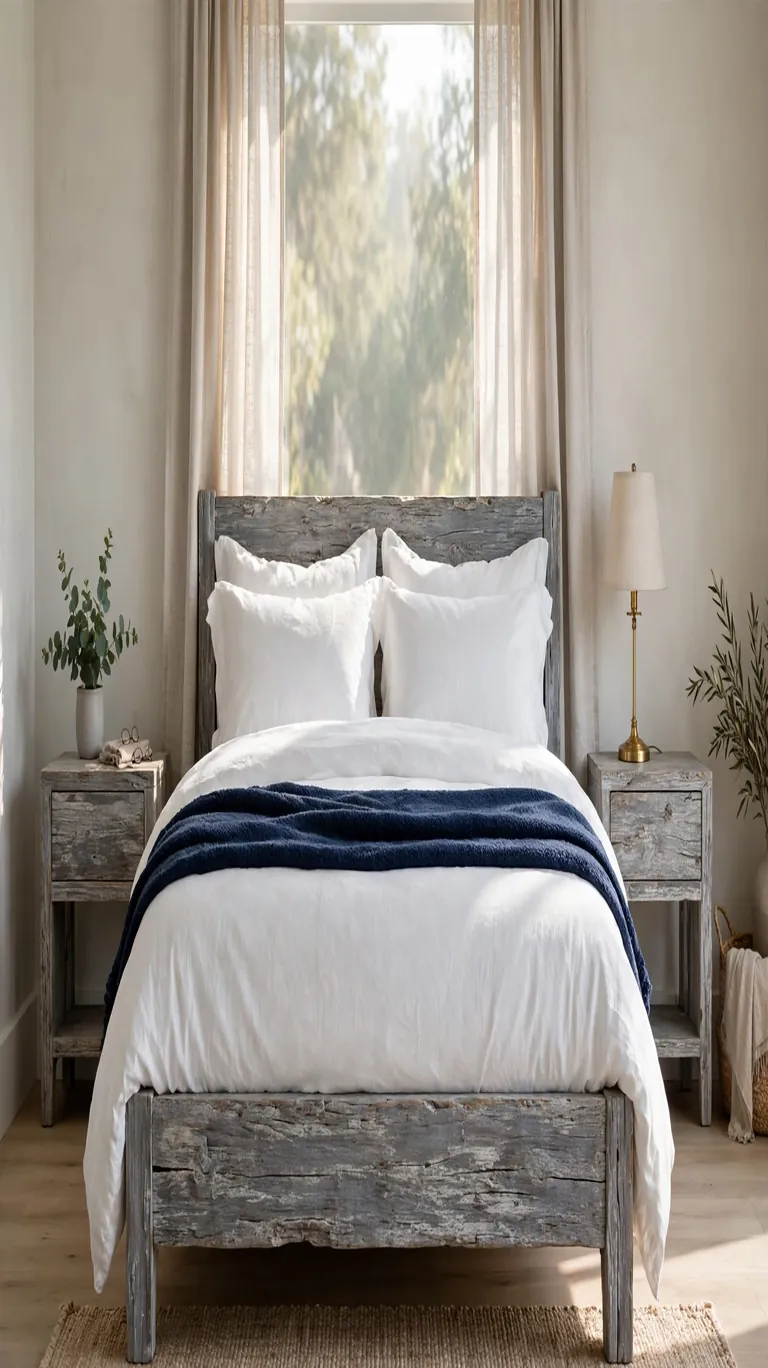
Nothing says seaside like wood that looks kissed by sun and salt air. Weathered, driftwood-toned finishes bring instant coastal character to coffee tables, consoles, bed frames, and dining tables. The gray-beige wash softens a room and pairs beautifully with white upholstery and navy textiles, giving you that collected, lived-near-the-water feel.
You don’t need to replace all your furniture to get there. One weathered statement piece per room is plenty, and it looks best next to something cleaner lined, which keeps the space from feeling like a beach shack. If buying new isn’t in the cards, a light gray wash over an existing wood piece can get you close: sand lightly first, brush on a thinned wash, then wipe back the excess so the grain shows through. Seal it with a matte topcoat so it stands up to daily use.
4. Work Rope Details into Small Moments
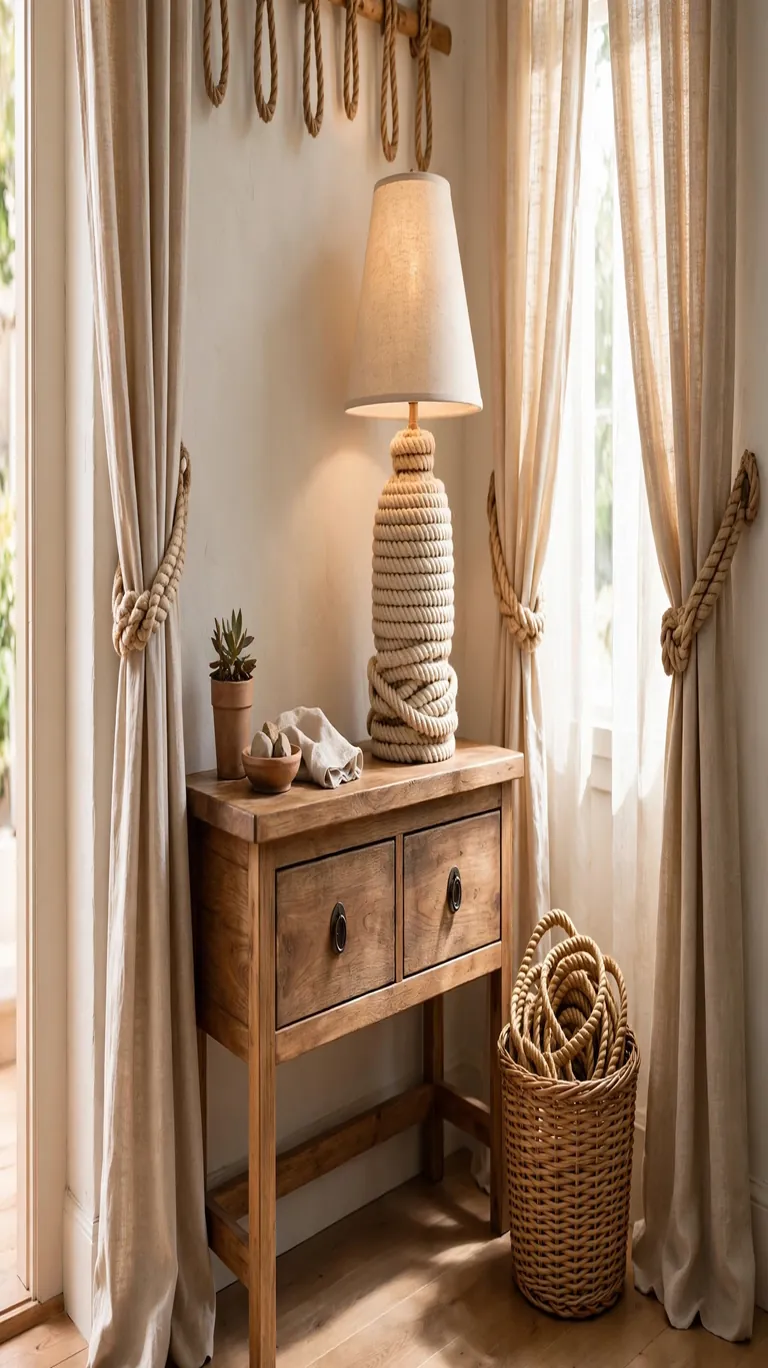
Rope is the unsung hero of nautical interiors. It shows up in real maritime life everywhere, from dock lines to rigging, and a little of it in a room adds authentic texture without shouting. Think thick cotton rope as curtain tiebacks, wrapped around the base of a table lamp, looped as drawer pulls, or framing a mirror. These small touches reward a second look and make a room feel thoughtfully layered.
Because rope is such a strong texture, keep it to two or three moments per room. A rope-framed mirror plus rope tiebacks in the same living room is charming; rope on the mirror, the lamp, the stair rail, and the basket handles starts to feel like a theme park. Natural manila or cotton rope in its raw color works best, while shiny synthetic rope tends to read cheap up close.
5. Hang Vintage Nautical Maps and Ship Prints
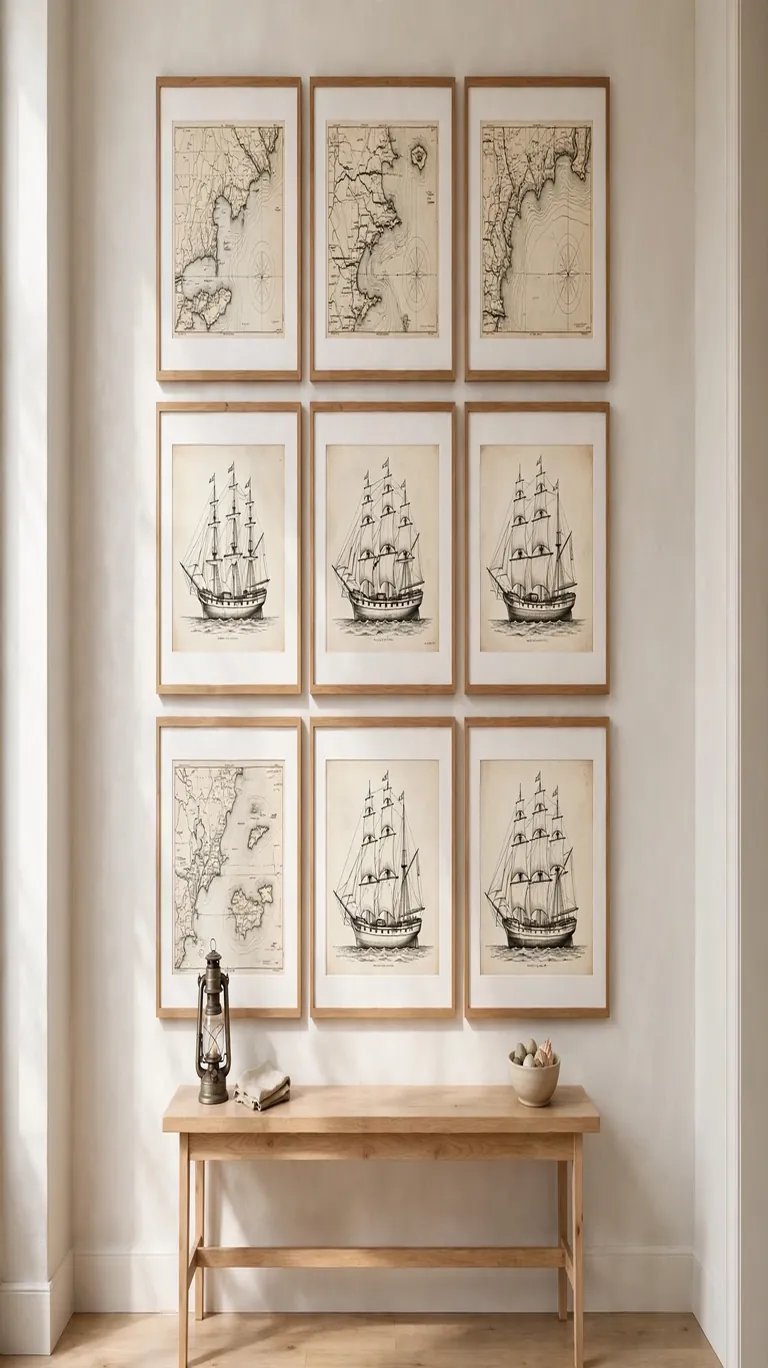
Framed charts, sailing diagrams, and old ship illustrations are the wall art equivalent of a great story. They add history and depth to a room, and they look collected rather than decorated. Hunt for vintage-style nautical charts of coastlines you love, line drawings of tall ships, or diagrams of knots and signal flags. One oversized framed map over a console or sofa makes a confident focal point.
Keep the framing simple so the art stays the star: thin natural wood, black, or brass frames with wide white mats. A gallery wall of smaller prints works too, but keep the spacing tight and the frames consistent or it will look scattered. For a personal touch, frame a chart of a coastline that means something to you, like where you grew up or honeymooned. It turns simple decor into a real conversation piece.
6. Add a Porthole-Style Round Mirror
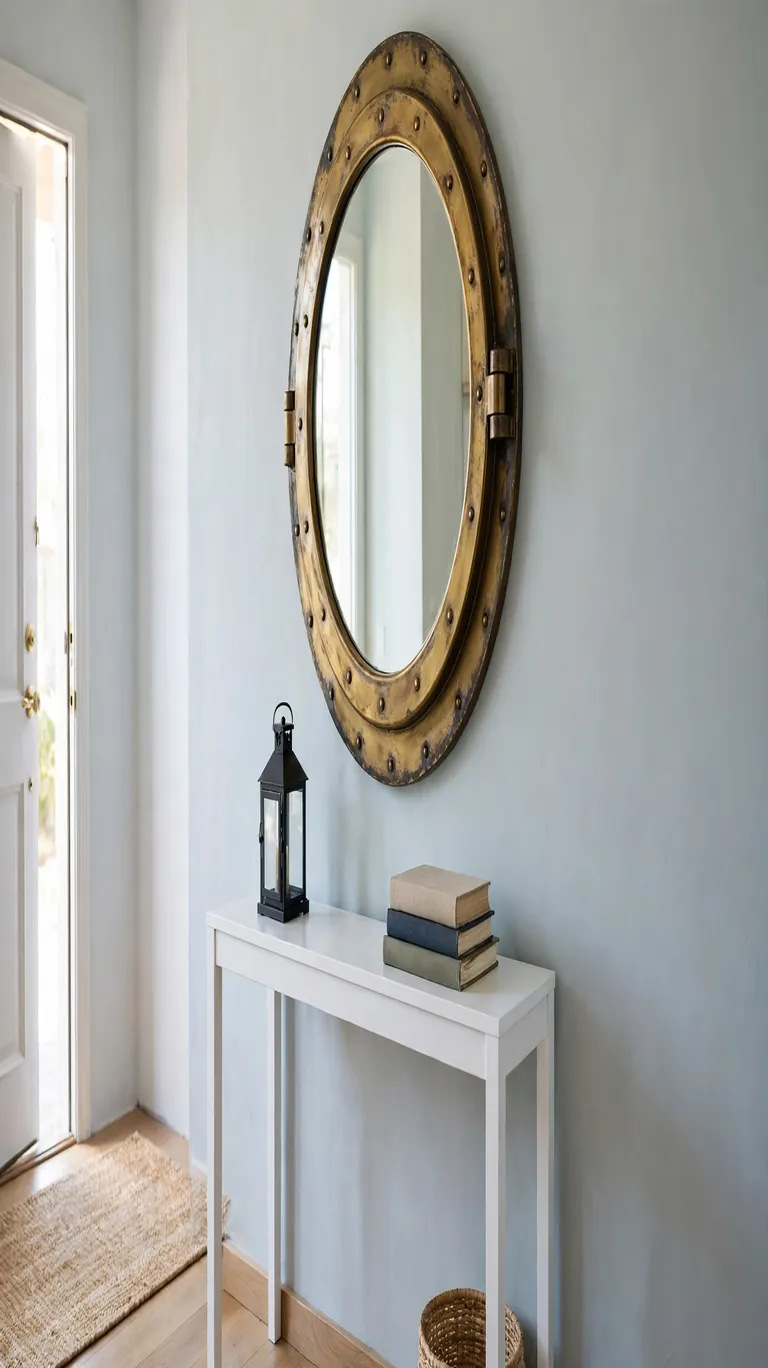
A round mirror in a chunky brass or dark wood frame is the easiest porthole nod you can make, and it works in almost any room. Hang one in the entryway over a slim console, in a bathroom above the vanity, or in a bedroom over a dresser. The circular shape breaks up all the rectangles of doors, windows, and furniture, which instantly makes a room feel more designed.
Size matters here. A mirror that’s too small looks like an afterthought, so go bigger than your instinct says, especially over a console or mantel. The frame is what sells the nautical reference, so choose one with some presence: aged brass, dark stained wood, or even a rope-wrapped frame if you want to double down on texture. And keep the glass clean, since a mirror only doubles the light in a room when it’s spotless.
7. Swap in Brass Fixtures and Hardware
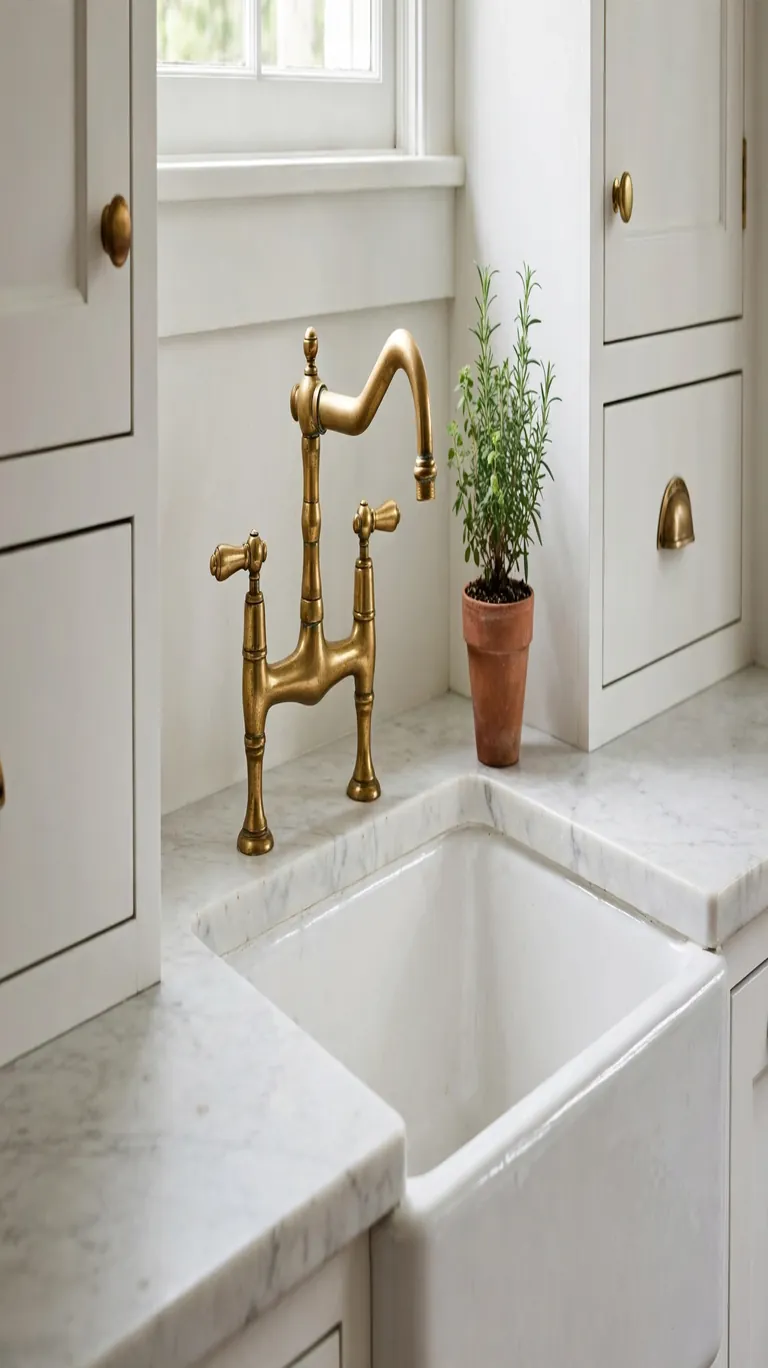
Brass is the metal of ships, from portholes to compasses to cabin fixtures, and it brings a warm, storied glow to a nautical room. Swapping out cabinet knobs, drawer pulls, a faucet, or a picture light for unlacquered brass is a small change with outsized impact. It reads as classic rather than trendy, which means you won’t be itching to rip it out in three years.
Unlacquered brass develops a natural patina over time, and that gentle aging is part of the charm in a coastal interior. If you prefer a polished look, lacquered brass stays shiny with just a wipe-down. Either way, limit yourself to brass plus one other metal in a room, like matte black or brushed nickel, so the finishes feel intentional. You don’t need much of it: even brass switch plates and a few knobs can warm up a whole kitchen.
8. Bring in Rattan and Wicker Pieces
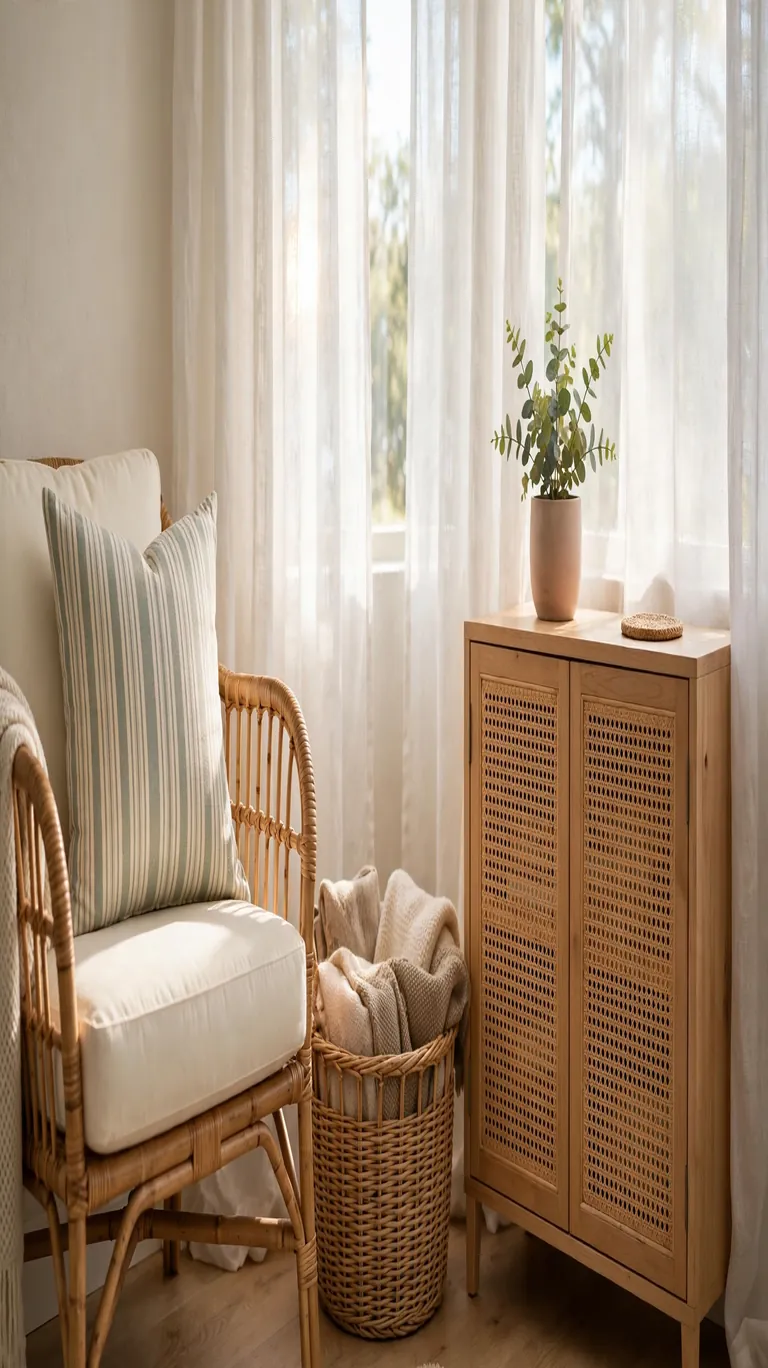
Rattan and wicker are coastal classics for a reason. They’re lightweight, breathable, and they bring an easy, vacation-like feel to any room. A rattan armchair in a reading corner, a set of wicker baskets corralling throws and magazines, or a cane-front cabinet in the dining room all add natural texture that pairs perfectly with linen and striped cotton.
The trick is mixing your weaves without overdoing them. One rattan chair plus one wicker basket is plenty for a small room; in a larger space you can add a cane bench or a rattan pendant light. Keep cushions simple, in solids or thin stripes, so the weave stays the star. And give natural fibers a dry, well-ventilated spot, since they’re happiest away from steamy bathrooms and damp corners.
9. Try Shiplap or Beadboard on One Wall
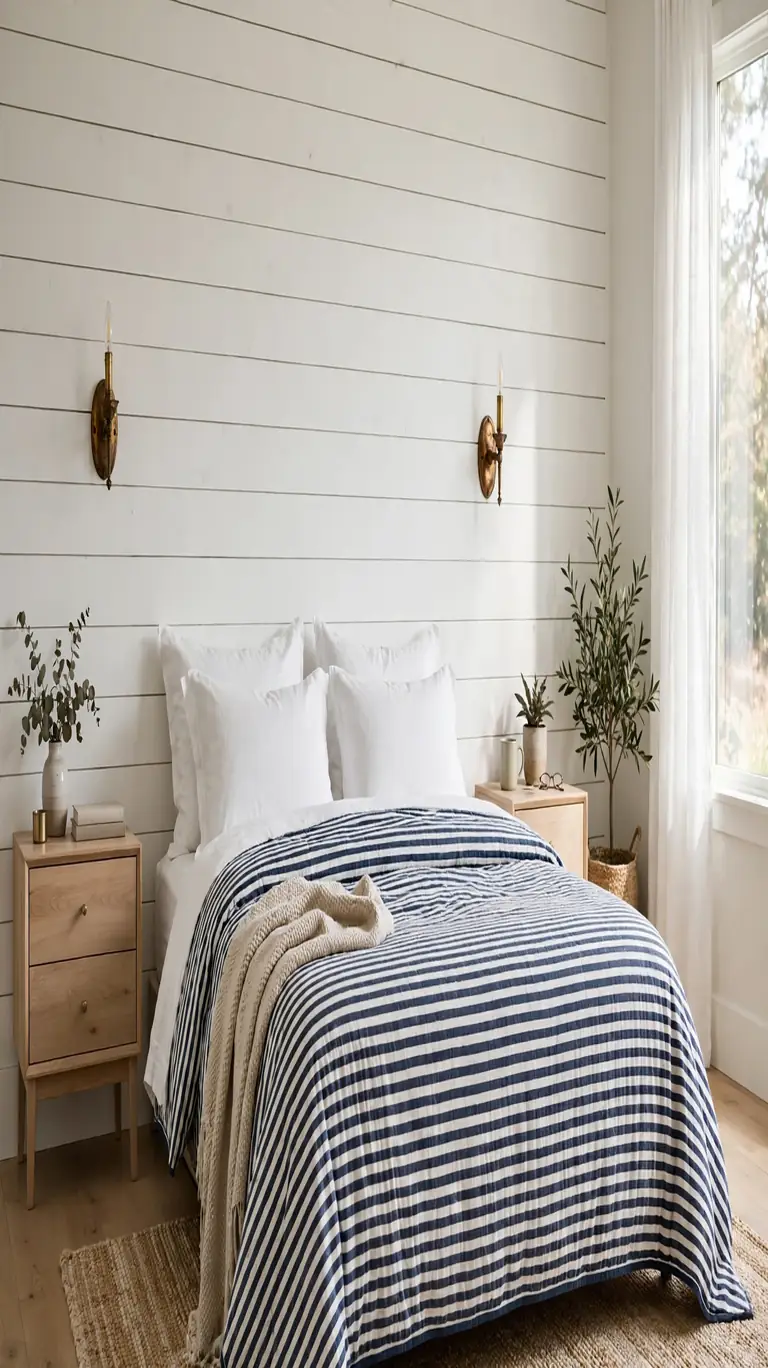
Few things read coastal faster than painted wood paneling. Horizontal shiplap gives you that breezy beach-cottage feel, while vertical beadboard leans a bit more traditional, like an old captain’s house. Either way, one accent wall is the sweet spot: behind the bed, behind the sofa, or in a dining nook.
Paint it white or a soft blue-gray and let the shadow lines do the work. Paneling every wall can feel like a movie set, but a single wall adds architecture and texture without overwhelming the room. Keep the decor on a paneled wall minimal, since the wall itself is already the feature. A simple piece of art, a sconce or two, and you’re done.
10. Layer Jute and Sisal Rugs
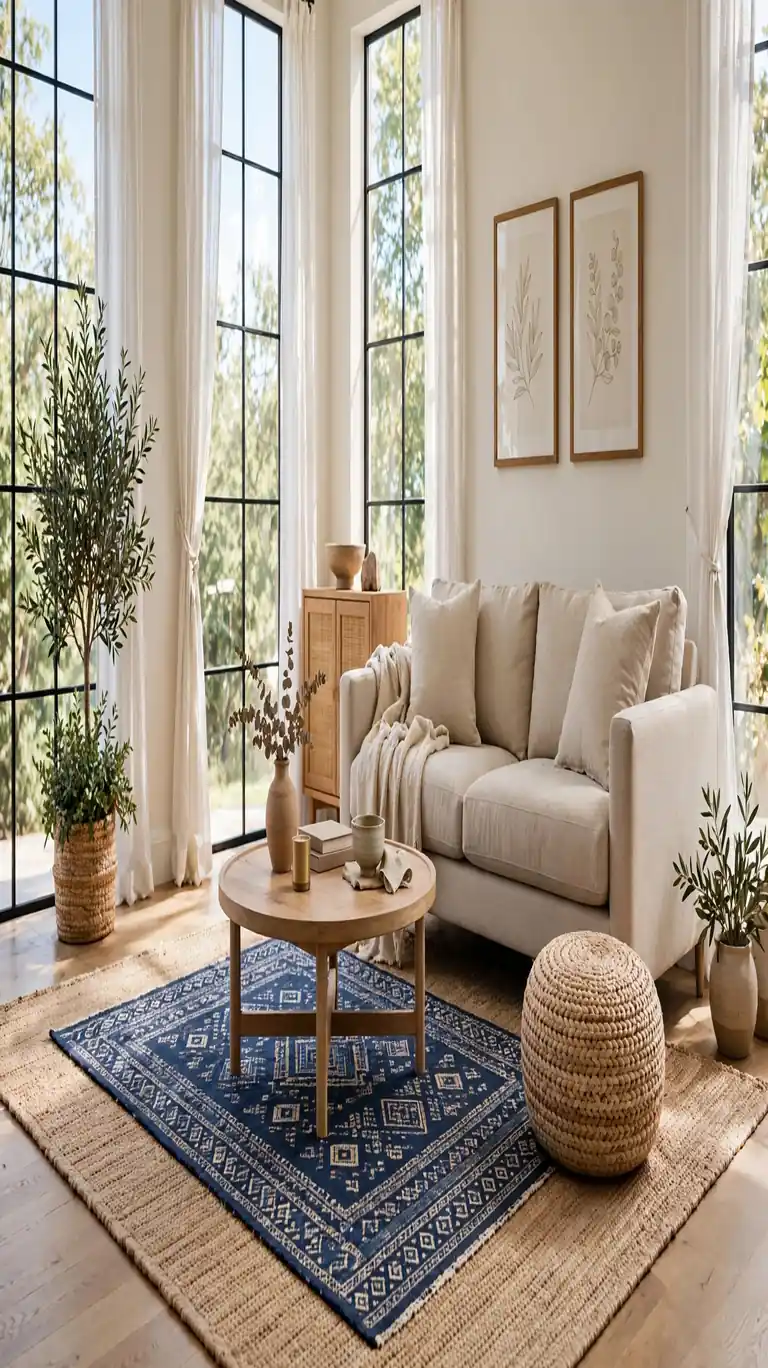
Natural fiber rugs are the foundation of so many great coastal rooms. Jute and sisal bring sandy color and nubby texture underfoot, and they’re tough enough for high-traffic areas. Start with a large flat-weave jute rug to define the seating area, then layer a smaller rug on top, like a navy striped cotton or a vintage-style patterned rug, for color and softness.
Layering works because it mimics how real collected homes evolve: a practical base with something prettier on top. Always use a rug pad underneath, since natural fibers can be rough on floors and tend to slide around. Know that jute sheds quite a bit at first and doesn’t love moisture, so keep it out of entryways where wet shoes land. In living rooms and bedrooms, though, it’s close to perfect.
11. Keep Fabrics Light with Linen and Cotton
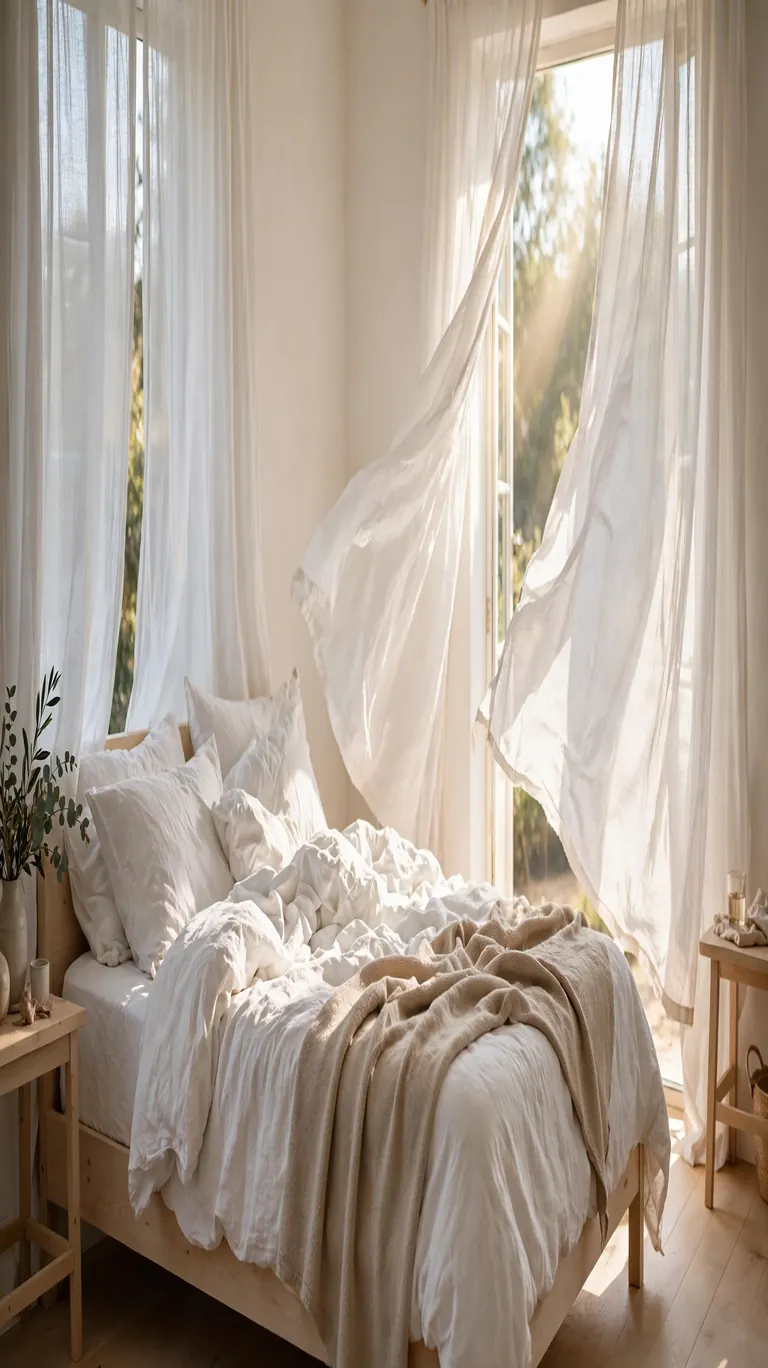
Nautical rooms should feel like a breeze could move through them, and fabric choice is what creates that feeling. Linen curtains that puddle just slightly, cotton slipcovers, gauzy sheers, and washed cotton bedding all move and breathe in a way heavy velvets never will. They catch the light beautifully and keep the whole room feeling relaxed.
Stick with warm whites, oatmeal, and soft natural tones rather than stark blue-white, which can feel cold and flat. Wash linen before hemming, since it shrinks, and embrace the wrinkles: pressed-perfect linen fights the whole relaxed point. Hang curtain rods high and wide so the panels frame the window generously and let in as much daylight as possible. Light is the real luxury in a coastal room.
12. Light the Space with Lanterns and Hurricane Glass
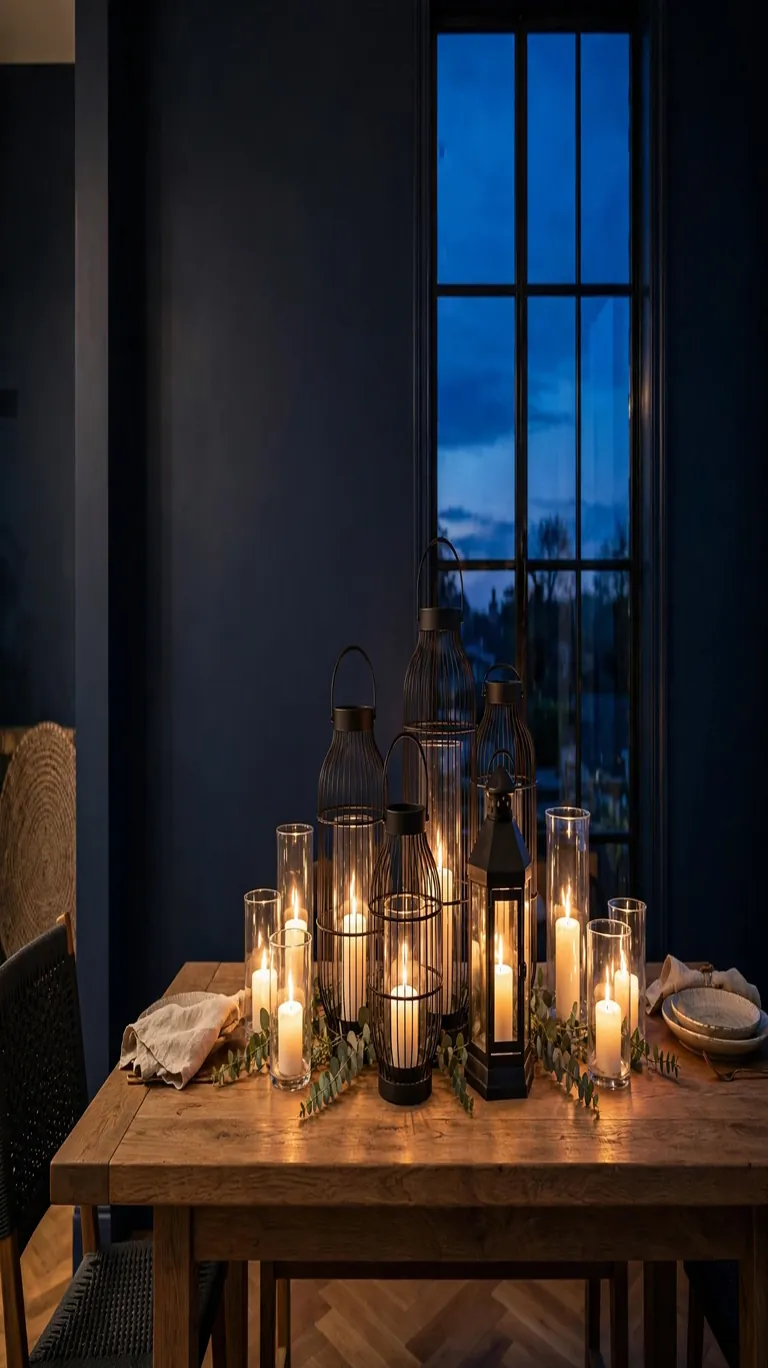
Lighting is where nautical style gets to be a little romantic. Caged metal lanterns, hurricane glass candle holders, and clear glass pendants all echo ship lighting, and they cast the kind of warm, flickering glow that makes an evening room feel magical. Cluster lanterns of different heights on a mantel, a dining table, or even a bathroom vanity.
Use warm white bulbs everywhere, and put overhead lights on dimmers so you can drop the brightness after sunset. A pair of lantern-style sconces flanking a mirror or a bed is a classic move that works in modern and traditional rooms alike. If you burn real candles in hurricanes, keep them away from curtains and never leave them unattended. Good flameless LED candles give you the same glow without any of the worry.
13. Display Coral, Shells, and Sea Glass Sparingly
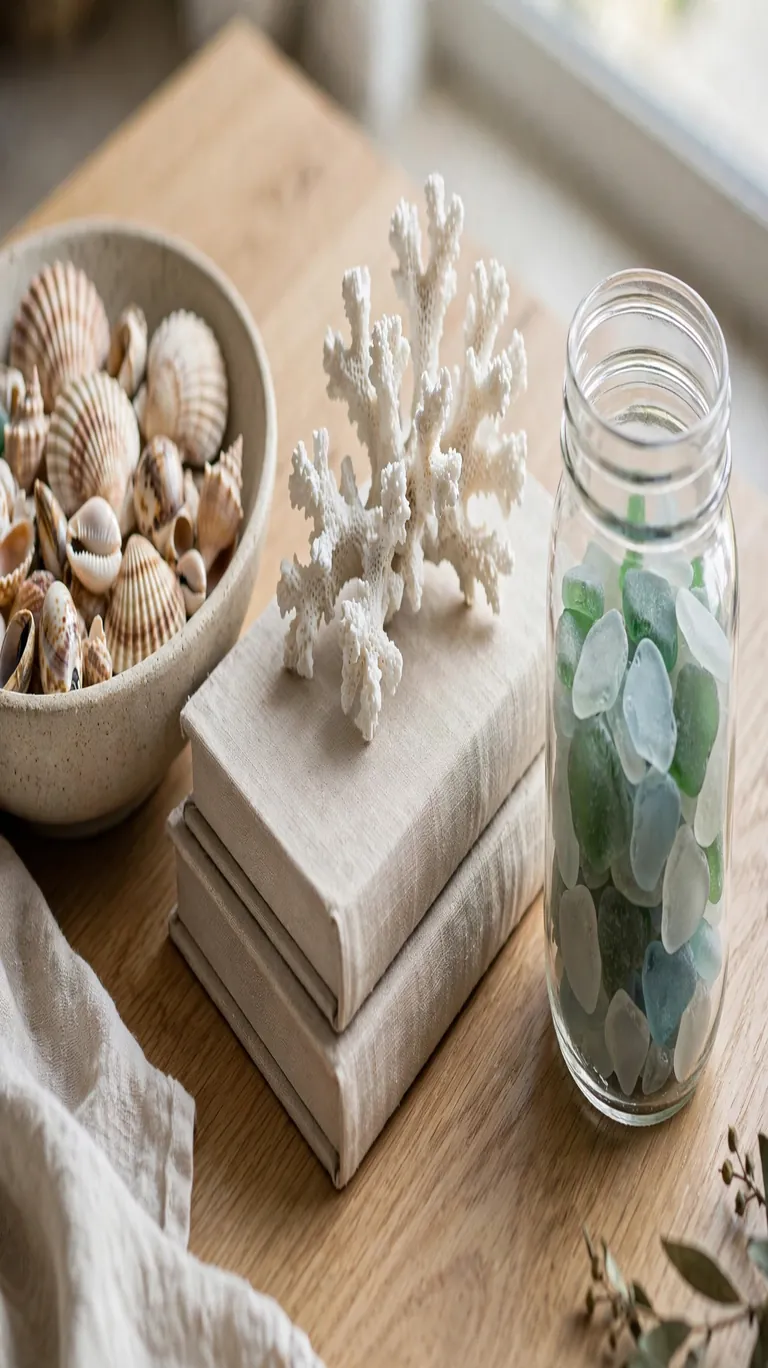
Natural treasures from the shore, coral branches, shells, sea glass, a beautiful piece of driftwood, are the jewelry of a nautical room. The key word is sparingly. A bowl of shells on the coffee table, one sculptural piece of coral on a stack of books, or sea glass gathered in a clear jar gives you that found-by-the-sea feeling without any clutter.
Curate like a collector, not a souvenir shop. One or two natural objects per surface is plenty, and give each piece some empty space around it so it reads as special. If you gather shells yourself, rinse them well and let them dry completely before displaying. Mix scales too: one large statement shell or coral piece has far more impact than a dozen tiny ones scattered around.
14. Build a Window Seat with Hidden Storage
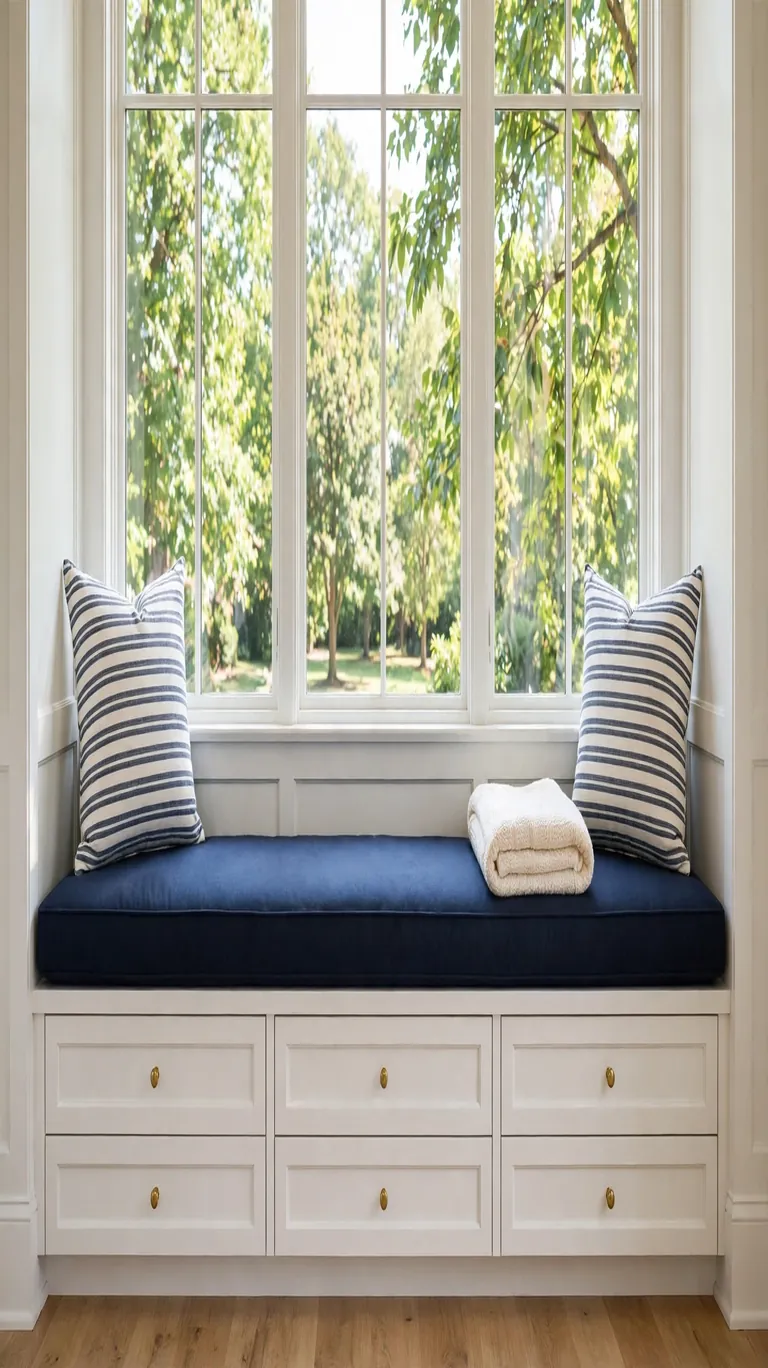
A window seat is the dreamiest piece of coastal furniture, and it’s practical too. Build or buy a bench to fit under a sunny window, add a thick cushion in a durable striped or solid fabric, and pile on a few pillows. Suddenly you have a reading nook, extra seating for guests, and, if you plan it right, a generous stash of hidden storage inside.
A hinged lid or a set of deep drawers turns dead space into room for blankets, board games, or off-season decor. Aim for a seat height close to a standard dining chair so it’s genuinely comfortable, and choose a cushion fabric that can take sunlight without fading fast. This works beautifully in bedrooms, breakfast nooks, and kids’ rooms. It’s the kind of feature guests always remember.
15. Keep Upholstery Relaxed with Slipcovers
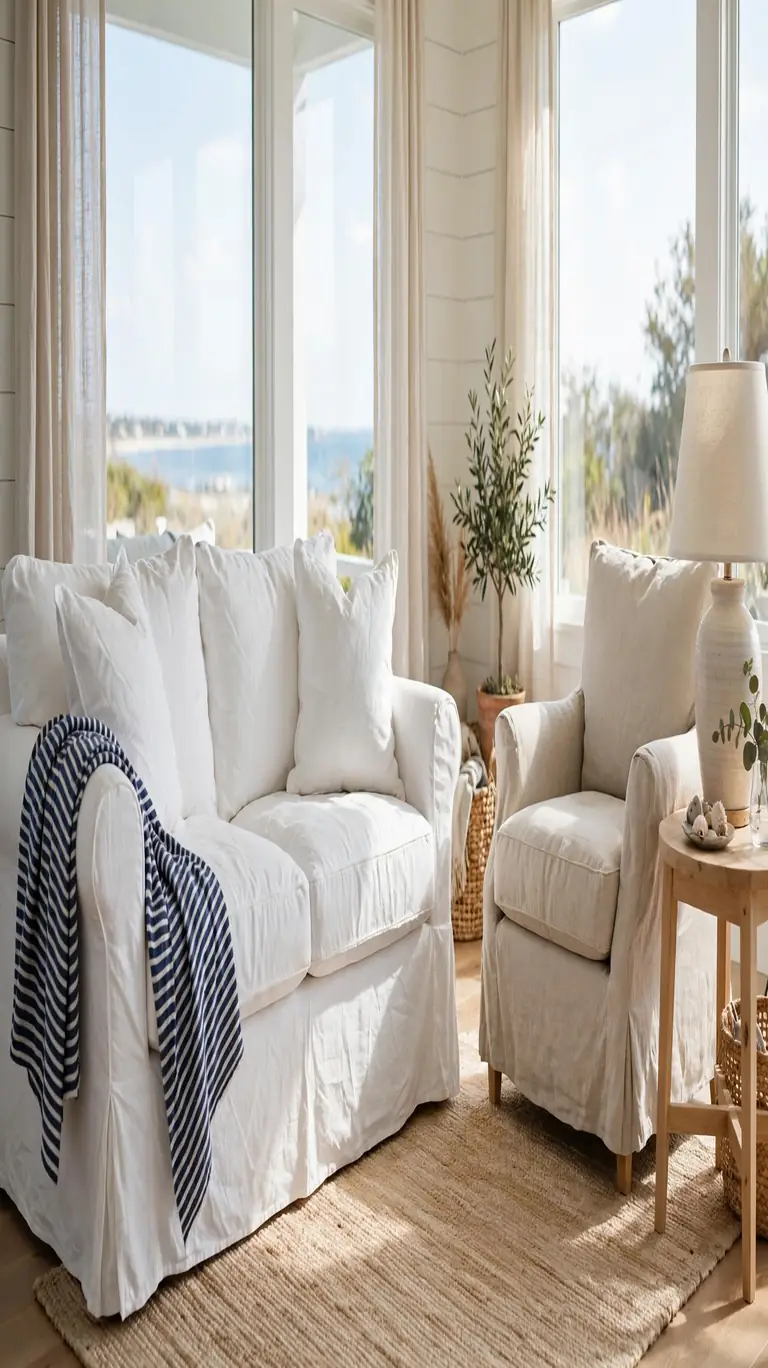
Nothing says easy coastal living like a slipcovered sofa. The relaxed, slightly rumpled fit is the whole point: it looks inviting, it hides a multitude of sins, and most slipcovers come off for washing, which is a lifesaver with kids, pets, or sandy feet. White, oatmeal, and light khaki are the classic choices that go with everything.
For the best fit, wash the slipcover first and put it back on while it’s still slightly damp; it will tighten up as it dries. Tuck the fabric deep into the crevices and smooth it by hand rather than expecting a tailored, structured look. If your sofa didn’t come with a slipcover, made-to-measure options exist for most popular sofa shapes. Pair slipcovered pieces with a natural fiber rug and a striped throw, and the room practically styles itself.
16. Style Open Shelves with Blue-and-White Ceramics
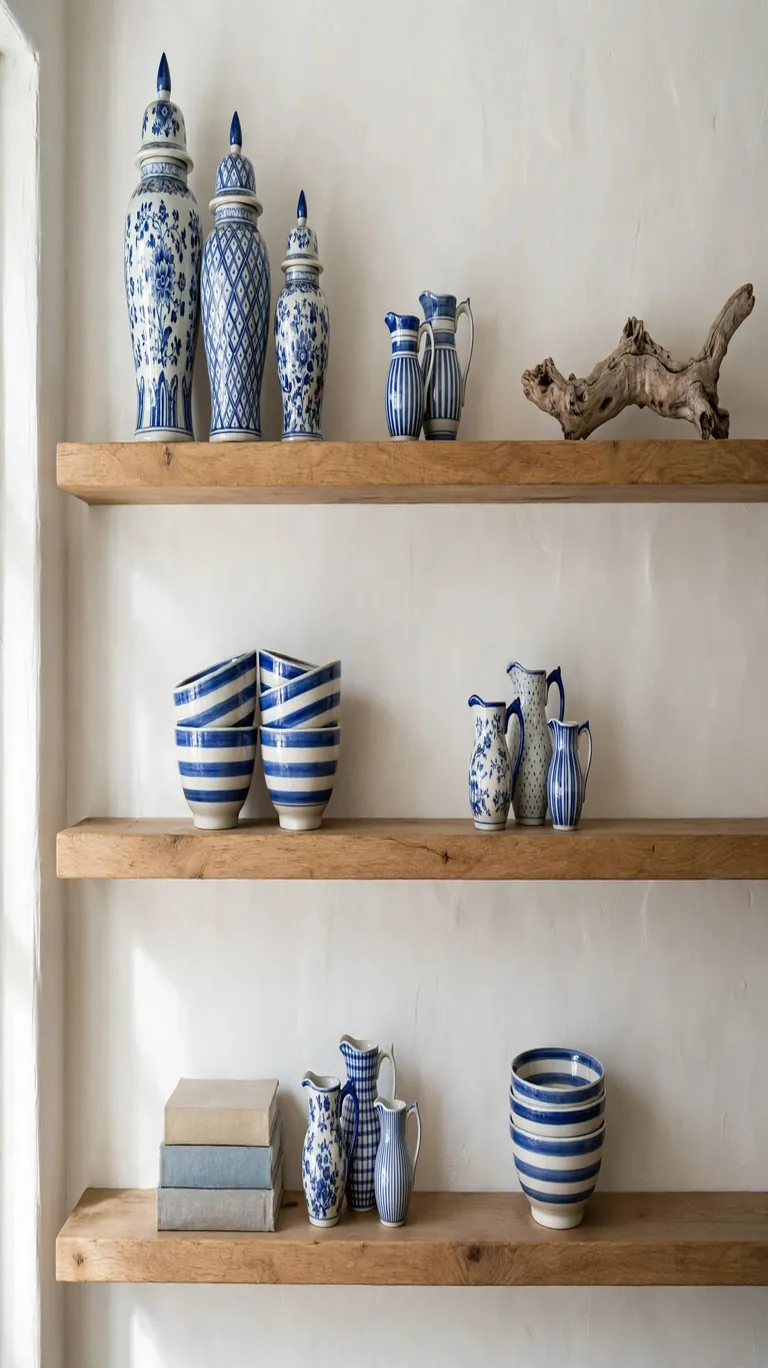
Blue-and-white pottery, ginger jars, striped bowls, coastal pitchers, has been collected for centuries, and a shelf of it is pure nautical charm. Style open kitchen shelves, a bookcase, or a dining room hutch with a mix of pieces in varying heights. The classic blue-and-white palette ties straight back to your textiles without repeating the same stripe again.
Group pieces in odd numbers and vary the heights so the arrangement feels organic rather than lined up like soldiers. Mix in one or two non-ceramic objects, like a small stack of books or a piece of driftwood, to keep it from feeling like a store display. You don’t need expensive antiques here; thrifted and new pieces mix beautifully as long as the blue tones sit in the same family.
Frequently Asked Questions
What’s the difference between nautical and coastal interior design?
They’re cousins, not twins. Coastal design is the broader look: light, airy rooms inspired by the beach, with natural textures and a soft, sun-washed palette. Nautical is more specific, drawing from actual maritime life: stripes, rope, brass, ship-inspired details, and deeper navy tones. Think of coastal as the beach house and nautical as the sailor’s cabin.
How do I decorate with nautical style without it looking kitschy or overdone?
Restraint is everything. Stick to one or two clear nautical references per room, like striped textiles plus a brass fixture, and let natural materials do the rest of the talking. Skip the novelty items: life rings, plastic anchors, and punny signs are what tip a room into theme territory. When in doubt, take one themed item away; the room will almost always look better.
What colors work best in a nautical living room?
Start with warm white walls and layer in navy as your main accent, then add supporting tones from the shoreline: sand, driftwood gray, sea glass green, and soft sky blue. Keep neutrals doing most of the work, with deeper colors in textiles, art, and a few furniture pieces. Avoid piling on too many bright blues at once; one or two watery tones are plenty.
Can I mix nautical decor with modern or farmhouse furniture?
Absolutely, and honestly the best nautical rooms do. Nautical elements are mostly about color, texture, and a few details, so they layer easily over modern, farmhouse, traditional, or transitional furniture. A striped rug and a brass lamp look great next to a clean-lined modern sofa, and a weathered wood table fits right into a farmhouse dining room. Just keep the overall palette consistent so the mix feels intentional.
What’s the easiest budget-friendly way to add nautical touches?
Textiles give you the most impact for the least money. A set of navy striped throw pillows, a striped cotton throw, or new linen-look curtains can shift a whole room toward coastal for very little. Next, try small swaps: brass cabinet knobs, a framed vintage-style nautical print, or a jute rug. Paint is cheap too, and one accent wall in soft blue-gray changes everything.
Conclusion
Nautical interior design endures because it’s rooted in real things: the honest materials of seafaring life, a palette pulled straight from the shoreline, and a relaxed attitude that never feels fussy. You don’t need to live by the water or spend a fortune to capture it. A few striped textiles, some weathered wood, natural fibers underfoot, and warm brass details will take you most of the way there.
The rooms that do this style best all share one quality: restraint. They hint at the sea rather than shouting about it. So as you try these ideas, keep editing. If a corner starts feeling themed, pull one item out and see if the room breathes easier. Let your pieces look collected over time instead of bought all at once, and don’t be afraid to mix nautical touches with whatever style you already love.
Start small, maybe with the striped pillows or the jute rug, and live with the change for a week before adding more. Great rooms are built in layers, not in a single shopping trip. Before long, you’ll have a home that feels like a deep breath: calm, bright, and quietly connected to the coast, no matter how far from the water you actually are.