17 Clever Japanese Organization Ideas to Maximize Small Spaces
My apartment used to feel like a puzzle I could never solve. Every drawer was stuffed, every corner had something leaning against it, and I could never find my keys. Then I started looking at how Japanese homes handle small spaces, and it changed the way I think about storage completely. Japanese organization is not about buying more bins. It is about giving every single item a home and keeping surfaces calm. In this list you will find 17 japanese organization ideas that work in real apartments, not just showroom photos. Some use low furniture, some use woven baskets, and some just change how you look at a corner you already have. If your space feels tight, these ideas will help you breathe a little easier without a full renovation.
1. Genkan Entry Bench
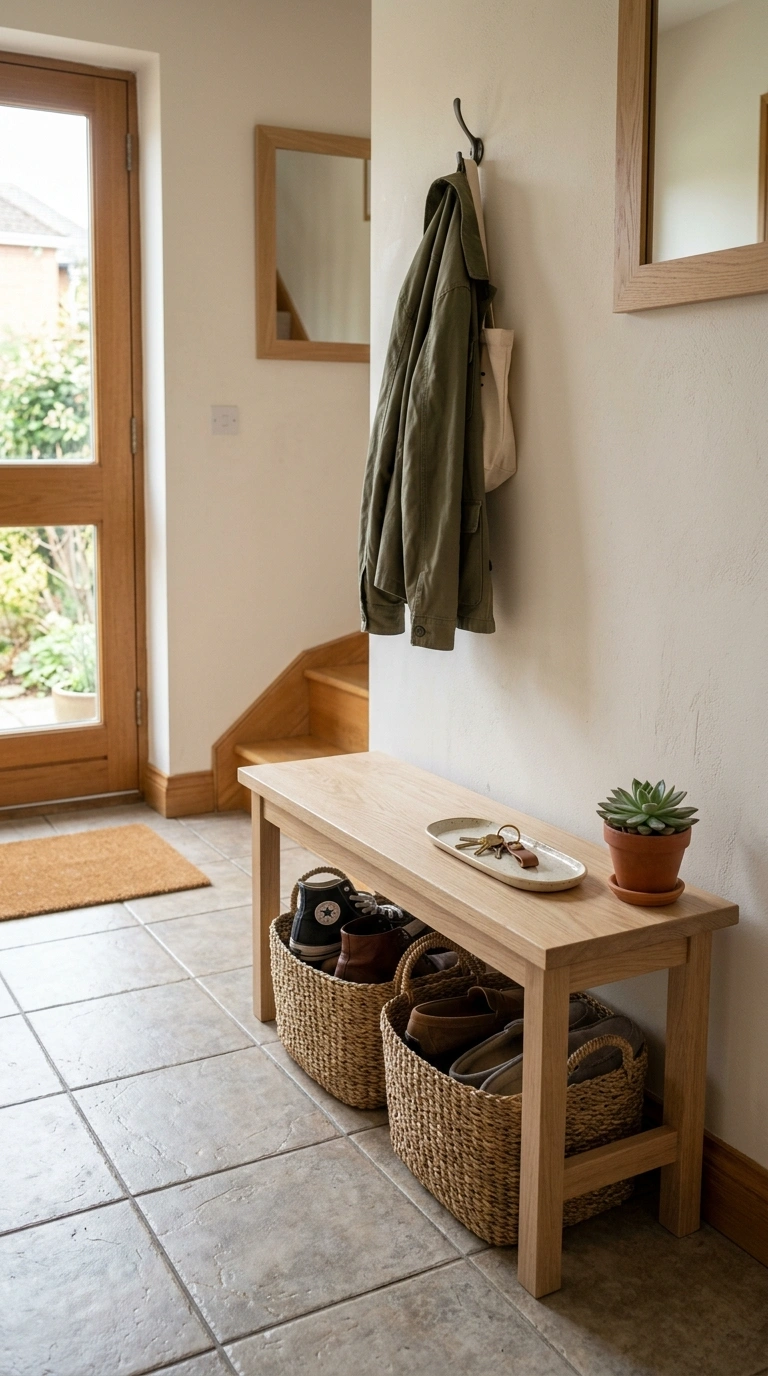
A genkan is the entry step where shoes come off before stepping into the home, and it is one of the smartest japanese home organization habits you can borrow. Add a low wooden bench near your front door, no taller than knee height, made from light oak or pine. Under the bench, slide two or three shallow woven baskets to hold shoes, umbrellas, and outdoor bags. Keep the wall above it bare except for a single wall hook for a coat. This tiny shift stops shoes and bags from piling up in the middle of your entryway. If you rent and cannot install a bench, a slim console with an open shelf underneath works the same way. The key is keeping everything at one level, off the floor, and out of sight, so your entry stays clear the moment you walk in.
A low entryway wood bench gives you a place to sit while removing shoes and doubles as a landing spot for bags. Look for one with open space underneath so baskets can slide in easily.
2. Low Wooden Storage Chest
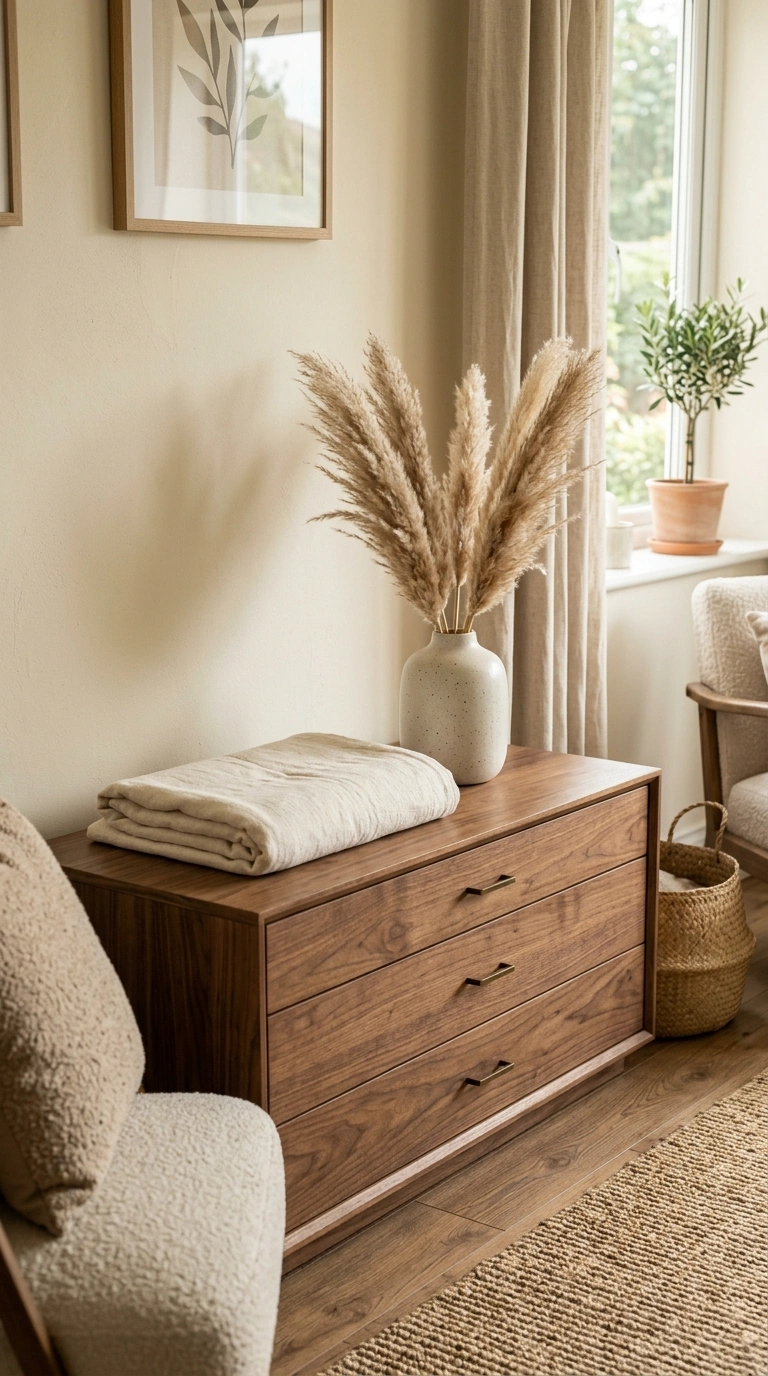
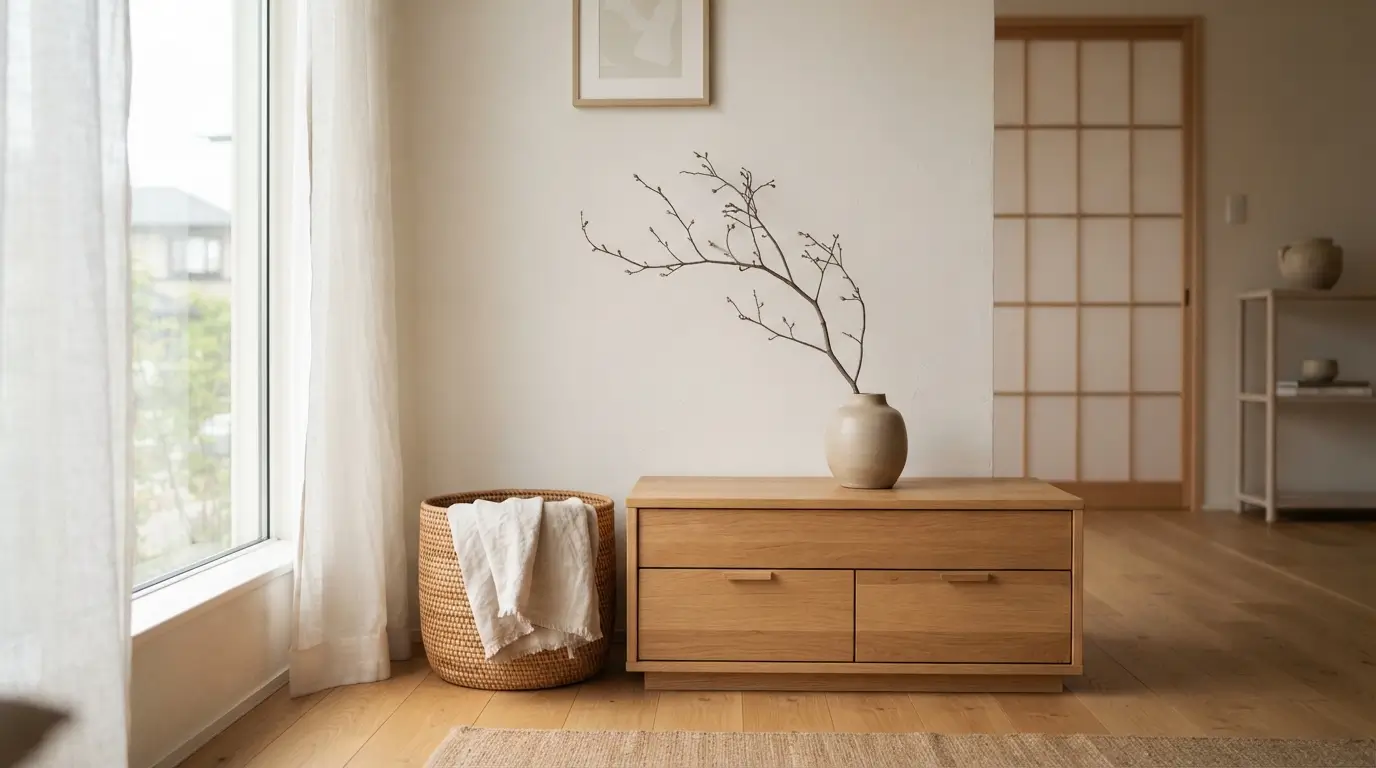
A low wooden chest, sometimes called a tansu style piece, sits close to the ground and holds far more than it looks like it can. Place one against a bare living room wall or at the foot of your bed. Choose a chest with two or three drawers in warm walnut or natural oak, and top it with a single ceramic vase or a folded linen throw. Use the drawers for blankets, seasonal clothing, or paperwork you do not need daily. Because the chest sits low, it keeps the room feeling open instead of boxed in, which matters a lot in small space organization. Avoid stacking items on top of it beyond one or two objects. The empty space above the chest is just as important as what is inside it, since it gives your eye room to rest.
A low wood storage chest with a few drawers holds blankets or off-season clothes while staying close to the ground. Its height keeps the room feeling open, which matters in a smaller living area.
3. Sliding Shoji Panels
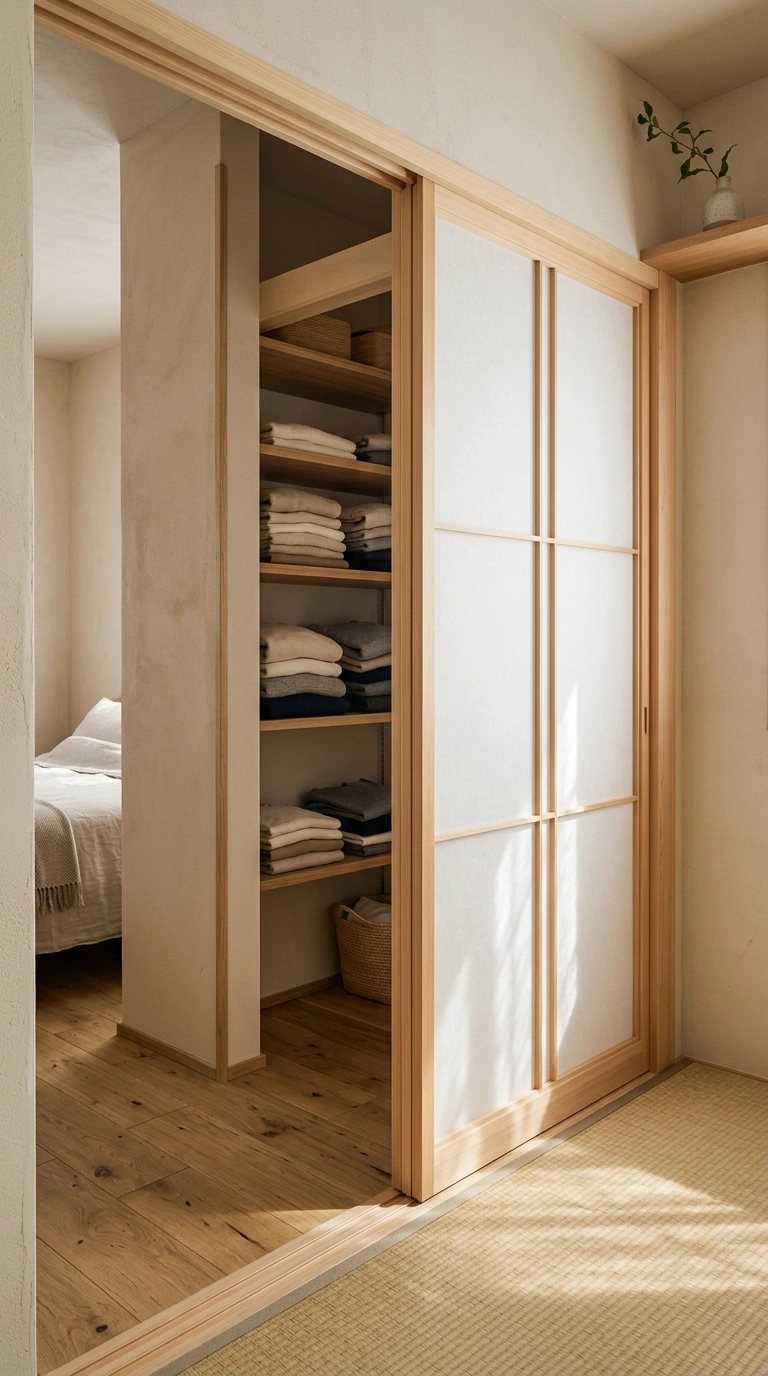
Shoji panels are lightweight sliding screens made from a wooden frame and translucent rice paper, and they solve a problem swinging doors cannot. In a small bedroom or studio, use a sliding panel to close off a closet or a sleeping nook instead of a hinged door that eats up floor space when open. The soft paper lets light pass through, so the room never feels shut off or dark. You can build a simple track along the ceiling or buy a ready made kit sized to your closet opening. Behind the panel, keep your japandi storage ideas working hard with slim shelving or hanging rods. From the outside, the panel becomes a calm, textured wall rather than a cluttered view of hangers and boxes. This trick works especially well in studio apartments where every door swing counts.
A shoji style sliding room divider can close off a closet or sleeping nook without the swing space a regular door needs. The translucent panel still lets light pass through the room.
4. Woven Basket Shelves
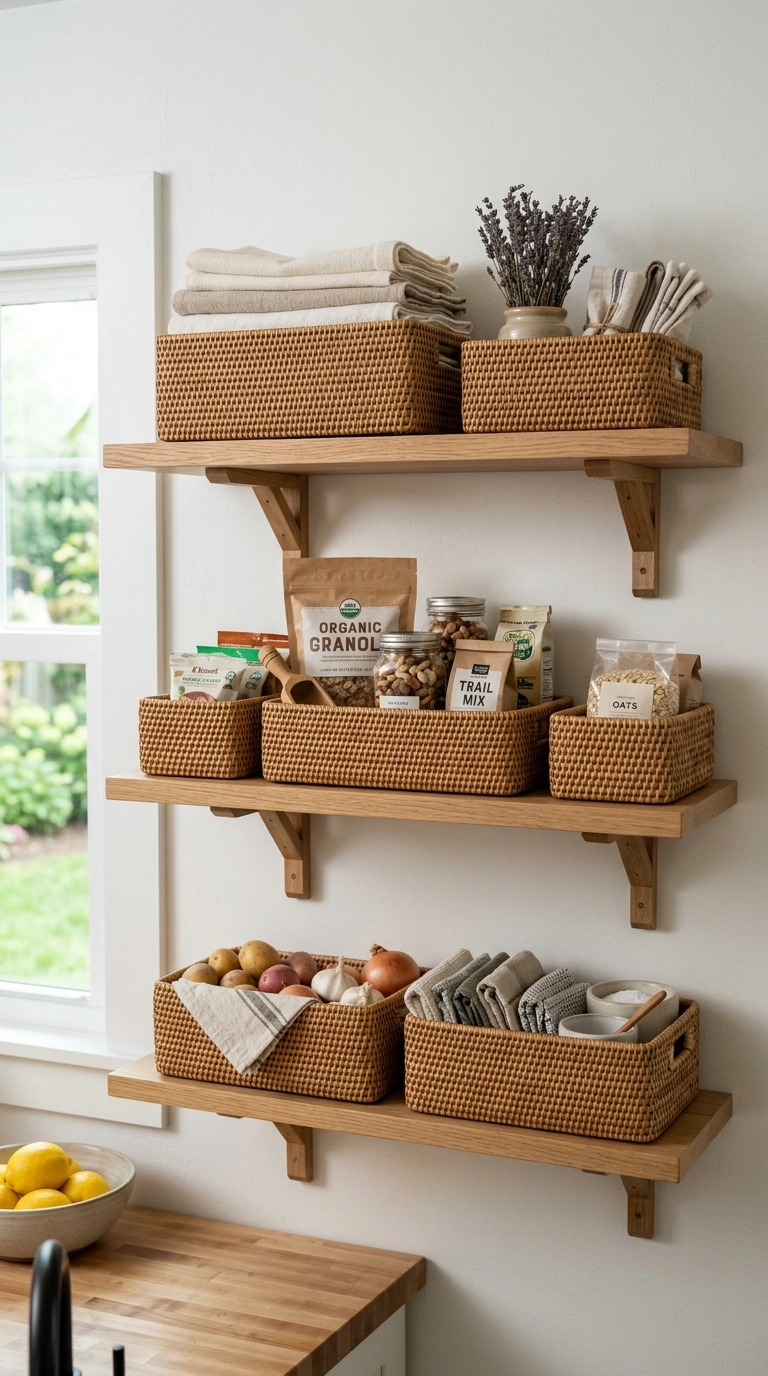
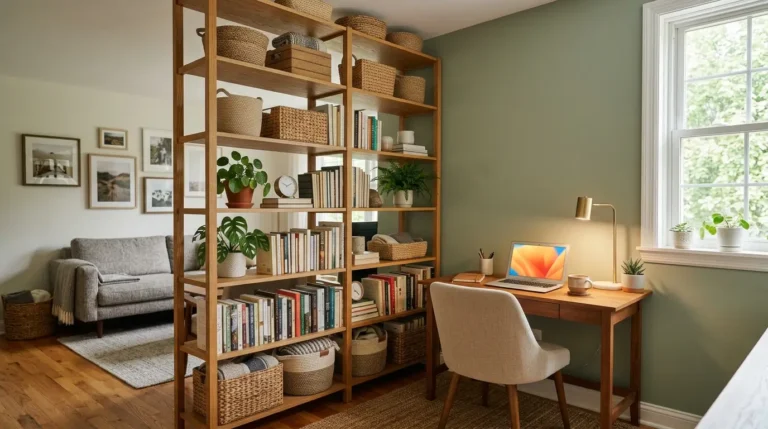
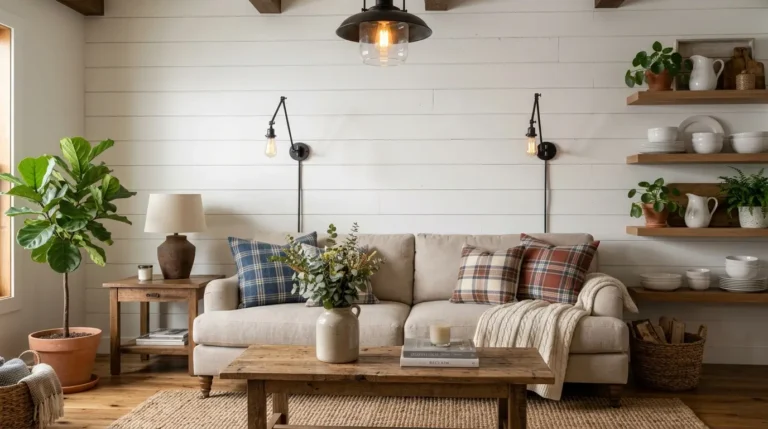
Open shelving keeps a room feeling airy, but open shelves can turn messy fast if you just pile things on them. Solve this by lining floating wood shelves with matching woven baskets in natural rattan or seagrass. Use small baskets for toiletries in a bathroom, medium ones for pantry snacks in a kitchen, and larger ones for toys or throws in a living room. Keep all your baskets the same material and similar sizes so the shelf reads as one clean unit instead of a mismatched collection. Label the front of each basket with a small wooden tag if you share the space with family. This is one of the easiest japanese organization ideas to copy this weekend, since it needs no tools beyond a shelf bracket and a few baskets from a home store.
Lining open shelves with matching woven storage baskets keeps loose items grouped together instead of scattered across the shelf. Choosing a few consistent sizes makes it easier to fit them neatly side by side.
5. Under-Bed Drawer Storage
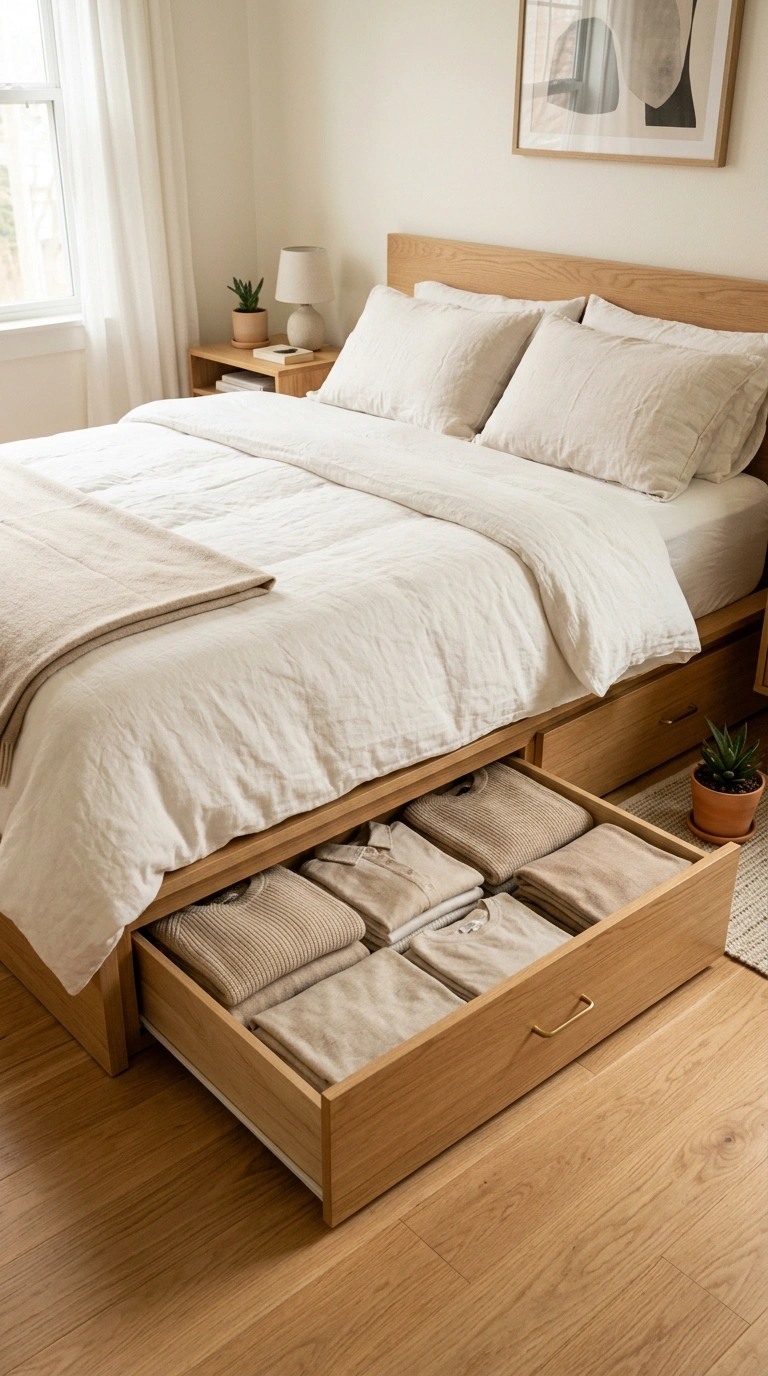
The space under a bed is often wasted, filled with stray boxes pushed in without a plan. Instead, use flat wooden drawers on small casters that slide out smoothly, sized to fit under a platform bed frame. Use one drawer for off-season clothing folded in soft fabric bags, and another for extra bedding or shoes you do not wear often. Choose drawers with a simple front panel in natural wood or matte white so they look intentional even when visible. This method is central to tatami storage thinking, where every layer of the room, including the floor level, earns its keep. If your bed frame sits too low for drawers, flat woven bins with lids work just as well and slide out just as easily for cleaning underneath.
Rolling under-bed storage drawers make use of the space beneath a platform bed for folded clothing or extra bedding. Look for a flat front panel so the drawers still look tidy when visible.
6. Minimalist Open Shelving
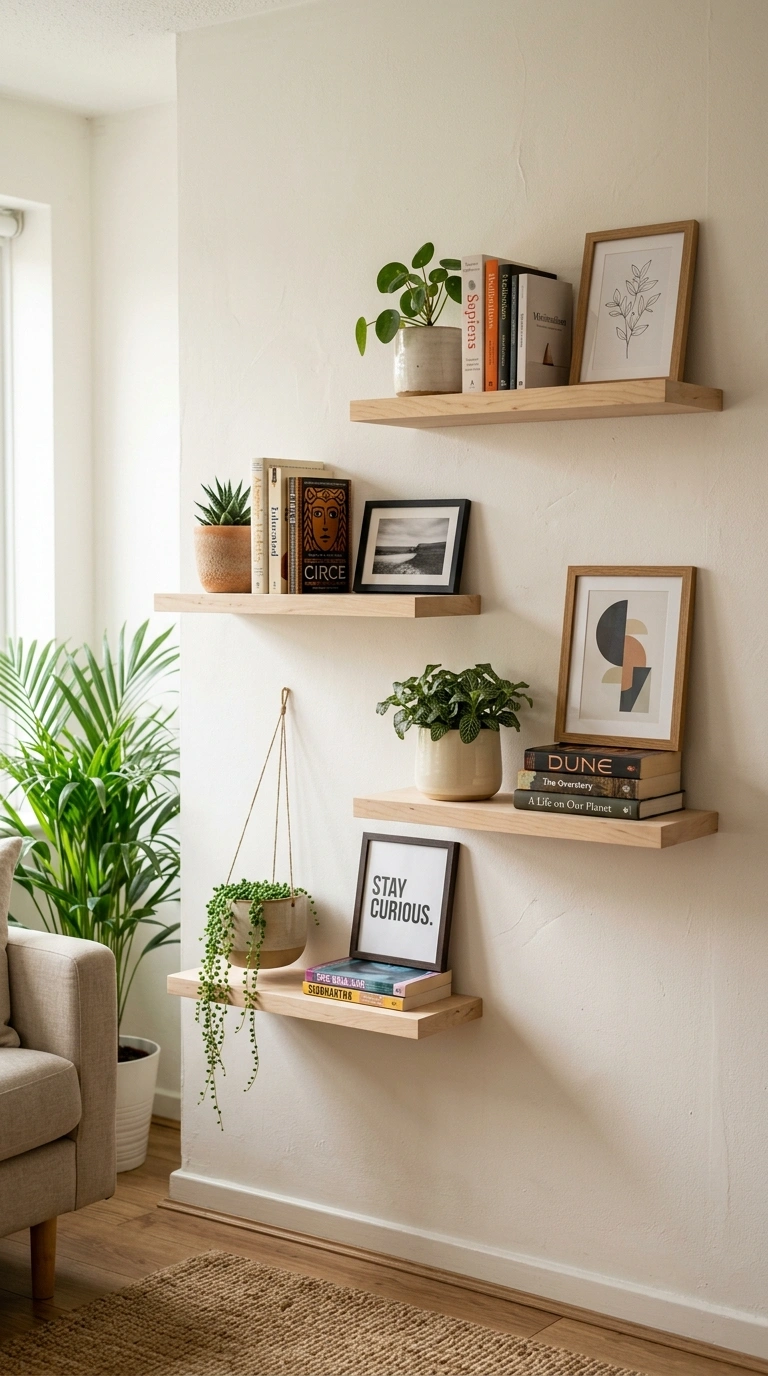
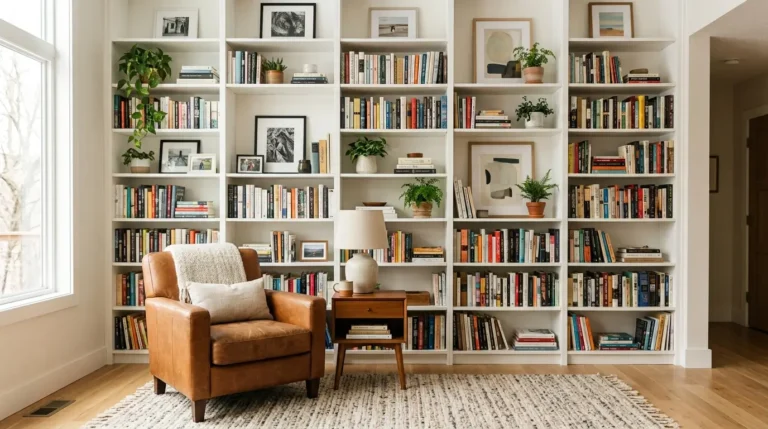
A single run of open wood shelving along a bare wall can replace a bulky bookcase and still hold everything you need. Mount three or four shelves in pale oak or birch, spaced generously apart so items do not feel crammed together. Style each shelf with only a few objects, a small stack of books, one plant in a ceramic pot, a single framed print leaning against the wall. Leave real gaps of empty space between groupings. This restraint is what makes japanese minimalist storage feel different from a normal shelf, since the empty space becomes part of the design instead of a mistake to fill. Keep cords and clutter off the shelves completely by routing them behind furniture. The result looks like a quiet gallery wall that also happens to be useful storage.
7. Tatami Corner Nook
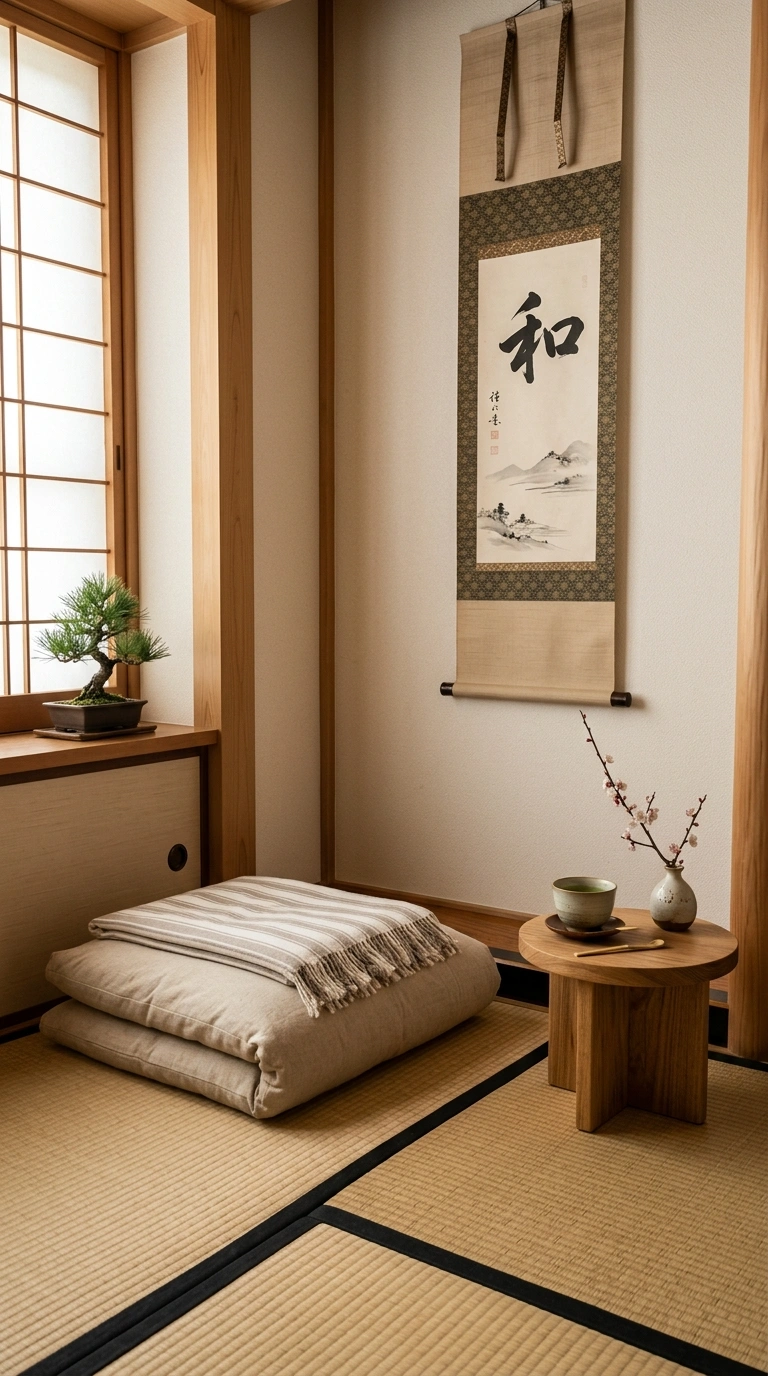
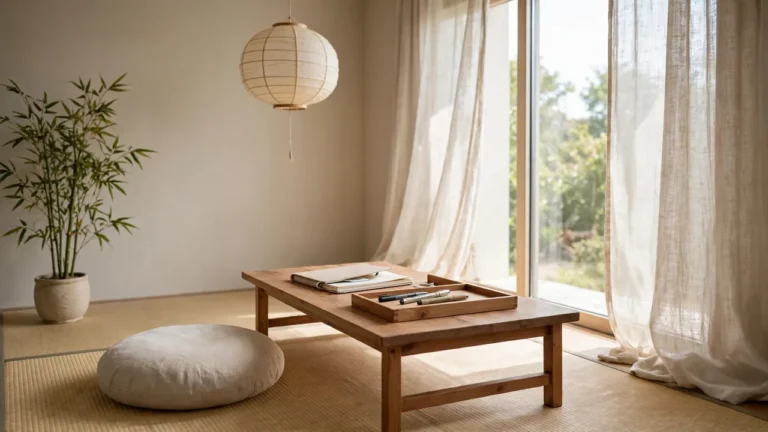
If you have an awkward corner that never seems to fit furniture, try laying down two or three tatami mats to create a small sitting nook instead. Tatami mats are woven straw flooring panels that add texture and a slightly raised platform feel to any room. Place a low floor cushion or a folded futon on top, add one small round side table, and keep the surrounding walls bare except for a single hanging scroll or framed art piece. This corner can become a reading spot, a meditation space, or simply a place to sit that does not require a full chair and ottoman set. Because tatami mats define the space visually, you do not need walls or furniture to separate this nook from the rest of the room, which makes it perfect for tiny apartment organization.
Placing tatami floor mats in an unused corner adds texture and gently marks off a sitting area without needing walls or furniture to separate it from the rest of the room.
8. Stackable Bento Bins
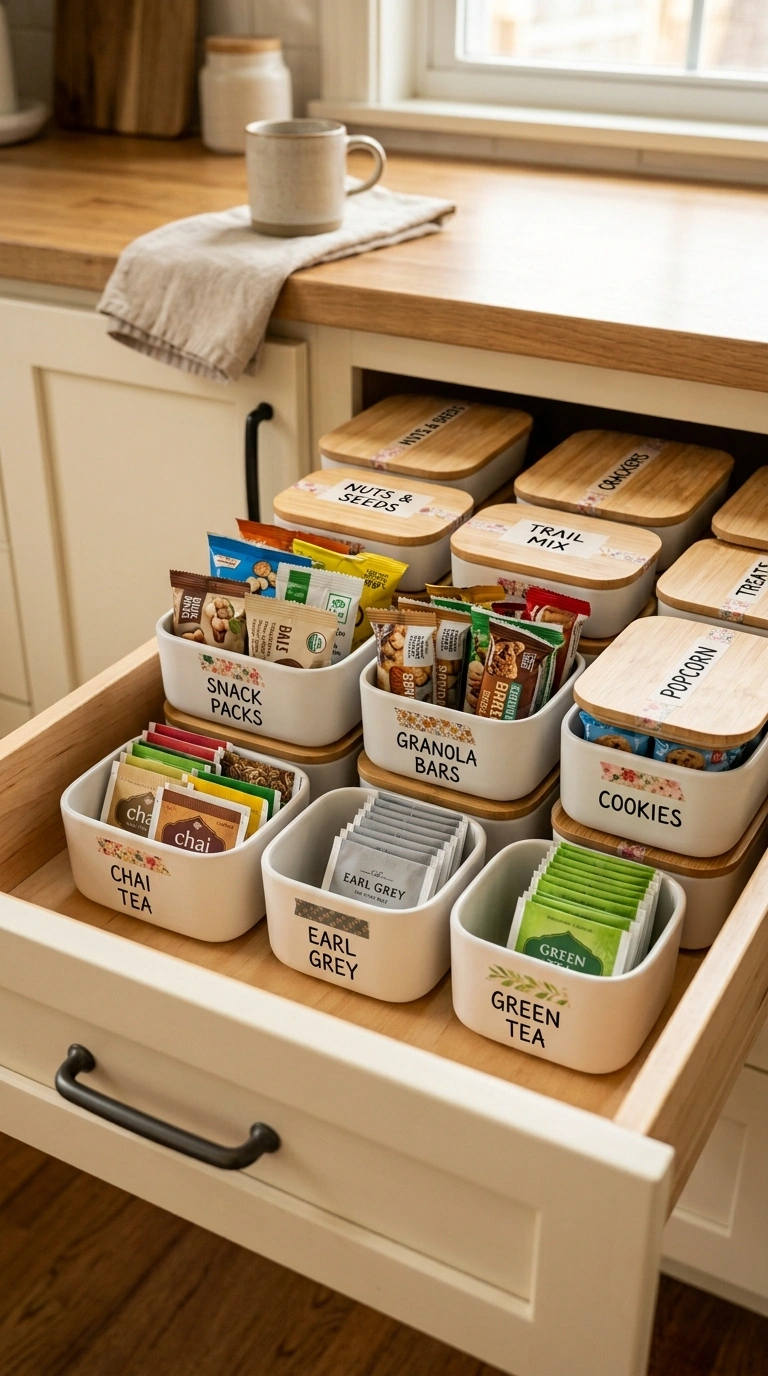
Inside kitchen cabinets, drawers often become a jumble of containers that never nest together properly. Switch to stackable bento style bins in matte white or natural wood tones, sized in a few consistent shapes so they stack cleanly without wasted gaps. Use the smallest bins for spice packets and tea bags, medium bins for snacks, and larger flat ones for flour or rice. Label each bin lid with a small strip of washi tape and simple handwriting. This system turns a chaotic cabinet into a tidy grid you can scan at a glance. It also makes cooking faster since you are not digging through bags to find what you need. This is one of the most practical japanese organization ideas for anyone working with a galley kitchen or limited cabinet space.
9. Hidden Closet Dividers
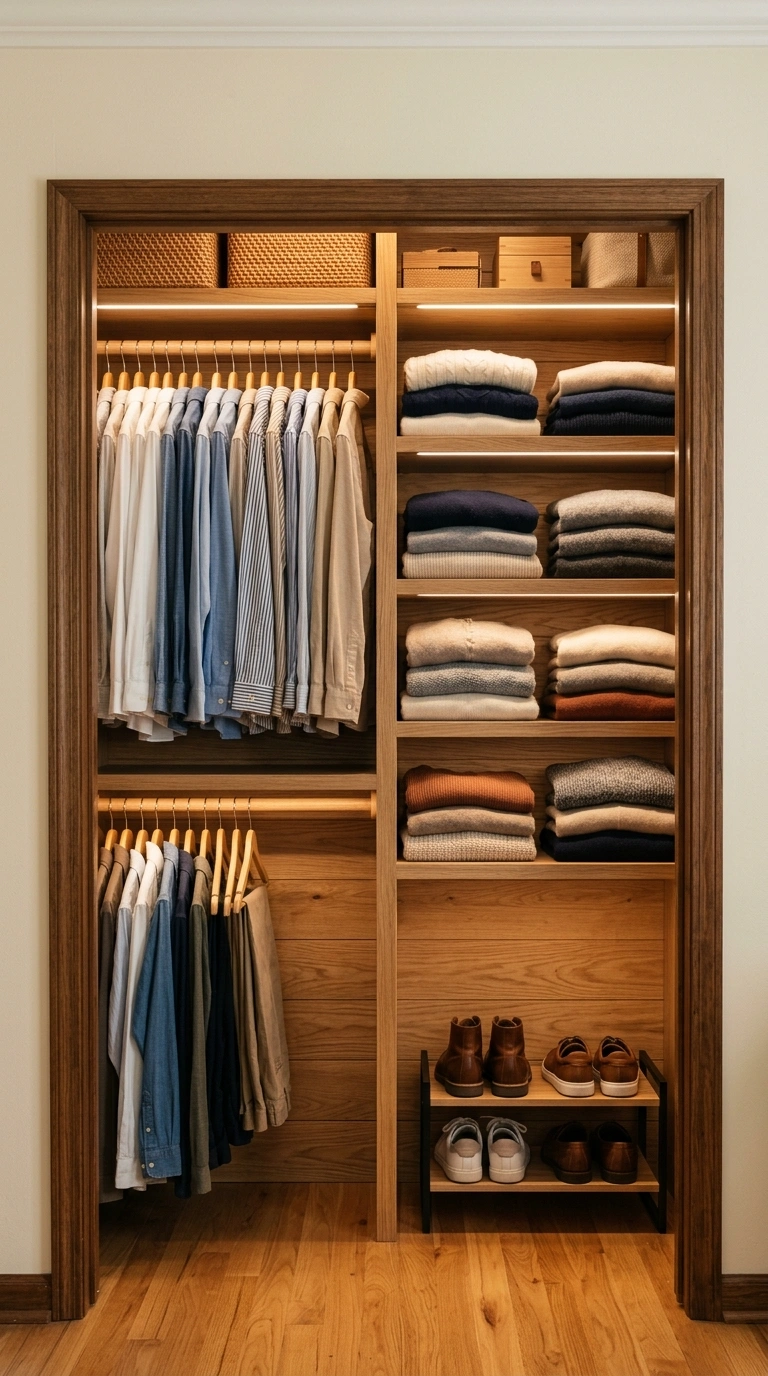
A closet without dividers quickly turns into one pile of folded and hanging items mixed together. Add simple wooden or fabric dividers inside your closet to split it into clear zones, one for hanging shirts, one for folded sweaters, one for shoes on a slim rack near the floor. Use thin wooden rods or hanging fabric panels to separate seasonal items you are not using right now, pushing them toward the back or top shelf. Keep everyday items at eye level and within easy reach. This zoning method is a core piece of japanese home organization, since it removes the need to think each time you get dressed. When everything has a clear zone, putting things away becomes automatic instead of a chore you keep putting off.
Adding closet drawer dividers splits a closet into clear zones for folded sweaters, hanging shirts, and shoes. Sorting items this way removes the guesswork each time you get dressed in the morning.
10. Floating Wall Shelves
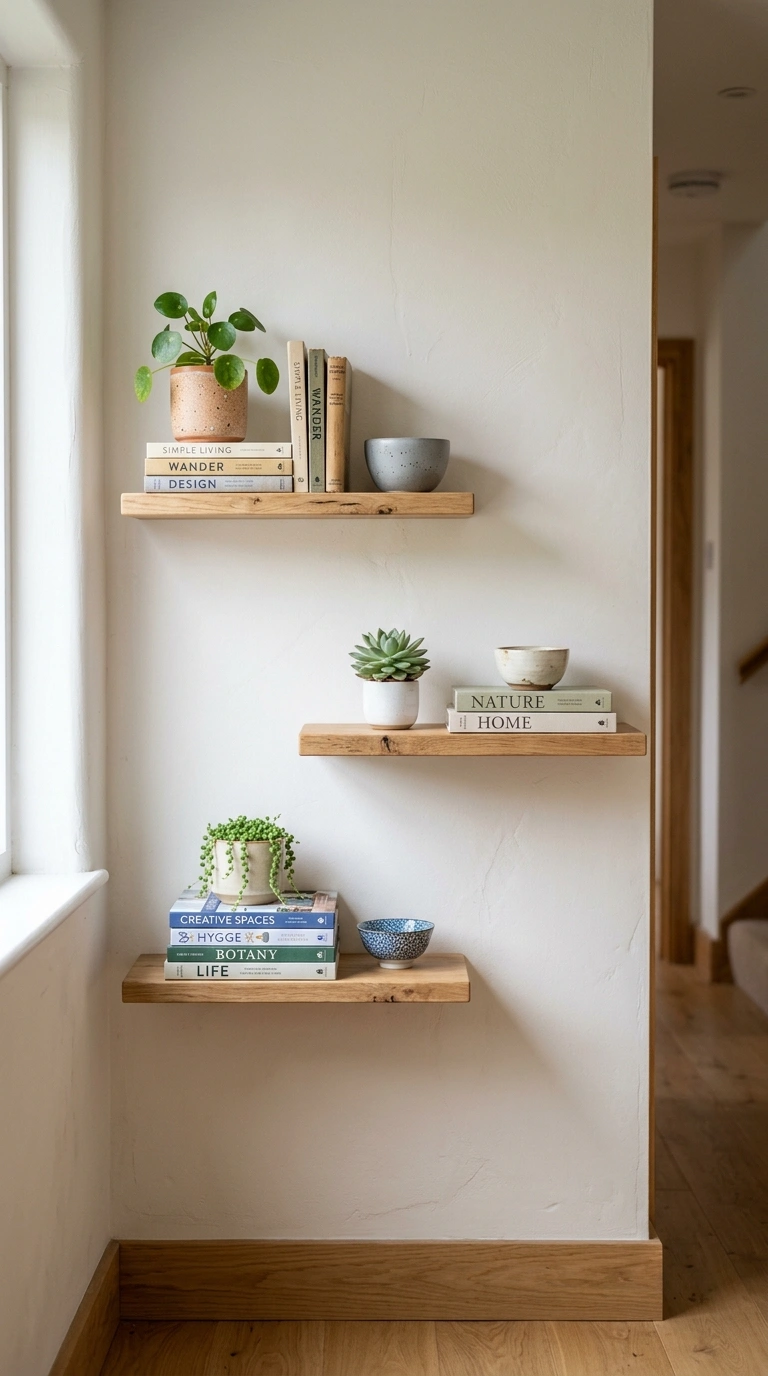
In a small living room or hallway, floating shelves mounted directly to the wall create storage without taking up a single inch of floor space. Choose thin shelves in natural wood, around four to six inches deep, and mount them in a staggered pattern up a bare wall. Use them to hold a small plant, a few books turned spine out, and one or two personal objects like a ceramic bowl. Avoid crowding each shelf with more than three or four items. Because the shelves float without visible brackets underneath, the wall keeps a clean, floating look that suits japandi storage ideas perfectly. This is especially useful in a rented apartment where you cannot install built in cabinetry but still want a place to display and store small items.
11. Kitchen Rail Organizers
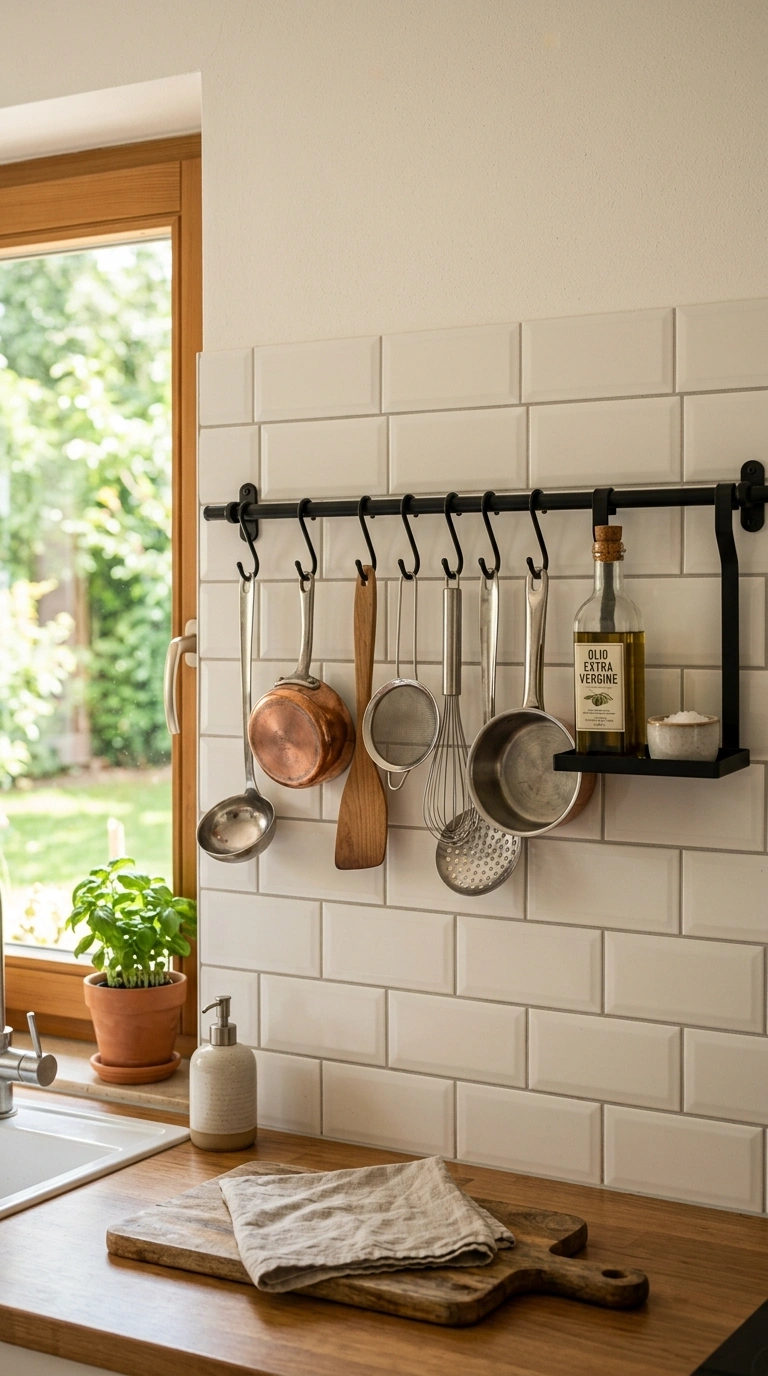
A wall mounted rail system, often seen in Japanese kitchens, turns unused wall space above a counter into active storage. Install a slim metal rail along the backsplash and hang S hooks to hold ladles, tongs, and small pots. Add a narrow shelf bracket to the rail for jars of oil or salt. This keeps counters clear for actual cooking space, which matters most in a tiny kitchen where every inch counts. Choose matte black or brushed steel hardware so the rail blends into the wall rather than standing out. Over time you will notice fewer drawers stuffed with tools you rarely use, since the ones you reach for daily are already hanging in view. This idea pairs well with the bento bin system for a kitchen that feels calm even during a busy dinner.
12. Paper Lantern Lighting Zone
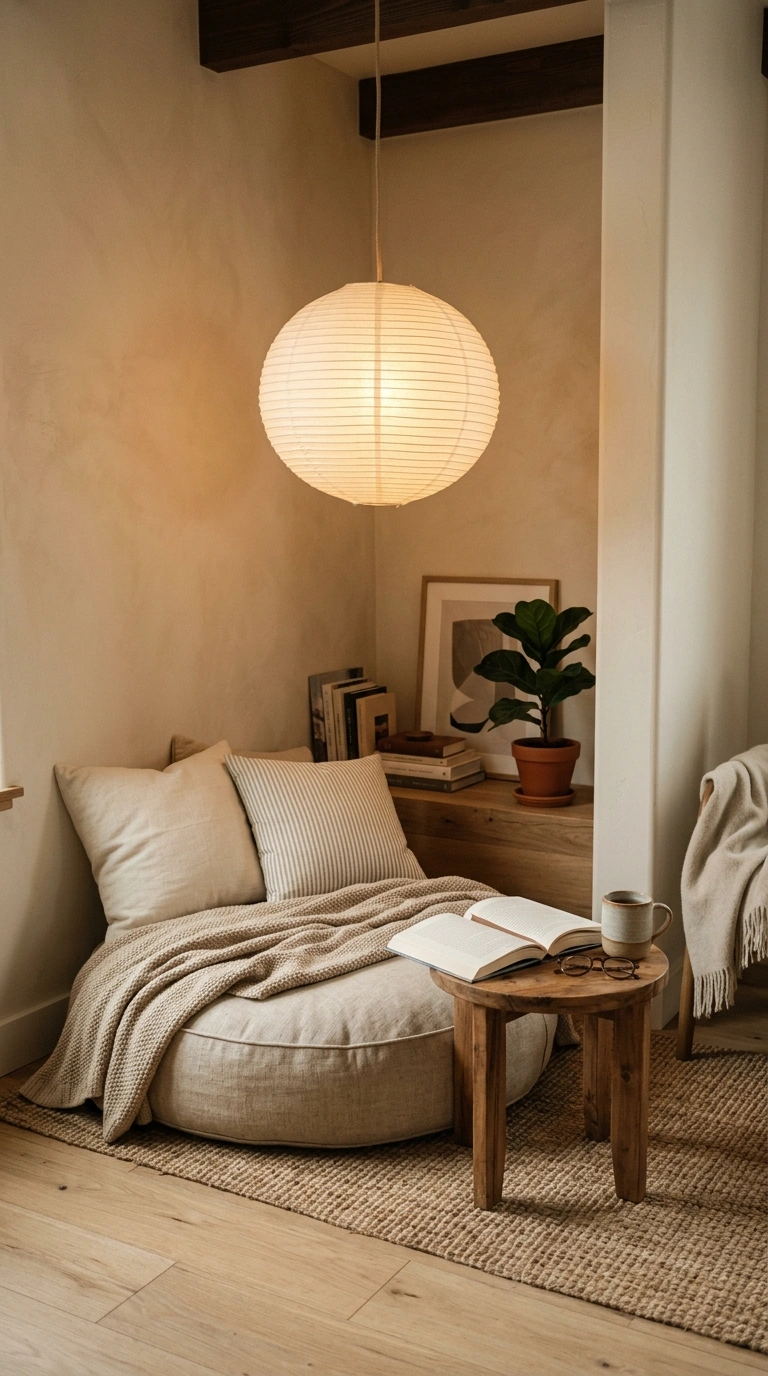
Lighting plays a bigger role in small space organization than most people realize, since harsh overhead light makes clutter more visible and a room feel smaller. Hang a round paper lantern pendant light over a reading corner or dining nook, using warm soft bulbs instead of bright white ones. Pair it with a single low side table and a floor cushion or small stool underneath. The soft glow the lantern creates draws the eye upward and outward, making the ceiling feel higher than it is. Keep the area directly under the lantern free of extra furniture so the light has room to spread evenly across the floor. This lighting zone becomes a natural gathering spot in the evening, proving that organization is not only about storage bins but also about how a space feels to sit in.
13. Foldable Floor Table
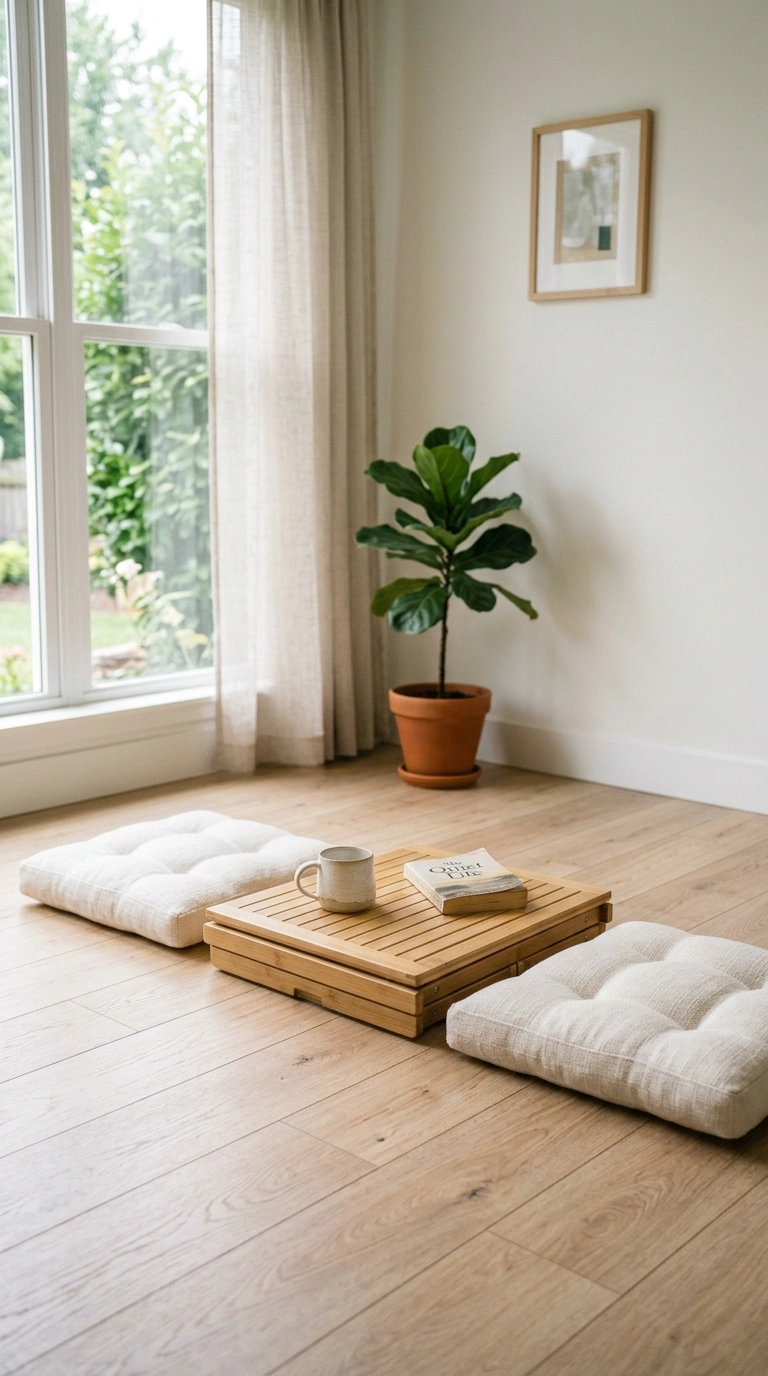
A foldable low table, often used for tea or casual dining, solves the problem of needing a dining area without permanent furniture eating up your floor plan. Choose a table in light bamboo or ash wood with folding legs that tuck flat for storage against a wall or under a bed when not in use. Pair it with floor cushions instead of chairs, which stack easily in a closet. Use the table for meals, laptop work, or folding laundry, then fold it away when the room needs to open back up for guests or exercise. This flexible piece is a favorite in tiny apartment organization because one object serves several purposes throughout the day, rather than dedicating permanent square footage to a table you only use twice a day.
14. Vertical Book Ladder
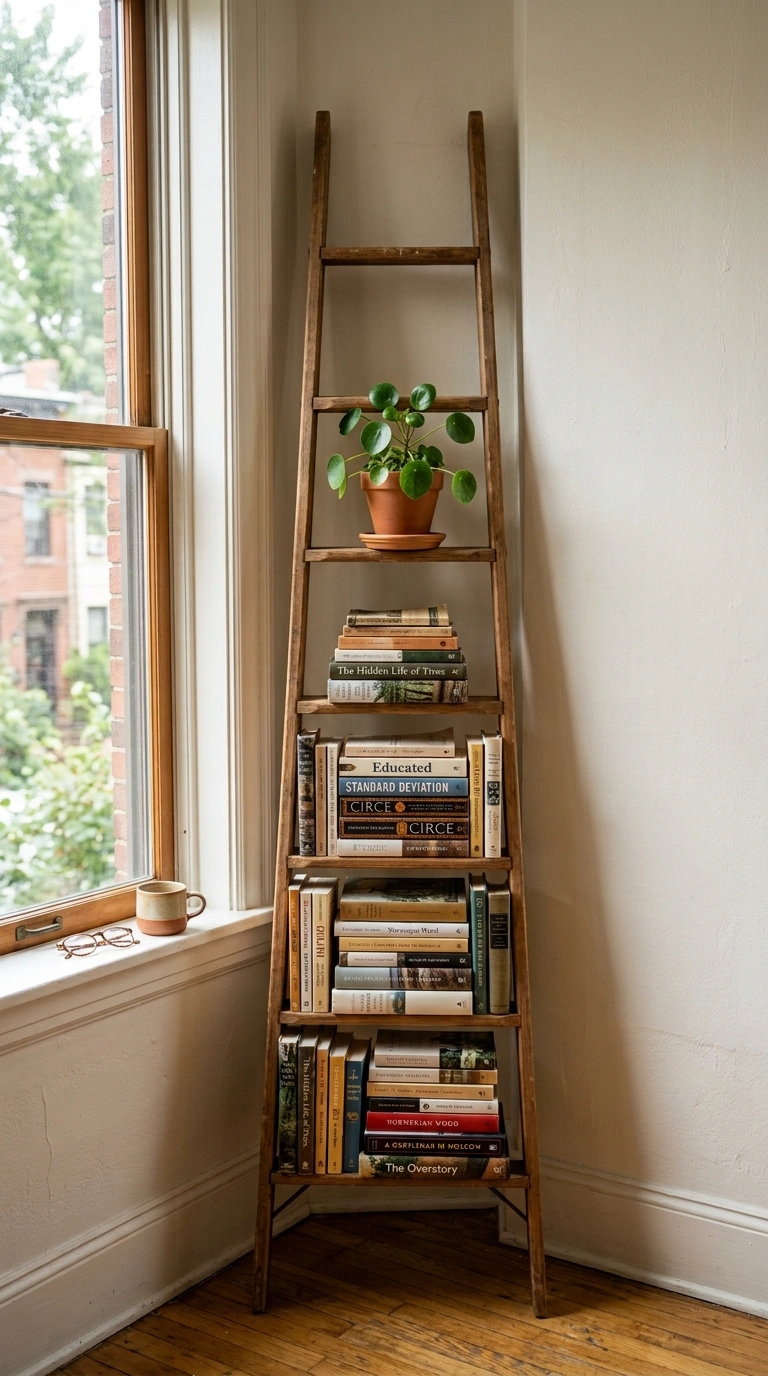
Instead of a wide bookshelf that eats into your floor plan, lean a tall wooden ladder shelf against a bare wall to hold books and small decor vertically. These slim units are usually only a foot deep, so they slide into narrow gaps between furniture or beside a window. Stack books horizontally on the lower rungs and stand a few upright on higher ones, mixing in one small plant or a folded blanket for texture. Because the ladder leans rather than mounts flush, it also works in rental homes without drilling into walls. This vertical approach is a simple japanese minimalist storage trick, turning unused wall height into a feature rather than leaving it empty. It also draws the eye upward, which makes a low ceiling room feel slightly taller.
15. Bathroom Basket Trio
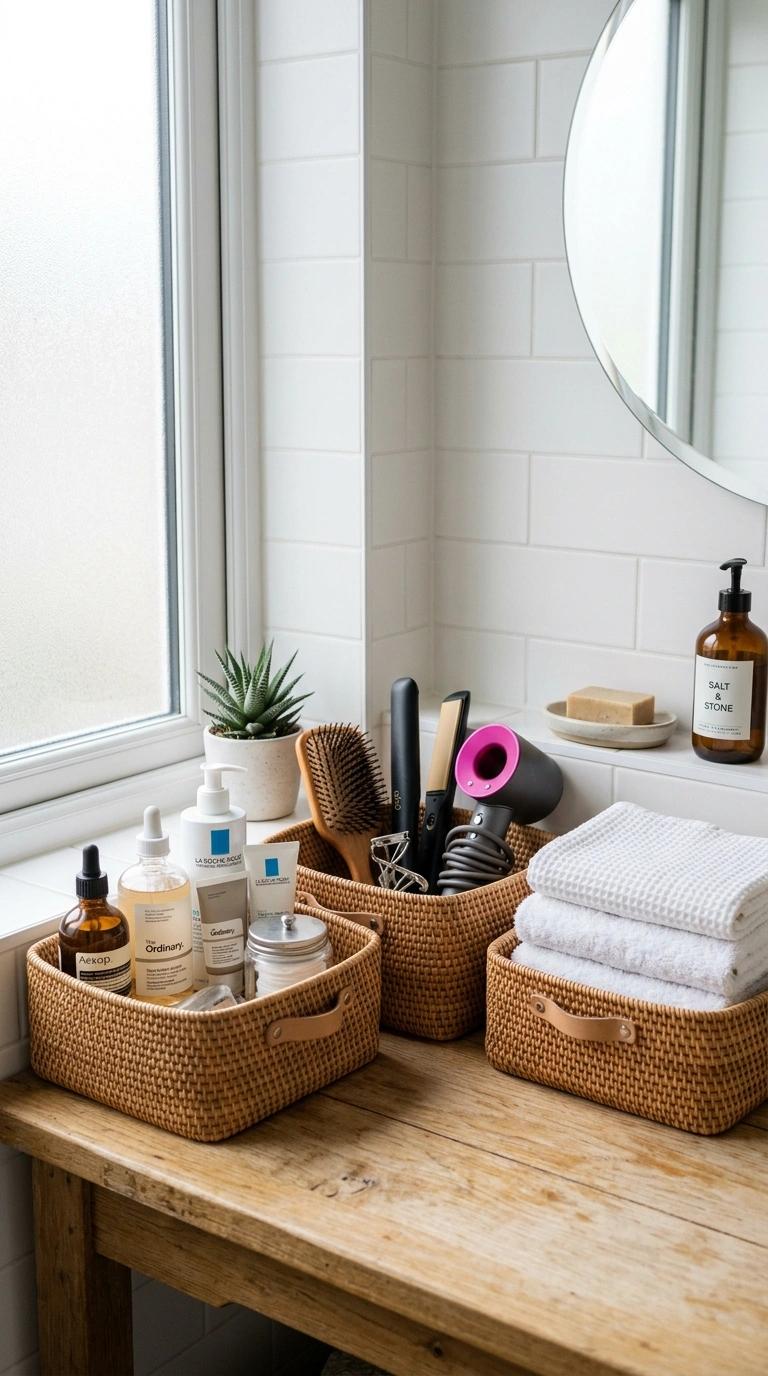
Bathroom counters get cluttered fast with bottles, brushes, and small tools left out after every shower. Group three matching woven baskets on the counter or a nearby shelf, one for daily skincare, one for hair tools, and one for extra toiletries not used every day. Choose baskets in a natural fiber like rattan that can handle a bit of humidity without warping. This trio approach means you are never hunting through a drawer while running late, since everything has a clearly assigned basket. Tuck the daily use basket closest to the sink and push the extras basket to a shelf inside the cabinet. This is one of the fastest japanese organization ideas to set up, since it only takes an afternoon and three baskets from any home goods store.
16. Compact Shoe Cabinet
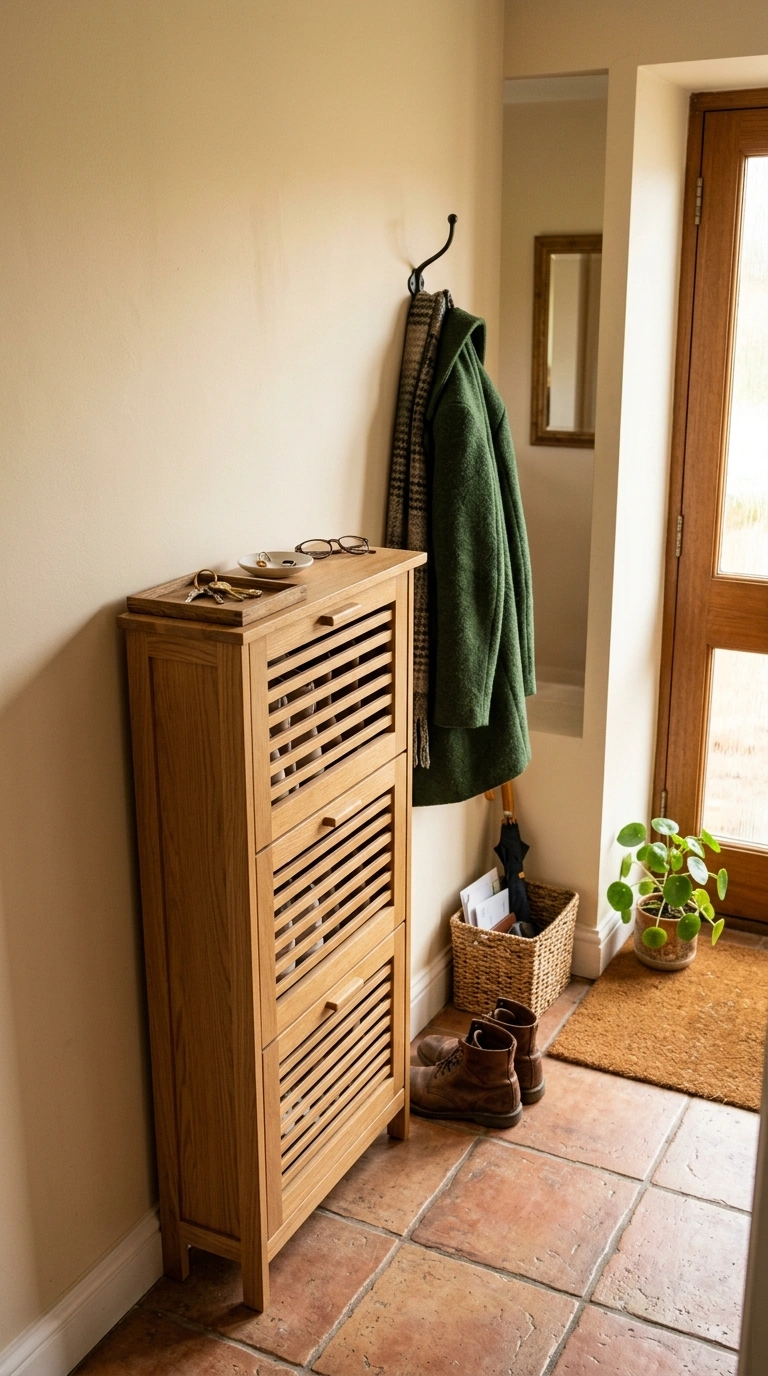
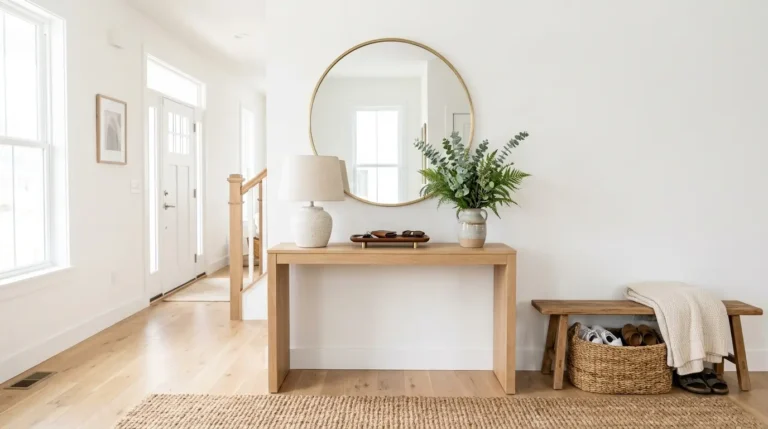
A slim vertical shoe cabinet placed right by the front door keeps footwear from scattering across your entryway floor. Look for a narrow cabinet, no wider than a foot deep, with a few slatted shelves that let air circulate so shoes do not develop odor. Store everyday shoes on the lower shelves within easy reach and rotate seasonal pairs to the top. Top the cabinet with a small tray for keys and mail, keeping the surface limited to just those two items. This cabinet does the same job as the genkan bench idea but suits homes with less entry space, since it takes up almost no floor footprint. Together with a wall hook for coats, this creates a full genkan entryway organization system in a space as narrow as two feet wide.
17. Zen Corner Display
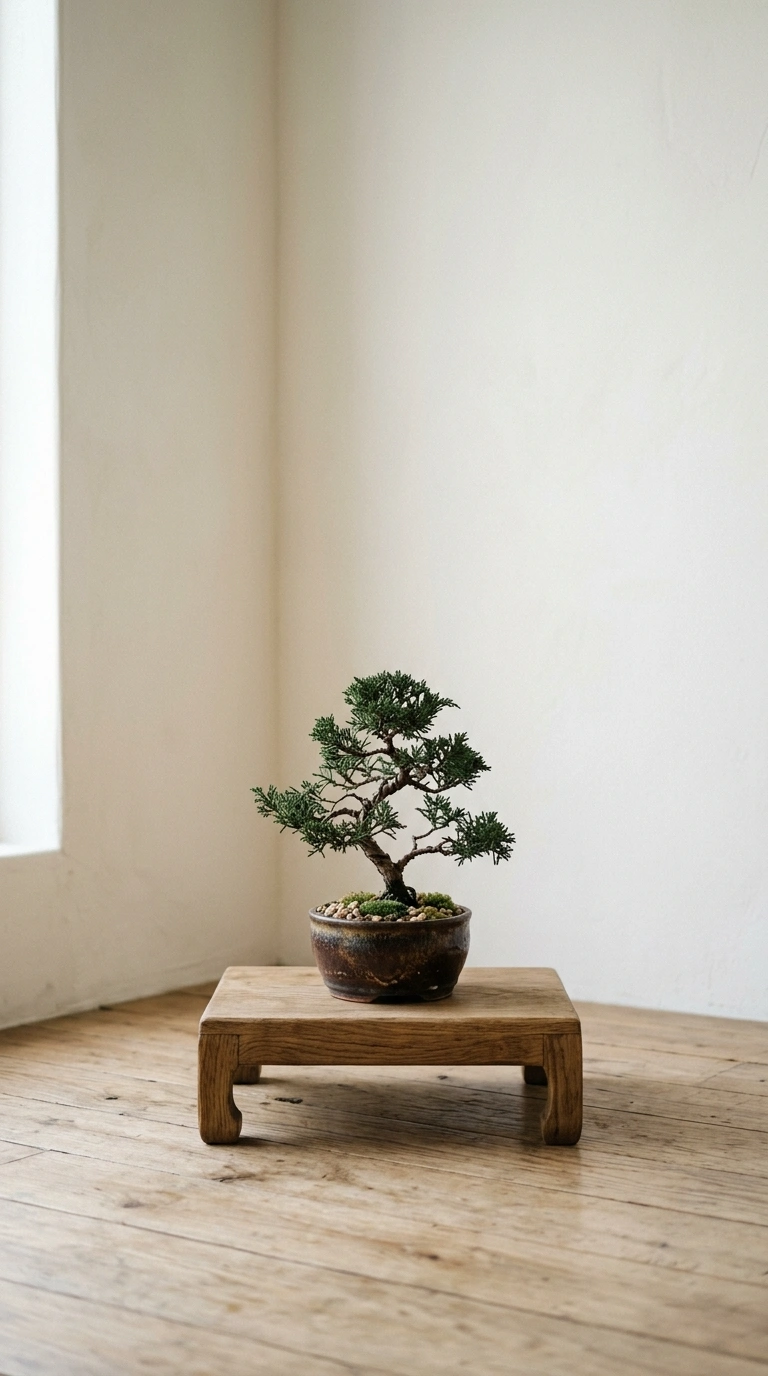
Every home benefits from one corner that holds nothing but a single meaningful object, rather than another storage solution. Clear a small corner in your living room or bedroom and place one low wooden stool or pedestal there. Set a single item on top, a small bonsai plant, a ceramic vase, or one framed piece of art, and leave the rest of the space around it completely empty. Resist the urge to add a second or third object, since the emptiness itself is the point. This corner acts as a visual pause in a home full of function and storage, reminding your eye there is room to breathe. Many people find this the most calming idea on the list, since it proves organization is not only about hiding things away but also about choosing what deserves to be seen.
Small changes like these add up faster than a full renovation ever could. Start with just one or two ideas this weekend, maybe the genkan bench or the basket shelves, and see how much lighter your space feels once everything has a home. You do not need a bigger apartment, just a clearer plan for the one you already have.