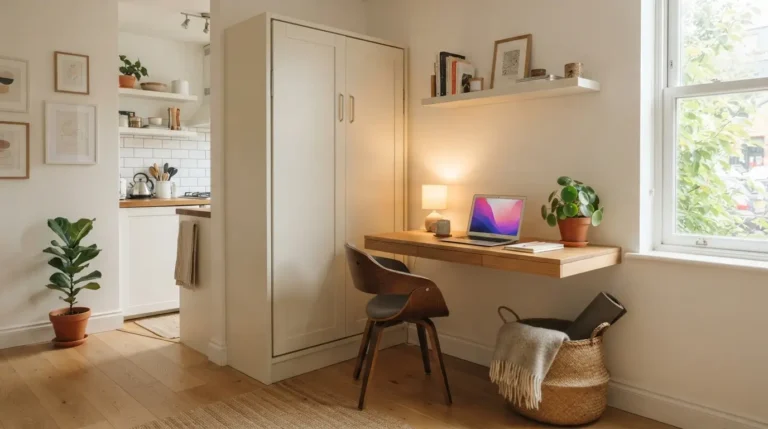
17 Modern Wall Sconce Ideas to Elevate Any Room in Style
Overhead lighting gets all the attention when people plan a room, but wall sconces are the fixture that actually makes a space feel finished once everything else is in place. They sit at a height that lamps cannot always reach, they free up floor and table space, and they add a layer of light that softens shadows instead of flattening a room the way one bright ceiling fixture often does. I think of sconces as the jewelry of a room, small, but they change how everything else reads once they are added. You do not need an electrician for many of the plug-in options available now, which makes this one of the more approachable lighting upgrades for most homes. Here are 17 ways to use wall sconces around the house, covering bedrooms, hallways, bathrooms, and a few spots people often forget to light at all.
1. Bedside Reading Sconce
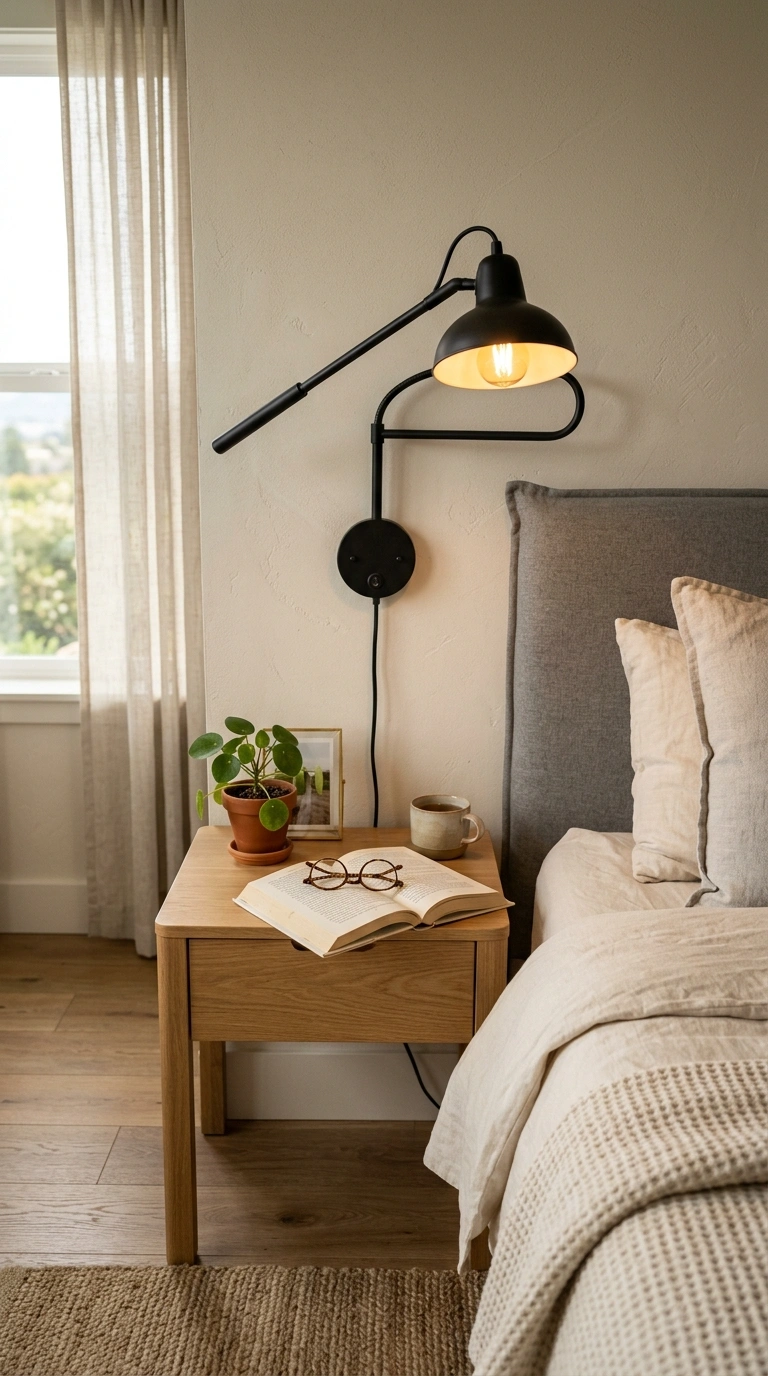
A wall sconce mounted above or beside each nightstand frees up the surface for books, a lamp is no longer taking up space, and gives you focused light for reading in bed without illuminating the whole room. Choose a sconce with an adjustable arm or a swing arm design so you can angle the light exactly where you need it, whether that is straight down onto a book or aimed more toward the wall for softer ambient light.
Mount the sconce about 20 to 24 inches above the mattress, roughly at shoulder height when sitting up in bed, so the light hits your book without shining directly into your eyes. Choose a warm bulb, not a bright white one, since warmer light is easier on the eyes right before sleep. If both partners read, mirror the same sconce on both sides of the bed for a balanced, symmetrical look that also solves the lighting problem for both people at once.
2. Hallway Accent Lighting
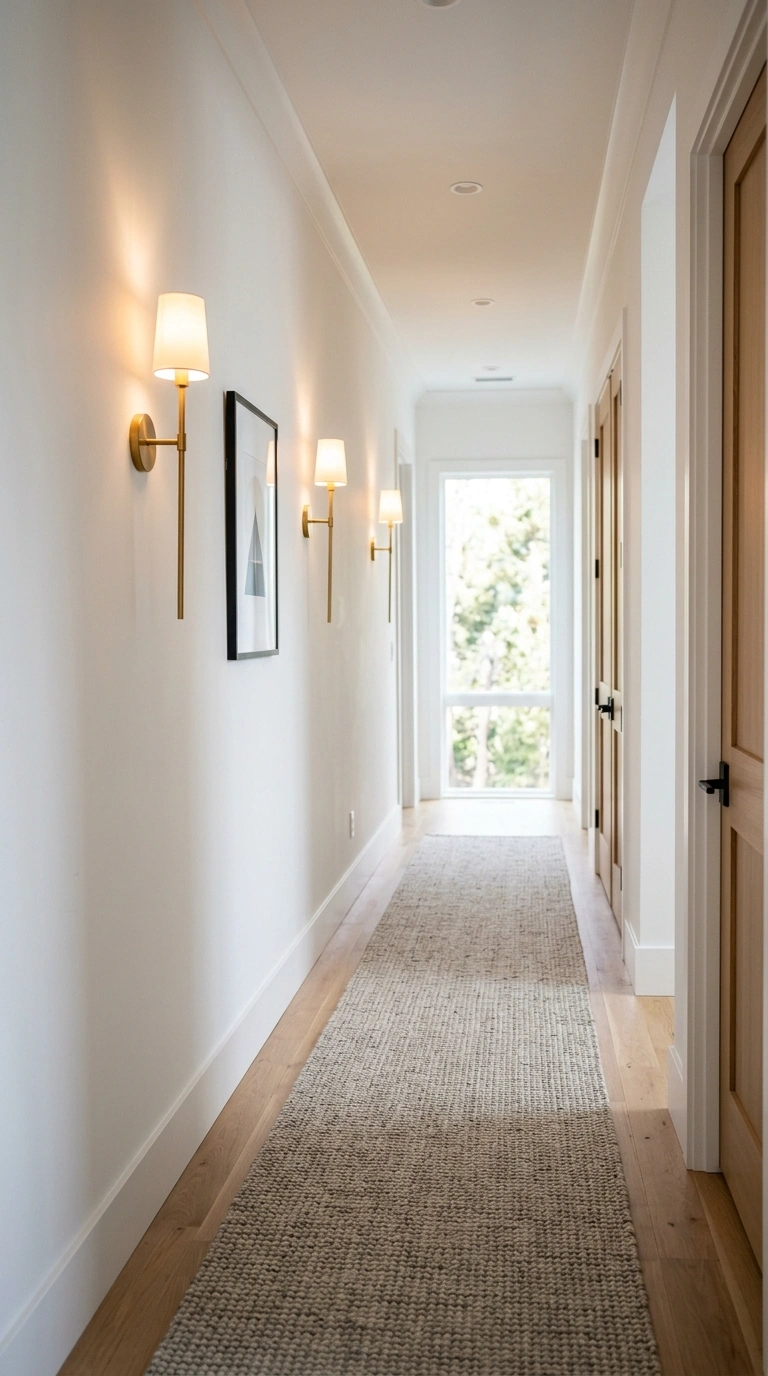
A long hallway often relies on a single overhead light that leaves the ends of the hall dimmer than the middle. Adding two or three sconces spaced evenly along the wall fixes this unevenness and turns a plain passage into a space that feels considered rather than purely functional. Choose a simple, low profile design so the sconces do not stick out too far into a narrow walking path.
Space the sconces about six to eight feet apart depending on the length of your hallway, and mount them at a consistent height, usually around 60 inches from the floor. If your hallway has art hung along it, position the sconces to wash light gently across the pieces rather than pointing directly at them, which creates a softer glow instead of a harsh spotlight. This is one of the more impactful lighting changes you can make in a hallway, since these spaces so rarely get any design attention at all.
3. Staircase Wall Sconce
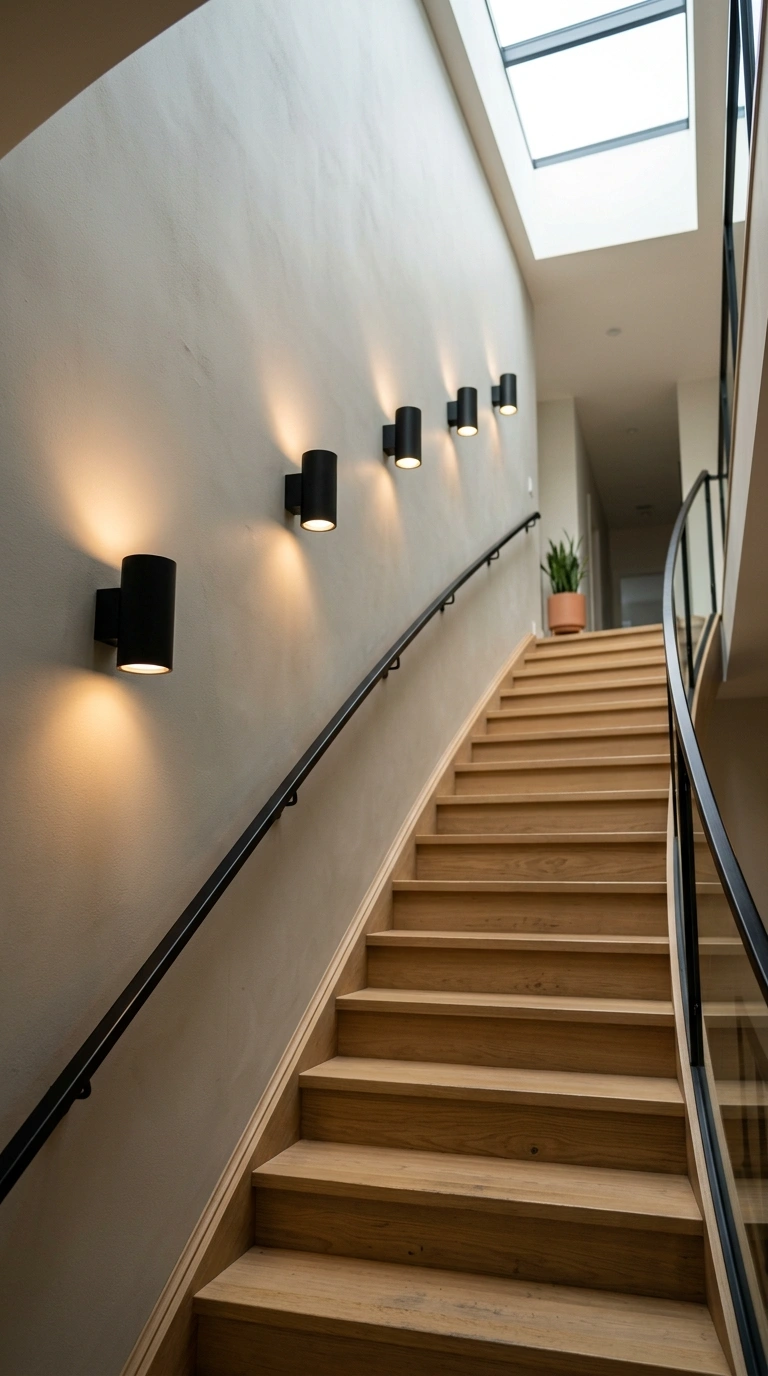
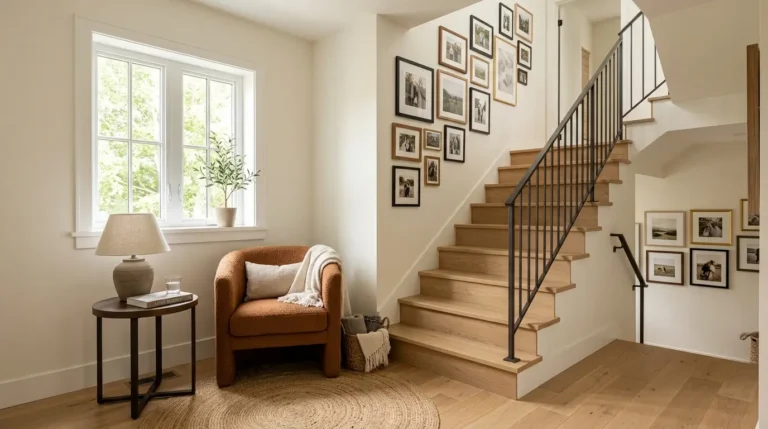
Stairwells are often underlit, relying on one light at the top or bottom that leaves the middle steps in shadow, which is both a style miss and a safety issue. Mounting a sconce every few steps along the stairwell wall solves both problems at once, giving you even light down the entire staircase while also adding a nice visual rhythm as you walk up or down.
Choose a sconce with a simple, enclosed shade rather than an open bulb design, since stairwells see more foot traffic and bumps than other walls in the house. Space them evenly, roughly every four to five steps, and keep the mounting height consistent throughout so the row reads as one connected design element rather than randomly placed fixtures. This is a great project if you are already updating a staircase, since good lighting here matters more for daily use than almost anywhere else in the home.
4. Living Room Sconce Pair
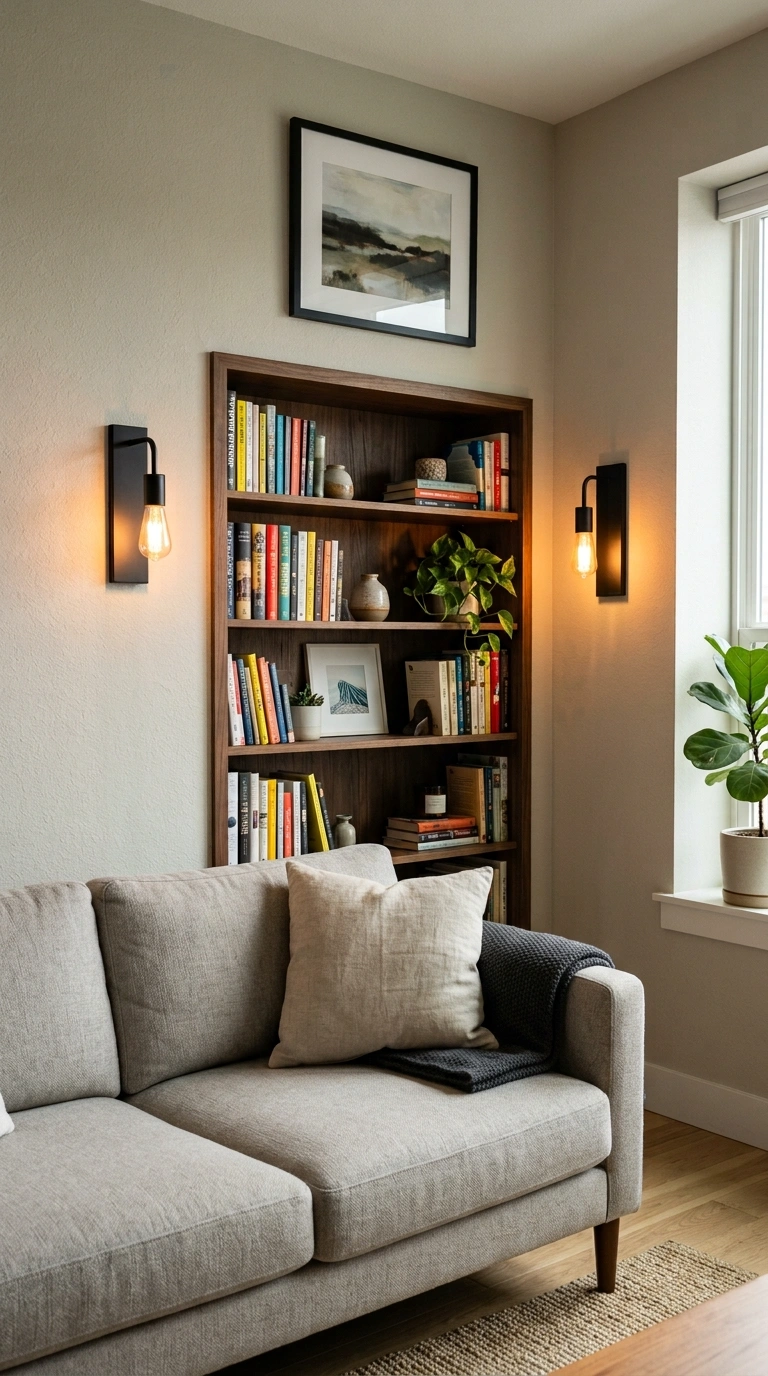
A pair of sconces flanking a bookshelf, a piece of art, or the TV wall adds a layer of ambient light to the living room that does not rely on lamps taking up side table space. Choose a design with a warm dimmable bulb so you can adjust the brightness depending on whether you are hosting friends or settling in for a quiet movie night.
Mount the sconces at a height slightly above eye level when seated, usually around 60 to 66 inches from the floor, so the light glows down gently rather than shining straight into anyone’s eyes from the couch. This pairing works especially well in rooms with high ceilings, where overhead light alone can feel distant and cold, since sconces bring a warmer, more human scale layer of light closer to where people actually sit and gather.
5. Bathroom Vanity Sconce
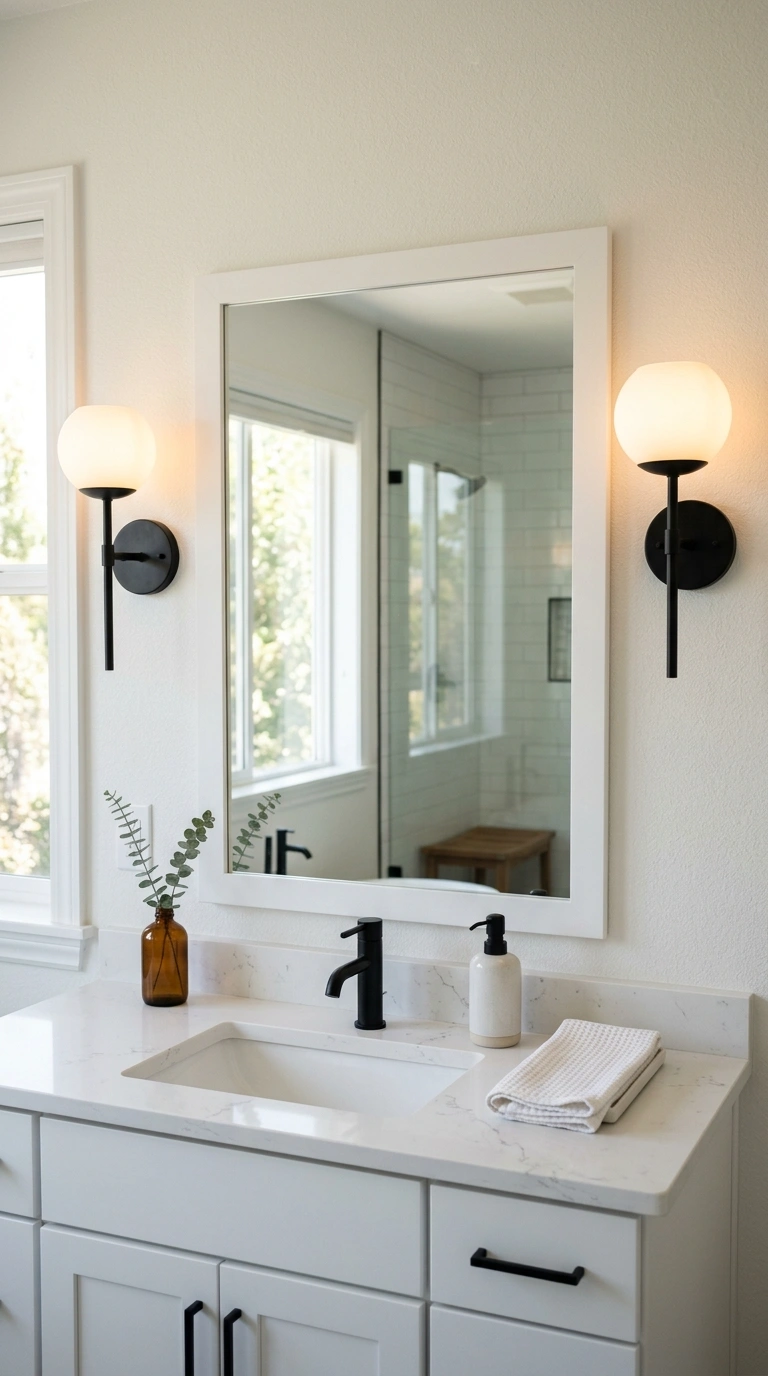
Sconces placed on either side of the bathroom mirror, rather than a single bar light above it, give much more even lighting across your face for tasks like makeup or shaving. A single overhead or above-mirror light tends to cast shadows under the eyes and chin, while side sconces light the face from both directions and reduce those shadows significantly.
Choose sconces with a simple, enclosed shade that diffuses the light rather than an exposed bulb, which can feel harsh this close to a mirror. Mount them at roughly eye level for the average adult in your household, usually around 60 to 65 inches from the floor, spaced about 28 to 36 inches apart depending on the width of your mirror. This small change makes a noticeable difference in daily grooming tasks and is one of the more functional entries on this whole list.
6. Dining Room Accent
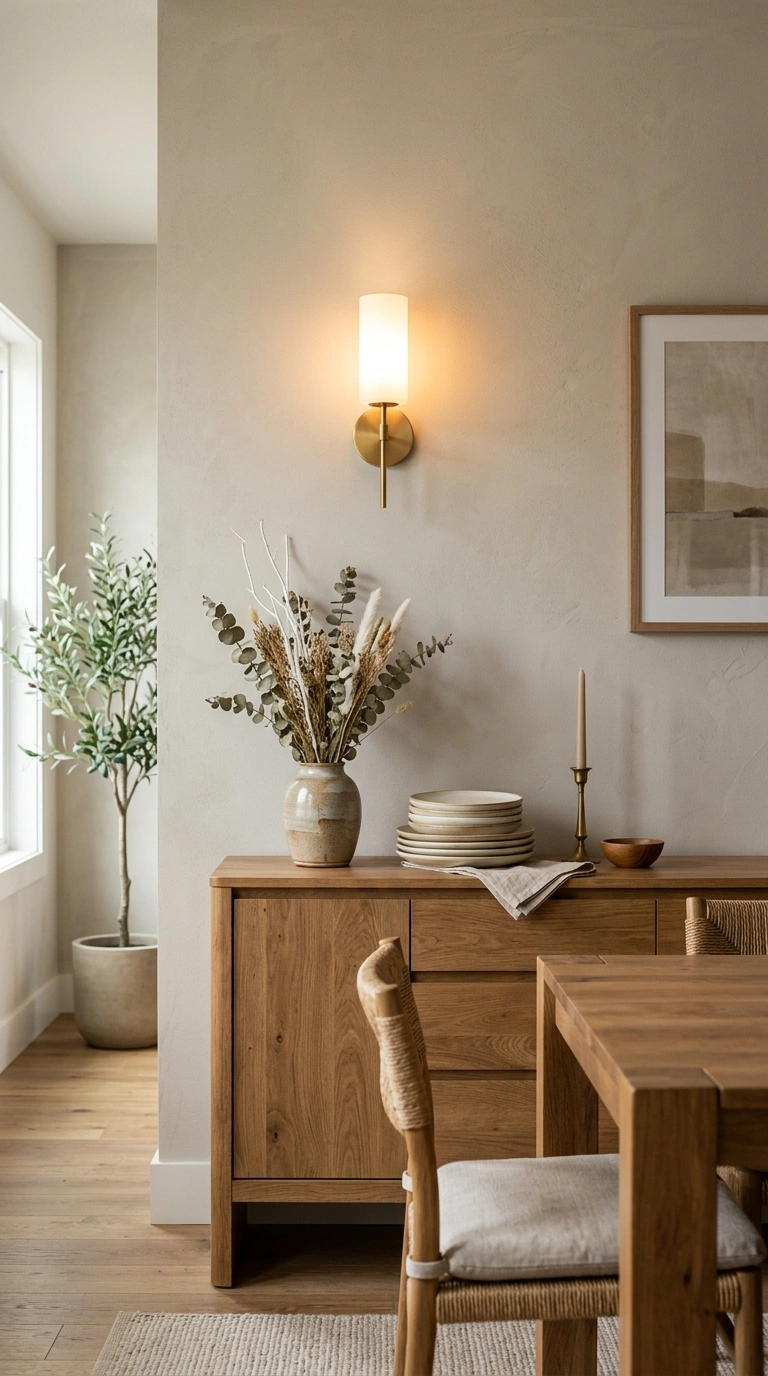
Wall sconces along one wall of the dining room, separate from the main chandelier or pendant over the table, add a softer secondary layer of light for dinner parties or quiet evening meals. Choose a design with a warm, low glow rather than a bright, direct light, since the goal here is ambiance rather than task lighting for the table itself.
This works especially well on a wall with a sideboard or buffet table, where the sconces can highlight items displayed on top, like a stack of plates or a vase of flowers, without needing separate accent lighting for that furniture. Dim the sconces during meals and let the overhead fixture carry most of the practical light, using the wall sconces mainly for that cozy, restaurant-like glow that makes a dinner feel a bit more special than an average weeknight.
7. Entryway Statement Sconce
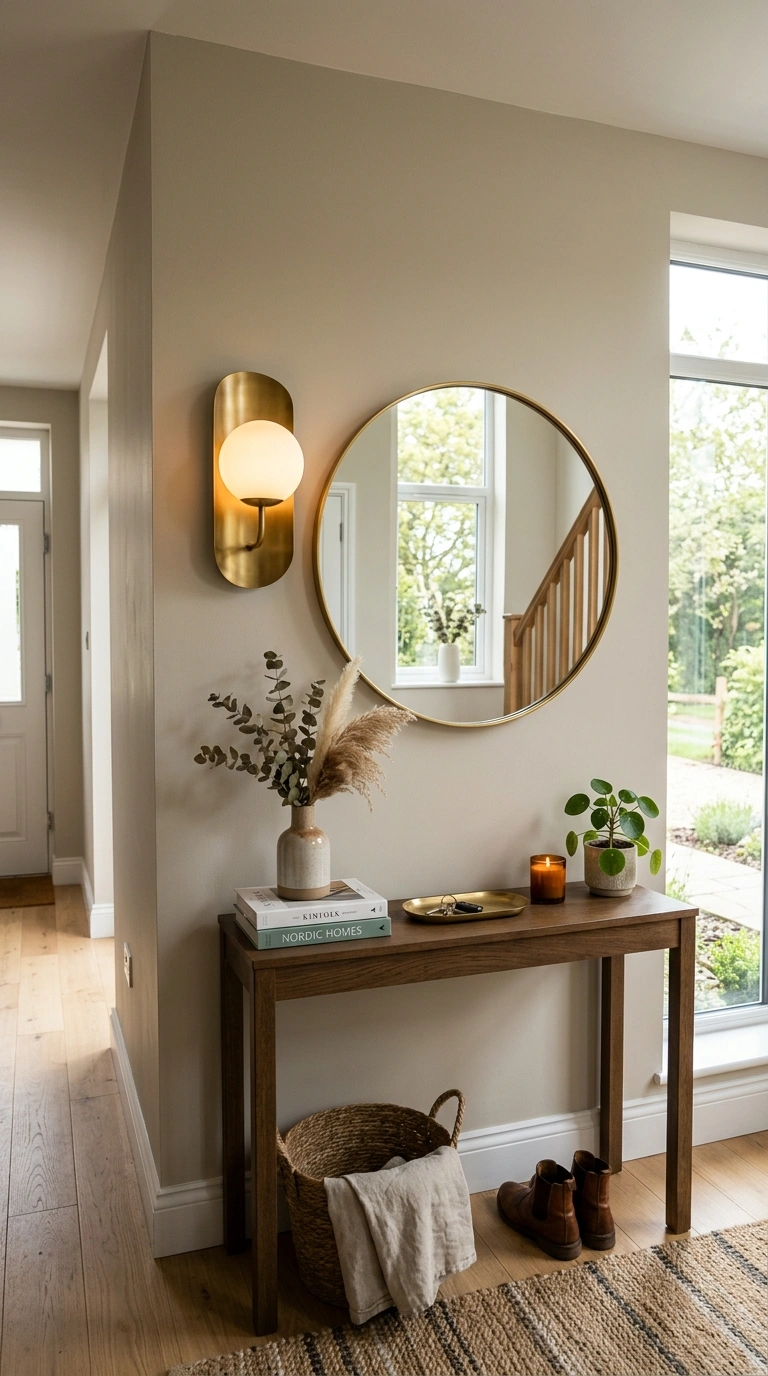
A bold, larger scale sconce right by the front door sets the tone for the whole house the moment someone walks in, similar to how a statement light in a foyer with higher ceilings makes an impression. Choose a design with a bit more personality here than you might use elsewhere, since an entryway is a small, high impact space where a bold choice reads as intentional rather than overwhelming.
Mount it near eye level beside a mirror or console table if you have one, so the light also helps when checking your appearance before heading out the door. If your entryway is narrow, choose a sconce with a slim profile that projects only a few inches from the wall, so it does not become an obstacle in a tight passage. This is often the very first design detail a guest notices, so it is worth choosing something with a bit of personality.
8. Kitchen Nook Lighting
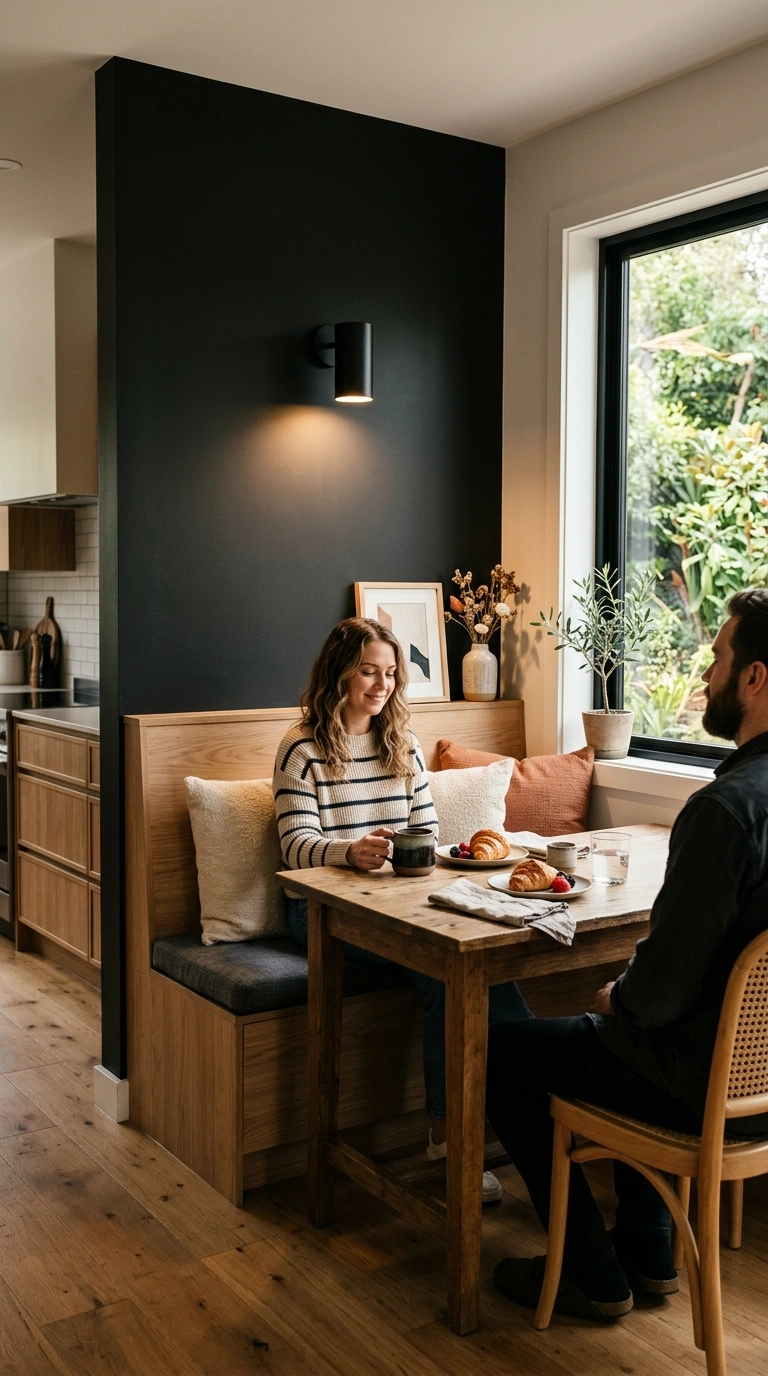
A small sconce above a breakfast nook or a built-in banquette seat adds cozy, direct light for a spot that often gets missed by the main kitchen lighting plan, which usually focuses on the counters and island instead. Choose a design with a downward facing shade so the light focuses on the table below rather than spreading upward toward the ceiling.
This works particularly well in nooks tucked into a corner or under a window, where an overhead pendant might feel out of place or interfere with a window view. Mount the sconce about 24 to 30 inches above the table surface, giving enough clearance for anyone standing to sit down comfortably without bumping their head. This kind of focused lighting turns a nook into a spot people actually want to sit and linger in, rather than just a secondary eating area.
9. Home Office Sconce
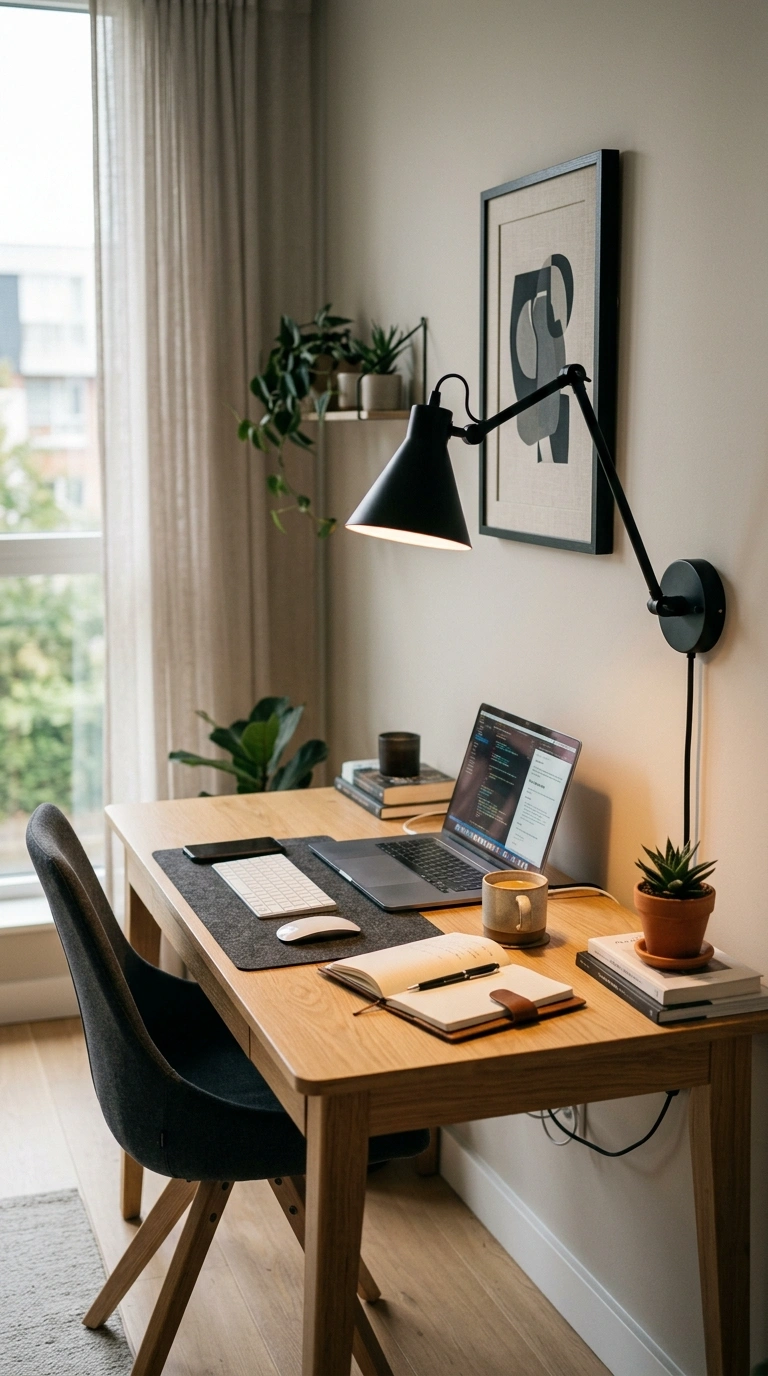
A wall sconce beside your desk, rather than relying only on a desk lamp or overhead light, adds a layer of light that reduces eye strain during long work sessions, especially on video calls where good lighting on your face actually matters. Choose a sconce with an adjustable head or arm so you can direct the light exactly where you need it during the day.
Mount it at a height where the light falls across your desk or slightly above your eye line when seated, avoiding a spot where it might create glare on a computer screen. A warm, dimmable bulb works well here too, since you can brighten it during focused work and dim it for a calmer end of day feeling as you wrap up for the evening. This is a practical upgrade for anyone spending significant hours working from a home office.
10. Above Fireplace Sconce
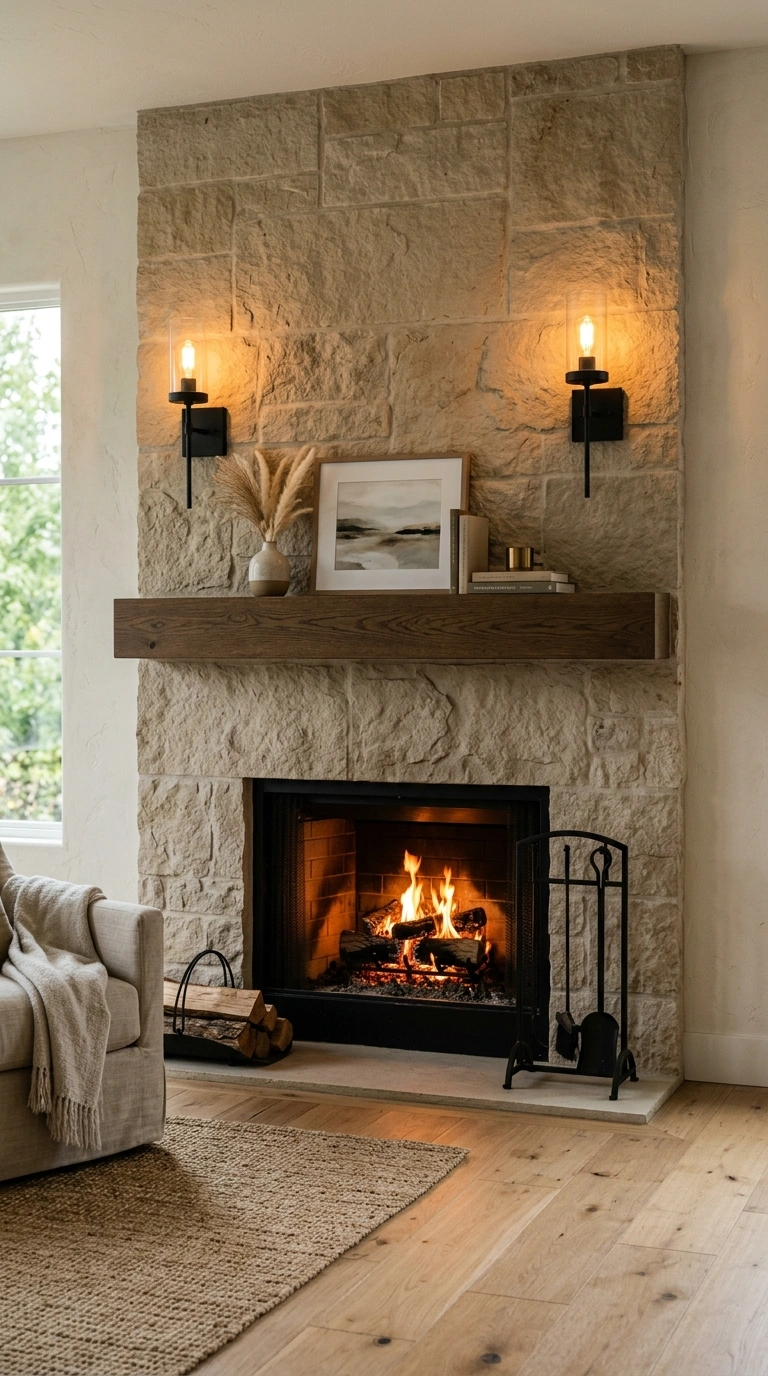
Sconces mounted on either side of a fireplace mantel add a balanced, warm light to one of the most used gathering spots in the house, especially during evenings when the fire itself provides only limited, flickering light. Choose a design that complements your mantel material, a black metal sconce against a white painted mantel, or a brass one against a stone or brick surround.
Mount them at a height that works with your specific mantel, usually just above it or slightly higher if you have art or a mirror hanging in that space already, positioning the sconces to frame that centerpiece rather than compete with it. This pairing creates a natural focal point in the living room, drawing the eye toward the fireplace wall even when there is no fire currently burning, and it makes the whole seating area feel warmer and more inviting in the evening hours.
11. Reading Nook Corner
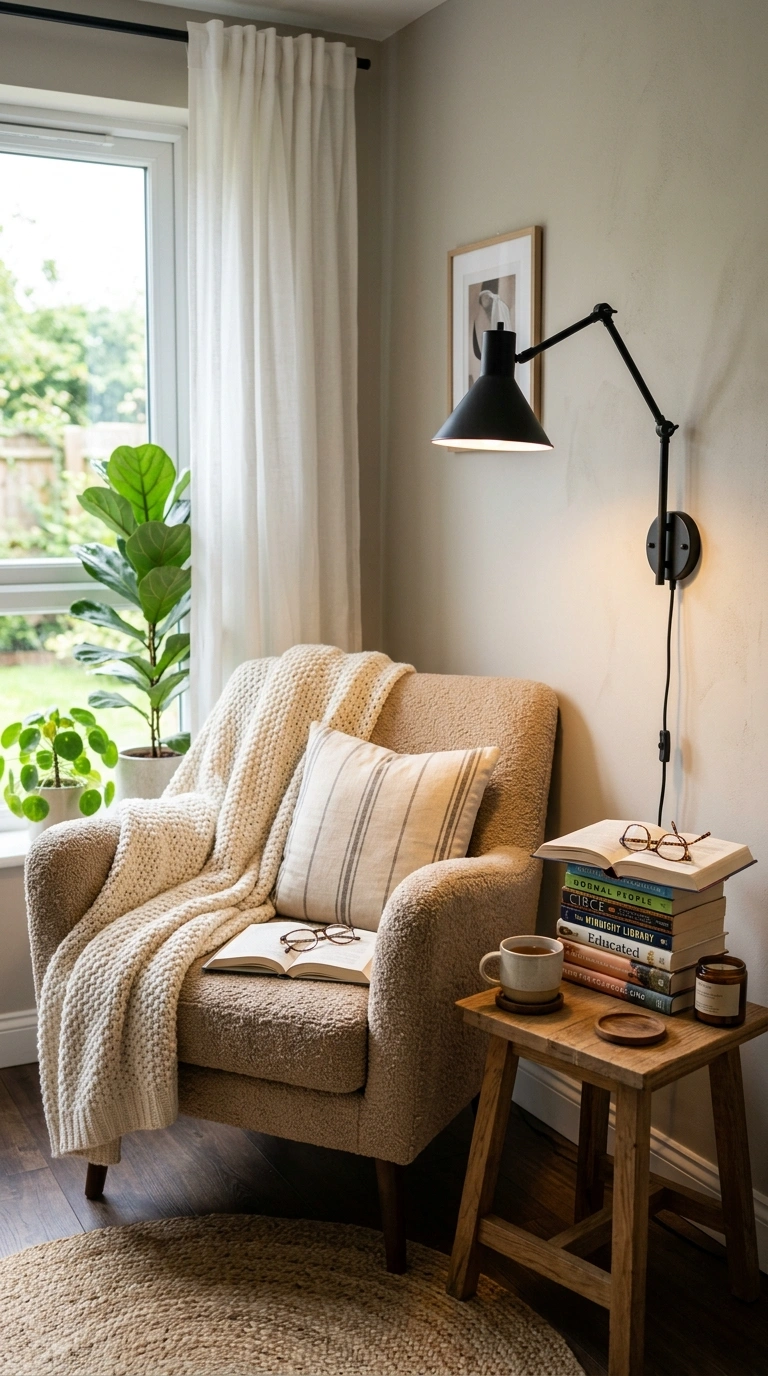
If you have a cozy chair tucked into a corner of a bedroom or living room, a single sconce mounted on the wall beside it creates a dedicated reading spot without needing a floor lamp taking up space next to the chair. Choose a design with an adjustable arm so you can pull the light closer when reading and push it back out of the way when not in use.
Mount the sconce at a height where the light falls just over your shoulder when seated, usually around 45 to 50 inches from the floor depending on your chair height, so you get clear light on the page without glare bouncing back at you. Add a small side table for a drink or a stack of books, and this corner becomes a genuine retreat spot in the house, a place people actually want to sit and stay for a while rather than just pass through.
12. Gallery Wall Sconce
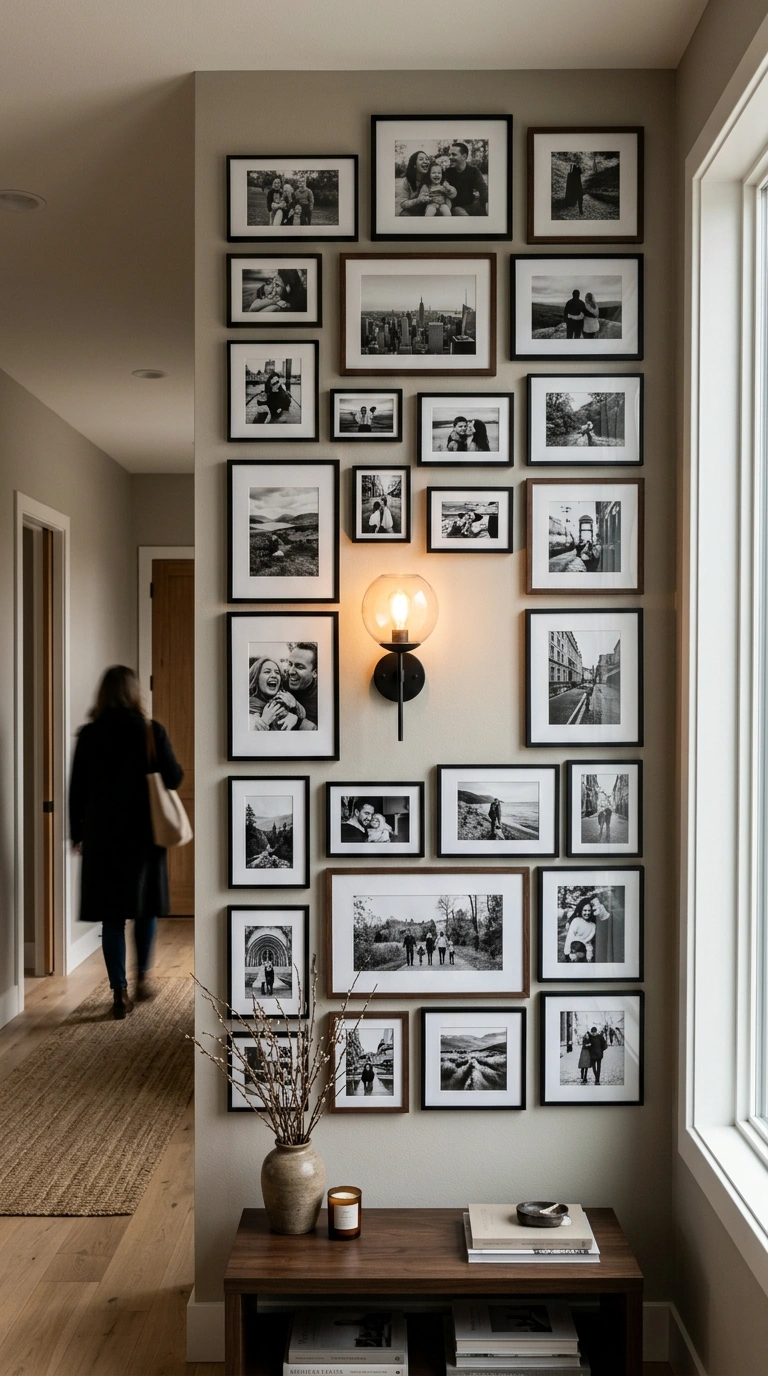
A single sconce placed within or beside a gallery wall of framed art adds a light source that highlights the collection, especially in a hallway or stairwell where natural light might be limited during the day. Choose a sconce with an upward facing or adjustable shade so the light washes across the frames rather than shining directly outward into the room.
Position the sconce at roughly the center height of your gallery arrangement so the light spreads evenly across pieces both above and below it. This works especially well for a gallery wall made up mostly of black and white photos or simple line art, since the warm glow from the sconce adds contrast and depth to pieces that might otherwise look a bit flat under regular ceiling light alone.
13. Bedroom Headboard Sconce
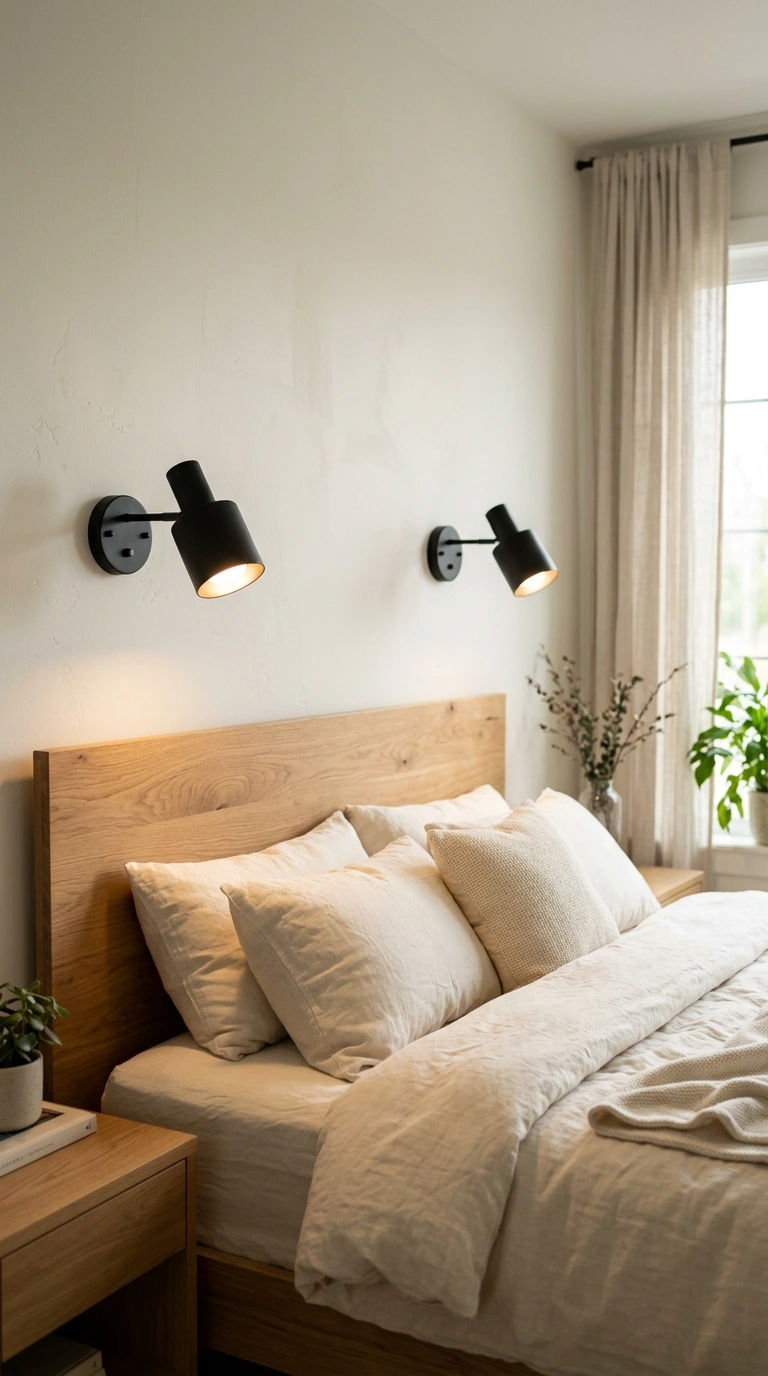
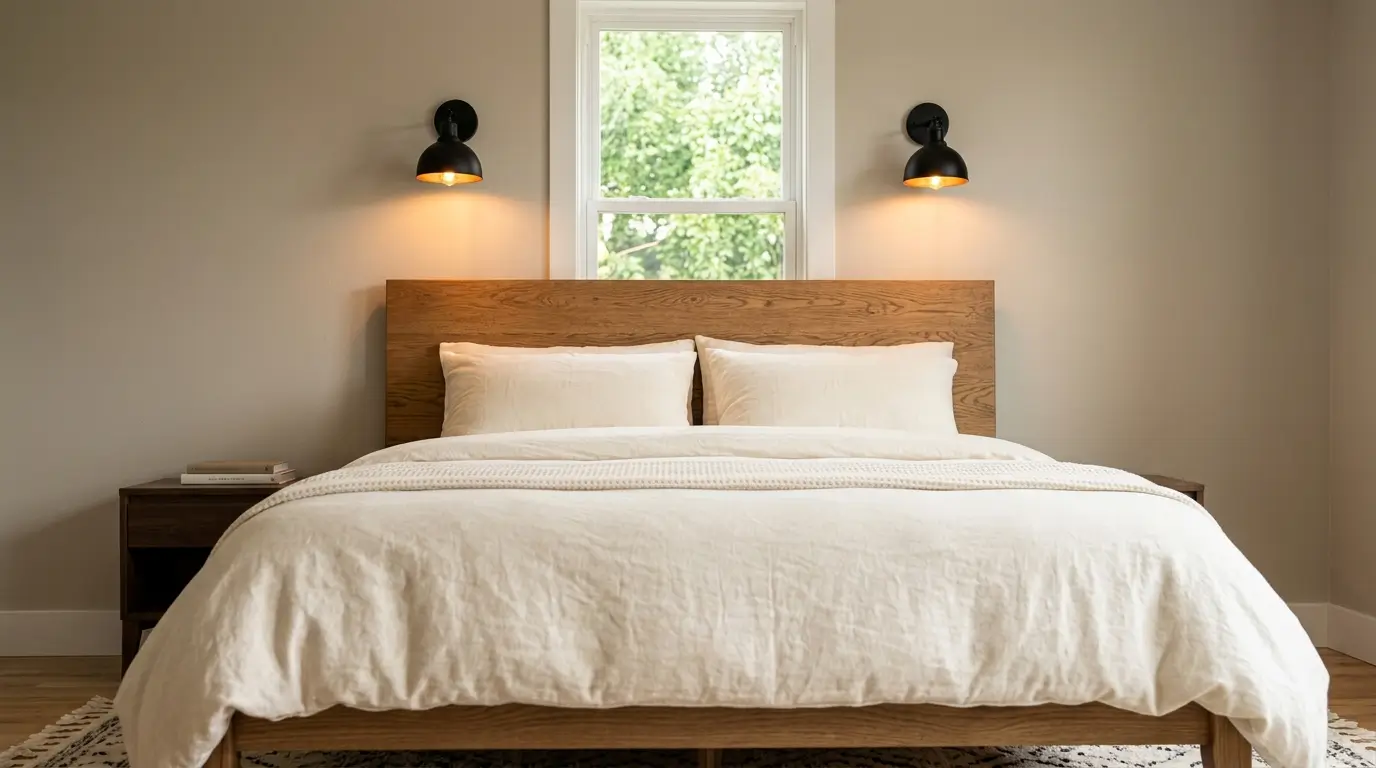
Instead of nightstand lamps, mount a pair of sconces directly on the wall above and slightly to either side of the headboard, creating a cleaner, more streamlined look for the whole bed wall. This frees up your nightstands for books, a glass of water, or a small plant, since the lighting job is now handled entirely by the wall rather than table lamps.
Choose sconces with a swing arm or adjustable head so each side of the bed can control their own light direction and brightness independently, especially useful if one partner wants to read while the other is ready for sleep. Mount them symmetrically for a balanced, hotel-like look, or slightly offset if your headboard or bed frame is not centered exactly on the wall. This is one of the more popular current bedroom updates, and it genuinely simplifies the whole bedside setup.
14. Powder Room Sconce
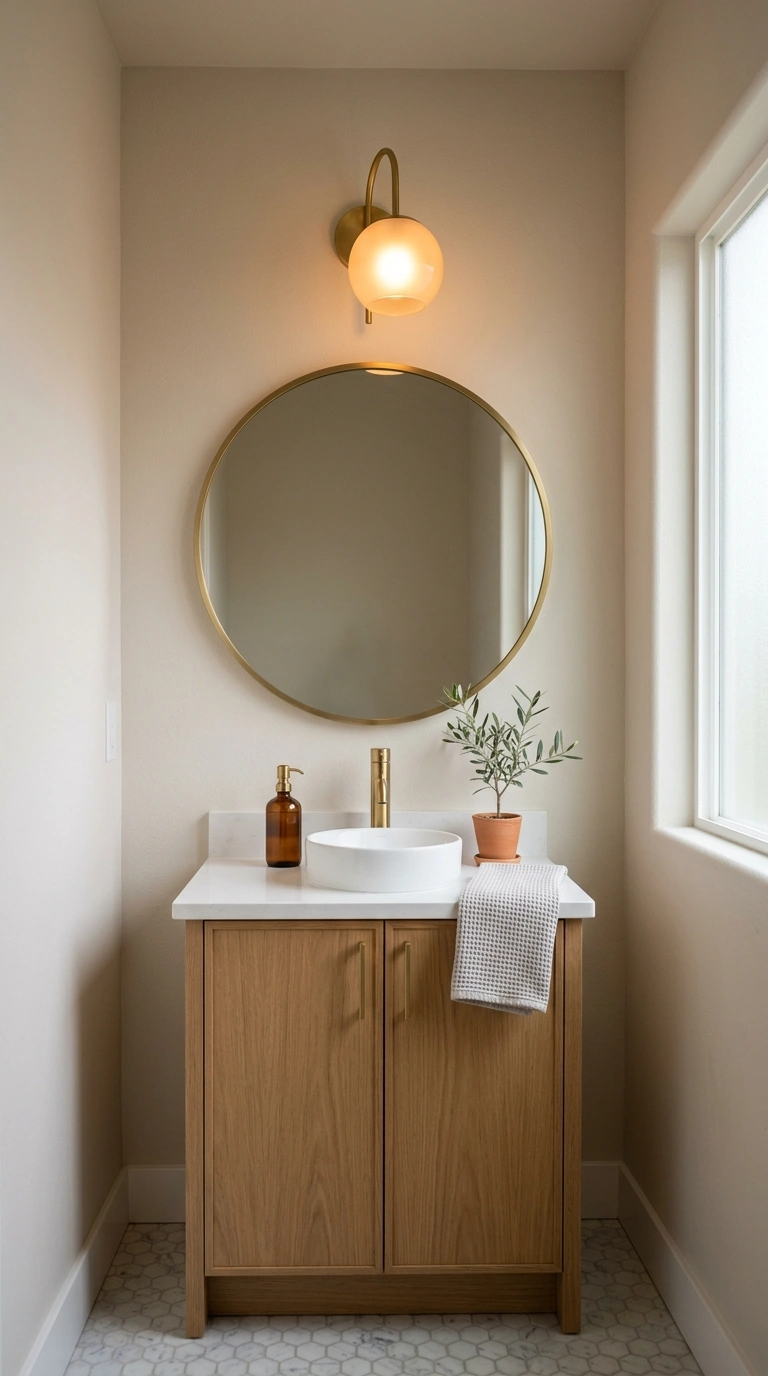
A single statement sconce in a small powder room, often paired with a round or pill shaped mirror, gives the space personality even though there is very little square footage to work with overall. Since powder rooms are typically used for quick visits rather than long grooming sessions, you have more freedom here to choose a bold or decorative design that might feel like too much in a larger, more heavily used bathroom.
Center the sconce above the mirror rather than to the sides if space is tight, since a small powder room usually will not have room for a symmetrical pair on either side of a narrow mirror. Choose a warm, flattering bulb, since powder rooms are often the last stop before guests head out for the evening and good lighting here leaves a good final impression before people head out the door.
15. Outdoor Patio Sconce
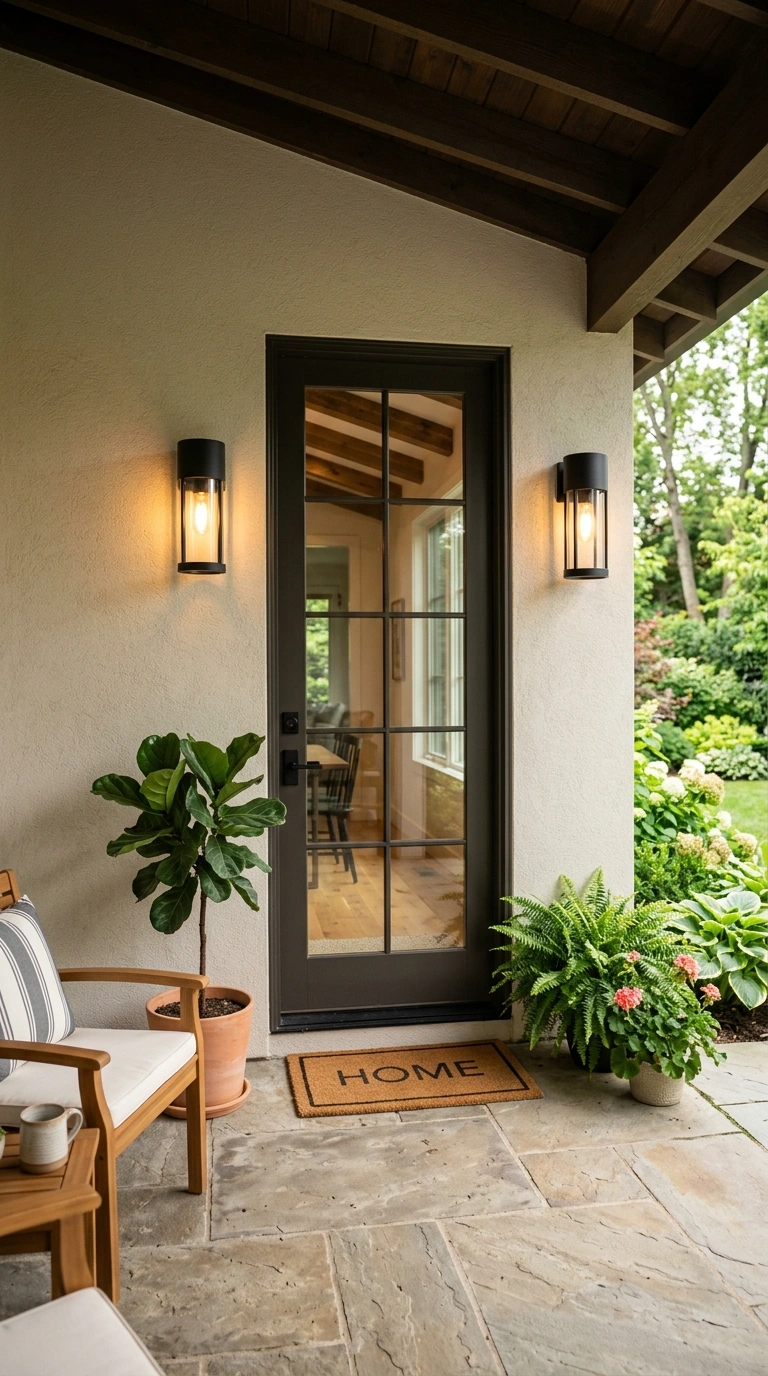
Mounting weatherproof sconces on either side of a back door or along a covered patio wall extends your lighting plan outside, making evening gatherings on the patio feel just as intentional as any indoor room. Choose fixtures specifically rated for outdoor use, checking that the shade material and wiring can handle rain and temperature changes depending on your climate.
Space the sconces evenly along the wall, similar to how you would space them in an indoor hallway, and choose a warm bulb color that complements string lights or lanterns if you already use those elsewhere on the patio. This kind of lighting makes the outdoor space usable later into the evening, and it adds a nice architectural detail to the exterior of the house even during the day when the lights are off.
16. Kids Room Sconce
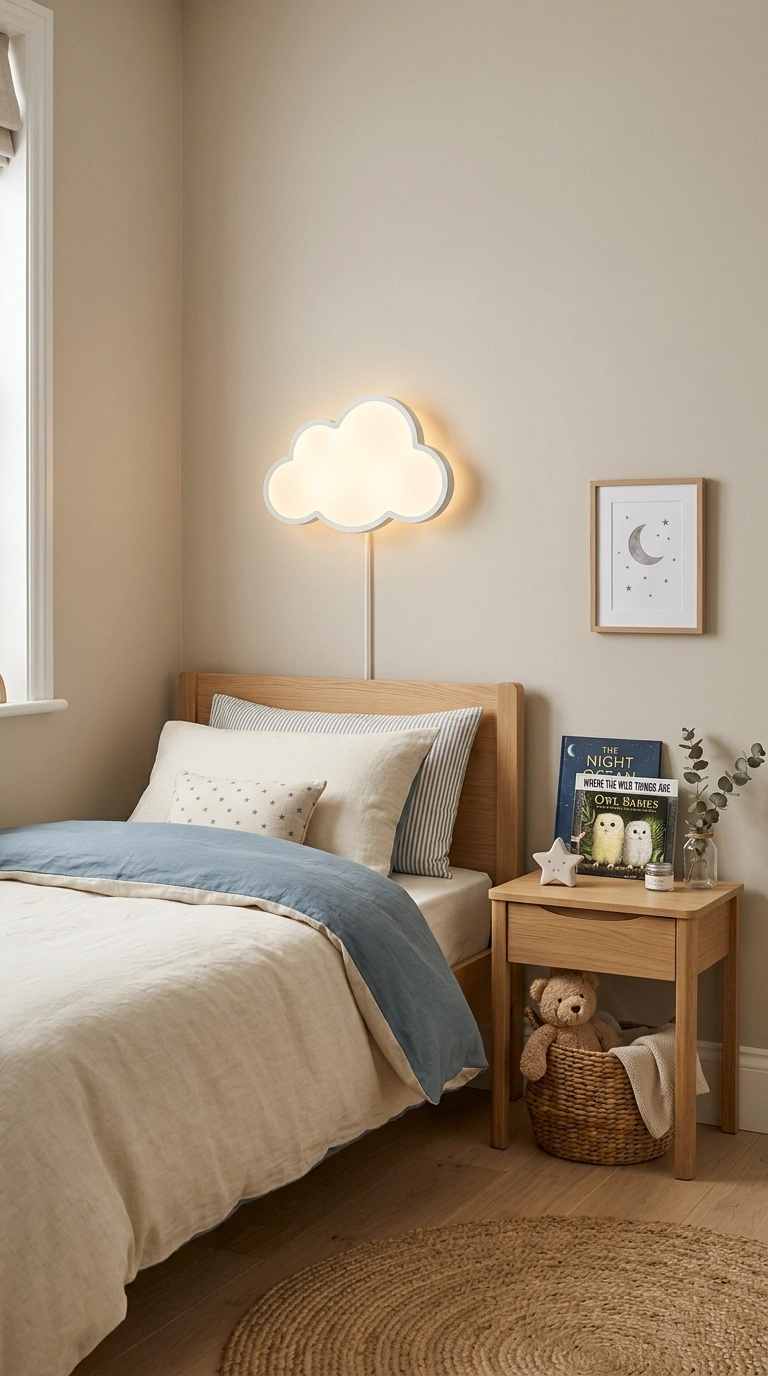
A wall sconce in a child’s room, mounted well above reach at a safe height, provides a soft nightlight-style glow that works better than a plug-in nightlight sitting on the floor where it can get kicked or unplugged easily. Choose a design with a simple, sturdy shade and avoid anything with small, removable parts a curious child might pull off.
Mount the sconce near the door or beside the bed at a height well out of reach, typically above 60 inches from the floor, and choose a dimmable, warm bulb so you can adjust the brightness for reading time versus overnight use. A fun shape, like a simple cloud or star silhouette, adds a playful touch without needing a full theme applied to the whole room, and the fixture can grow with the child since the shape reads as classic rather than tied to one specific trend.
17. Statement Brass Sconce
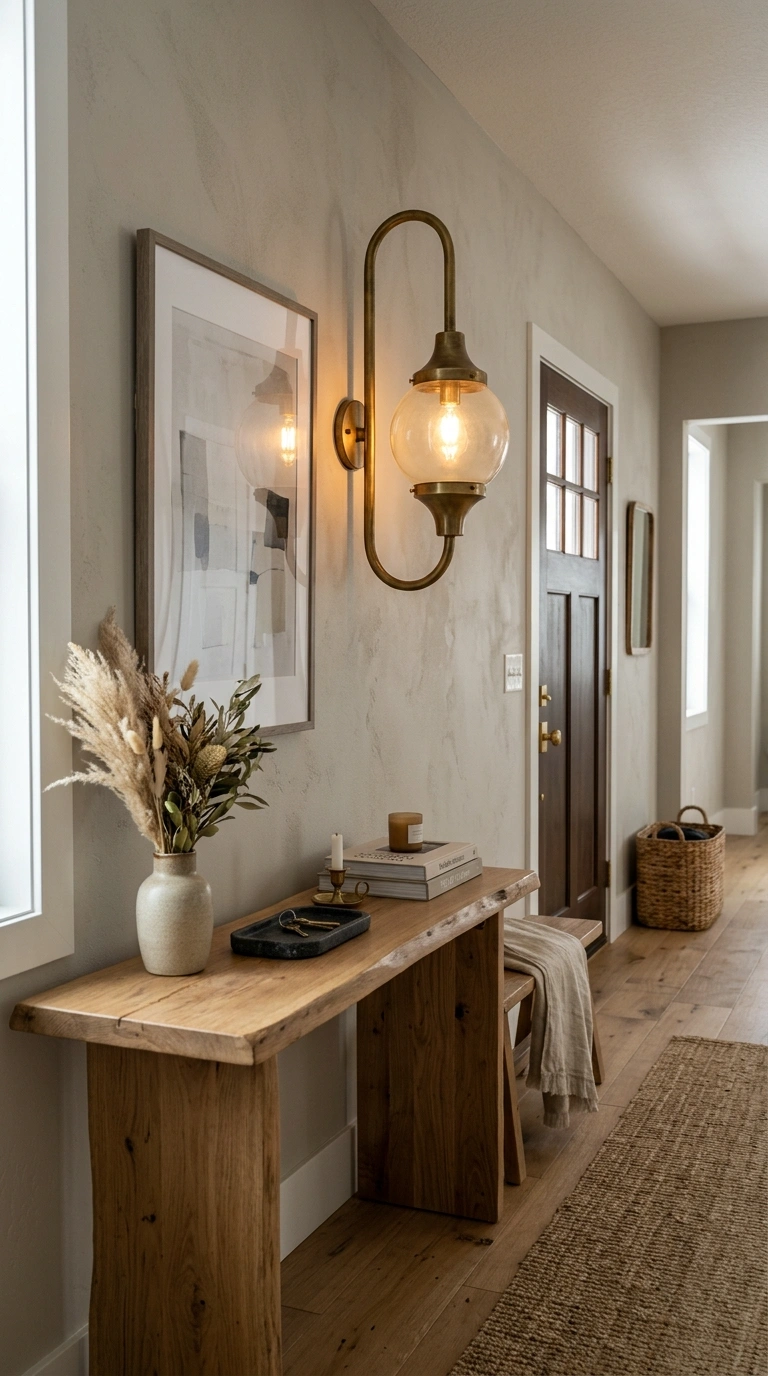
A single oversized brass sconce used as a focal point, maybe above a console table in an entryway or centered on an otherwise empty wall, brings warmth and a bit of shine into a room that might feel a little cold or plain otherwise. Choose an unlacquered or antique brass finish if you want the metal to develop a natural patina over time, or a polished brass if you prefer a consistently bright, shiny look.
This works well as a standalone piece rather than part of a matched pair, letting it act almost like a piece of wall art in addition to its lighting function. Pair it with warm-toned decor nearby, wood tones, cream fabrics, or a few dried flowers, so the brass feels like a natural extension of the room rather than a random metallic accent dropped into a space that otherwise skews cool and neutral.
Final Thoughts
Sconces are one of those upgrades that quietly change how a whole room feels without taking over the space visually. Start with one room, maybe the bedroom or hallway, see how you like living with the added light, and expand from there whenever you are ready.