20 Cozy Guest Bedroom Ideas for Holiday Visitors
The guest bedroom is the room everyone forgets until the holidays arrive, and then it suddenly matters a lot. I used to treat mine as a storage overflow, and every December I would panic-clean it the night before my parents arrived. It never felt welcoming, and I could tell. A great guest bedroom is not about luxury. It is about thoughtfulness: clean sheets, a warm light, a place to charge a phone, and all the little things that say you were expecting them happily. These 20 cozy guest bedroom ideas will help you turn that spare room into a space your holiday visitors genuinely love, whether they stay one night or one week. None of them require a renovation. They are all about the small, thoughtful details that separate a spare room from a real guest room. Think of it this way: the best guest rooms borrow a few tricks from good hotels, but they add the warmth only a home can give.
1. Invest in Hotel-Style Bedding
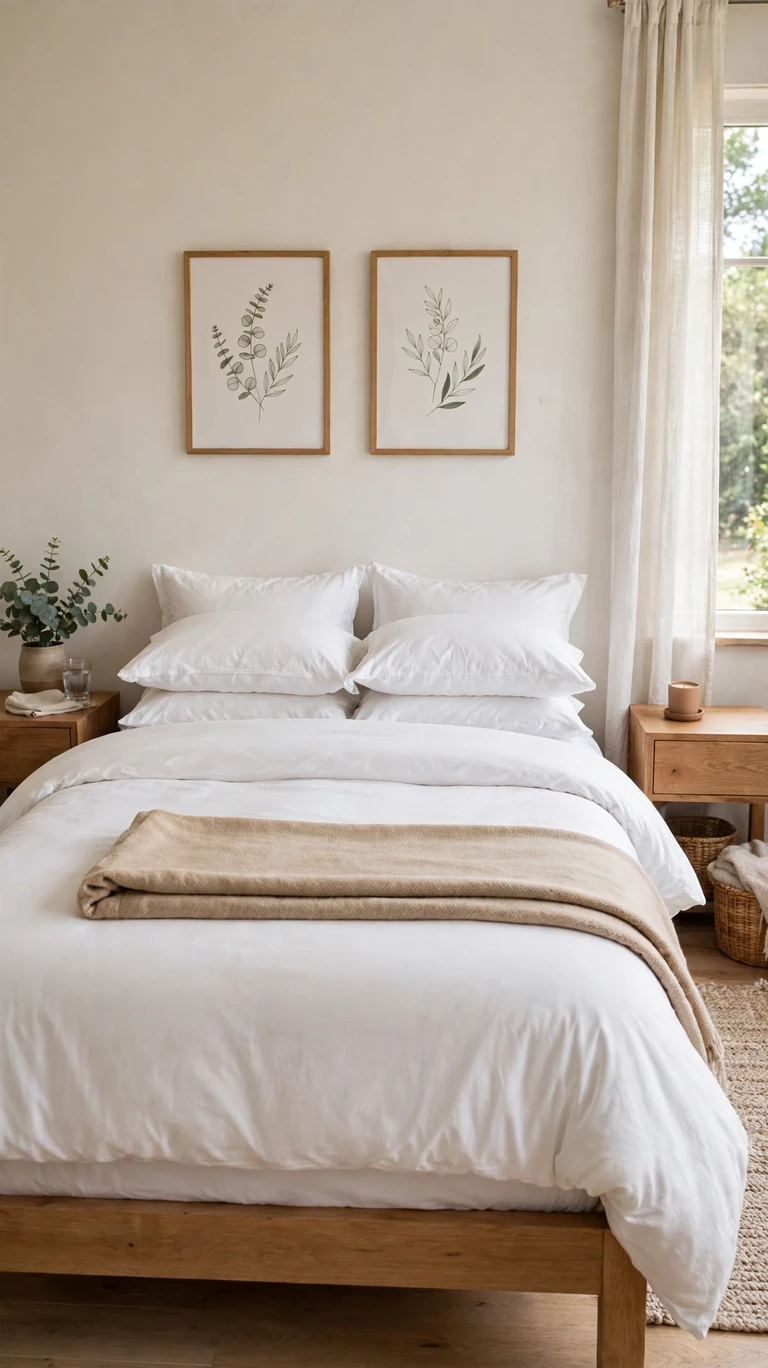
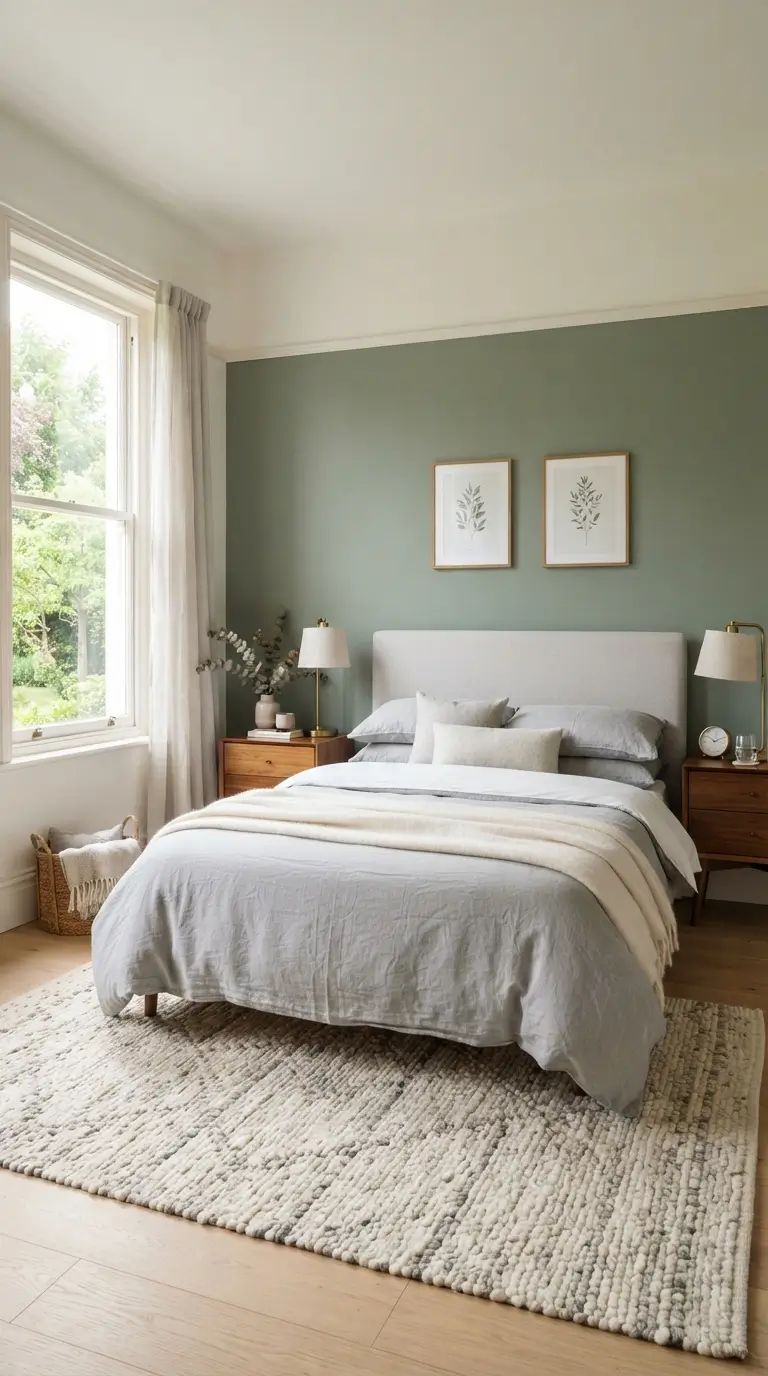
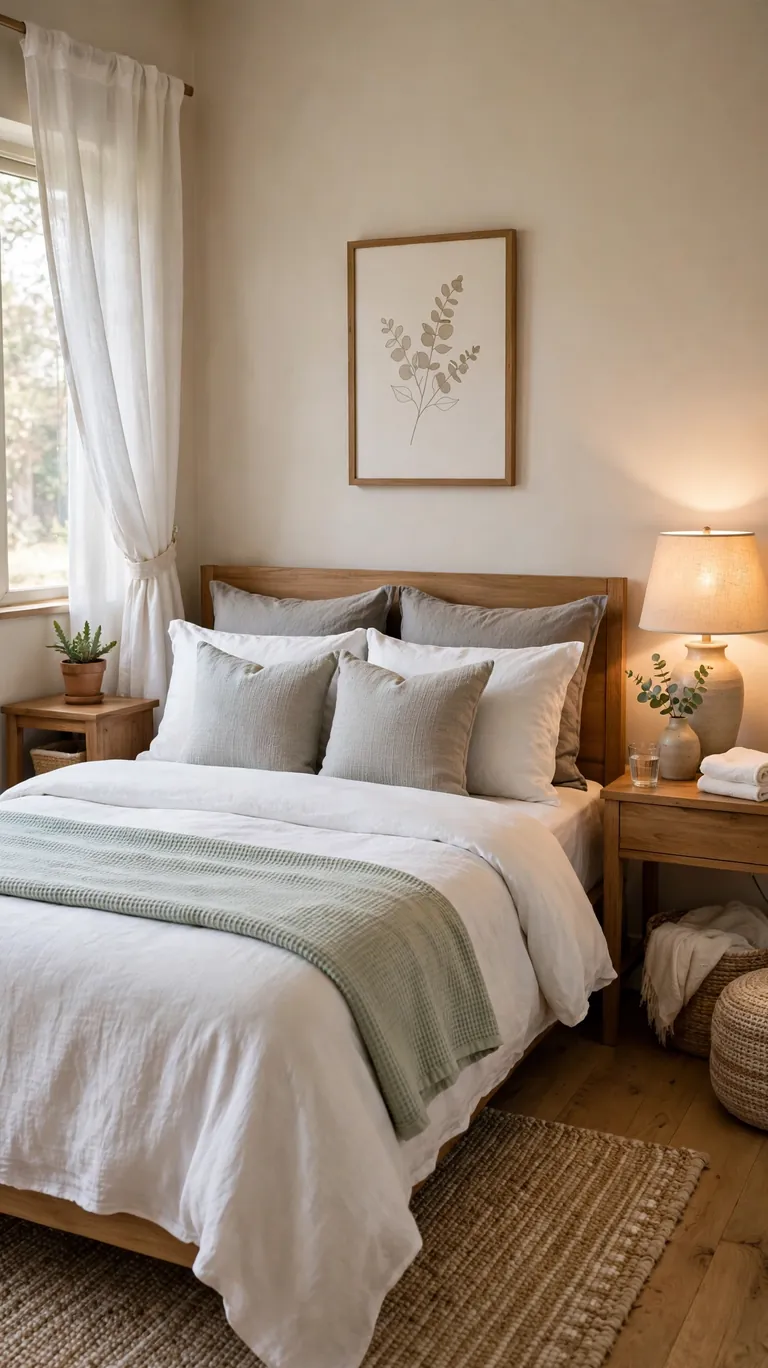
Crisp, clean, comfortable bedding is the single most important thing in a guest bedroom. I keep a dedicated set of white or cream sheets, a fluffy duvet, and two sleeping pillows per person just for guests, and they never get used by anyone else. White bedding looks fresh, washes well, and signals “this was prepared for you” the second someone walks in. Layer a folded throw at the foot of the bed for color and extra warmth.
Wash the guest bedding right before visitors arrive, even if it was clean in the closet, because stored linens pick up a musty smell. A duvet that is actually warm enough matters more than thread count, so choose for coziness. And skip the decorative pillow mountain. Two sleeping pillows and one lumbar cushion are plenty. Guests need somewhere to put the extras, and a bed buried in cushions is annoying at midnight.
2. Leave a Welcome Tray on the Bed
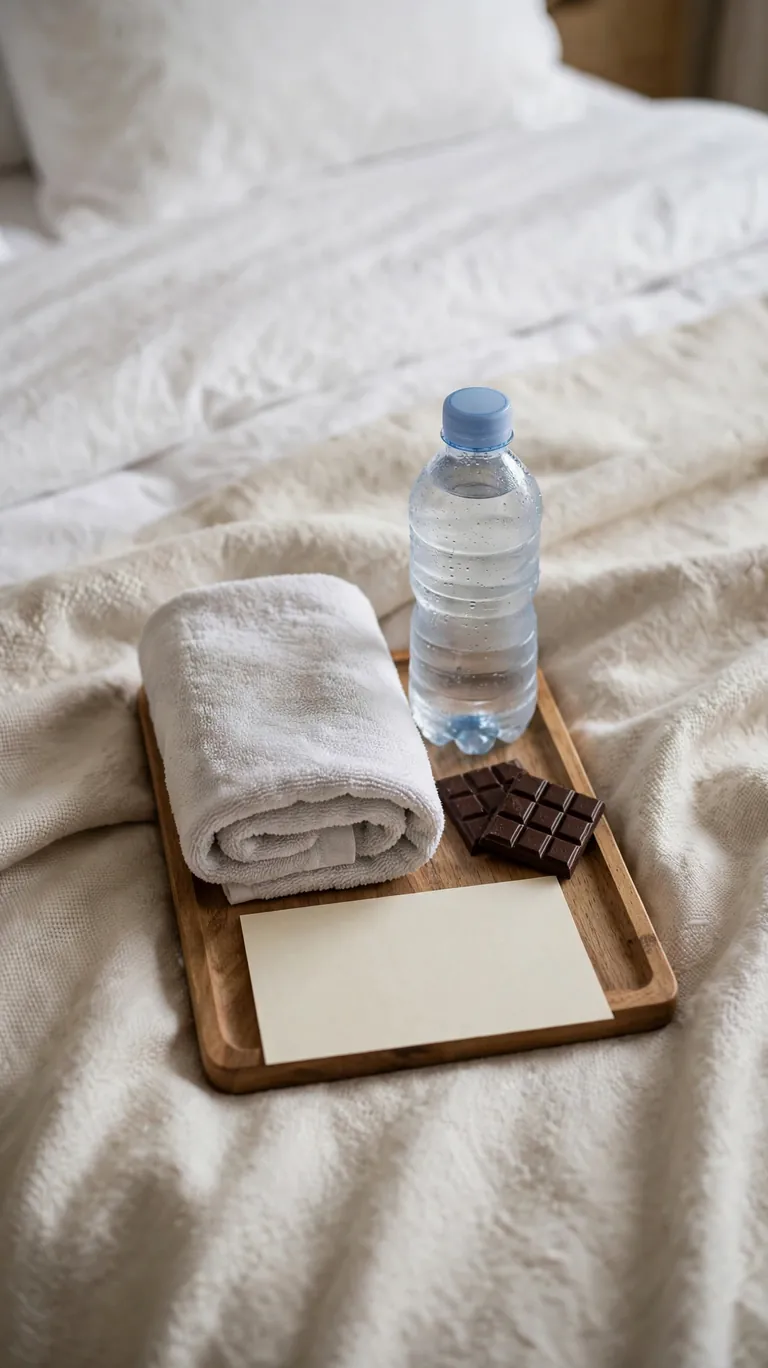
A small welcome tray on the bed is the gesture guests remember. Mine holds a folded hand towel, a bottle of water, a little chocolate, and a handwritten note saying the WiFi password. It takes five minutes to assemble and it makes people feel genuinely cared for. The note is the key piece, because hunting for the WiFi password is everyone’s first task in a new house.
Keep the tray small enough that it is easy to move to the nightstand. A big elaborate display becomes an obstacle when someone just wants to collapse. Refresh the water daily for longer stays. And if your guests arrive late at night, this tray on the bed means they can settle in without waking you up to ask for basics.
3. Clear Real Closet and Drawer Space
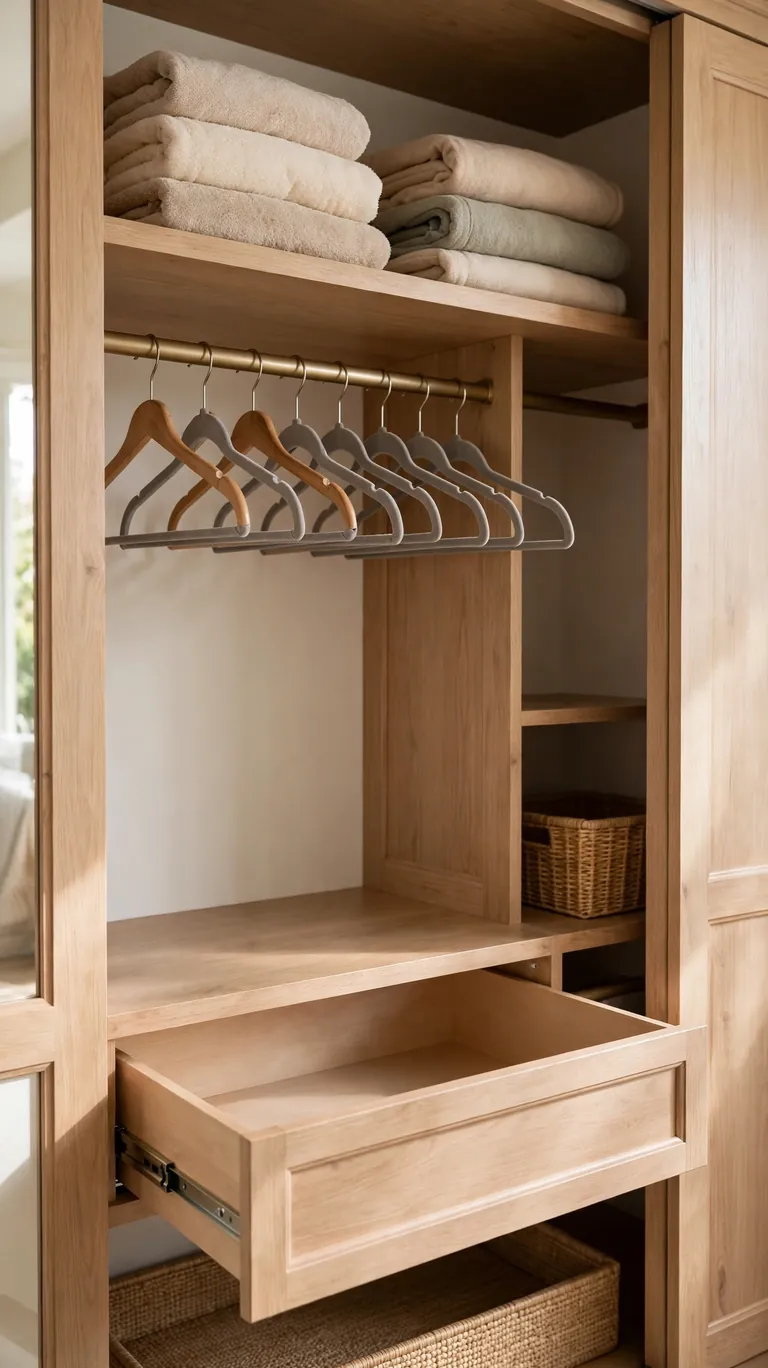
Nothing says “you are an afterthought” like a guest bedroom closet stuffed with your off-season clothes. I clear one section of the closet and one full drawer before every visit, and I leave a few empty hangers. Guests should be able to unpack, not live out of a suitcase on the floor for three days. It is a small effort that completely changes how at home someone feels.
If your guest room closet is genuinely full, use a freestanding garment rack as a temporary wardrobe. It looks intentional and it works perfectly. Put the hangers where guests can reach them easily, and leave the drawer empty rather than half-full of your things. An empty drawer is an invitation. A full one is a message.
4. Add a Luggage Rack or Bench
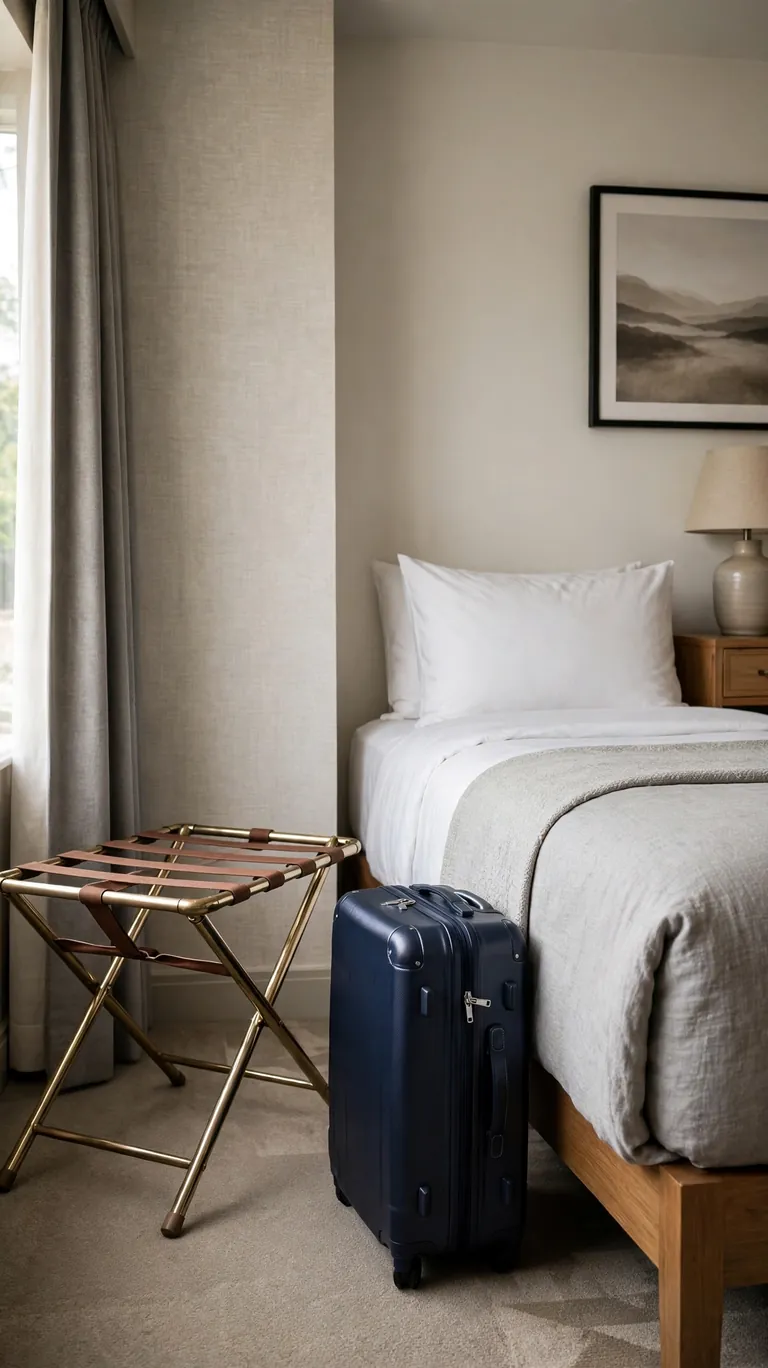
A luggage rack or a bench at the foot of the bed saves guests from the suitcase-on-the-floor dance. I bought a simple folding luggage rack years ago and it lives in the closet between visits. When guests arrive, it goes by the bed, and suddenly unpacking is civilized. A sturdy bench works just as well and doubles as seating.
Make sure whatever you use is stable enough for a heavy suitcase. A wobbly rack is worse than none. If you go with a bench, choose one with a wipeable surface, because suitcases are dirty. This is one of those hotel details that costs little and makes the room feel professionally prepared.
5. Put a Good Reading Lamp by the Bed
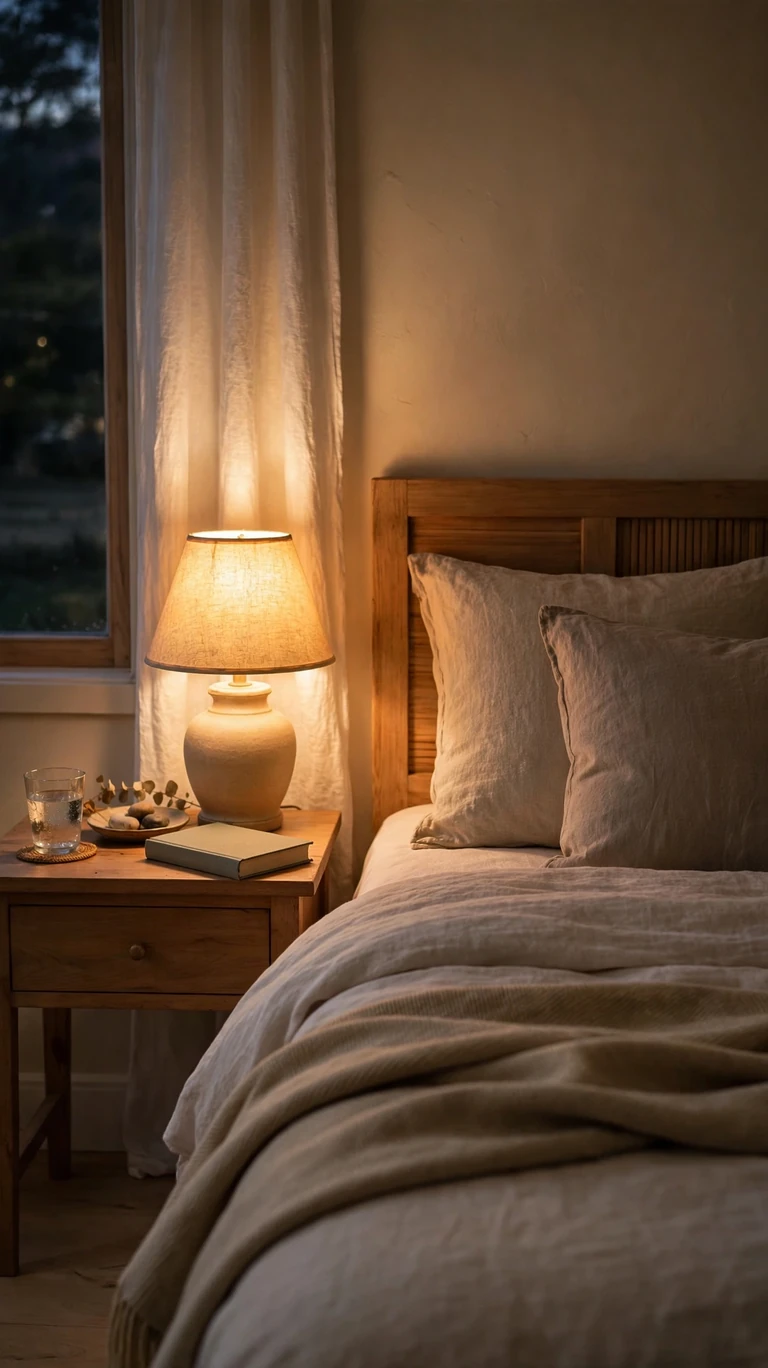
Everyone reads or scrolls in bed, so a good bedside lamp is non-negotiable. I put a warm lamp on each nightstand, or one good one if the room is small, with an easy-to-find switch. The light should be warm and bright enough to read by without lighting up the whole room. A lamp with a USB port built in is even better, because it solves the charging problem too.
Test the lamp from the pillow’s perspective before guests arrive. A lamp that shines directly in your eyes is miserable. Angle it so the light falls on the book, not the face. And put the switch or a smart plug within arm’s reach of the bed, because nobody wants to get up to turn off the light when they are already cozy.
6. Offer a Phone Charging Station
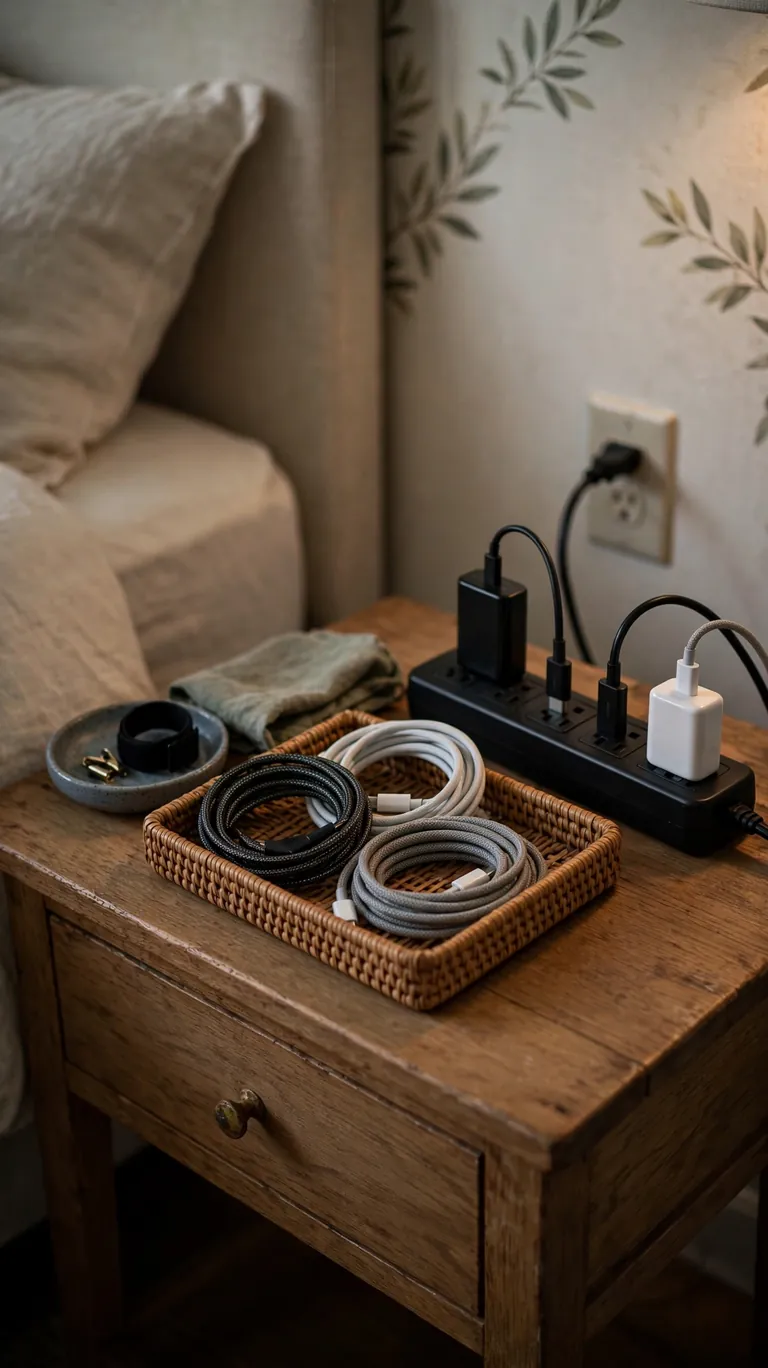
A dead phone in a strange house is a special kind of anxiety. I keep a power strip with a couple of USB ports on the nightstand, along with one spare charging cable for each common phone type. Guests should never have to ask to borrow a charger or hunt for an outlet behind the bed. It is a tiny detail that prevents a real annoyance.
Label nothing, just make it obvious. A small tray with the cables coiled neatly says “help yourself” without a word. Check that the cables actually work before each visit, because a dead cable is worse than no cable. And make sure the outlet is not controlled by a wall switch that turns off with the lights, which is a classic guest bedroom trap.
7. Stock a Basket of Spare Toiletries
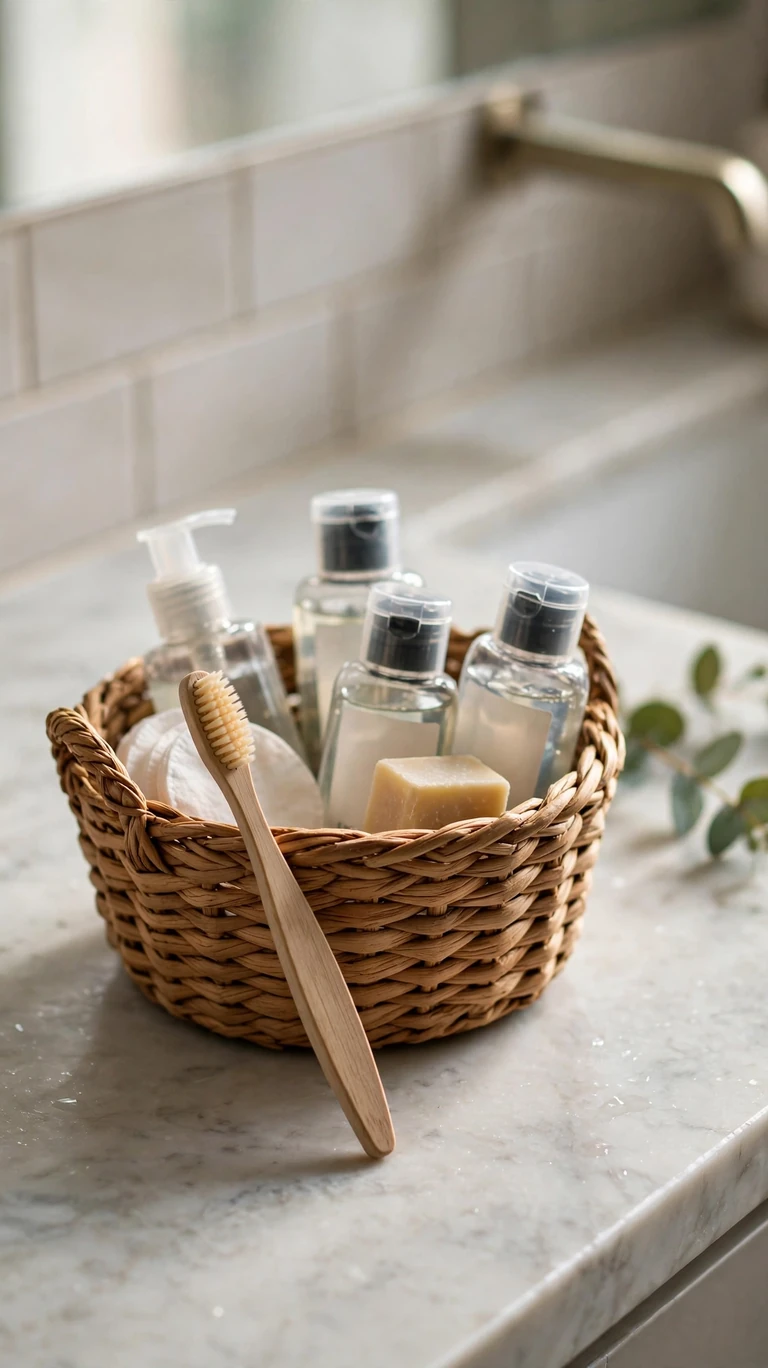
Guests always forget something. I keep a small basket in the guest room or bathroom with travel toothpaste, a spare toothbrush still sealed, shampoo, conditioner, body wash, a razor, deodorant, and a few bandages. Everything is travel-sized and replaced as it gets used. It has saved countless trips to the store and a lot of embarrassment.
Keep the basket visible, on the bathroom counter or the dresser, not hidden in a cabinet. Guests will not open your drawers to look for things. Check expiration dates once a year, because old sunscreen and ancient lotion are not a kindness. And include a few feminine hygiene products discreetly, because running out far from home is miserable.
8. Layer Extra Blankets Within Reach
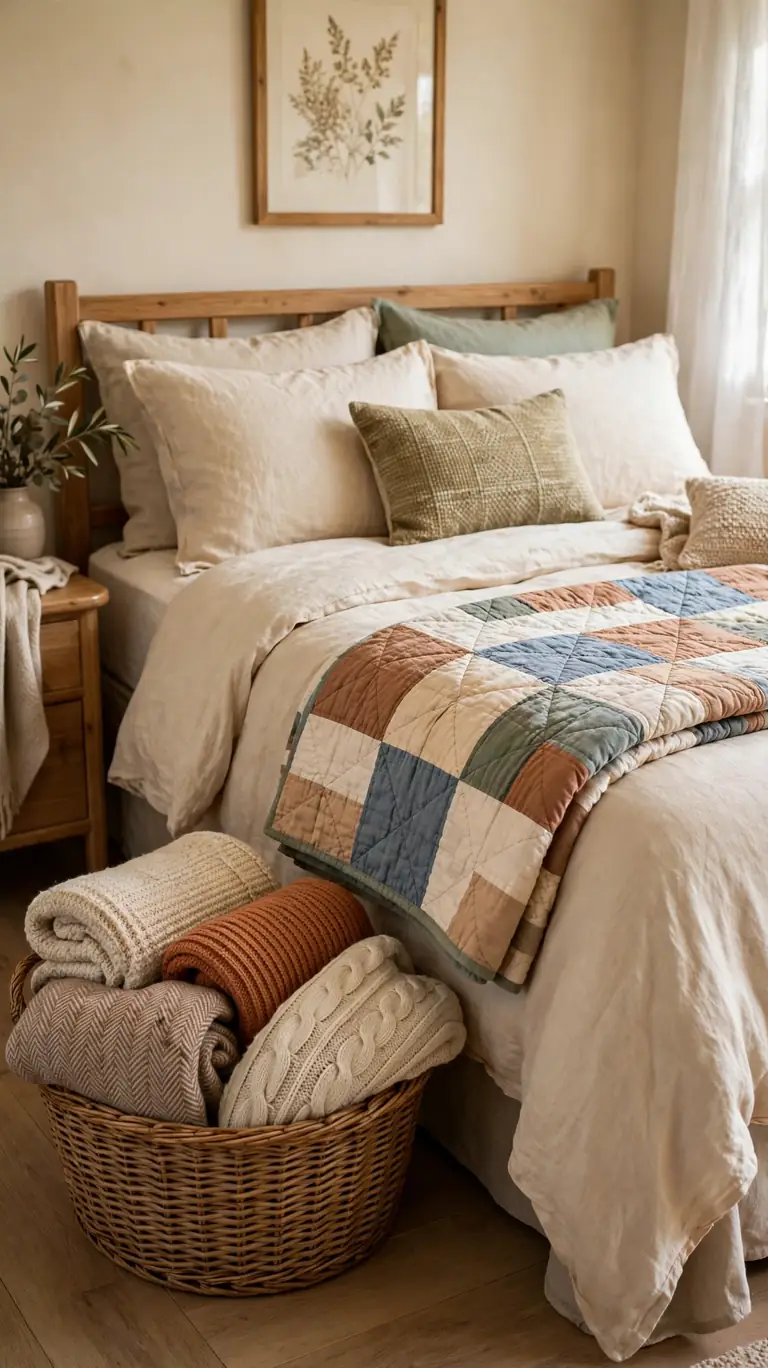
Temperature preferences are deeply personal, and your guest room will never match everyone’s. I keep a basket of extra blankets, one medium throw and one heavier quilt, at the foot of the bed or in an open basket nearby. Guests who run cold can layer up without waking you to ask, and guests who run hot can just ignore them.
Choose blankets that wash easily, because they will get used. Fold them neatly so the basket looks inviting rather than like a laundry pile. A note is unnecessary here, the basket speaks for itself. And if your house runs cold at night in winter, mention it when you show them the room so they know the blankets are there for a reason.
9. Hang Blackout Curtains for Real Sleep
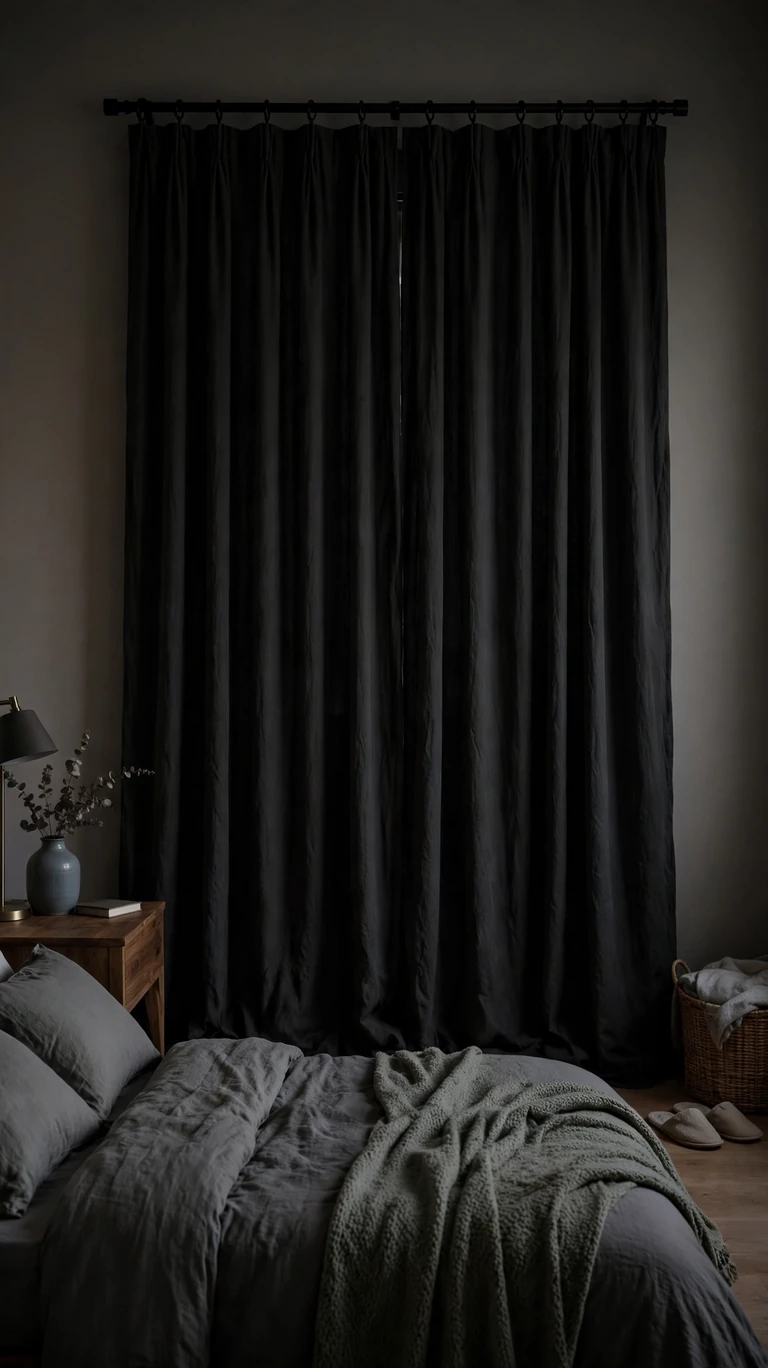
Guests sleep in an unfamiliar room, often in a different time zone, so darkness matters more than usual. I put proper blackout curtains in the guest bedroom, and the difference in sleep quality is remarkable. Streetlights, early sunrises, and hallway light all disappear. It is one of the cheapest upgrades with the biggest payoff.
Make sure the curtains actually close fully, with no gap in the middle. A curtain rod that extends past the window frame on both sides lets the panels stack off the glass and seal the edges. If new curtains are not in the budget, a simple sleep mask on the welcome tray does the job. Either way, do not assume your guests will sleep fine with thin sheers.
10. Add a Cozy Rug Beside the Bed
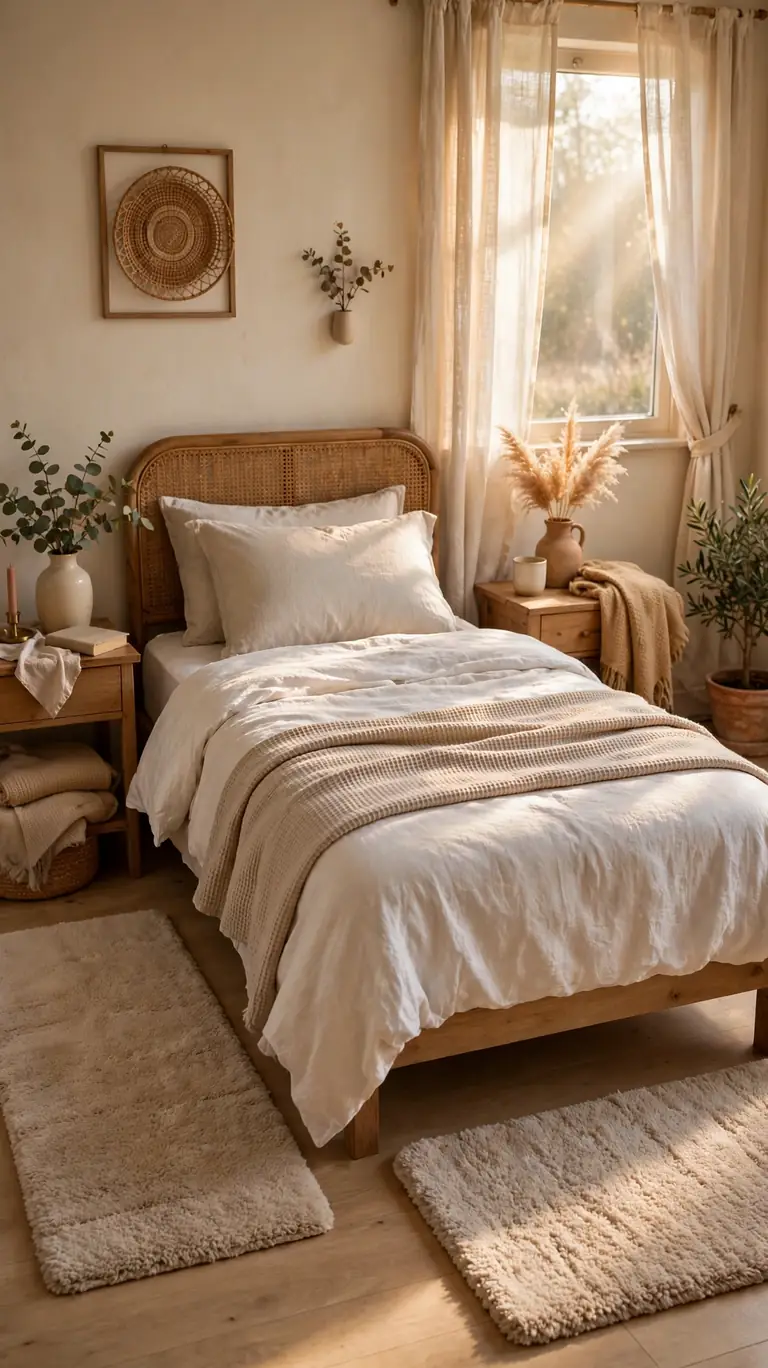
Cold floors are the first thing guests feel in the morning, and it sets the tone for the whole day. I put a soft rug on each side of the guest bed, big enough that feet land on something warm when they swing out. It does not need to be expensive, just soft and clean. A washable rug is ideal, because guest rooms get less regular cleaning.
Choose a low-pile rug so the door still opens over it and suitcases roll across it without catching. Vacuum it before every visit, because a dusty rug under the bed is worse than no rug. If the room has hardwood or tile, this one change makes the whole space feel twice as cozy.
11. Provide a Small Clock They Can See
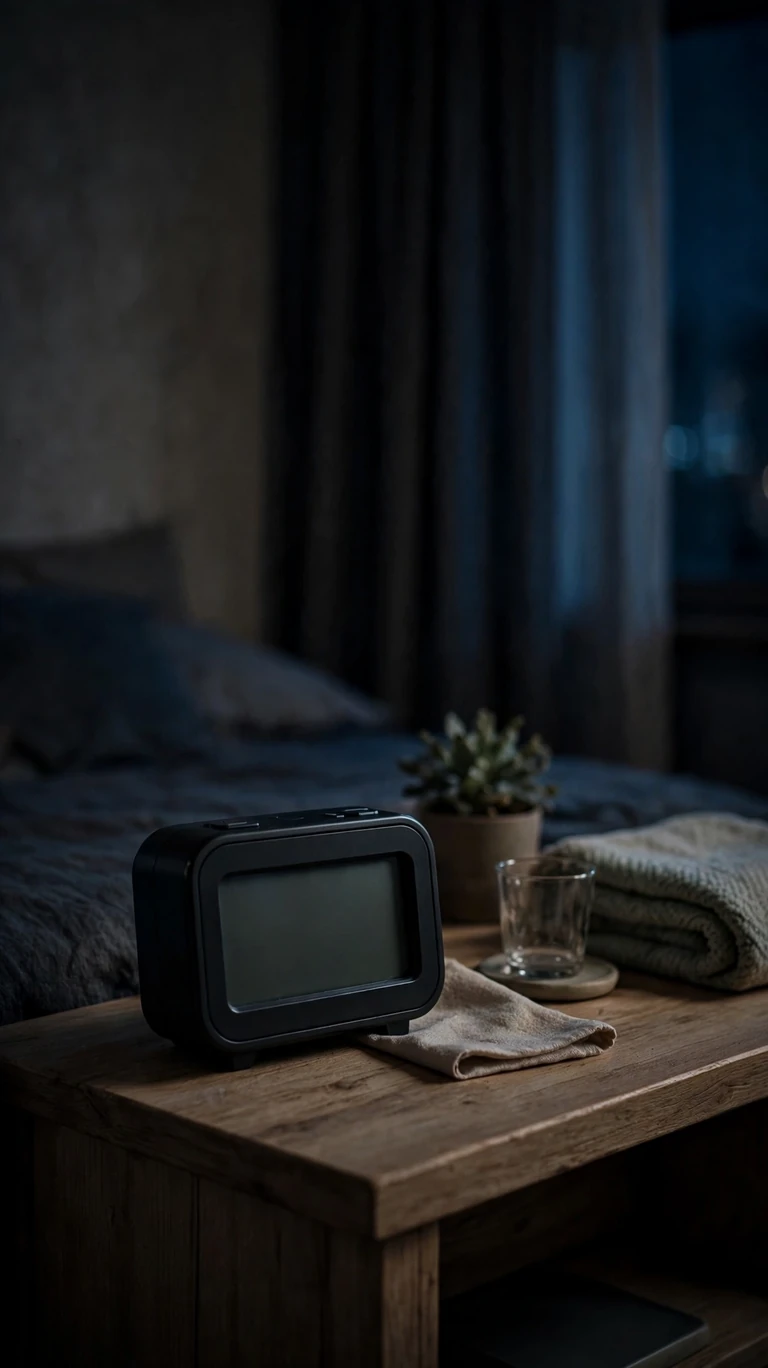
Not everyone sleeps with their phone as an alarm, and older guests especially appreciate a real clock. I keep a simple digital clock on the guest nightstand, set to the right time, with the display dimmed. It answers the 3 a.m. question, “what time is it,” without anyone fumbling for a phone and getting blasted with blue light.
Pick a clock with a dimmer or an auto-dimming display, because a bright red LED across a dark room is its own sleep problem. Set it accurately before each visit. And if your guests are the phone-alarm type, the clock still helps, because it is visible from the bed without unlocking anything.
12. Keep Tissues and Water Within Reach
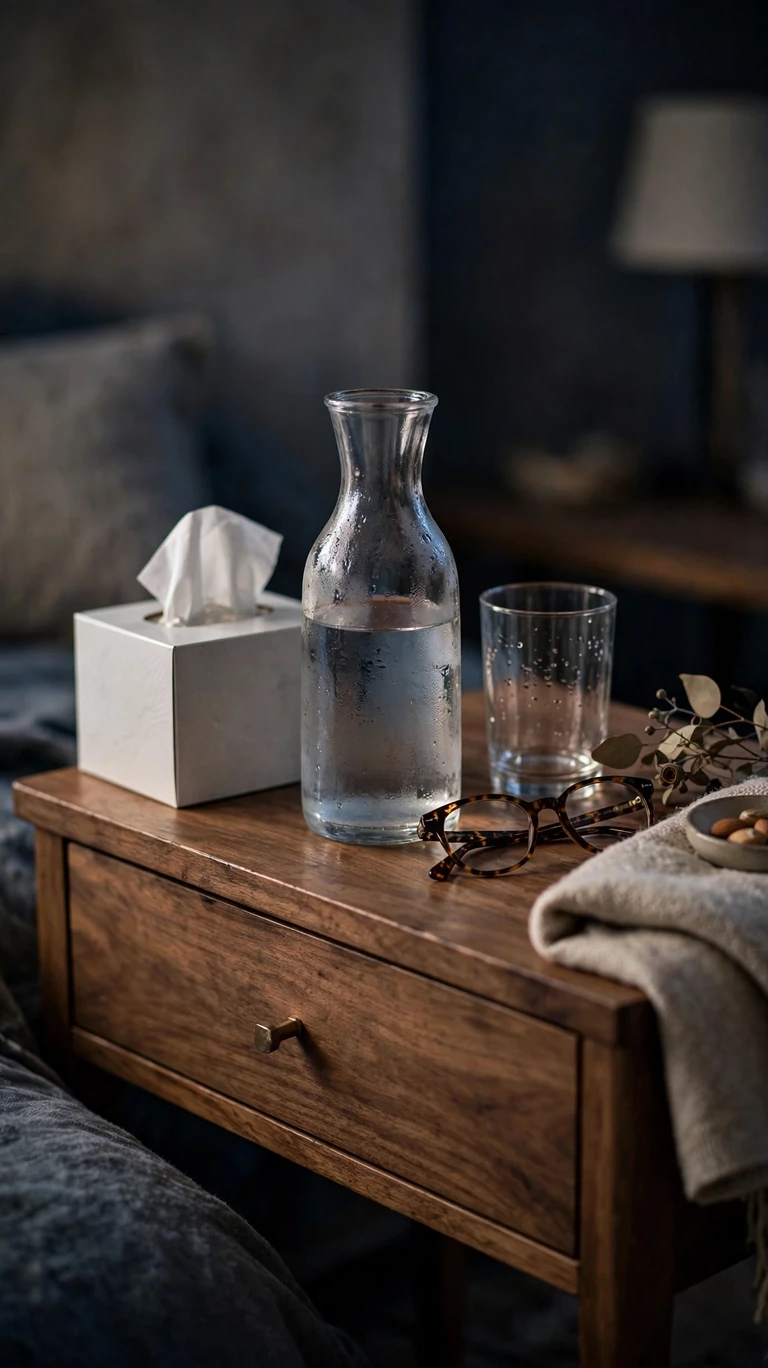
A box of tissues and a carafe of water on the nightstand cover the two most common midnight needs. I use a small carafe with a glass rather than a plastic bottle, because it looks nicer and guests can refill it. Tissues handle everything from colds to allergies to happy tears at the holiday table.
Refill the carafe every evening during longer stays. It is a two-minute task that feels like room service. Keep the tissues in a proper box or a nice cover, not a crumpled travel pack. These are the details that make a guest room feel like a boutique hotel instead of a spare room.
13. Offer White Noise or Earplugs
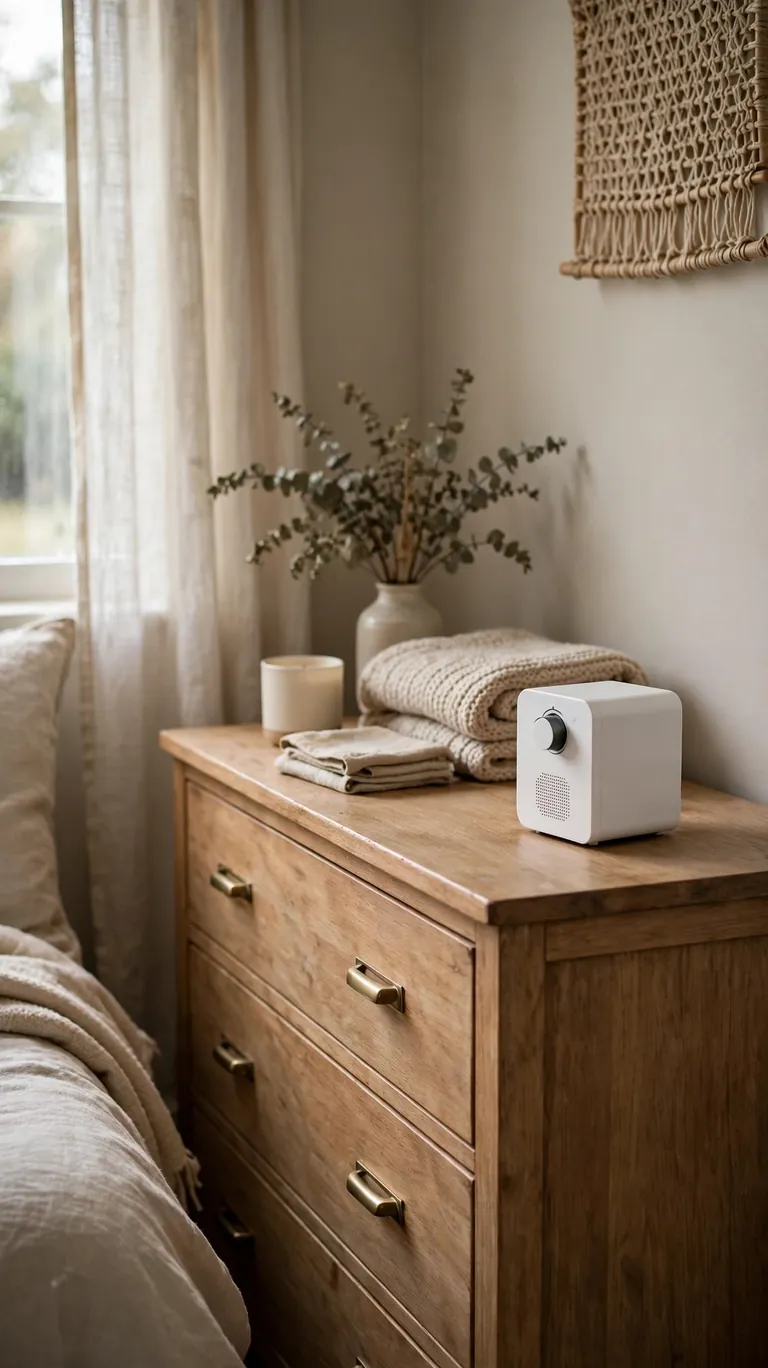
Unfamiliar houses make unfamiliar sounds, and light sleepers suffer. I keep a small white noise machine in the guest room closet, and I put a pair of sealed earplugs on the welcome tray. Guests can choose their weapon. The white noise machine also helps when the rest of the house is still awake and noisy downstairs.
Show guests how the machine works when you give the room tour, because a mysterious gadget with no instructions will not get used. Keep the earplugs sealed and fresh for each visit. And if your house has a particularly loud quirk, like a barking dog or a 6 a.m. garbage truck, warn them with a smile. Forewarned is forearmed.
14. Create a Simple Reading Corner
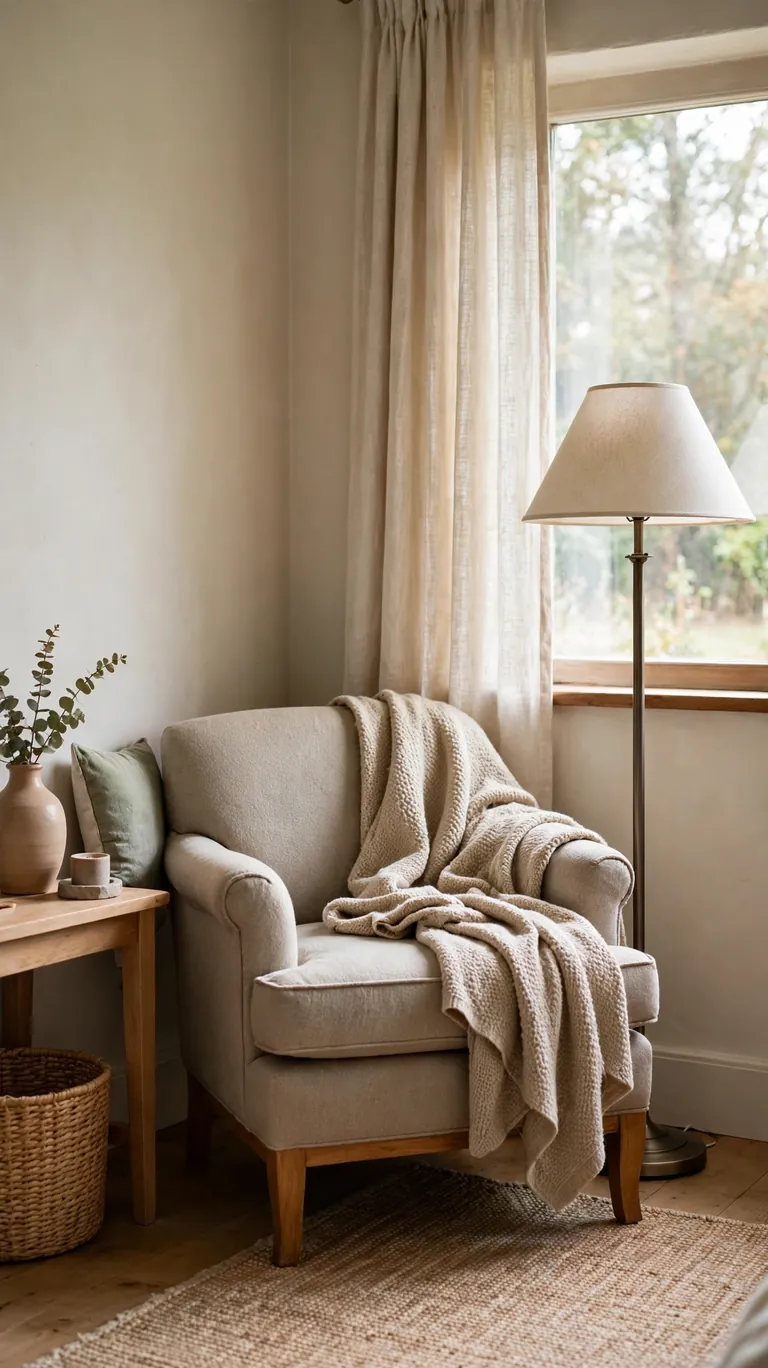
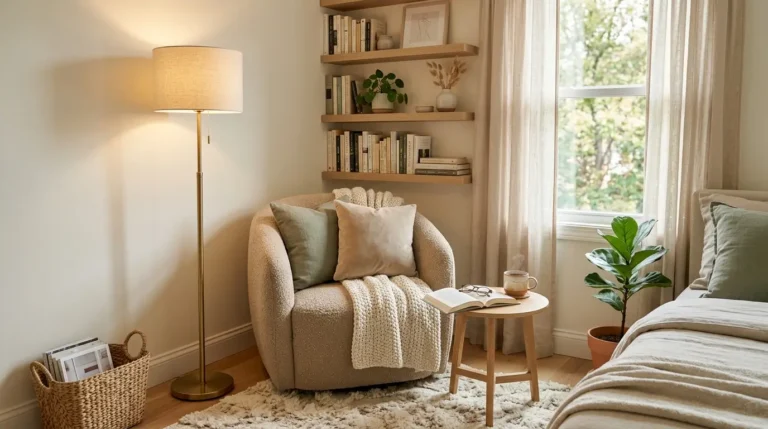
If the guest room has any spare corner, a small chair with a lamp and a throw turns it into a retreat. Guests sometimes need a quiet moment away from the holiday bustle, and a reading corner gives them permission to take it. I added a secondhand armchair and a floor lamp to mine, and it gets used every single visit.
Keep the corner simple. A chair, a light, a small side table for a drink. Do not clutter it with decor, because it needs to function. A basket with a few books or magazines is a nice touch, but do not overthink the selection. The point is the invitation to sit, not a curated library.
15. Leave a House Info Card
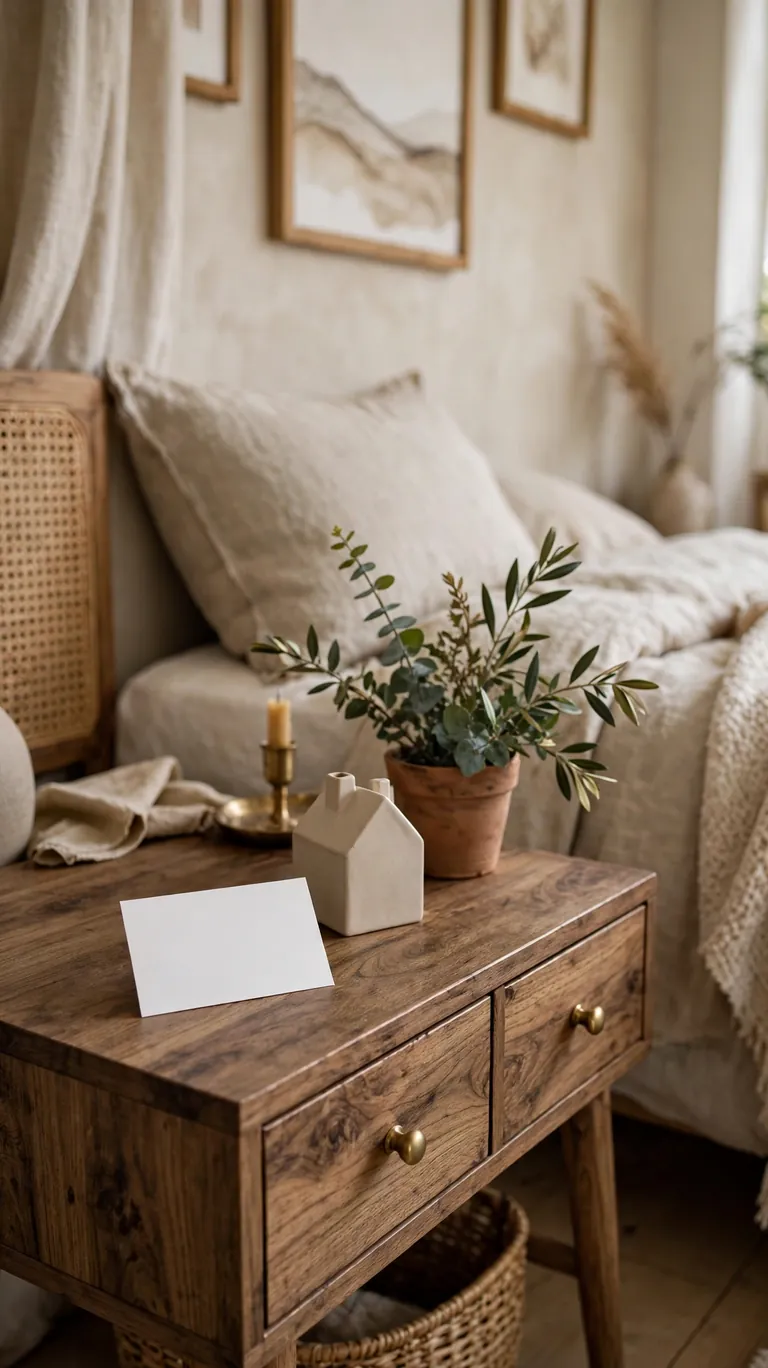
A small card with the practical details saves everyone awkward questions. Mine lists the WiFi name and password, where to find extra towels, how to work the shower, the coffee situation in the morning, and my phone number. Guests read it once and then relax, because they know the rules of the house without having to ask.
Keep it to one small card, not a binder of house rules. Friendly tone matters. “Coffee is ready by 7, help yourself” beats a list of prohibitions. Update the card when things change, like a new WiFi password. And put it somewhere obvious, on the welcome tray or the nightstand, not tucked in a drawer.
16. Add a Nightlight in the Hallway
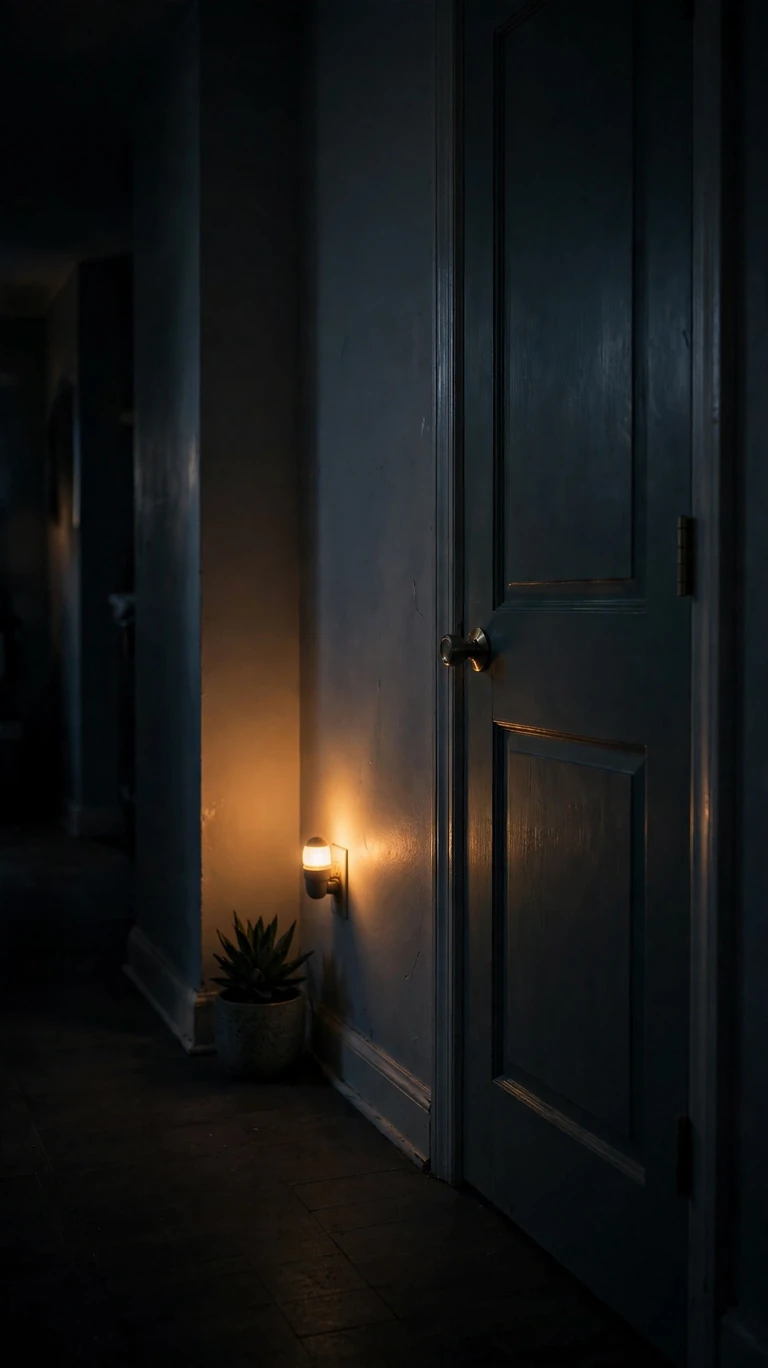
Guests navigating an unfamiliar house at night need light. I plug a warm nightlight into the hallway outside the guest room and one in the guest bathroom. It is a tiny thing that prevents stubbed toes and full overhead lights at 2 a.m. Motion-sensor ones are best, because they only glow when needed.
Choose warm light, not the harsh blue-white kind. The goal is gentle guidance, not a runway. Check that the nightlight actually illuminates the path to the bathroom, because that is the trip that matters. This is a two-dollar upgrade that guests will silently thank you for.
17. Set Out a Snack Basket
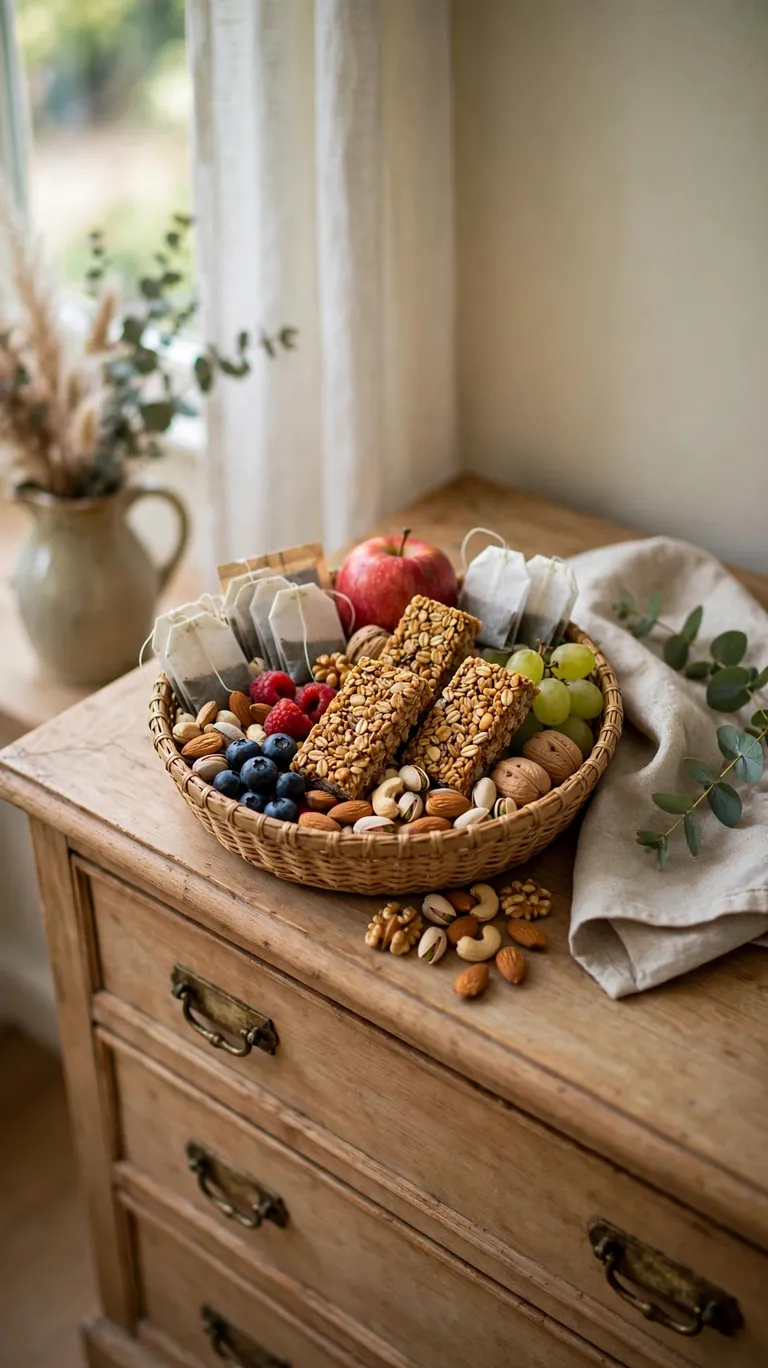
A small basket of snacks in the guest room is pure hospitality. I include a few granola bars, some nuts, a piece of fruit, and a couple of tea bags with a mug. Late-night hunger and early-morning hunger are real, and guests will not always want to raid your kitchen at midnight. The basket says “make yourself at home” better than words.
Choose snacks that do not need refrigeration and will not go stale quickly. Check the basket before each visit and replace anything past its date. Keep it simple, five or six items, not a whole pantry. And if any guest has allergies you know about, tailor the basket. That level of care is unforgettable.
18. Make Room for Kids if Needed
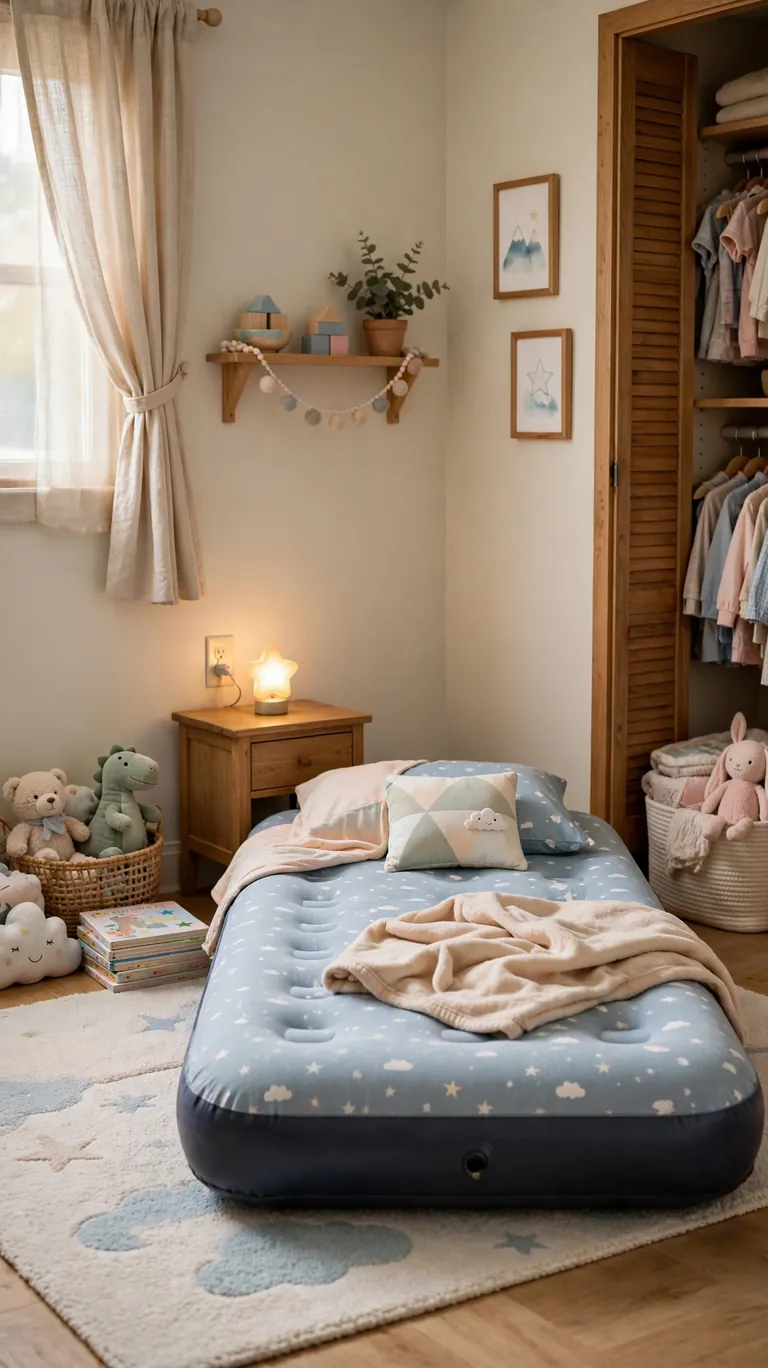
If your holiday visitors include children, a little preparation goes a long way. I keep an air mattress, kid-friendly bedding, and a nightlight in the guest room closet, ready to deploy. A small step stool for the bathroom sink and a few outlet covers take ten minutes to set up and make the room genuinely kid-safe.
Ask the parents what they need before they arrive, because every family is different. Some bring everything, some forget everything. Having the basics on hand, spare pajamas are overkill, but extra blankets and a nightlight are not, means the parents can relax. And put anything breakable or precious out of reach before the little ones arrive.
19. Offer a Morning Coffee Setup
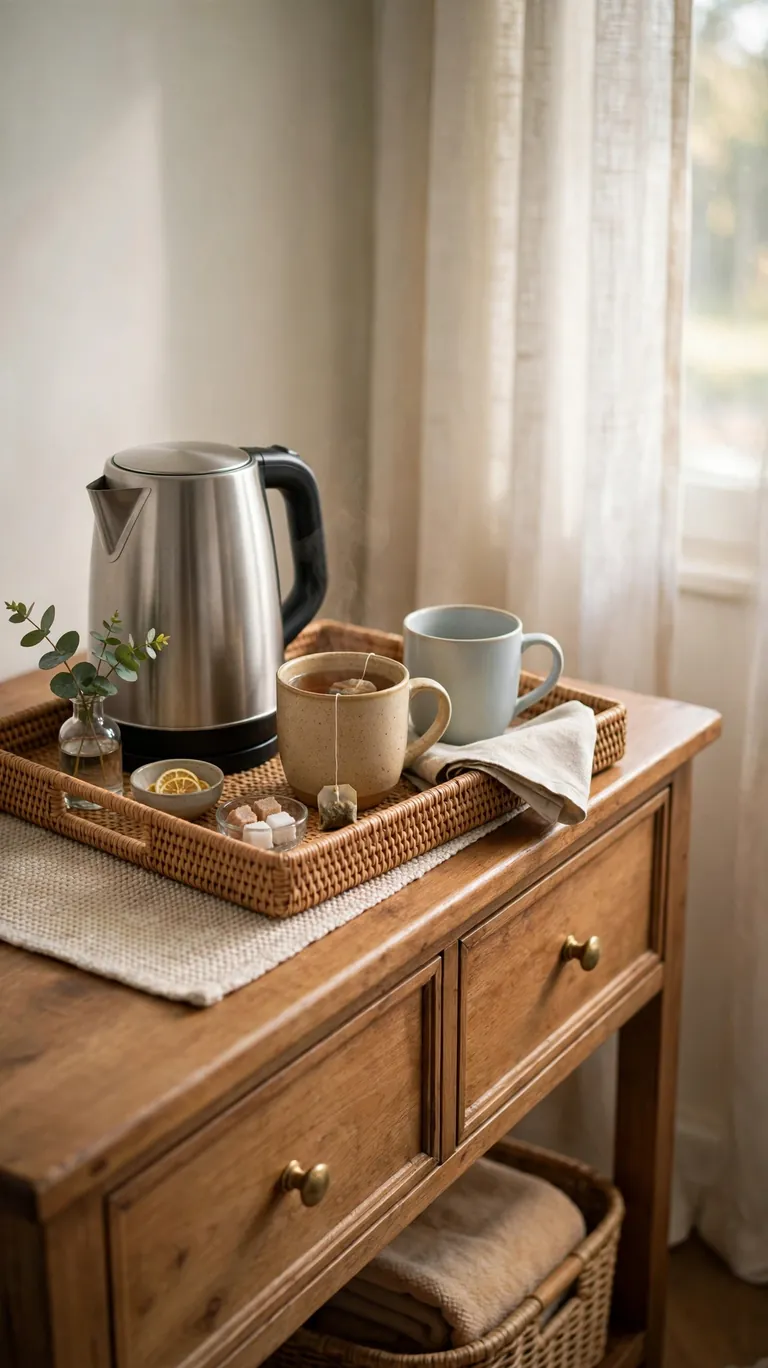
The morning after is when guests feel most like outsiders, so make it easy. I leave a note about the coffee situation on the info card, and for early risers I sometimes set up a small tray in the guest room with an electric kettle, instant coffee or tea, and a mug. Nobody should have to wait for the host to wake up for their first cup.
If you go the in-room route, use a kettle with automatic shutoff and keep it on a stable surface away from the bed. Otherwise, just make the kitchen coffee foolproof: leave the machine ready to go with a little instruction note. “Press this button” beats a complicated ritual nobody can figure out at 6 a.m. For more on styling a coffee corner, see my cozy coffee bar ideas at cozy coffee bar ideas.
20. Do a Final Walkthrough Before They Arrive
The last step is the most important: walk through the room as a guest. Lie on the bed. Check the lamp. Look for dust on the nightstand, cobwebs in the corner, and that weird stain on the rug you stopped seeing months ago. Open the drawers you cleared. Run the shower. I do this the day before every visit, and I always find something.
Check the little things: does the door latch properly, is there toilet paper in the bathroom, does the window lock, is the room a comfortable temperature. These are the details guests notice but never mention. A ten-minute walkthrough catches all of them. Your guest room does not need to be perfect. It just needs to feel like someone cared, and this final check is how you make sure it does.
Frequently Asked Questions
How do I make a small guest bedroom feel bigger?
Keep the furniture minimal and the palette light. A bed, one nightstand, and a small dresser are enough. Use mirrors to bounce light, keep the bedding simple rather than fussy, and do not overdecorate the walls. Clear surfaces make a small room feel calm instead of cramped. If the room doubles as an office or storage space, hide the non-bedroom stuff as much as possible when guests come. A small room that is tidy and intentional feels cozy. A small room that is cluttered feels like a closet.
What should I put in a guest bedroom for the holidays specifically?
Beyond the year-round basics, add holiday touches: a small wreath on the door, a festive throw on the bed, a candle in a seasonal scent, and maybe a tiny tree or a string of fairy lights in the corner. Keep it tasteful, not a full Christmas explosion. The holiday touches should make the room feel festive, not like storage overflow for your decorations. And remember that some guests may not celebrate the same holidays, so keep the seasonal decor warm and general rather than intensely specific.
How do I handle guests with allergies?
Ask before they arrive. The most common issues are dust, pets, and fragrances. Wash all bedding in hot water, vacuum thoroughly including under the bed, and skip the scented candles and plug-in air fresheners if anyone is sensitive. Keep pets out of the guest room for a few days before the visit and lint-roll the bedding. An air purifier in the room is a wonderful investment if you host often. Most allergy sufferers will tell you what they need if you ask, so ask.
Should the guest bathroom be stocked differently for the holidays?
The basics are the same year-round: clean towels, toilet paper, hand soap, and the toiletries basket. For the holidays, add a few extras: a festive hand towel, a seasonal soap, and maybe a small poinsettia or a sprig of eucalyptus in a vase. Make sure there is a clear spot for guests’ own toiletries, because a counter covered in your products leaves them nowhere to put theirs. And check the little things: a working toilet, good water pressure, and a bath mat that is not slippery.
How long is too long for holiday guests to stay?
That depends entirely on your relationship and your space, but the old saying about fish and guests exists for a reason. For most hosts, three to four nights is the sweet spot where everyone is still happy. If someone is staying a week or more, build in some independence: a house key, the info card, laundry access, and some unstructured time. Talk about expectations kindly before the visit, not during it. “We would love to have you Thursday through Sunday” is much easier than hinting on day five.
Conclusion
A great guest bedroom is not about the thread count or the square footage. It is about the feeling that someone thought about you before you arrived. The welcome tray, the charged phone cable, the empty drawer, the warm light in the hallway, these are small things, but they add up to a stay that feels like being cared for rather than being accommodated. You do not need to do all 20 ideas at once. Start with the bedding and the basics, add the thoughtful touches over time, and do that final walkthrough before every visit. Your holiday guests will notice, even if they never say so. And the best part? Once the room is set up well, hosting gets easier every time. The room does the welcoming for you, and you get to enjoy your visitors instead of fussing over them. That is what the holidays are supposed to feel like.