How to Block Light From Windows Without Curtains: 18 Ideas That Work
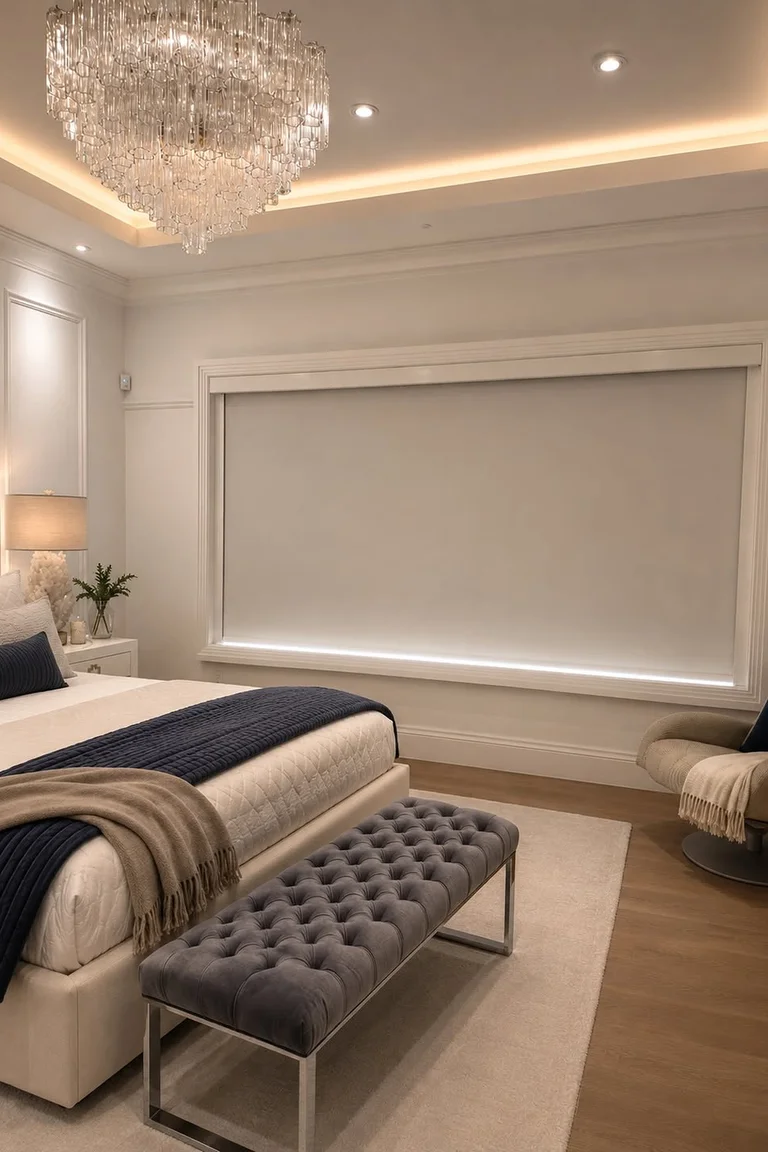
Curtains are the usual answer to a bright window, but they are not always an option. Maybe your lease bans drilling. Maybe the window is an odd size. Maybe you just do not want fabric hanging in the room.
So the sun walks in anyway. It wakes you at 5 a.m., throws glare across your laptop by noon, and lets the neighbors see in at night. No single product fixes all three problems. Some ideas make a room truly dark. Others only soften the light or add privacy, and a few work best when you pair them.
This guide shows how to block light from windows without curtains, and it tells you what each option really does. You will see which ones give a full blackout, which ones cut glare, and which ones protect privacy while daylight stays. Every idea also says whether renters can use it.
Pick the window that bothers you most and start there. Even one fix can make that room easier to sleep and work in.
1. Mount a Blackout Roller Shade Inside the Window Frame
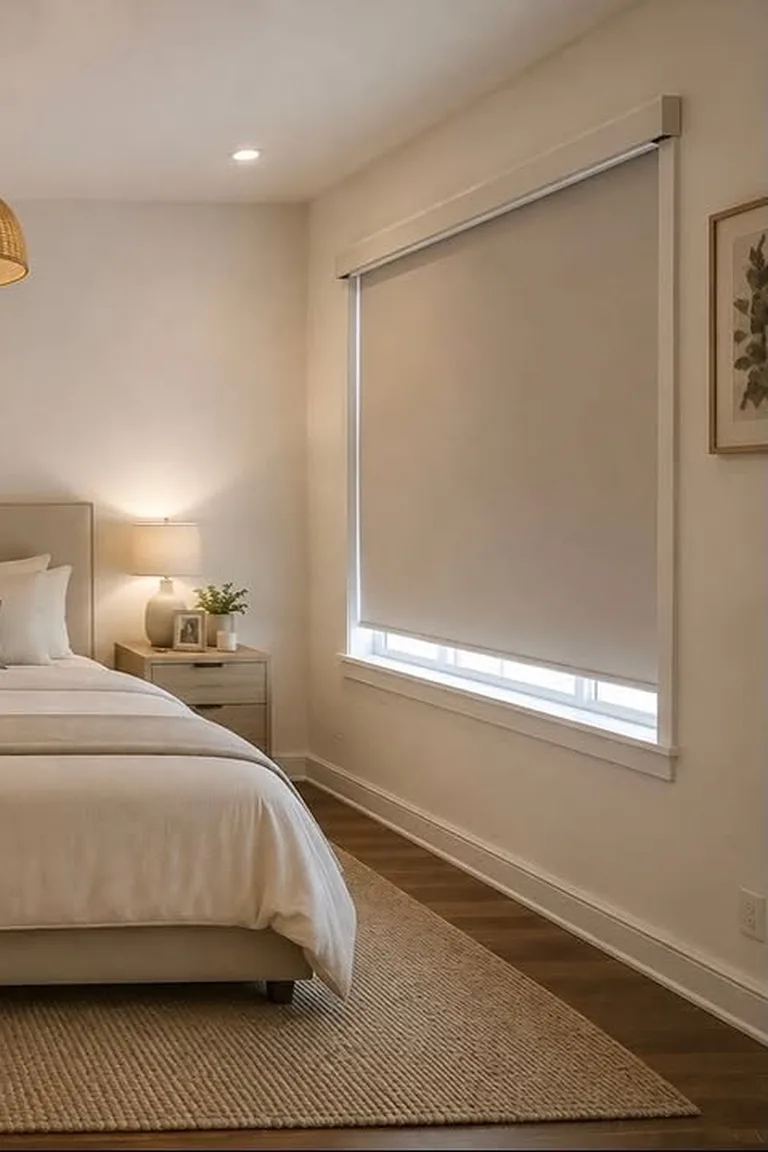
Measure first. Check the width inside the frame at the top, middle, and bottom, and use the smallest number. A shade cut to that size sits flush and leaves only thin light lines at the edges.
- Light blocked: Very dark, which makes it a strong pick for bedrooms, nurseries, and shift-worker rooms.
- Install: Screw the brackets into the frame, or choose no-drill brackets if you rent.
- Good to know: A faint glow can still show along the sides.
Roll it up in the morning and the window stays open to daylight.
2. Choose Blackout Cellular Shades for Darkness and Insulation
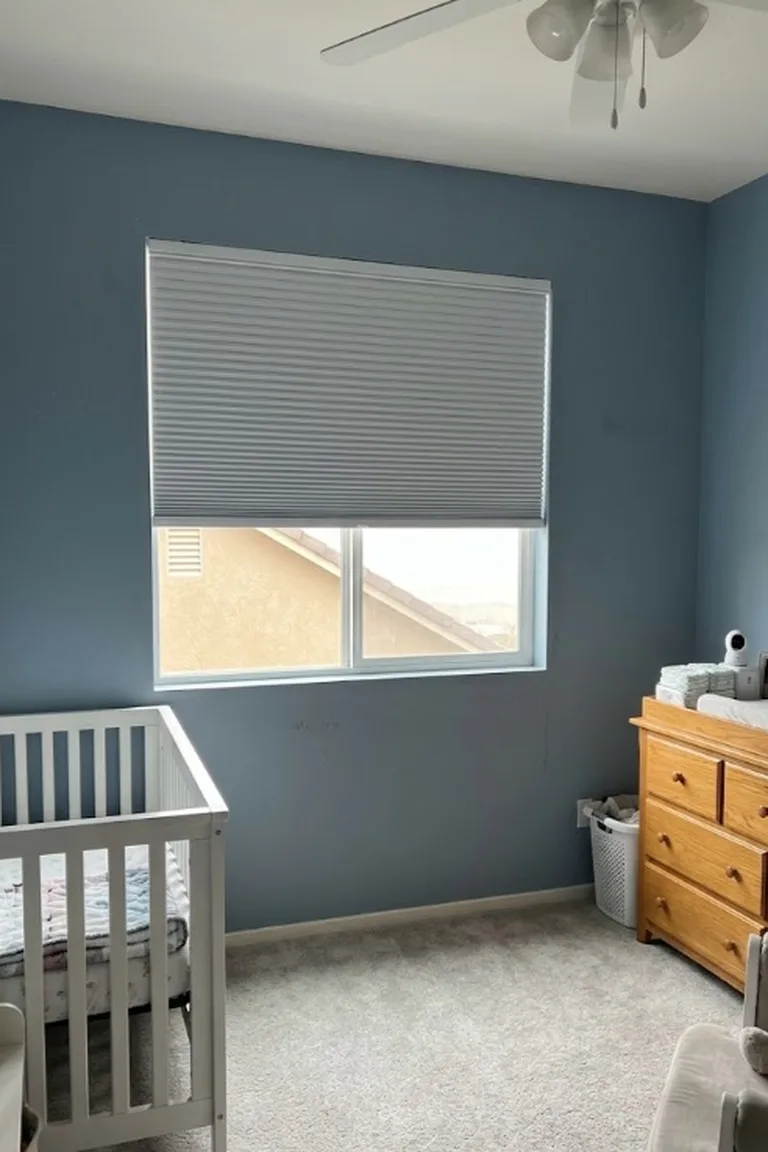
Cellular shades have a honeycomb fold that traps a pocket of air. That gives you strong light blocking and a bit of insulation in the same shade.
The word “blackout” matters here. Many cellular shades are only light-filtering, so read the label before you buy. Blackout versions block most daylight in a bedroom, though thin lines of light can still slip in at the sides.
Cordless styles skip the dangling cords, which helps in nurseries. Renters can use inside-mount versions with adhesive or small screw brackets, depending on what the landlord allows.
Check before you order
3. Hang a Top-Down Bottom-Up Shade for Privacy With Daylight
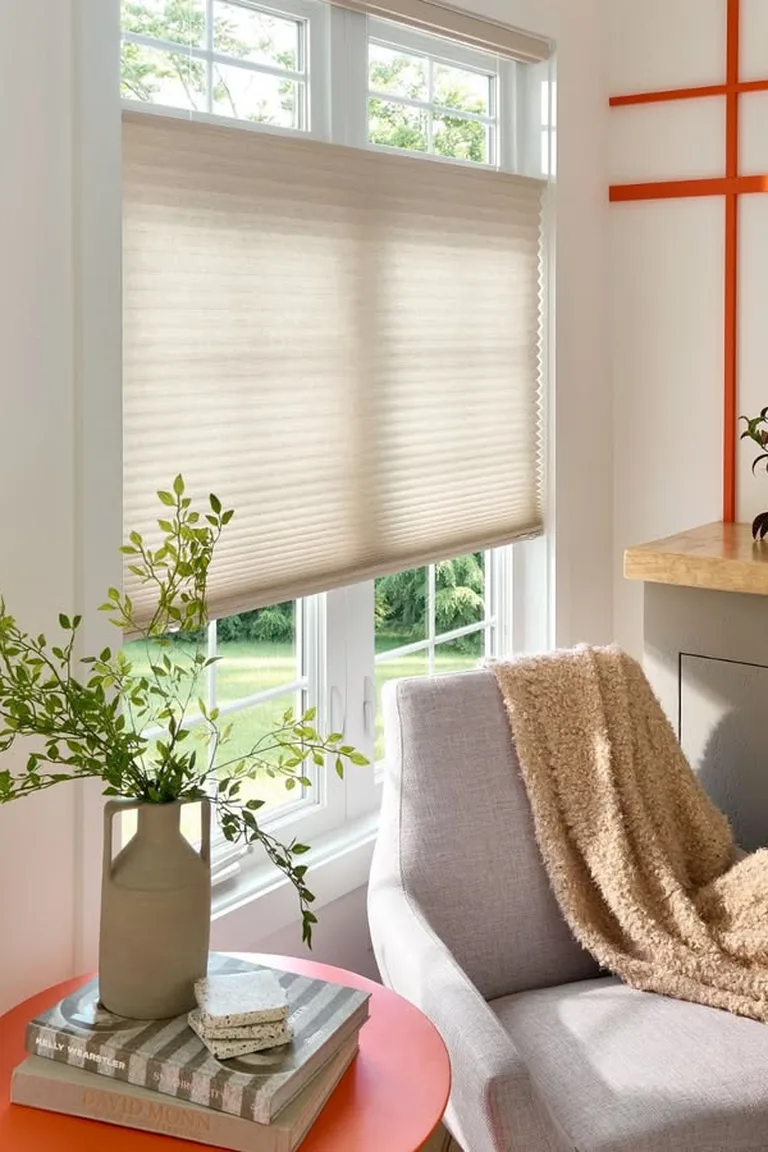
You want privacy at night, but you do not want a dark room at noon.
This shade has two moving rails. Pull the bottom rail up to cover the lower half of the window, and neighbors cannot see in. Lower the top rail to cut sun in the upper part while the middle stays open. It is a privacy and glare tool first.
Most are made from light-filtering fabric, so the room will not go fully dark. Blackout fabric versions exist if you want that.
It suits living rooms, home offices, and ground-floor windows. Inside-mount versions can use screw or adhesive brackets for renters.
4. Pick a Light-Filtering Roller Shade to Calm Screen Glare
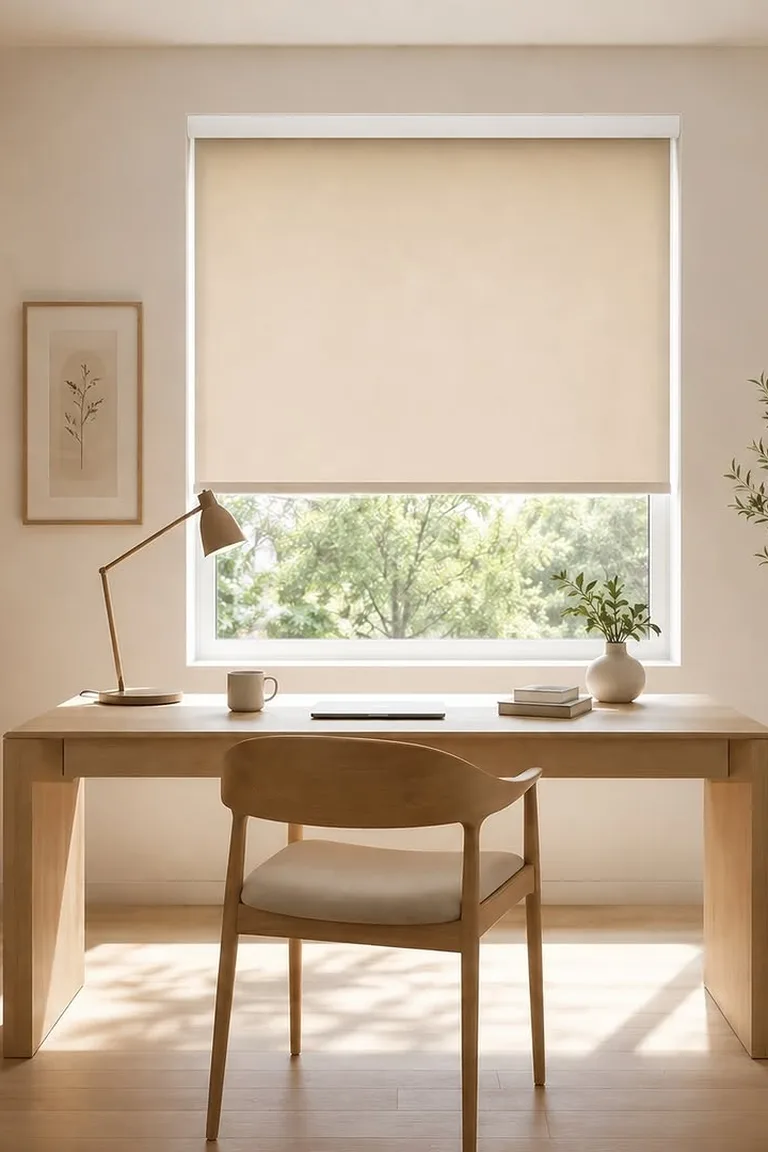
A light-filtering shade is not a blackout shade, and that is the point.
The soft fabric spreads the sun across the room, so your monitor stops flashing white and the room stays bright. By day, people outside cannot see much detail inside. At night with the lights on, they can.
It works well in home offices, kitchens, and living rooms. Installation is the same as any roller shade, so renters can use no-drill brackets.
If you need glare control by day and darkness at night, ask about a dual bracket that holds two shades side by side.
💡 Quick Tip
Turn your screen so the window is to its side, not behind it or in front of it. Then use the shade to handle whatever glare is left.
5. Close Faux Wood Blinds and Tilt the Slats to Steer the Sun
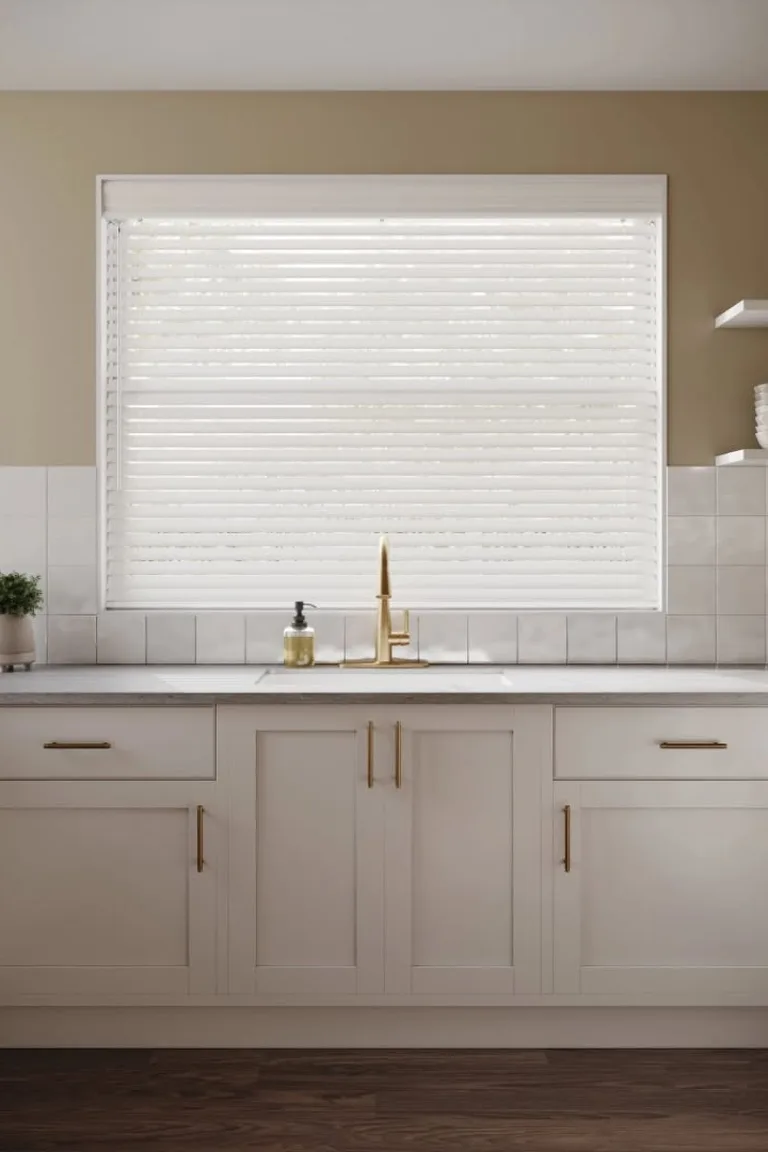
Faux wood blinds are a good everyday choice, but they are not a blackout. Even with the slats shut, thin lines of light show between them and around the pull holes.
What they do well is cut direct sun and add privacy. Tilt the slats upward during the day and the light bounces toward the ceiling instead of your eyes. That helps with glare in a home office or kitchen.
Faux wood handles humidity better than real wood, so bathrooms are fair game. Renters can use inside-mount versions with screws, or look for tension-fit options.
Choose routless slats, which have no holes, for fewer light gaps.
Choose routless slats for fewer light gaps.
Tilt the slats up in the day to bounce sun at the ceiling.
Expecting a fully dark bedroom.
Leaving loose cords where kids can reach them.
6. Install Plantation Shutters for a Permanent Fix
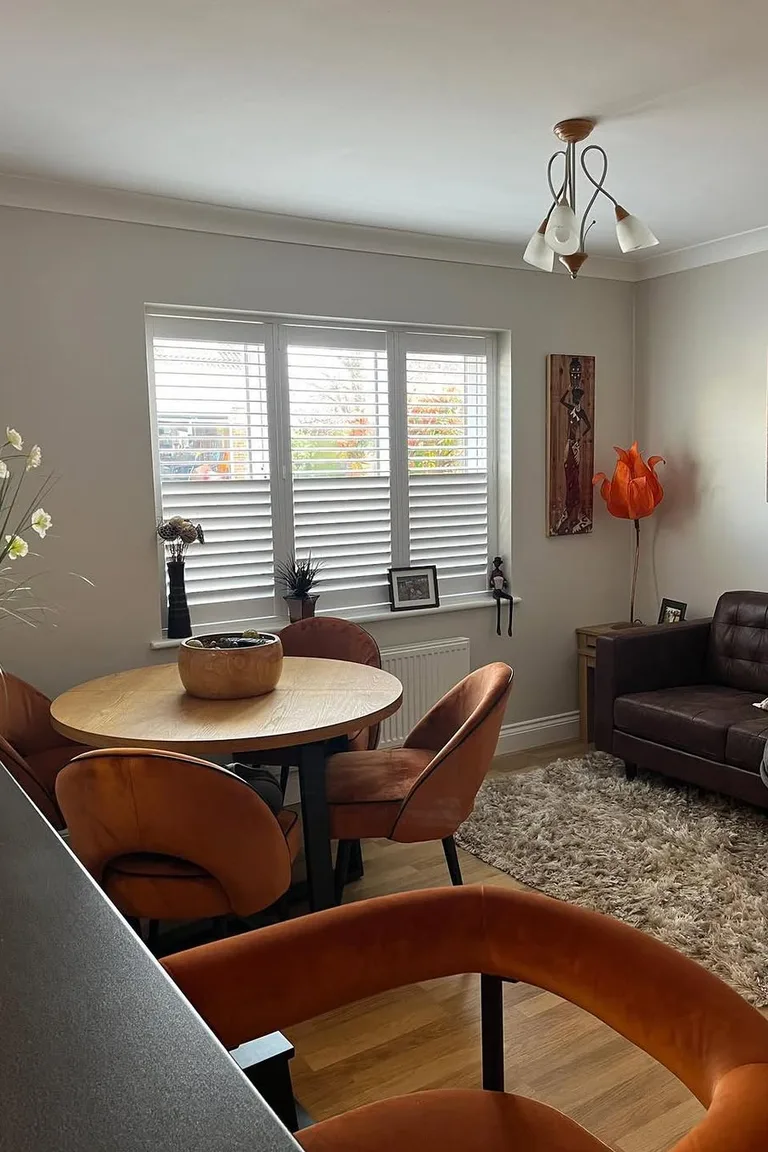
Shutters are the heavy hitter of window coverings. Wide louvers swing open for daylight and shut for privacy, and they look like part of the house instead of an add-on.
With the louvers closed, direct sun drops a lot. It is still not a blackout, because light slips through the louver gaps and around the frame. Some makers offer a light-blocking frame or extra trim, so ask about it if bedroom darkness matters.
Shutters are screwed into the frame, which makes them a homeowner project. Renters should skip them unless the landlord approves. They suit living rooms, dining rooms, and street-facing bedrooms.
| Shutters | Removable shades |
|---|---|
| Screwed into the frame | Can use tension or adhesive brackets |
| Strong light cut, gaps remain | Blackout styles go darker |
| Adds a built-in look | Easy to swap when you move |
7. Use Woven Bamboo Shades to Soften Light
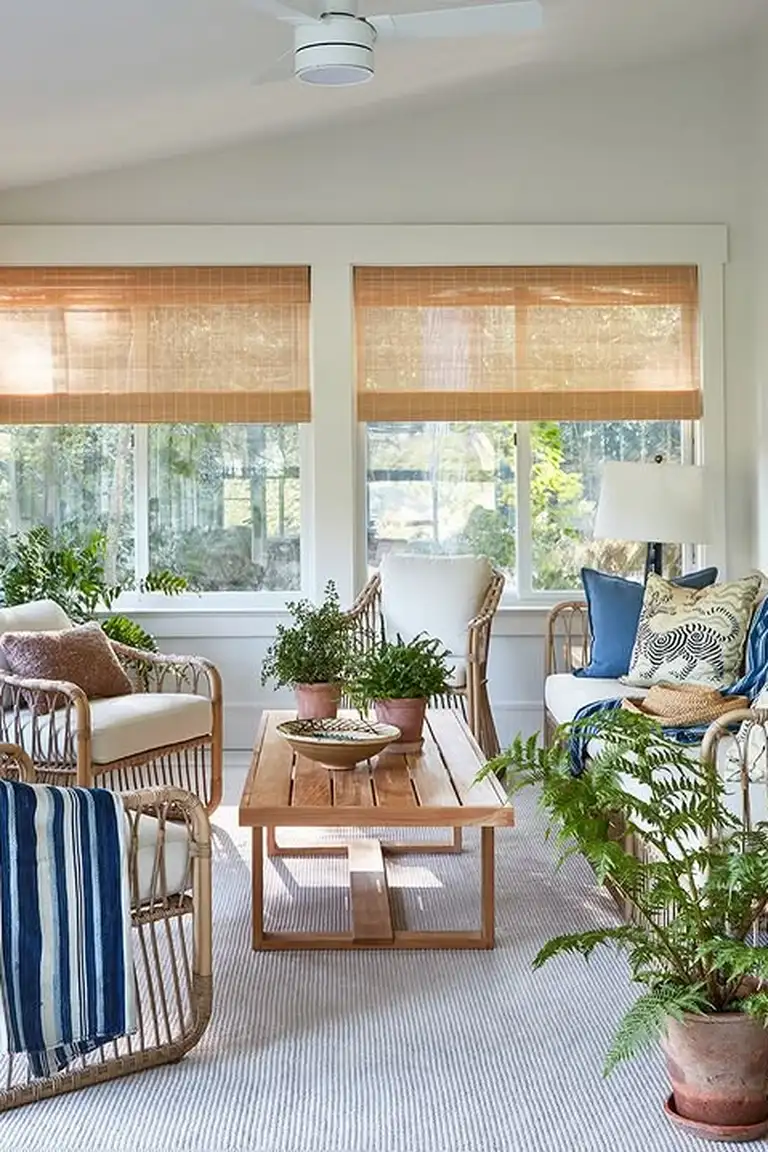
Woven shades are about texture and mood. Natural bamboo or grass fibers let a warm, patterned glow through while the room stays bright.
They filter light, so expect glare control and partial privacy, not darkness. Slits between the fibers show through on a sunny day. If you want a darker room, ask for a blackout liner and check that the liner is attached by the maker, not taped on later.
They are lightweight, so inside-mount brackets with small screws or adhesive hold them in most rentals. They work well in living rooms, dining areas, and sunrooms.
Hard afternoon sun lands on the sofa and washes out the TV, and the bare glass feels cold.
Soft, patterned light fills the room, the glare drops, and the natural fibers add warmth.
8. Press Static-Cling Blackout Film Onto the Glass
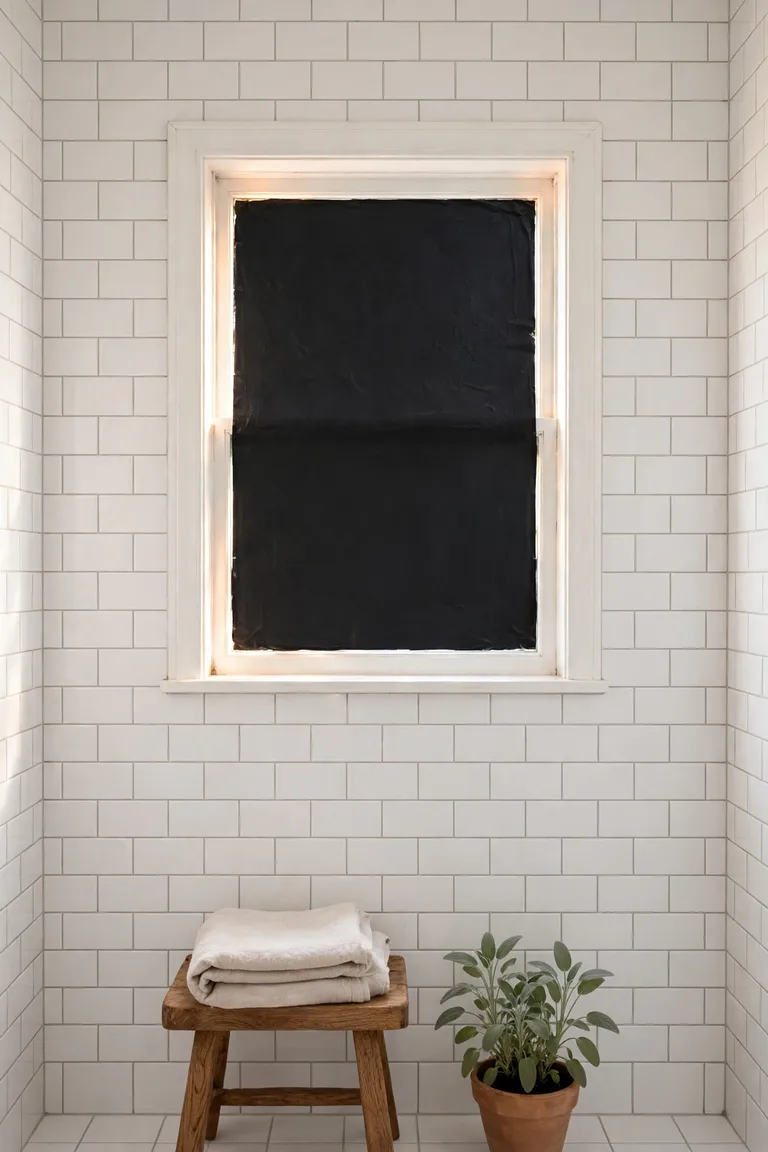
Some blackout film sticks with water alone, no glue. It clings to the glass by static, so it peels off cleanly when you move.
It cuts light a lot, and thicker blackout versions can get close to dark. A thin line can leak at the edges, so trim it to cover the full pane. It suits small windows, bathrooms, and nurseries, and it is one of the easiest renter-friendly window coverings.
Before you buy, read the film maker’s notes. Some films can stress double-glazed or insulated glass, so check that yours is compatible. Skip this method if your glass is not on the approved list.
Clean the glass well and wipe the edges dry.
Cut the film a little larger than the pane.
Mist the glass with water, then press the film on and smooth it out with a squeegee.
Trim the extra at the edges so no gap shows light.
9. Stick Frosted Privacy Film on the Lower Pane
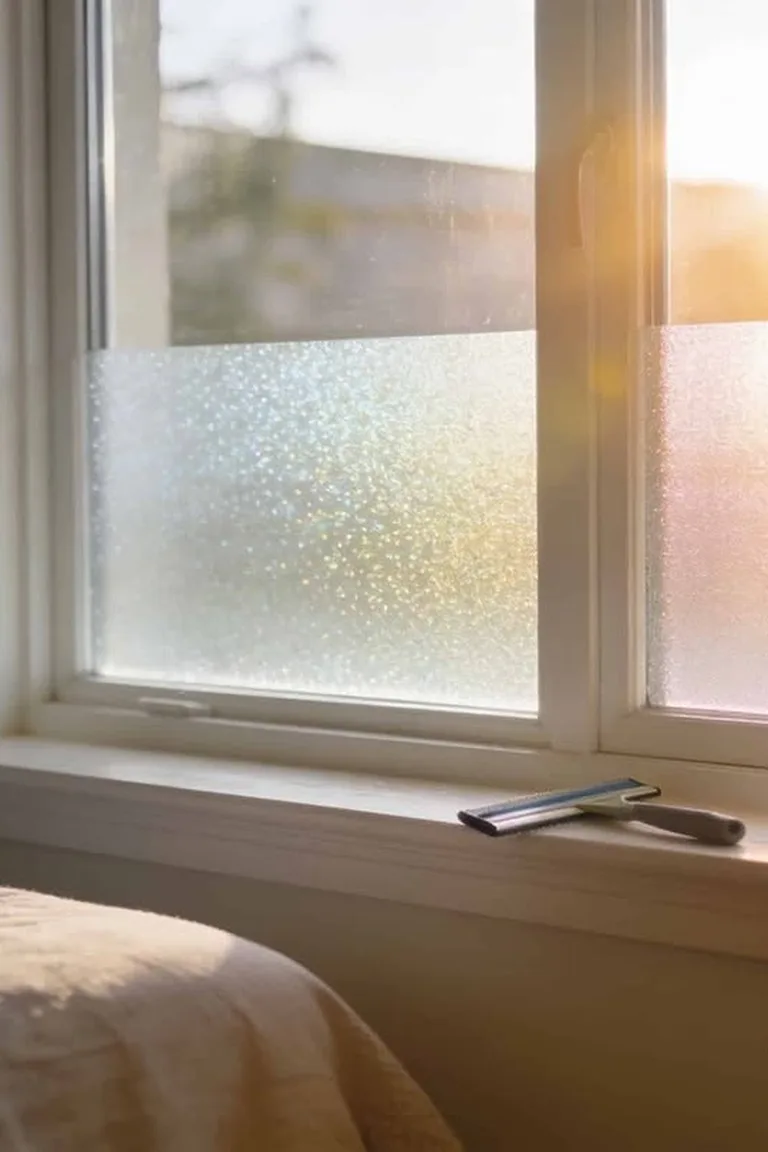
Frosted film hides the view, not the daylight. That is why it works so well in a bathroom, a ground-floor bedroom, or a front room next to the sidewalk.
Cover only the lower half of the glass. People outside cannot see in, and the upper half still lets the sun through. Static-cling versions come off cleanly for renters. Adhesive versions can leave residue, so check with your landlord first.
As with any film, check the manufacturer’s notes on insulated or double-glazed glass before you apply it.
Frosted film is for privacy. It lets daylight through, so it will not help you sleep in.
10. Add Reflective Solar Film for Midday Glare
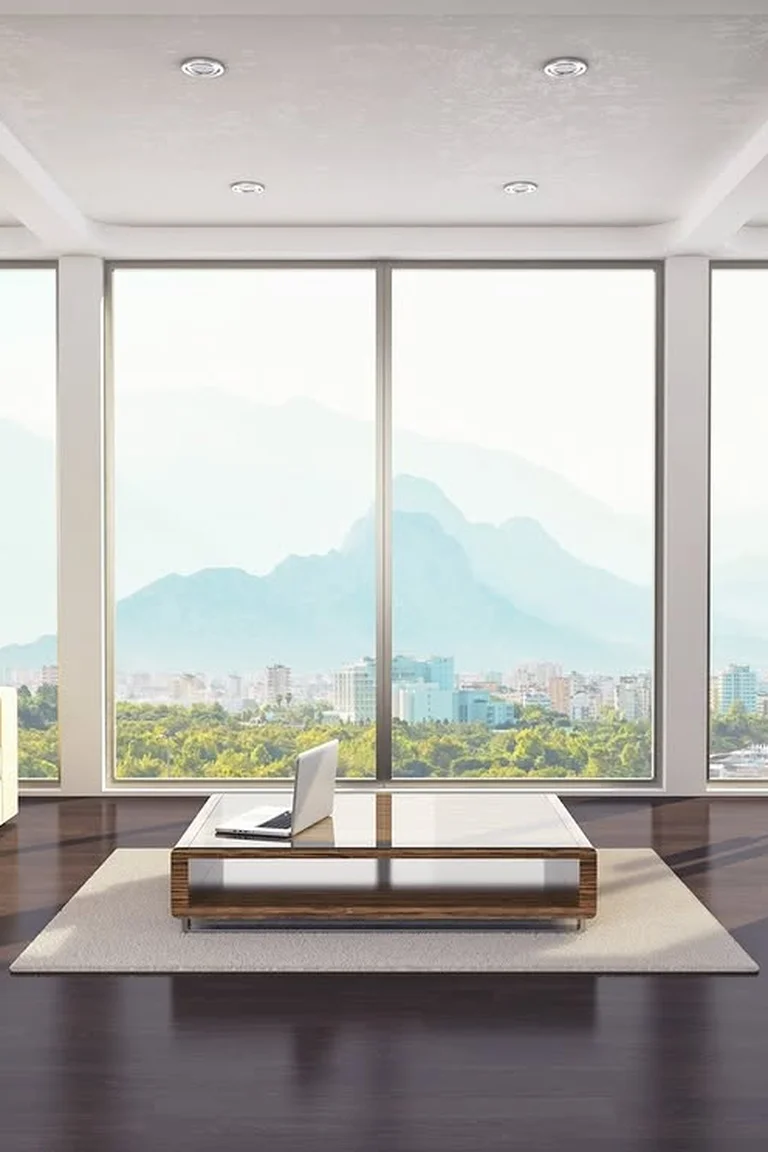
Reflective film acts like a one-way mirror in the daytime. It bounces back part of the sun so the room feels calmer and the screen glare drops.
It is a glare tool, not a darkness tool. The room stays bright, and at night with the lights on, the effect flips and people outside can see in. It works well in home offices, south-facing living rooms, and sunny kitchens.
Choose a removable version if you rent, and measure the pane so there is a thin border of bare glass. That edge makes it easier to trim cleanly.
⚠️ Watch Out
Some films can stress double-glazed or insulated glass. Check the glass maker’s and the film maker’s instructions before you apply it.
11. Snap On Pre-Cut Removable Blackout Window Covers
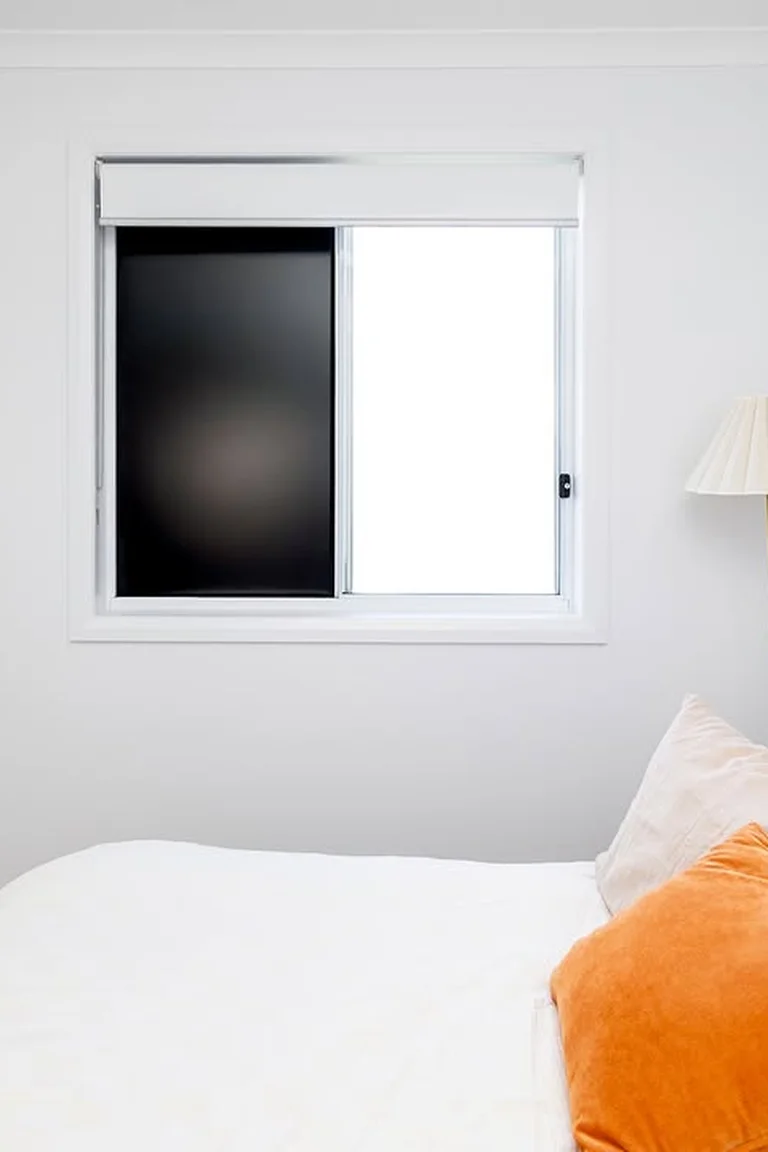
These are the fast fix for a hotel-style dark room. A pre-cut cover is a fitted blackout panel that holds to the glass with suction cups or a light cling, so there are no screws and no sticky leftovers.
Press it on at bedtime and peel it off in the morning. The room gets very dark, though a thin halo can show where the panel meets the frame.
That makes it a smart pick for nurseries, guest rooms, and anyone working night shifts. Match the size to your window, because a cover that is too small leaves bright gaps. Renters can use it freely.
12. Fit a Compression Window Insert Inside the Frame
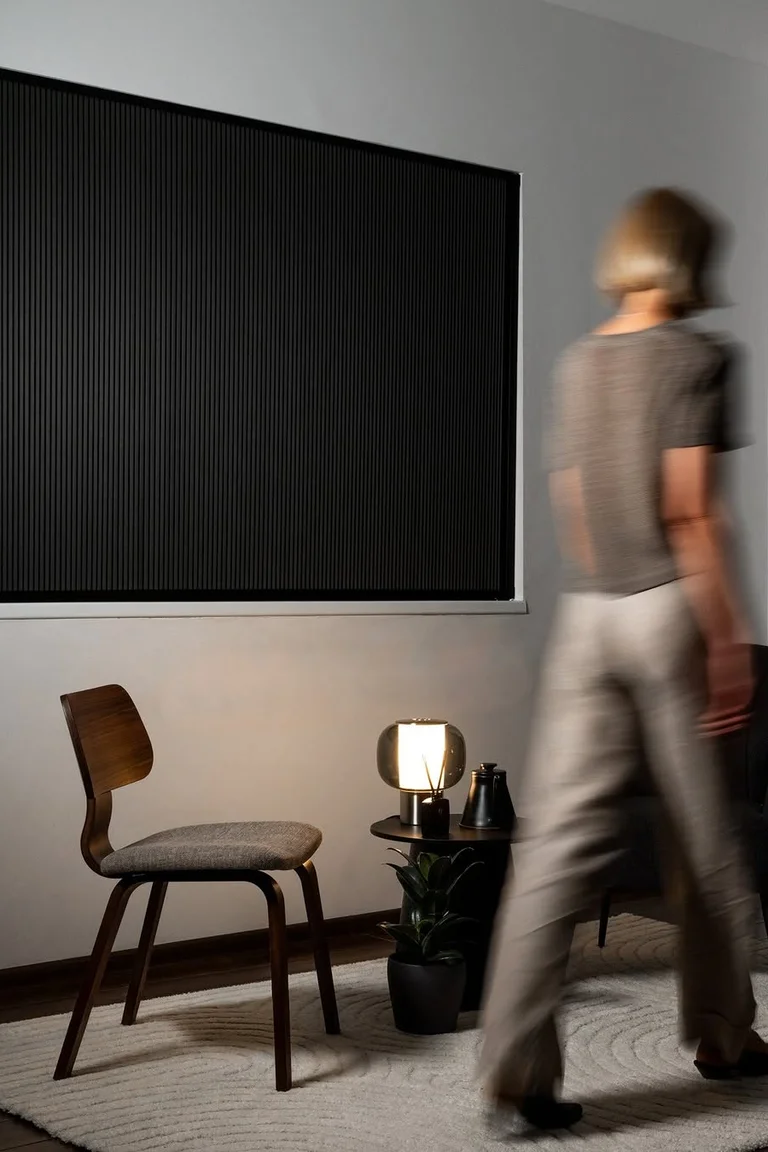
Think of it as a lid for your window. A window insert is a firm panel, often with a foam or soft frame, that presses into the opening and holds by pressure alone.
Because it sits snug in the frame, it blocks much more edge light than a shade does. Choose an opaque insert for real darkness. Clear or frosted ones cut drafts and glare, but daylight still passes through.
Measure the opening carefully, since a good insert depends on a tight fit. Renters can use these, as nothing is drilled. You do lose the view and the airflow while it is in, so pick windows you do not need to open.
Measure the opening at three heights and three widths, then use the smallest numbers.
Pick an opaque insert if darkness is the goal.
Press it in evenly around the edges, then check for light along the seam.
13. Build a DIY Foam Board Panel Wrapped in Fabric
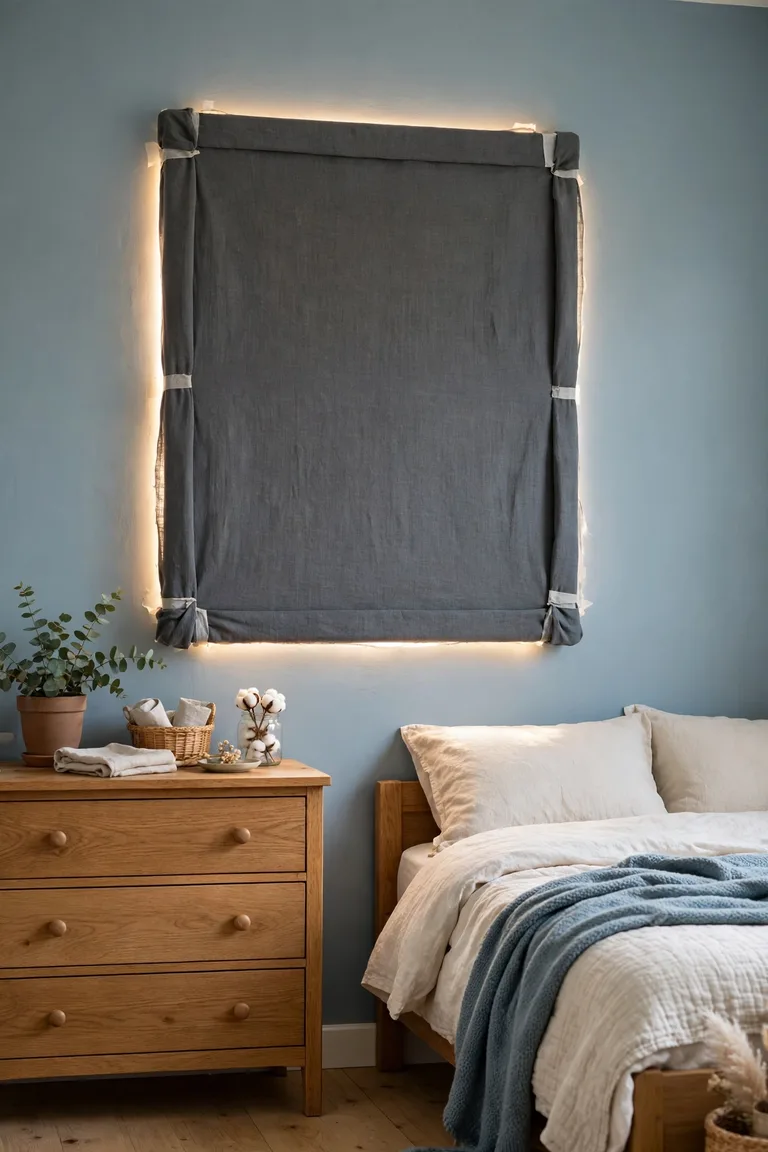
This is the cheapest way to get a true blackout on a small budget, and it looks decent if you pick a fabric that suits the room.
Cut the foam board a hair smaller than the opening, then wrap it in a dark, tightly woven fabric and tape the back. Press it into the window frame. Your own cut gives you a snugger fit than most store panels.
- Use it on bedroom, nursery, or office windows you do not open often.
- Store it flat behind a dresser during the day.
- Keep it away from heaters, radiators, and hot lamps.
Shopping list
14. Add an Exterior Shade Screen to Stop Sun Before It Hits the Glass
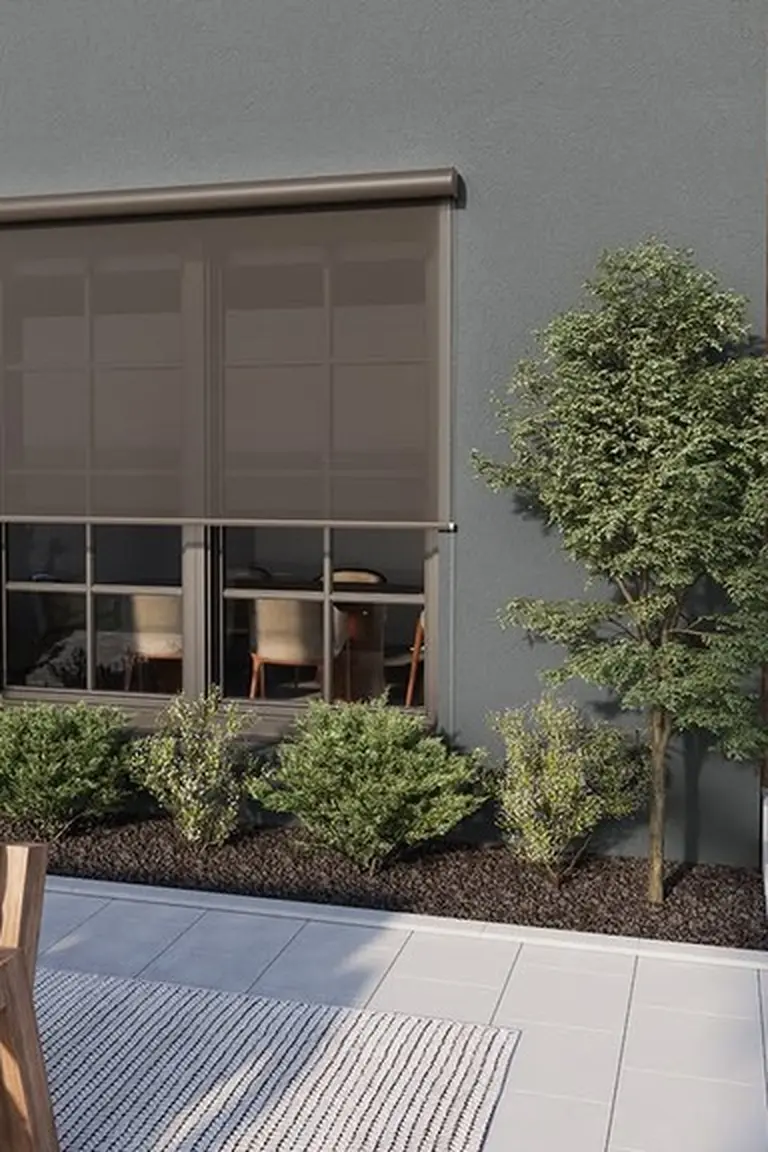
Many people think the only way to darken a room is from the inside. An exterior screen blocks the sun before it ever reaches the window.
The mesh cuts glare and keeps the glass cooler, while still letting you see out. It will not make a room dark, so it works best as a daytime fix for sunny living rooms and home offices. For true bedroom darkness, pair it with an interior blackout option from earlier in the list.
Many screens clip or hook on, but you still need permission if you rent. Check your wind exposure, and take it down in storms.
15. Mount a Retractable Awning Over a Sunny Window
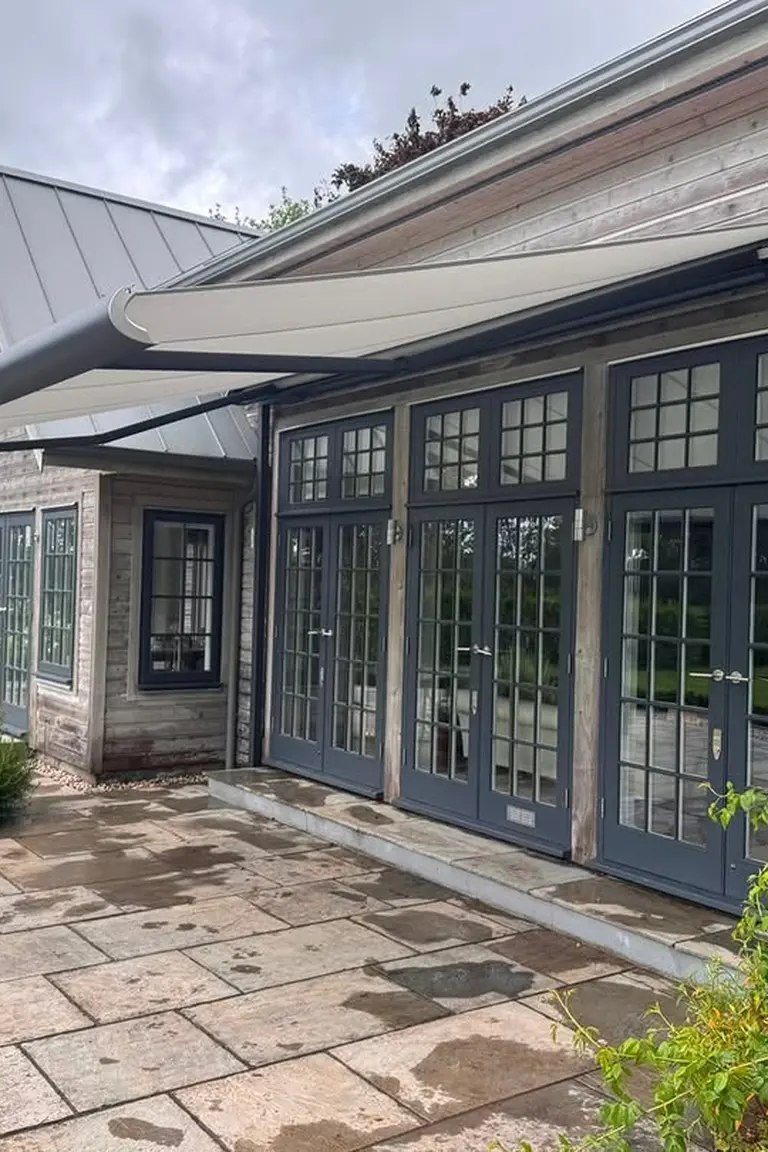
An awning shades the window from above, so the sun hits the awning instead of your floor. Extend it on bright afternoons and roll it back when you want more light.
It cuts direct sun and heat well, but it does not black out the room. Low morning or evening sun can still slip in from the side.
Awnings need to be bolted to the wall, so they suit homeowners, or renters with written approval. Have a pro mount it if the wall is brick or siding you do not know well.
📌 Good To Know
Awnings work best on windows facing the strongest sun. If your light problem is early morning, a side-facing shade or an interior blackout option will help more.
16. Stand a Decorative Folding Screen in Front of the Window
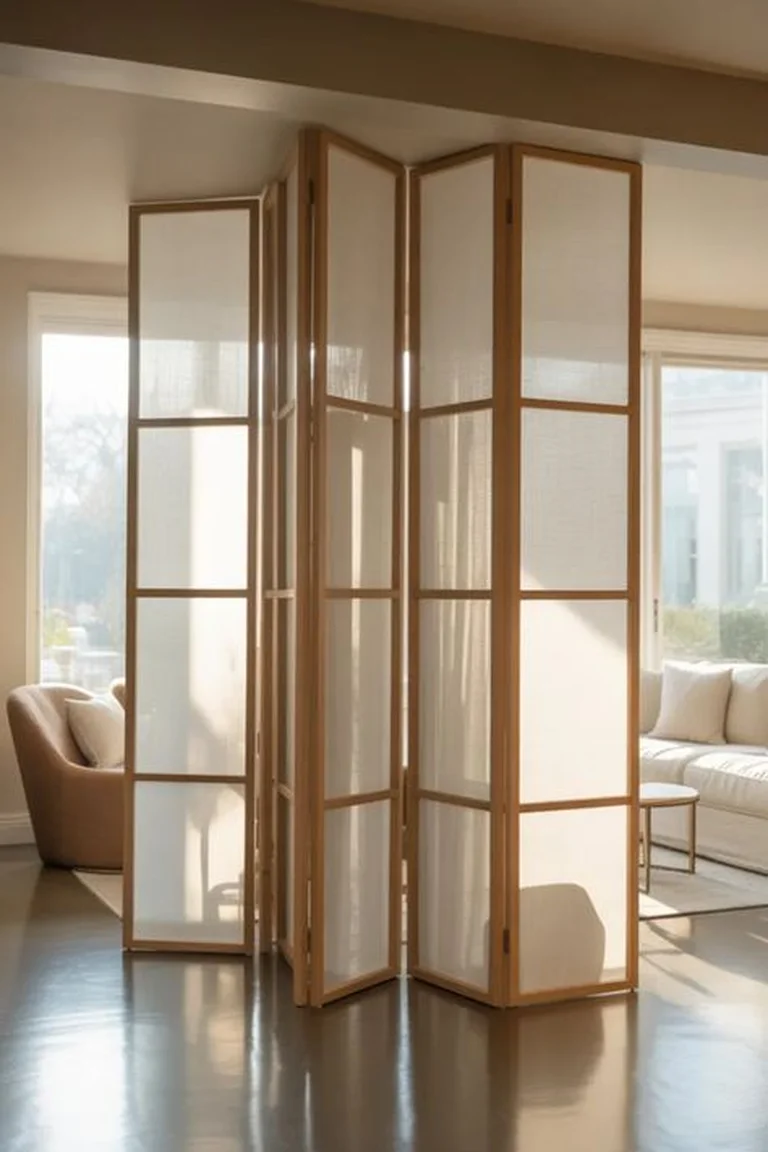
A folding screen is the one idea here that needs no tools, no brackets, and no landlord. You unfold it and set it down.
It blocks sightlines and cuts direct sun, so it works for privacy and glare. It will not black out a room. Light still slips over the top and around the sides. Choose a solid wood or fabric-backed panel for more shade, since woven or slatted screens let more light through.
Leave a few inches between the screen and the glass. Keep it clear of radiators and heaters. Studios, bedrooms, and ground-floor living rooms get the most from it.
Pick a solid or fabric-backed panel for stronger shade.
Set it a few inches off the glass so air can move.
Placing it against a radiator or heater.
Counting on it for a dark bedroom at sunrise.
17. Seal Edge Gaps With Side Channels and Foam Trim
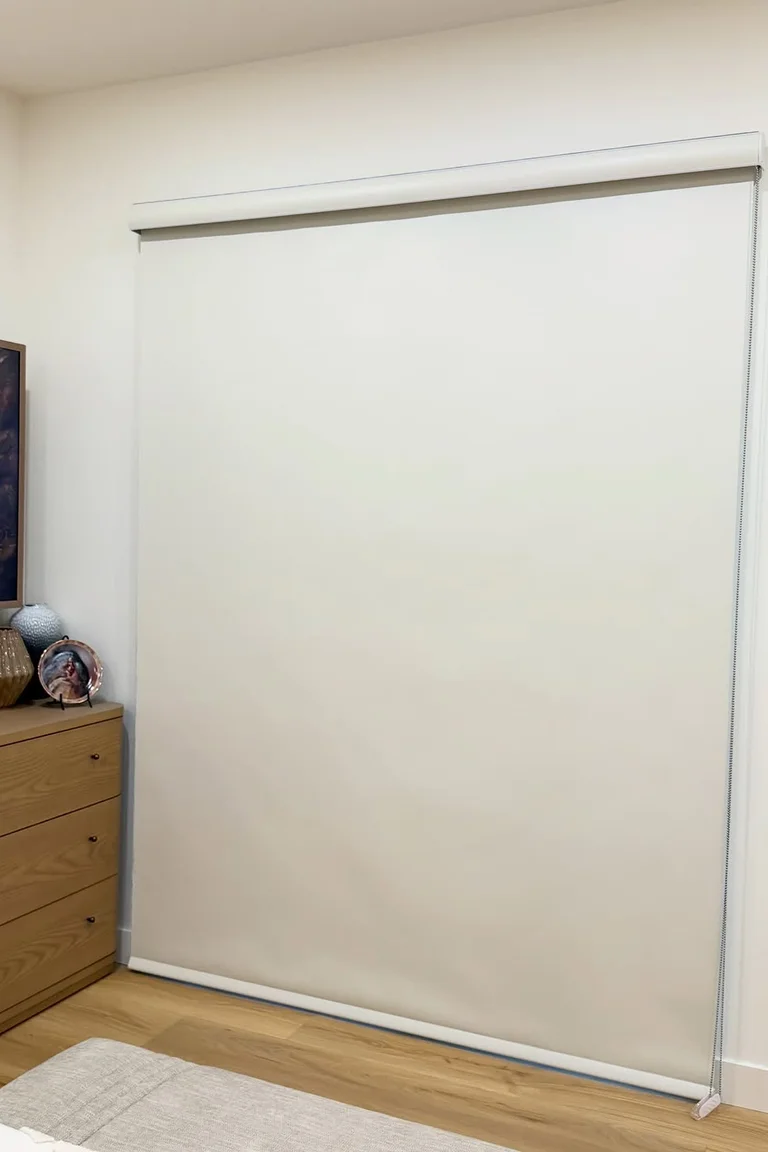
If your room is almost dark but not quite, the leak is probably at the edges.
A shade, insert, or panel can be a good fit and still glow along the frame. Side channels are slim tracks that catch the shade’s edge. Foam trim fills small gaps between a panel and the frame. Neither one blocks light alone. They finish the job for the ideas above, especially roller shades, cellular shades, and inserts.
Use removable adhesive on the frame, not the glass, if you rent. Keep the window able to open, and never seal over a vent or latch.
Close your shade at the brightest time of day and note where light shows.
Cut foam trim or measure channels to the length of each leaking edge.
Stick it to the frame, not the glass, and press along the full length.
Check again in bright light and add a strip where a line still shows.
18. Line the Sill With a Plant Shelf to Soften Midday Light
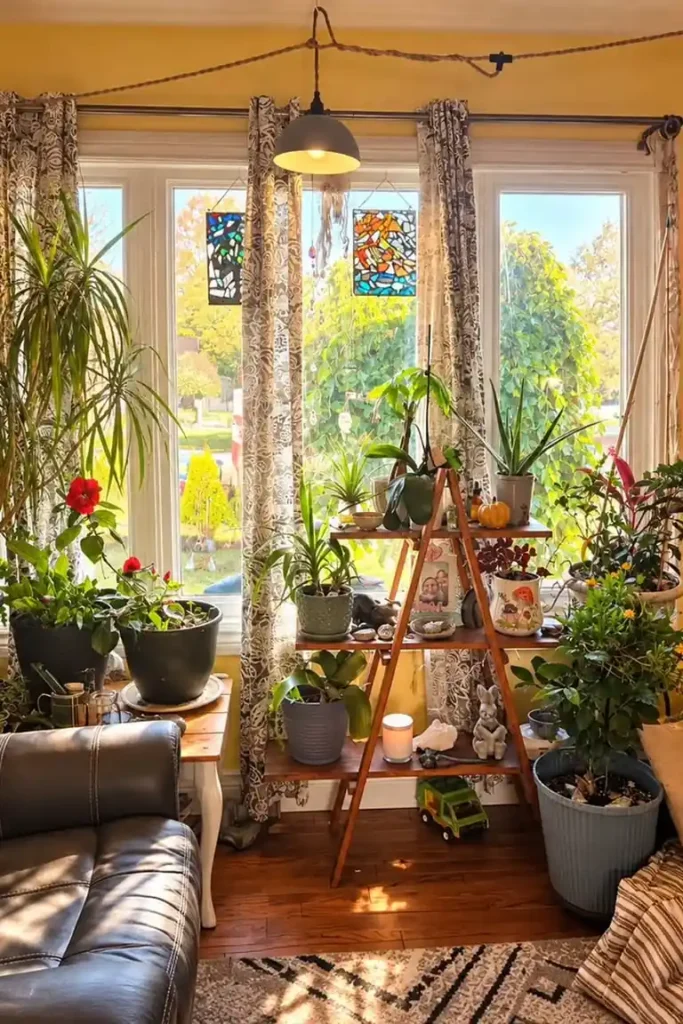
A shelf full of leafy plants works as a living filter. It is more of a decor move than a blackout, and it is honest about that.
Leaves scatter strong sun, so the glare on your floor and screen softens. Privacy improves a little too, since the greenery breaks up the view. The room stays bright, though, and no plant will help you sleep in.
Renters can use a freestanding tiered stand. Homeowners can add a narrow shelf across the frame. Pick plants that handle bright light, and keep water away from outlets and electronics.
Hard midday sun hits the desk, the sill sits empty, and the window feels bare.
Leaves scatter the light, glare eases, and the window gets a soft green layer.
Conclusion
Knowing how to block light from windows without curtains comes down to matching the fix to the problem. For a dark bedroom, look at blackout shades, inserts, or snug panels, then seal the edges. For screen glare, filtering shades, reflective film, or an exterior screen do more. For privacy, frosted film or a folding screen keeps daylight in.
Start with the window that bothers you most. If you plan to use film or an insert, read the maker’s notes on your glass first. One small change can make a room easier to sleep and work in.
Save this list for the next time the sun gets in the way.
Match the goal to the idea