22 Creative Hobby Room Ideas to Inspire Your Next Project
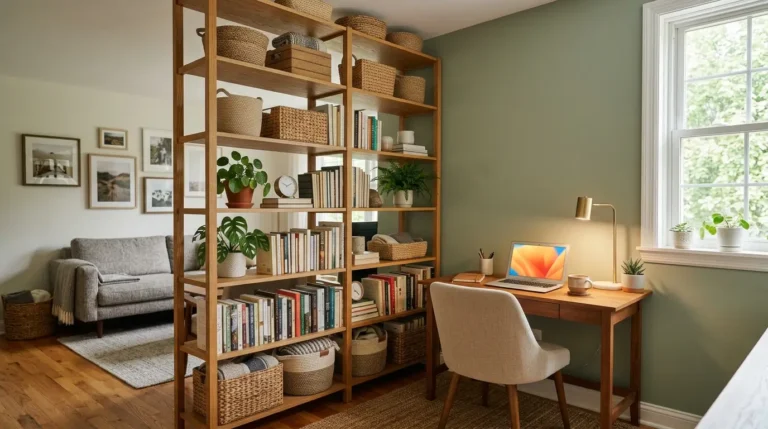
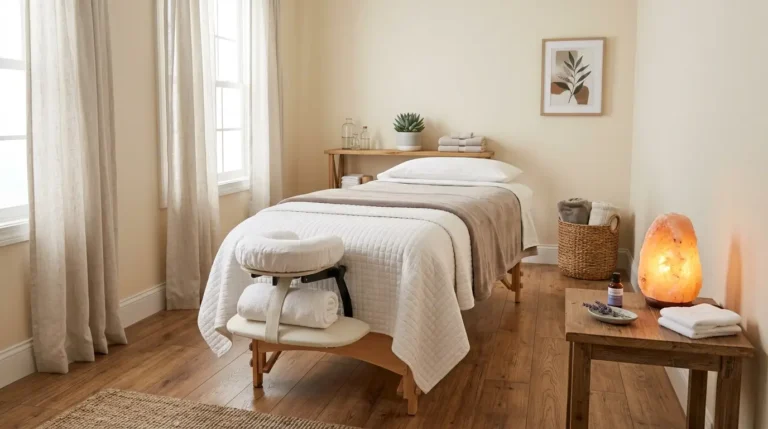
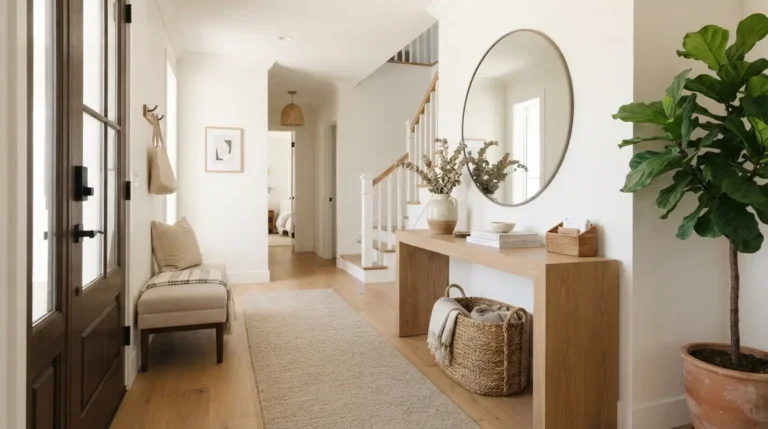
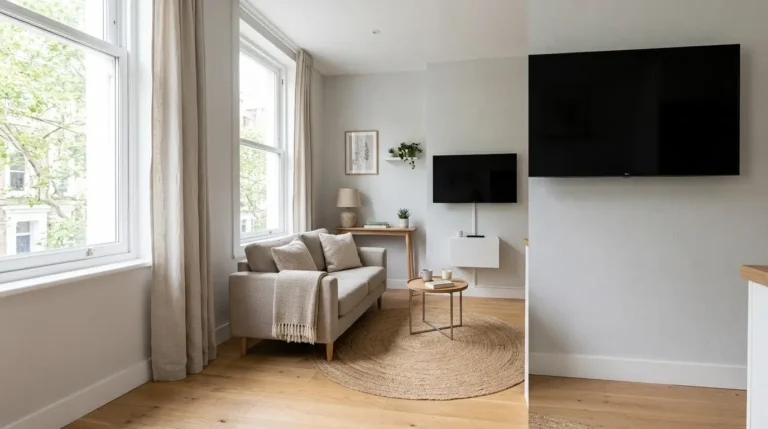
Every home seems to have one room, closet, or corner that never quite gets used the way it should. Instead of leaving it as a dumping ground for boxes, that same space can turn into a proper hobby room where you actually want to spend time. It does not need to be a whole extra bedroom either, since a wide hallway, a covered patio, or even a deep closet can hold a working craft setup if it is planned well. This list covers 22 hobby room ideas for painters, sewers, crafters, musicians, and anyone who just wants one corner of the house that feels like their own. Each idea includes what to put where, which materials hold up best, and small setup choices you can finish over a single weekend without waiting on a big renovation.
1. Sewing Machine Corner
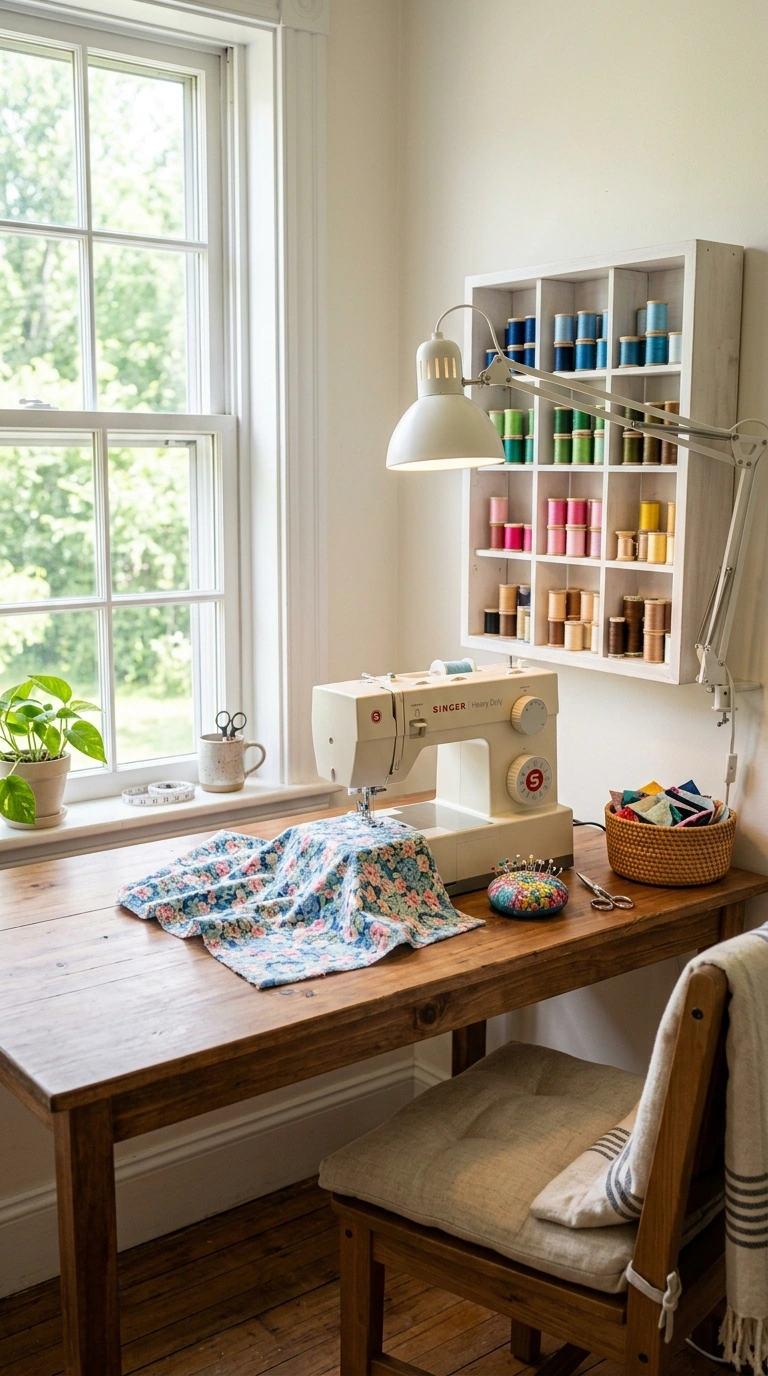
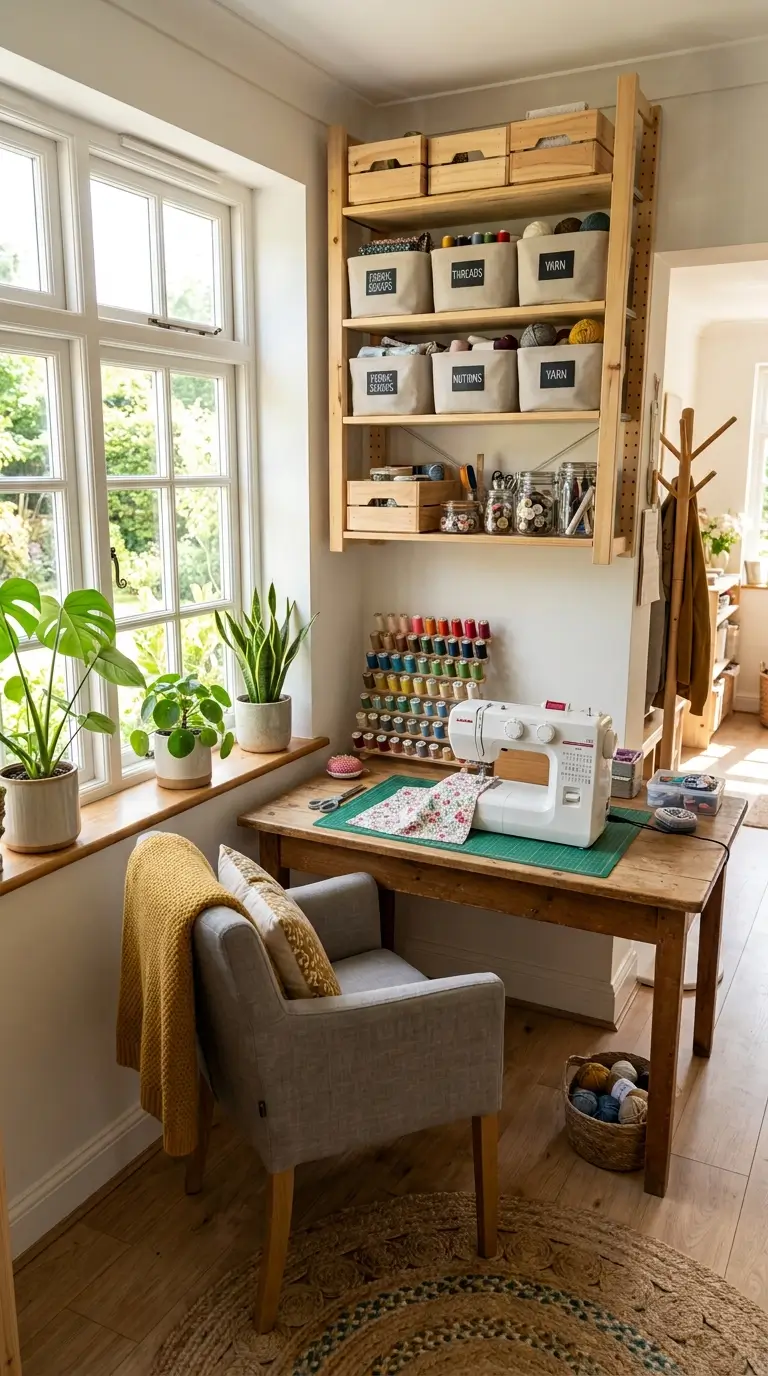
A sewing corner works best near a window where natural light falls directly onto the fabric while you work. Set a sturdy table just wide enough to hold the sewing machine with room to spare on one side for fabric to pass through as it feeds. Choose a table with a smooth laminate or wood top that resists snags, and keep a rolling cart or a set of open shelves nearby stocked with thread spools sorted by color, a pin cushion, and a small basket for scraps. An adjustable-arm sewing task lamp placed to the left of the machine, for right handed sewers, keeps shadows off the needle area. Add a cushioned chair with good back support, since sewing sessions often run longer than planned. This whole setup can be arranged in a single afternoon using a spare table and one good lamp, without waiting for a custom built station.
2. Craft Supply Wall
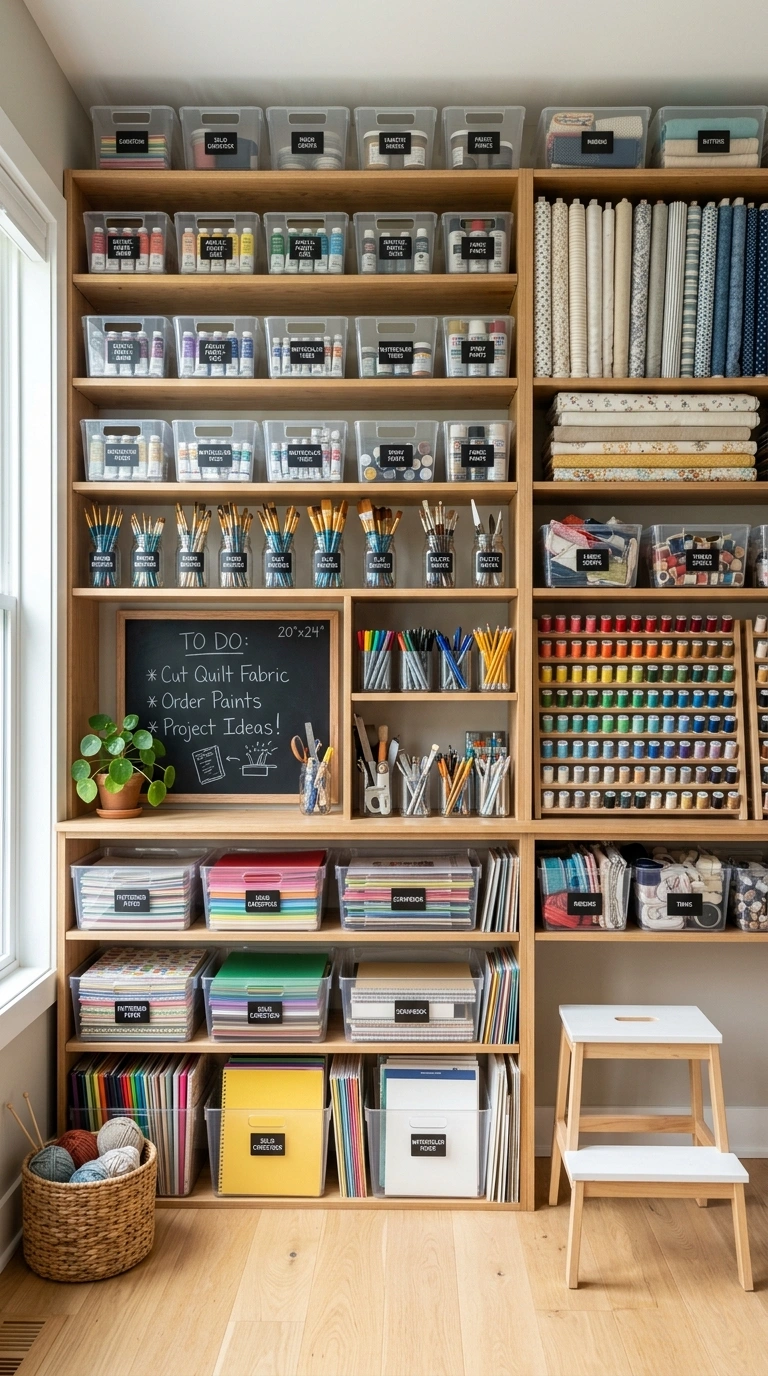
A wall dedicated to craft supply storage keeps a hobby room from turning into a pile of half open bins on the floor. Mount a mix of open shelves and clear stackable craft storage bins on one full wall, sorting supplies by type, paper on one shelf, paint and brushes on another, and fabric or yarn in labeled bins lower down where they are easy to reach. Choose clear or lightly frosted bins so contents stay visible without needing to open each one to check. A small chalkboard or whiteboard section on the wall works well for jotting down current project notes or supply lists. Keep a rolling step stool nearby for reaching the top shelf safely. This kind of wall can be built up gradually, starting with just a few shelves, and does not need to be finished in one go to already make a real difference in how usable the room feels.
3. Art Studio Nook
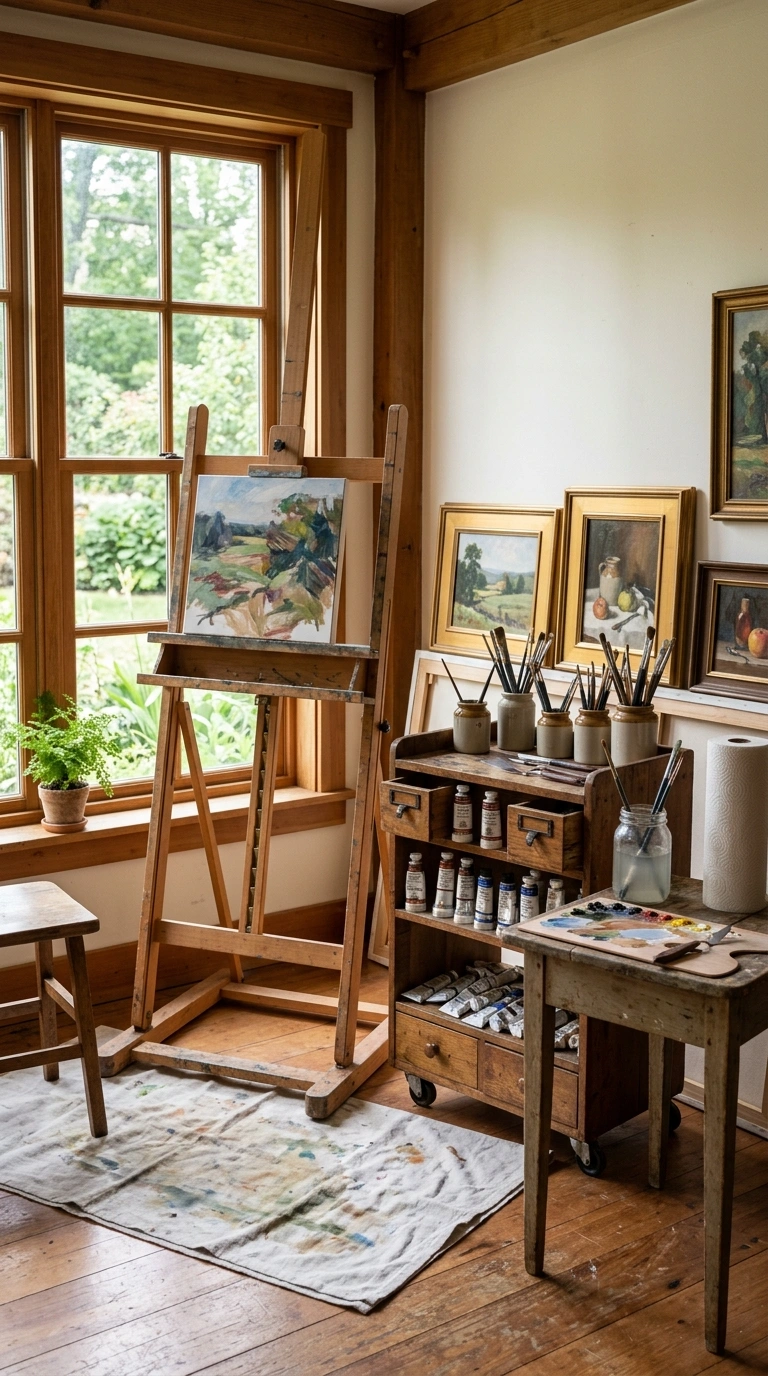
An art nook needs strong, even light more than almost anything else, so place the easel or work table near a north facing window if your home has one, since this direction gives the most consistent light through the day. Choose a table with a surface that can handle spills, such as sealed wood or laminate, and lay down a drop cloth or an old rug underneath to catch paint drips. Keep paints and brushes in a rolling cart with small drawers, so supplies move with you if you shift between the easel and a flat table. A jar of water for rinsing brushes and a stack of paper towels should stay within arm’s reach at all times. Hang a few finished pieces on the nearby wall, since seeing your own work displayed tends to keep the space feeling like a real studio rather than a storage corner.
4. Closet Craft Station
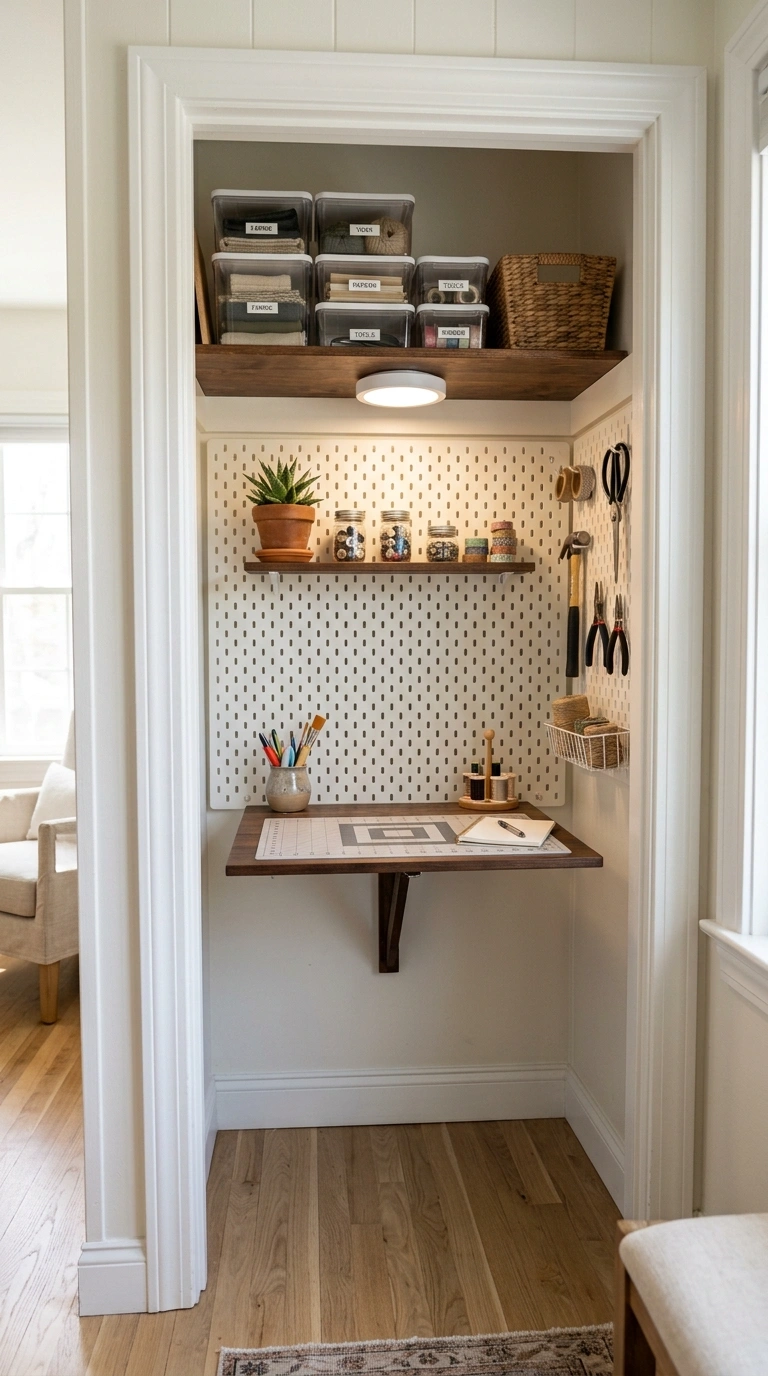
Turning a spare closet into a craft station works well for anyone short on an extra room, since even a standard reach in closet can hold a Wall-mounted folding desk. Remove the closet doors or replace them with curtains for easier access, and install a simple wall mounted desk that folds flat against the back wall when not in use. Add a strip of pegboard on one side wall to hold scissors, tape, and small tools within reach without taking up desk space. A battery powered puck light or a plug in strip light mounted under the top shelf solves the lighting problem most closets have. Keep supplies in stackable bins on the closet shelf above the desk. This setup turns an unused closet into a working station within a single weekend, using mostly items already available at a hardware store.
5. Pegboard Tool Wall
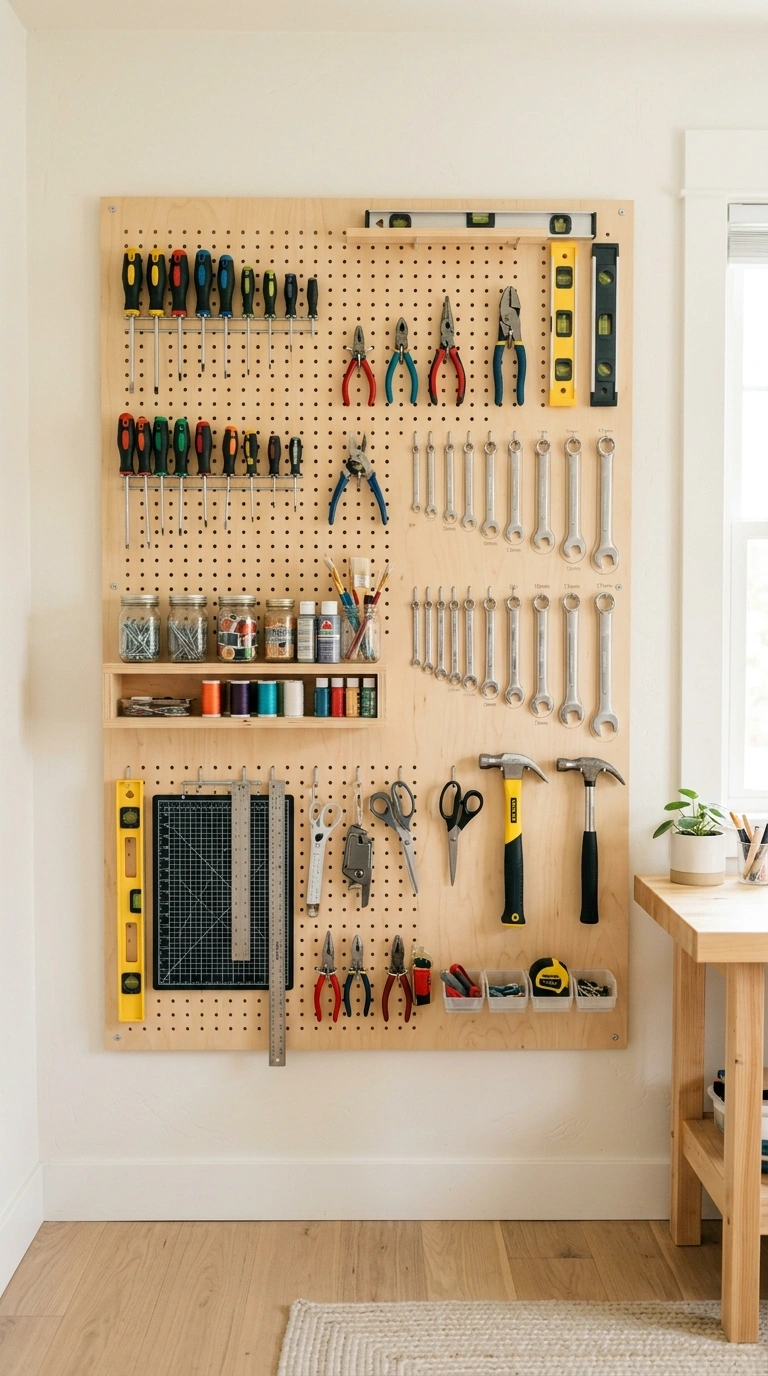
A pegboard wall keeps tools and small supplies visible and easy to grab instead of buried in drawers. Mount a full sheet of pegboard on one wall of the hobby room, painted in a color that matches the room or left in plain wood tone for a simple look. Use a mix of hooks, small shelves, and bins that attach directly to the board, sorting items by how often they get used, with daily tools at eye level and occasional ones higher up. Trace an outline around each tool with a marker before hanging it, so everything has a clear spot and gets put back in the right place. This works well for anyone doing woodworking, model building, or general craft work where small tools tend to pile up. A single pegboard sheet and a basic hook kit can be installed in one afternoon.
6. Yarn Storage Shelf
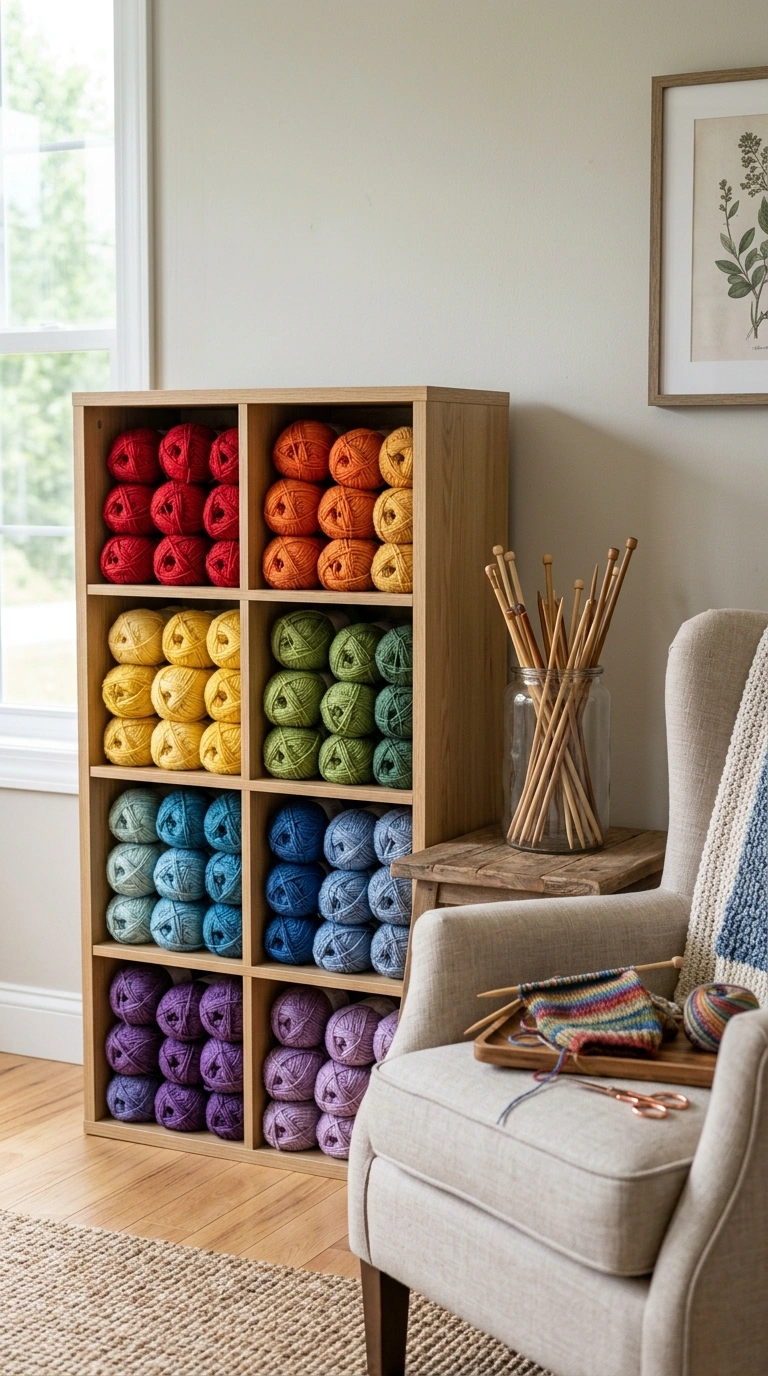
An open shelf built specifically for yarn storage turns a simple supply into part of the room’s decor, since yarn skeins in a range of colors already look good lined up in rows. Choose a shelf with cubbies or bins sized to hold yarn without squashing it, and sort skeins by color for an easy to browse, almost rainbow effect across the shelf. Keep knitting needles and crochet hooks in a tall jar or a rolled fabric organizer nearby rather than mixed in with the yarn itself. A comfortable chair with good arm support, placed close to this shelf, makes it easy to grab a new color mid project without getting up and searching through bins. This shelf can double as a design feature in the room, so leave it slightly open rather than hidden behind cabinet doors.
7. Scrapbooking Table Setup
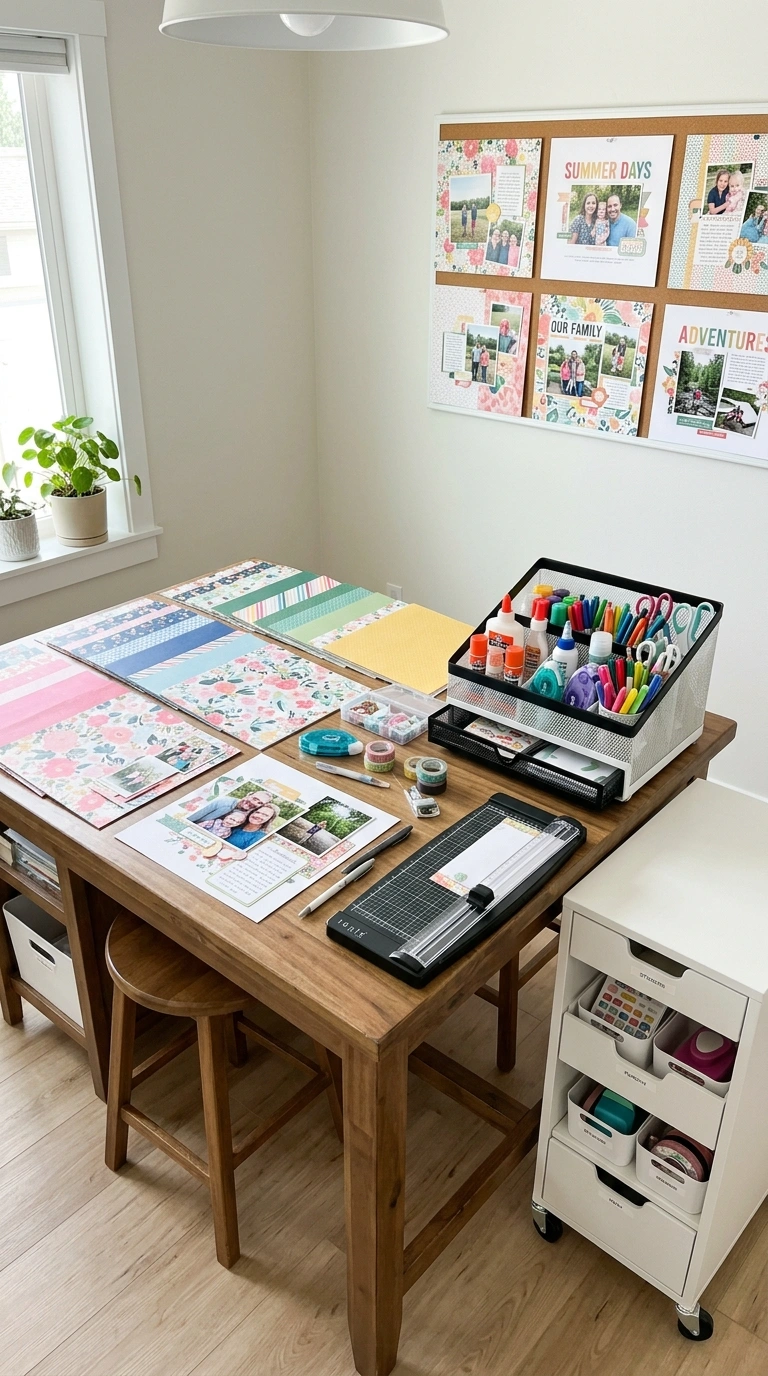
A scrapbooking table needs more flat surface area than most other hobby setups, since papers, photos, and layouts often spread out before anything gets glued down. Choose the largest table your room can hold, ideally one with a smooth surface for cutting and gluing, and keep a paper trimmer, a stack of patterned paper sorted by color, and a caddy of adhesives and pens within arm’s reach on one side. A rolling cart with flat drawers works better than deep bins here, since scrapbooking supplies are usually flat and get lost in anything too deep. Hang a few finished layout pages on the wall nearby for quick reference on colors and styles you already like. Good overhead lighting matters more here than in most other hobby corners, since color matching between papers and photos depends on accurate light.
8. Painting Easel Corner
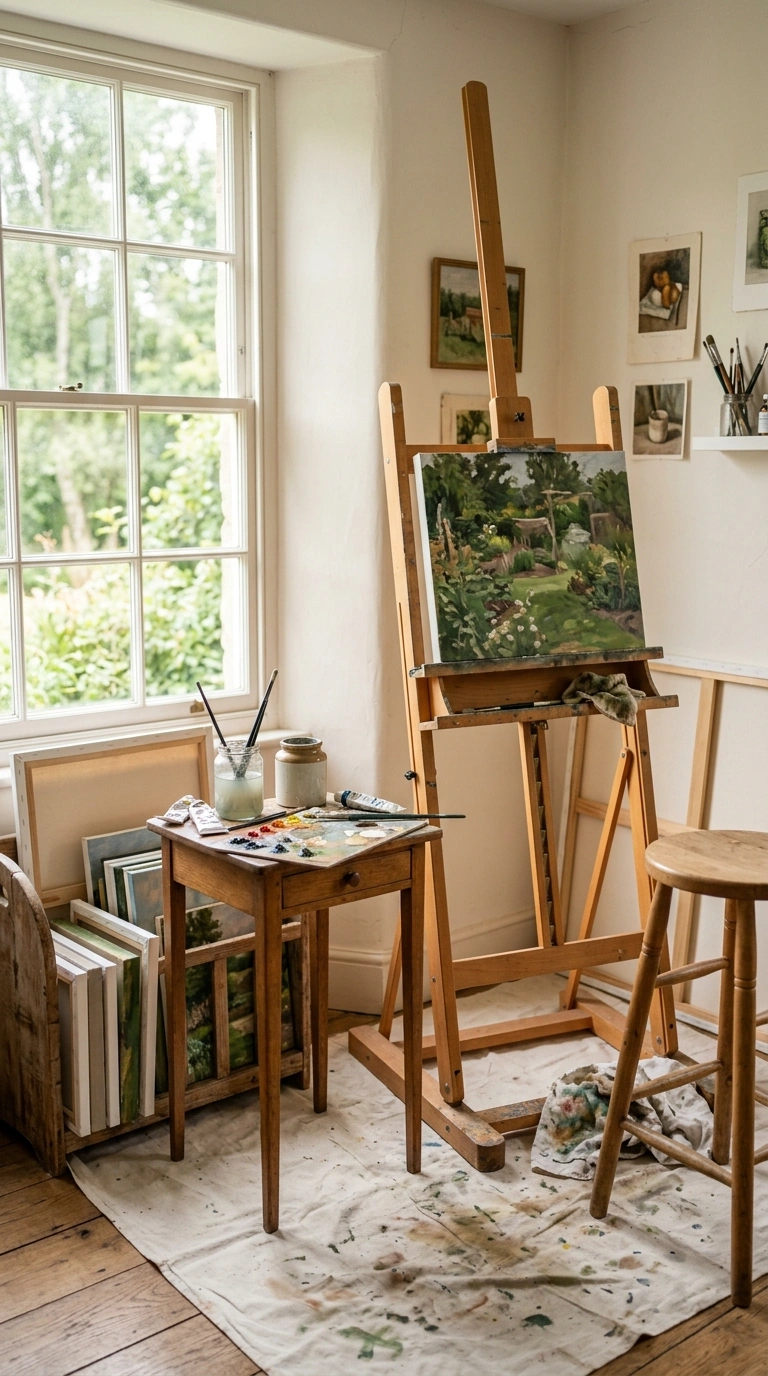
A painting corner built around a wooden easel gives a hobby room a clear focal point and keeps painting supplies contained to one area instead of spreading across every surface. Set the easel at a slight angle to the main light source, whether a window or a lamp, so glare does not bounce directly off wet paint. Keep a small table beside the easel for a palette, jars of water, and a rag, and lay a drop cloth on the floor underneath to protect it from drips. Store canvases upright in a simple wood or wire rack rather than stacked flat, since stacked canvases are more likely to smudge before they dry. A stool with a footrest works well here, since painters often stand and sit throughout a single session. This corner can be set up with just an easel, a small table, and a stool.
9. Jewelry Making Station
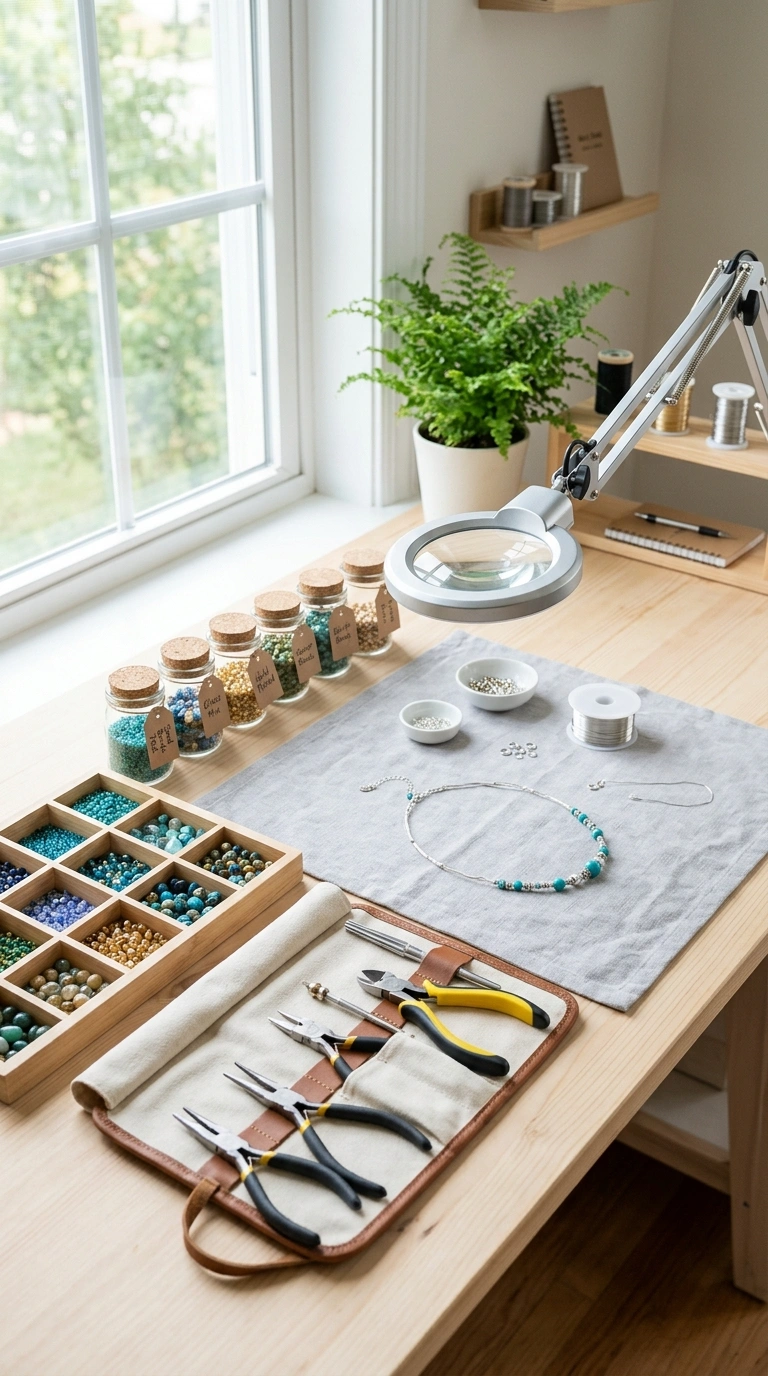
A jewelry making station depends on good organization more than almost any other hobby setup, since beads, wire, and small findings are easy to lose track of. Choose a table with a light colored surface, since this makes it easier to spot dropped beads and small parts. Use a divided tray or a stack of small labeled jars to sort beads by size and color, and keep pliers, wire cutters, and clasps in a small tool roll that lays flat when open. A magnifying lamp with a built in light ring helps with fine detail work, especially for anyone working with small clasps or wire wrapping. Keep a soft mat on the table surface to stop beads from rolling away when set down. This station fits well on even a small desk, since the actual working area needed is fairly compact once supplies are sorted.
10. Reading Hobby Nook
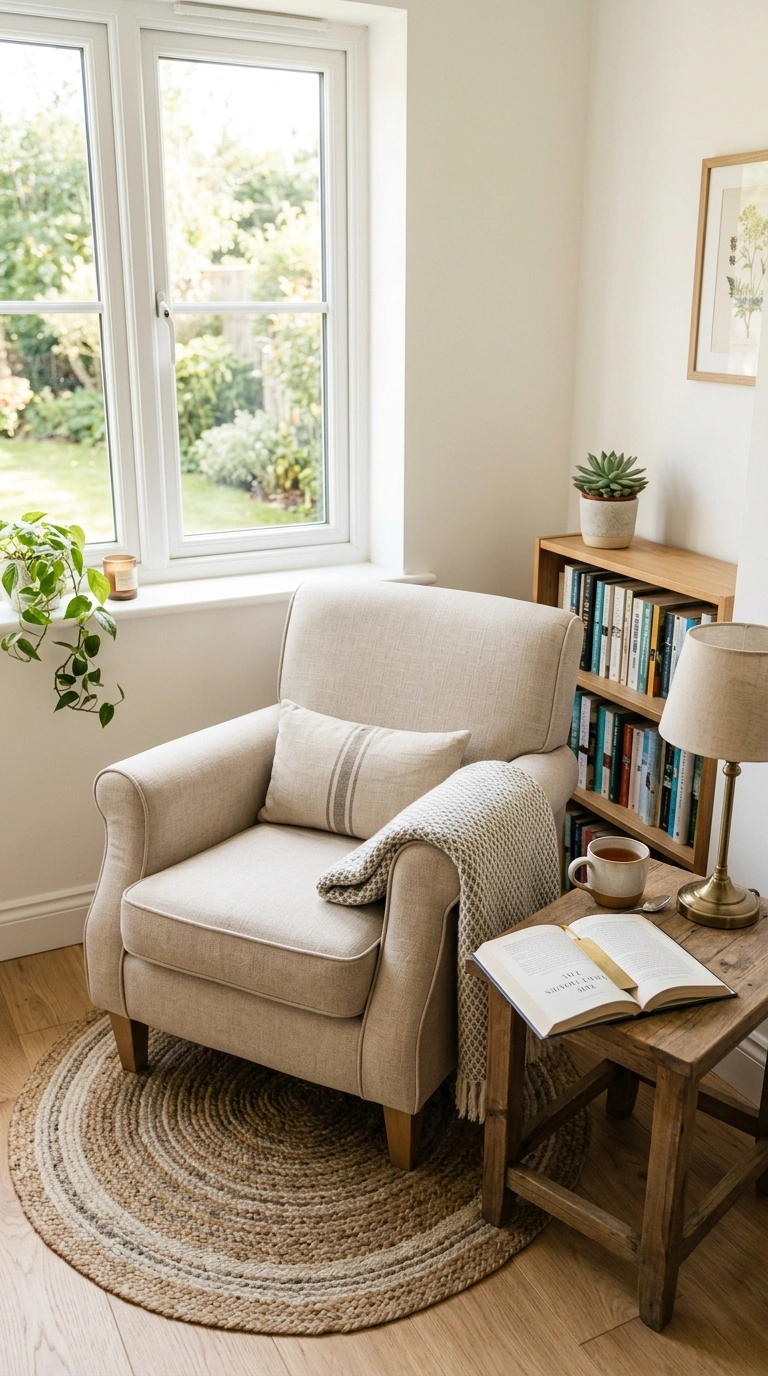
A reading nook works as a hobby space for anyone whose main hobby is simply getting lost in a book for an hour without interruption. Set a comfortable armchair or a window seat in the corner with the best natural light in the room, and add a small side table just large enough for a lamp, a cup of tea, and whatever book is currently in progress. A soft throw blanket draped over the chair arm and a low bookshelf within reach keep everything needed close at hand. Choose a warm toned floor lamp with a dimmer if possible, since reading light needs to feel soft rather than bright and clinical. A small rug underfoot helps define this as its own space even within a larger room. This whole nook can come together with just one chair, one lamp, and a small table.
11. Board Game Corner
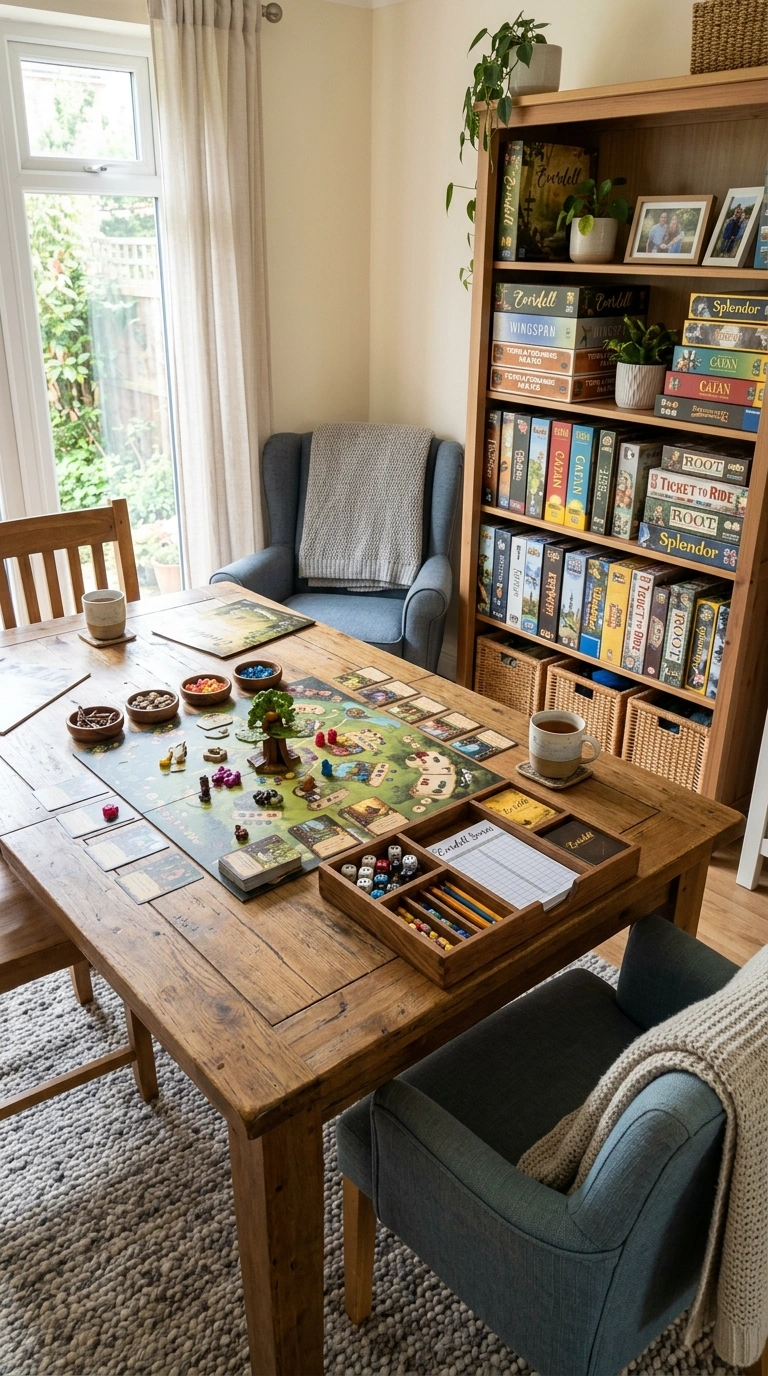
A board game corner works well in a hobby room shared by the whole family, built around a sturdy table with enough surface area for a full board and several players’ worth of pieces. Choose a table with a slightly raised lip or edge if possible, since this keeps dice and small pieces from rolling onto the floor mid game. Store games upright on a bookshelf nearby, sorted by size rather than alphabetically, so the biggest boxes sit on the bottom shelf for stability. A soft area rug under the table makes an accidental piece drop less of a hunt to recover it. Keep a small caddy on the table itself with dice, pencils, and scorepads for games that need them, so a round can start without searching for supplies first. This corner suits a room that already gets regular foot traffic from the whole household.
12. Music Instrument Nook
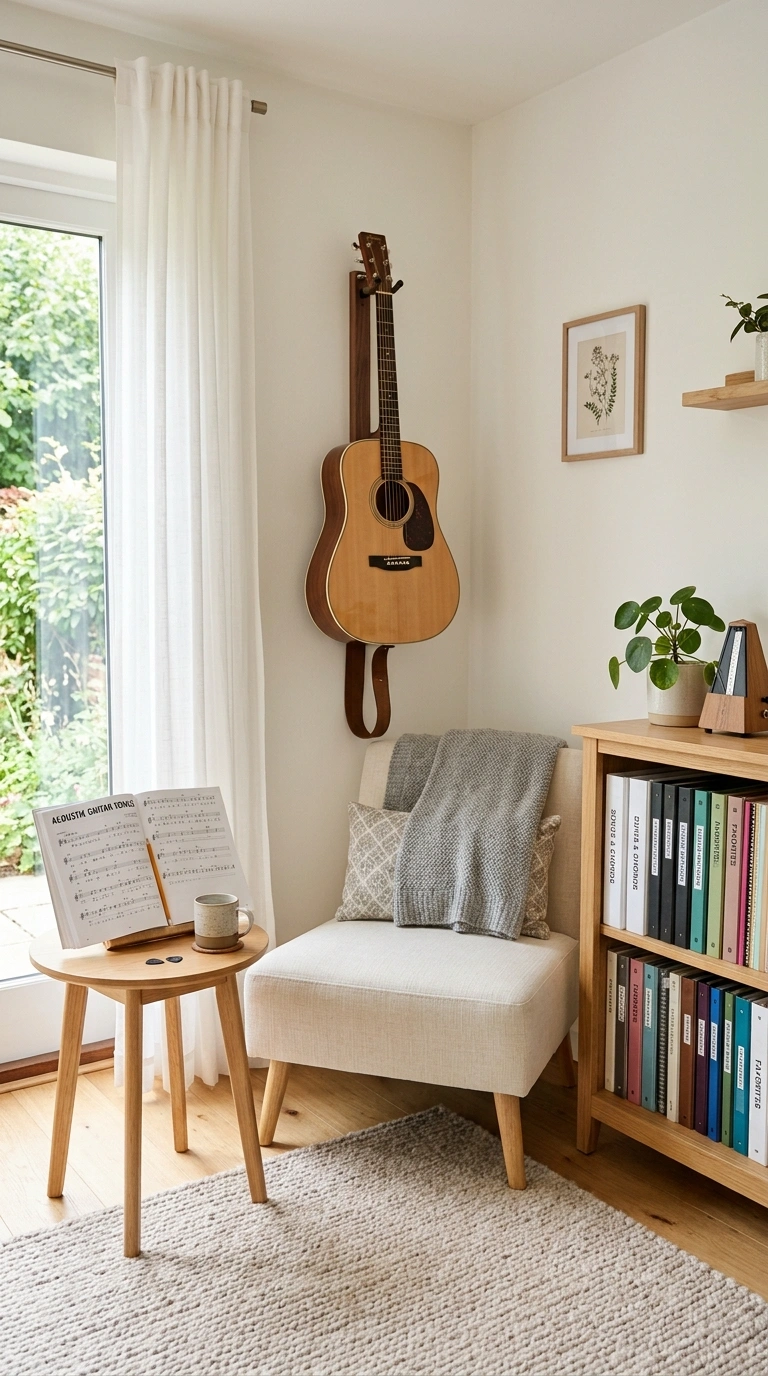
A music corner needs enough open floor space to actually play an instrument without knocking into furniture, so place it in the roomiest part of the hobby space rather than squeezed into a tight corner. Use a simple wall mounted rack or stand to display and store the instrument itself, whether a guitar, a violin, or a keyboard on a stand, since instruments left out get played more often than ones packed away in cases. A comfortable chair without arms works best for most instruments, paired with a small side table for sheet music or a tablet stand. Add a rug on the floor to soften the acoustics slightly and make the space feel more like a proper practice area rather than a bare room. Keep a small shelf nearby for sheet music binders, sorted by piece or by skill level.
13. Photography Backdrop Corner
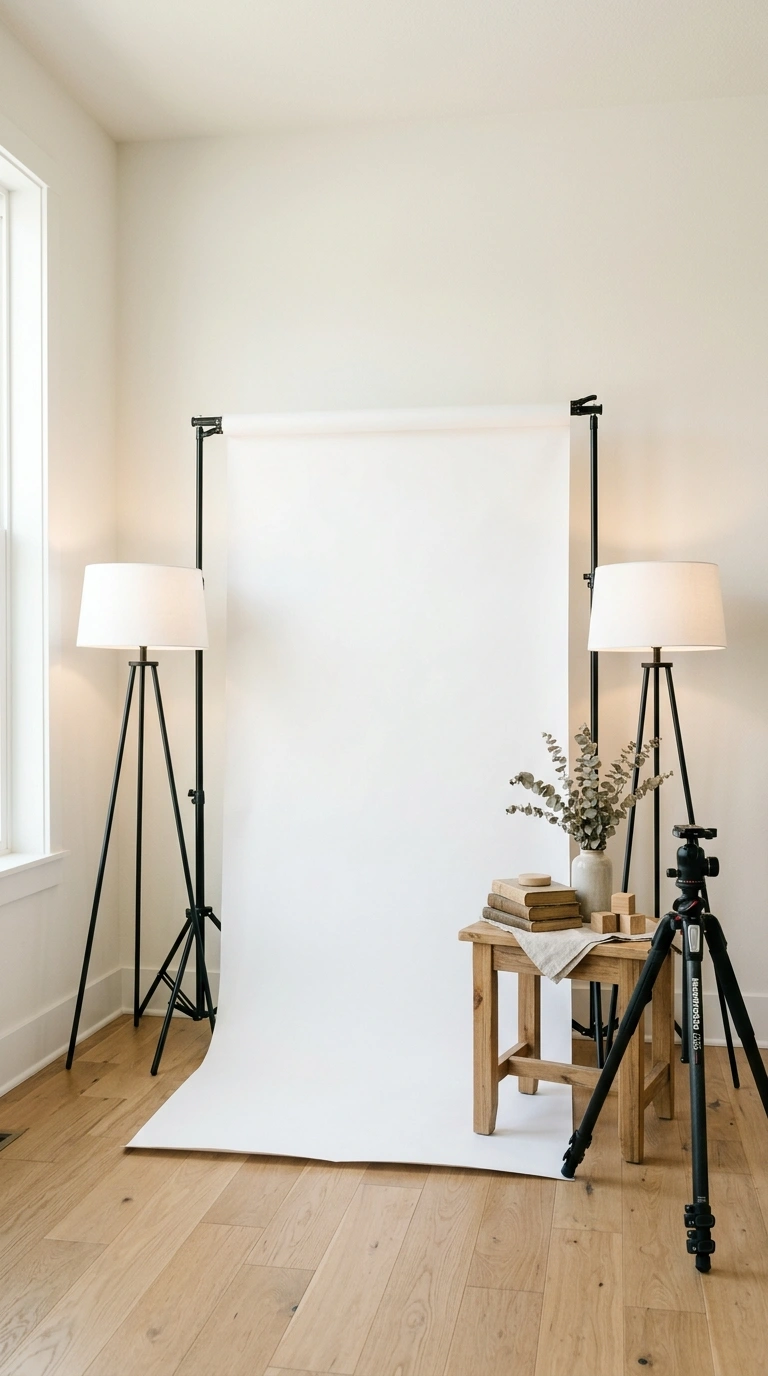
A small photography corner works well for anyone who shoots product photos, portraits, or craft photos for selling work online. Set up a simple paper or fabric backdrop on a stand against one wall, choosing a plain white, grey, or soft pastel roll that will not compete with whatever gets photographed in front of it. Add two simple lamps with white shades on either side, angled slightly toward the backdrop, to fill in shadows without needing a full studio lighting kit. Keep a small table nearby to hold props, reflectors, or a tripod when not in use. A roll of the backdrop paper can be clipped up and rolled down as needed, so this corner does not need to stay set up all the time if space is limited. This setup works in a corner as small as six feet wide.
14. Floral Arranging Station
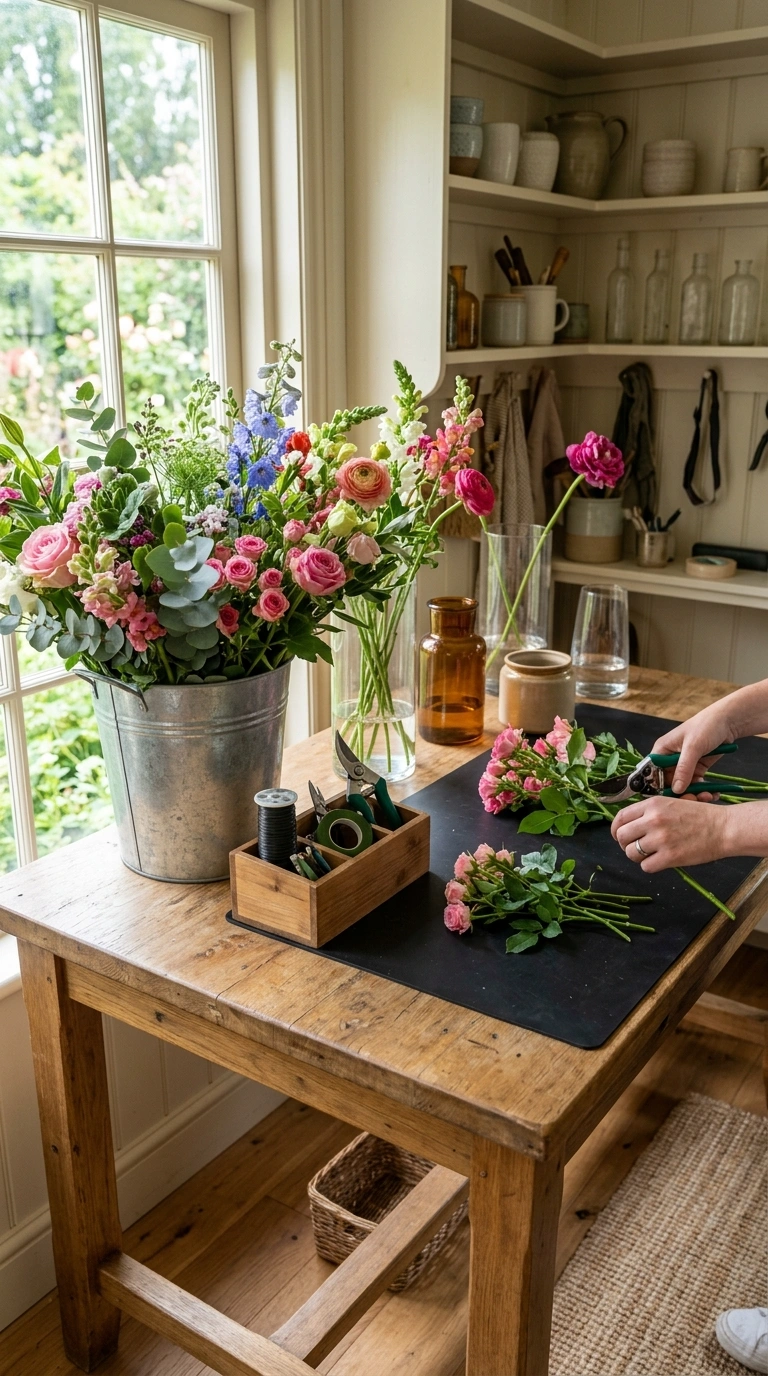
A floral arranging station needs a work surface that can handle water and stray leaves without staining, so choose a table with a sealed or laminate top, or lay down a simple rubber mat to protect the surface underneath. Keep a set of vases in varying heights on an open shelf nearby, along with floral shears, tape, and wire in a small caddy that can be carried to the table when needed. A deep sink or a large bucket kept close by makes cleanup and flower conditioning much easier than carrying everything back and forth to a bathroom. Good natural light helps when judging color combinations, so a spot near a window works better than one lit only by overhead lights. This station suits anyone who arranges flowers regularly for their own home or for small orders from friends and family.
15. Candle Making Corner
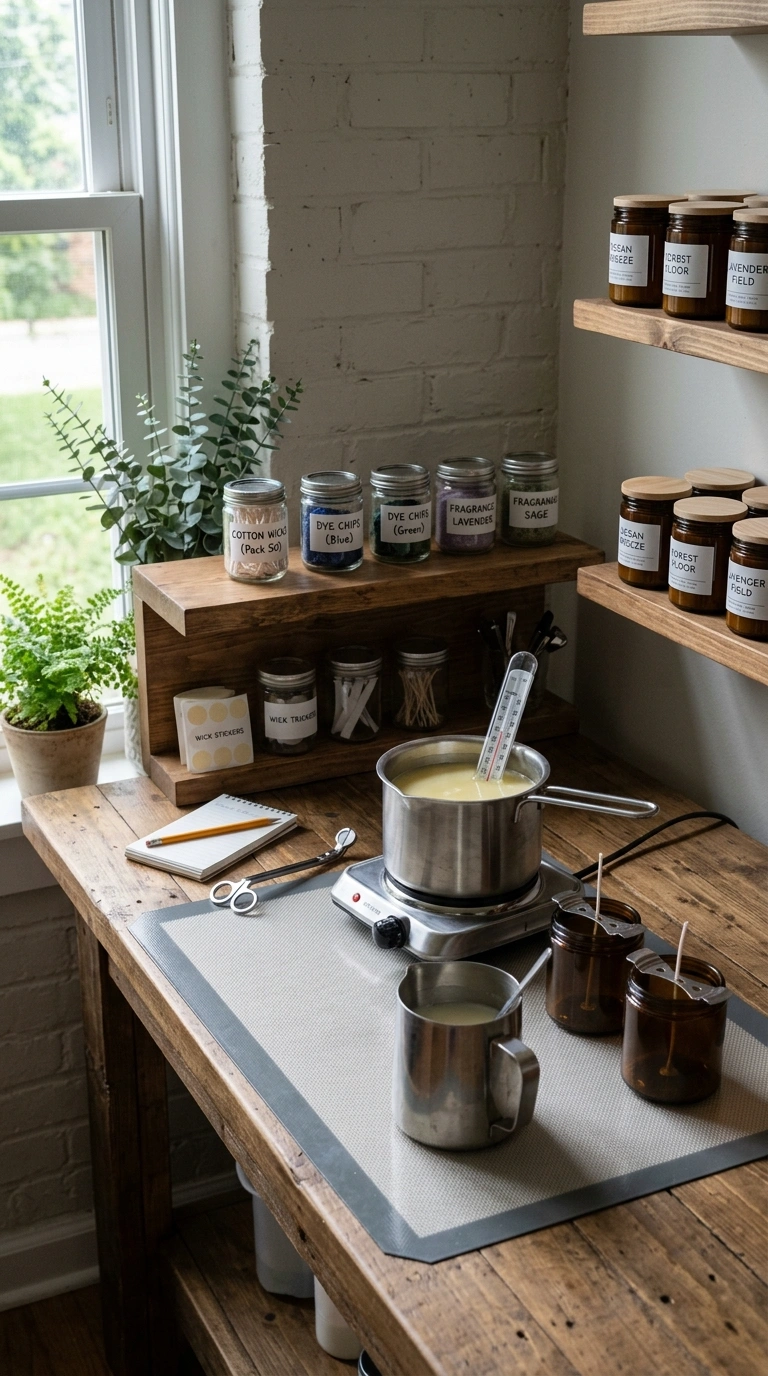
A candle making corner needs to be set up with heat and safety in mind first, so choose a spot away from curtains or anything flammable, ideally on a stable table with a heat resistant mat covering the work surface. Keep a small double boiler or wax warmer, a thermometer, and pouring pitchers organized on a nearby shelf, along with wicks, fragrance oils, and dye chips sorted in small labeled containers. A fire extinguisher kept nearby, even a small kitchen sized one, is worth having in any space where wax gets melted regularly. Ventilation matters here too, so a window that can open or a small fan pointed toward it helps clear fragrance and smoke while pouring. Store finished candles on a separate shelf away from the heat source so they can cure undisturbed for the recommended time before use.
16. Journaling Writing Nook
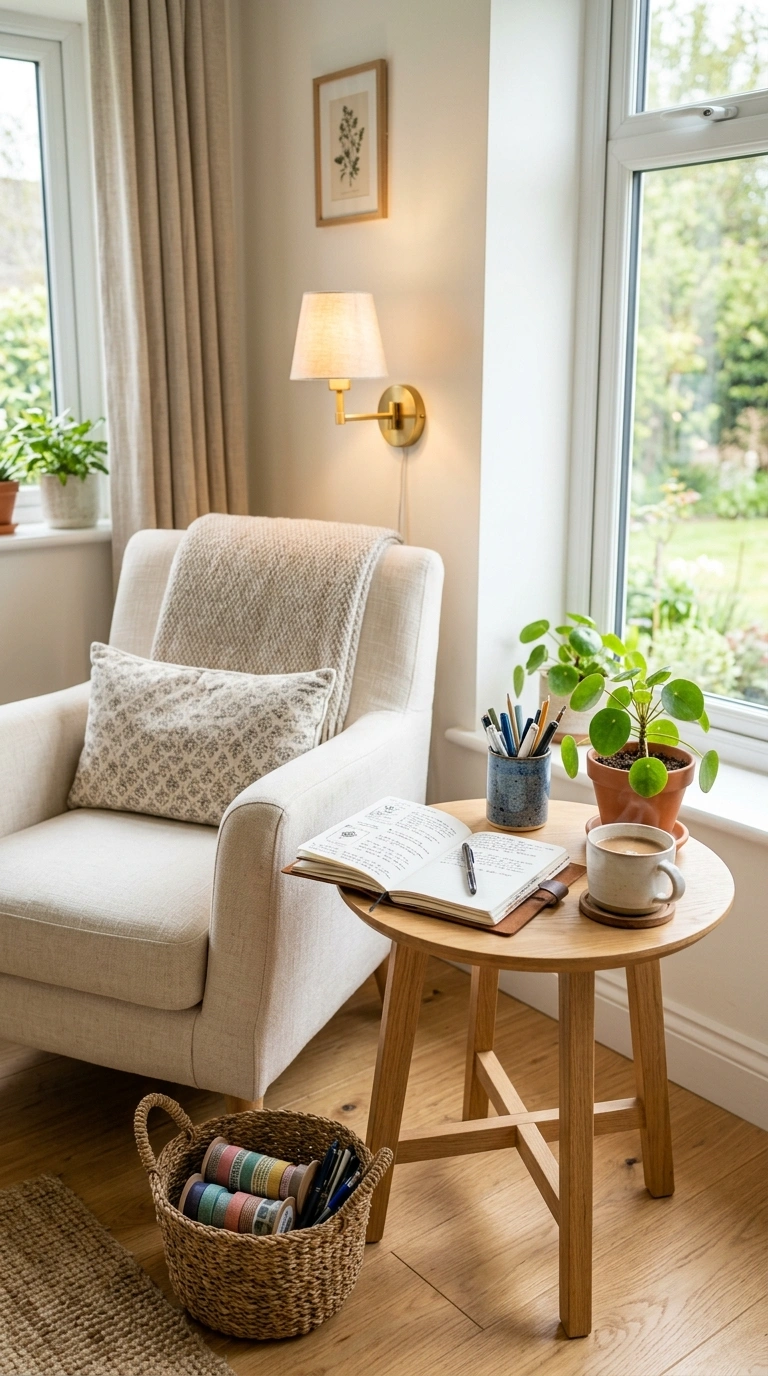
A journaling nook works best as a small, quiet corner rather than a full desk setup, since the main need here is comfort rather than surface space. Choose a single comfortable chair with a small side table just wide enough for a notebook, a cup of coffee, and a pen cup. Keep a basket beside the chair holding current notebooks, a few favorite pens, and perhaps some washi tape or stickers for anyone who likes to decorate their pages. A soft lamp with warm light suits this space better than an overhead fixture, since journaling often happens in the early morning or late evening. A small plant on the side table adds a bit of life to the corner without taking up much room. This nook can be set up in under an hour using furniture already found around most homes.
17. Puzzle Table Setup
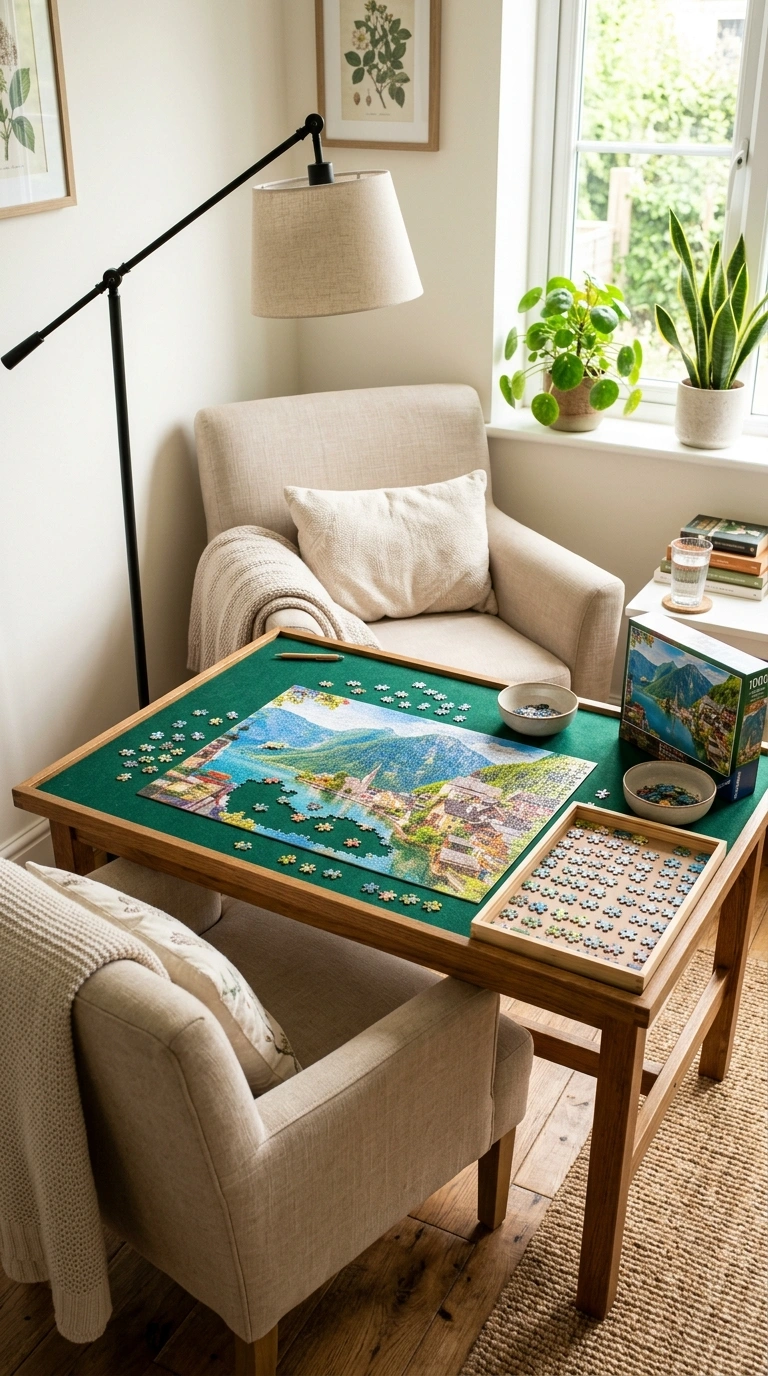
A dedicated puzzle table solves the common problem of a half finished puzzle taking over the dining table for weeks at a time. Choose a table with a felt or cork surface insert, since this keeps pieces from sliding around between sessions, or use a puzzle board that can be lifted and stored under a bed when not in use. Keep a shallow tray nearby for sorting edge pieces and grouping colors before they get placed. A good overhead light or a bright floor lamp matters here, since matching subtle color differences between puzzle pieces gets harder in dim lighting. A comfortable chair that allows leaning over the table for long stretches, rather than a stiff dining chair, makes longer puzzle sessions more comfortable. This setup suits a spare corner of almost any room, since a puzzle table does not need to be large.
18. Model Building Station
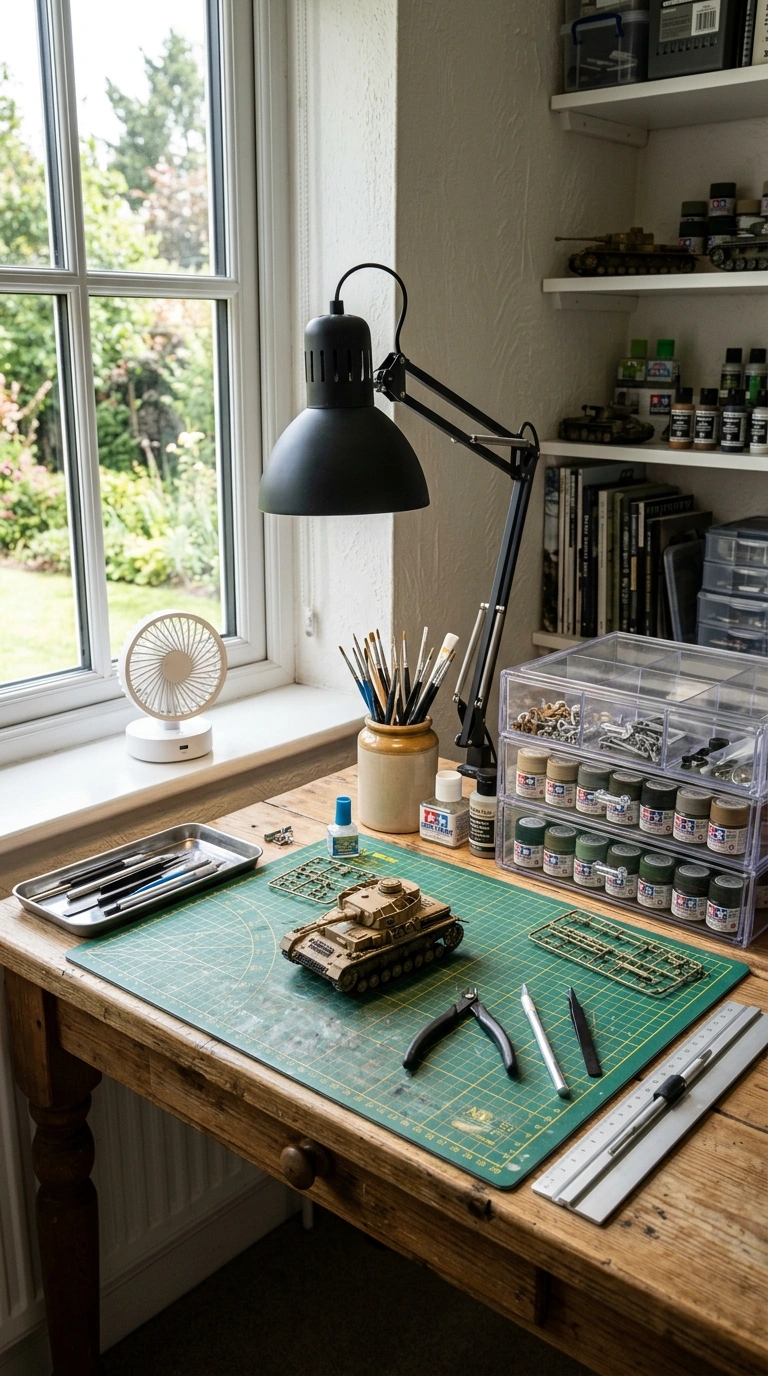
A model building station needs a stable, well lit surface along with small organized compartments for tiny parts and paints. Choose a table with a self healing cutting mat on top, which protects the surface from craft knife cuts and gives a slightly grippy surface for small parts to sit on without rolling away. Keep paints sorted by color in a shallow drawer unit, and store brushes upright in a jar rather than flat, so bristles keep their shape. A desk lamp with an adjustable arm and a slightly cooler white light helps with the fine detail work most model building involves. Add a small fan or open window for ventilation when using strong adhesives or spray paints. This station works well tucked into a corner of a garage, spare room, or even a section of a larger hobby room shared with other crafts.
19. Calligraphy Desk Corner
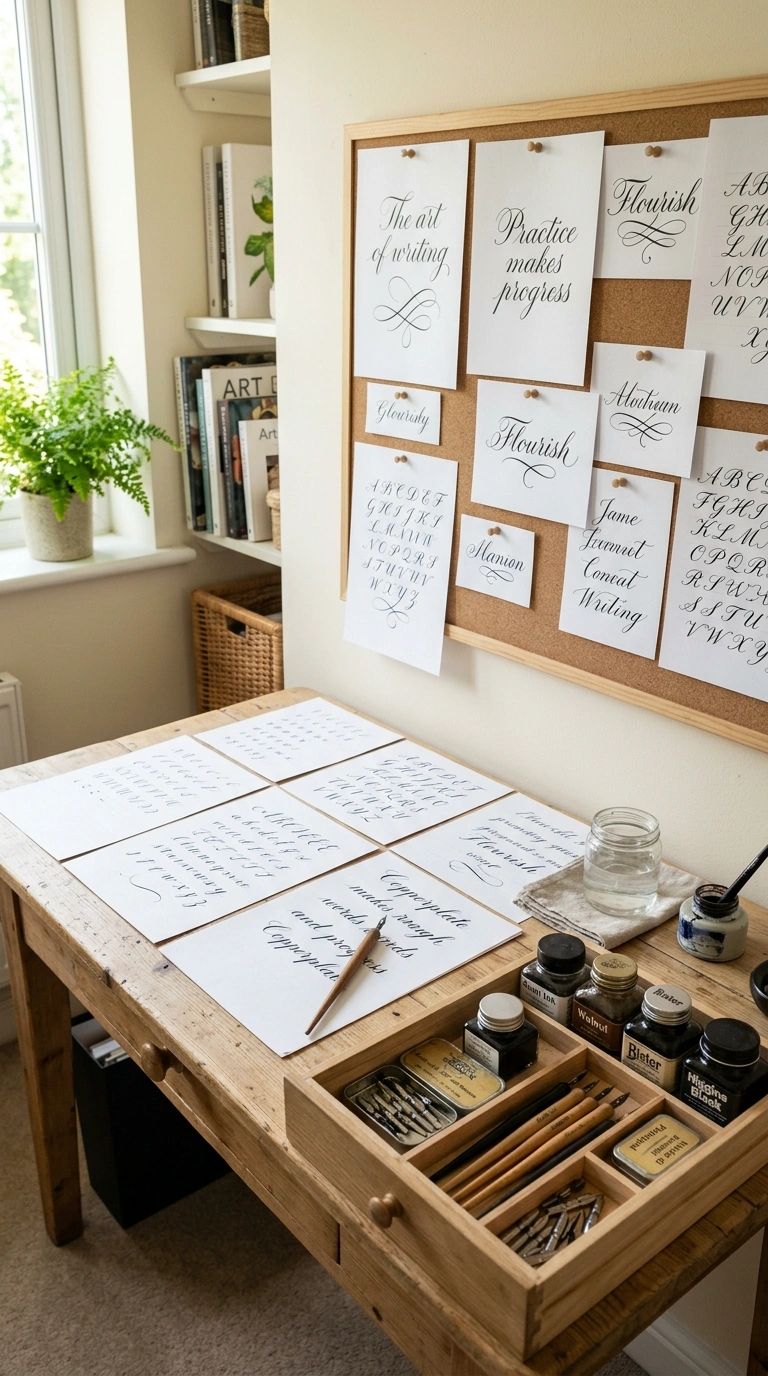
A calligraphy desk needs a stable, flat surface and good lighting more than almost any other detail, since even small hand movements affect the ink line quality. Choose a desk with enough width to lay out a few sheets of practice paper side by side, and add a slightly angled writing board or a slanted desk attachment if wrist comfort becomes an issue during longer sessions. Keep pens, nibs, and ink bottles sorted in a small caddy or a shallow drawer, with a separate jar for water used to clean nibs between ink colors. Natural daylight from the side, rather than directly overhead, reduces glare on the wet ink and makes it easier to check line quality as you write. A simple corkboard nearby for pinning up finished practice sheets or reference alphabets keeps inspiration close without cluttering the desk itself.
20. Plant Potting Station
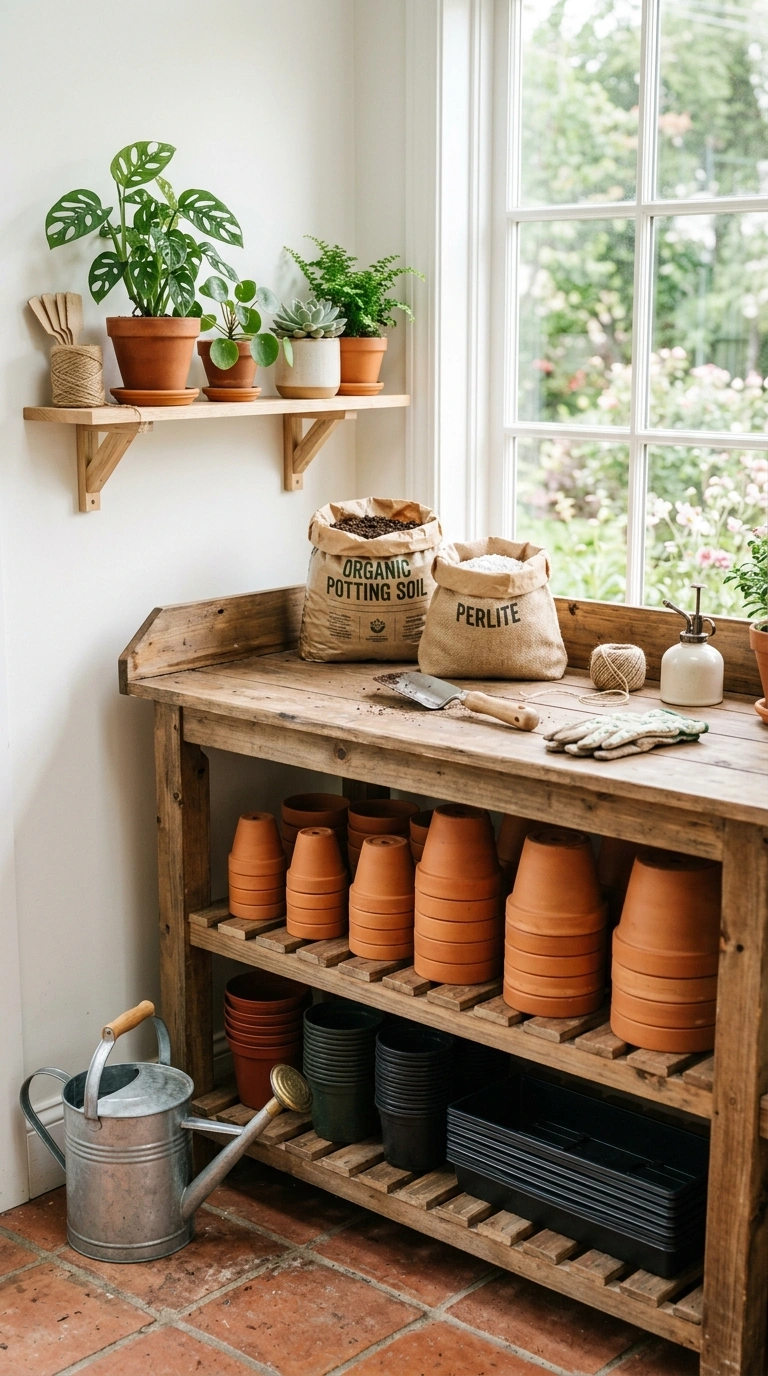
A potting station gives plant lovers a dedicated spot for repotting and plant care instead of doing it on the kitchen counter. Set up a table or a potting bench with a slightly raised edge to contain spilled soil, ideally near a window or in a spot close to a door for easy cleanup. Keep bags of soil, a small trowel, and a watering can stored underneath on open shelving, along with a stack of pots in varying sizes sorted by material, terracotta on one side and plastic on the other. A rubber mat or an old towel laid down first makes sweeping up loose soil much easier afterward. Hanging a few finished plants nearby on hooks or a small shelf helps this station double as a display area between potting sessions rather than looking purely functional.
21. Baking Decorating Station
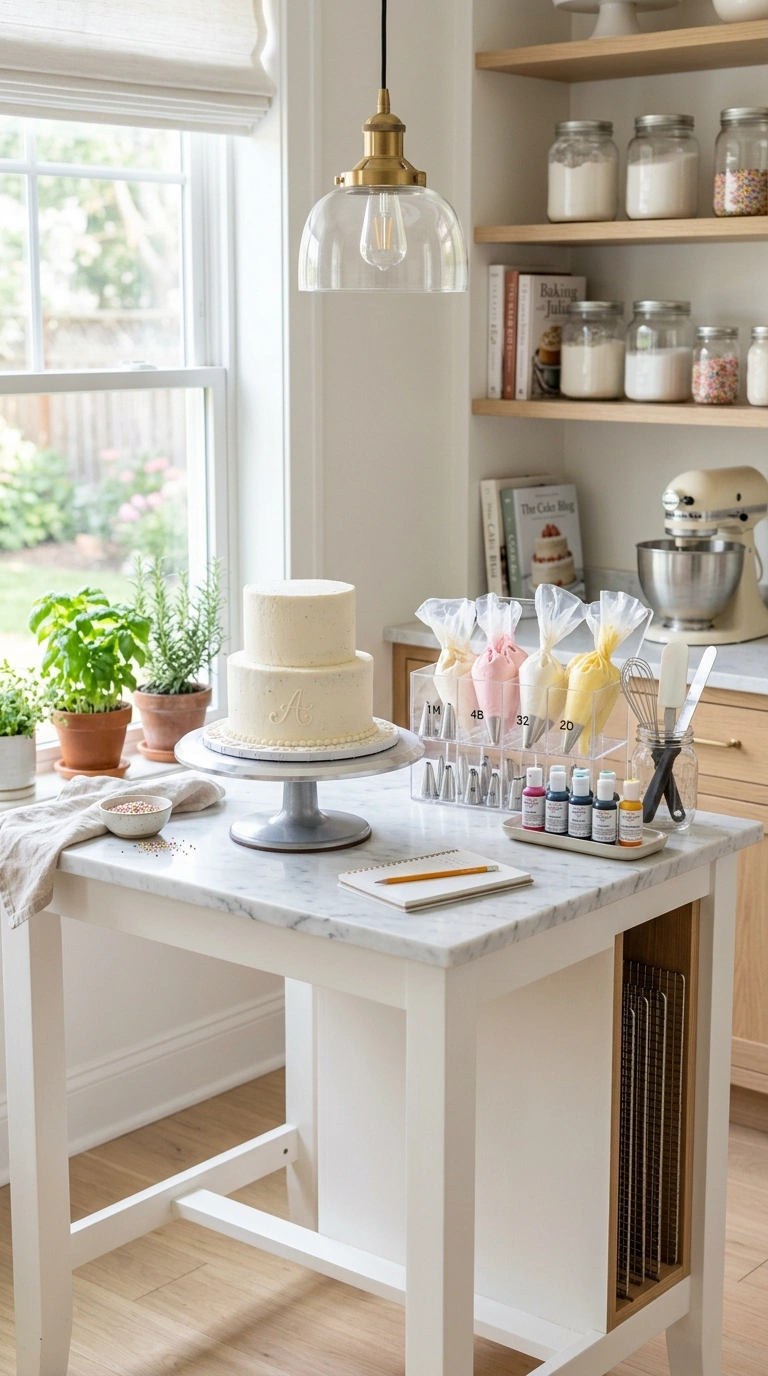
A baking and cake decorating station needs a large, flat, easy to clean surface, so a table with a marble or stainless steel top works better here than a soft wood finish that can stain from food coloring or fondant. Keep piping bags, tips, and food coloring sorted in a clear divided box so colors and sizes are easy to find mid project. A turntable stand kept on the table itself makes cake decorating far easier than working on a flat, fixed surface. Store cooling racks vertically in a slim slot beside the table rather than stacked flat, saving space while keeping them easy to grab. Good task lighting overhead helps when matching icing colors or checking piping detail closely. This station works well set up in a corner of a kitchen or a nearby pantry area rather than needing its own separate room.
22. Multi Craft Cart
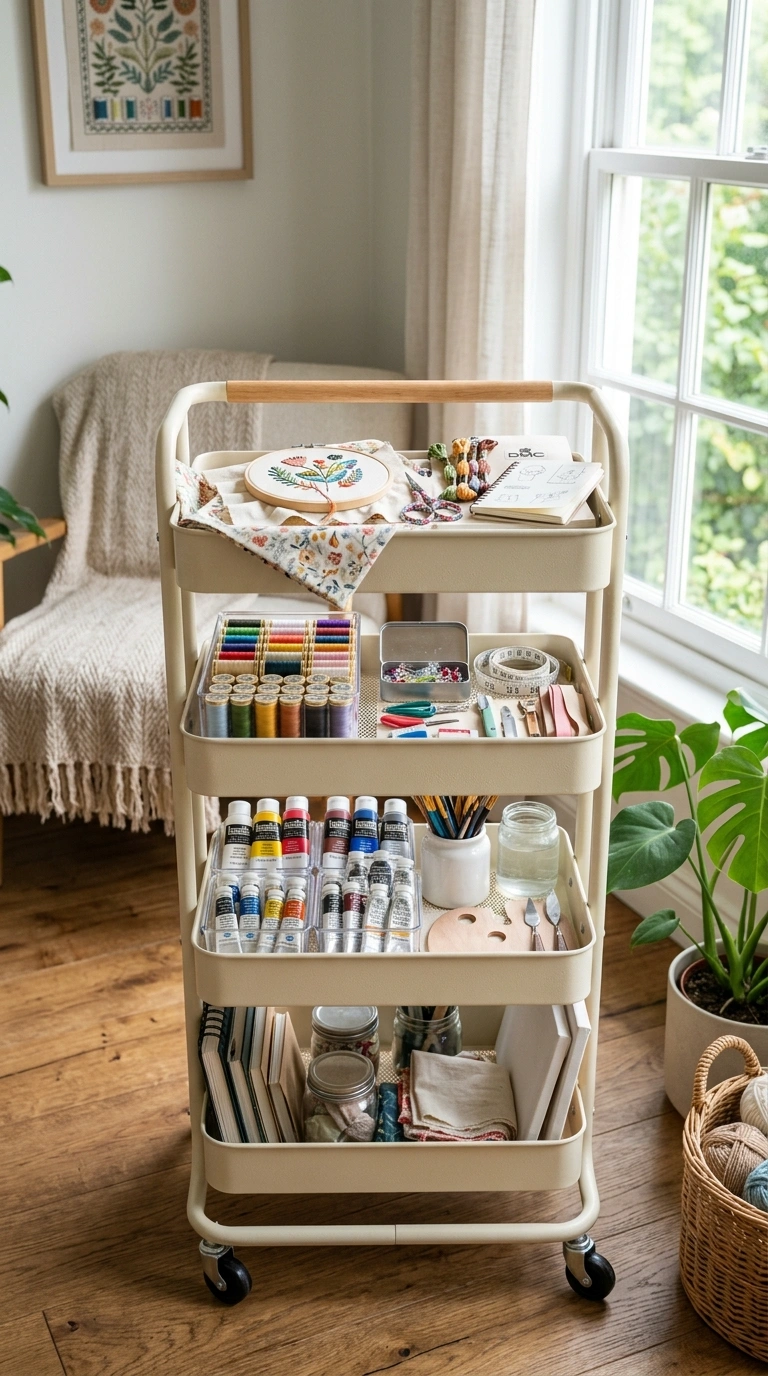
A rolling multi craft cart works well for anyone who does not have a full hobby room but still wants an organized setup that can move between the kitchen table, the living room, or a spare corner as needed. Choose a cart with several open shelves or pull out drawers, sized to hold a mix of supplies for more than one hobby at a time, such as sewing tools on one level and paint supplies on another. Add small bins or trays within each shelf to keep smaller items from sliding around while the cart is being moved. Keep the top shelf reserved for whatever project is currently active, so it stays easy to grab and go. This setup suits smaller homes or shared spaces particularly well, since the entire hobby setup can be wheeled out of the way when the room needs to serve another purpose.
A hobby room does not have to be big or perfectly matched to look and feel right. Start with the corner you already have, add the storage and lighting your hobby actually needs, and let the rest come together over time. Once the basics are in place, the space will start to feel like yours.