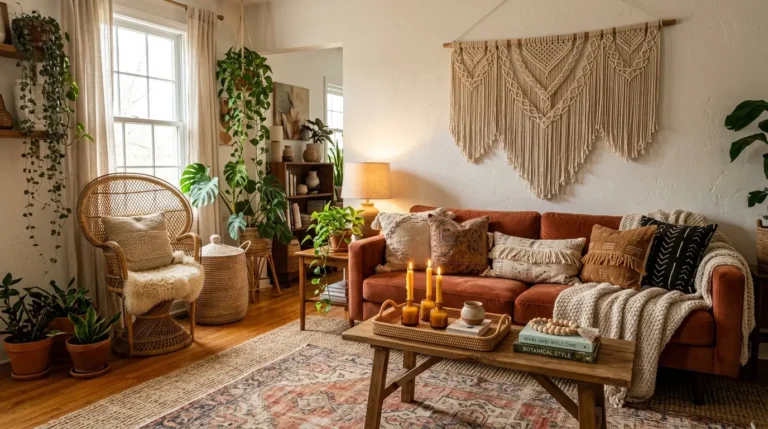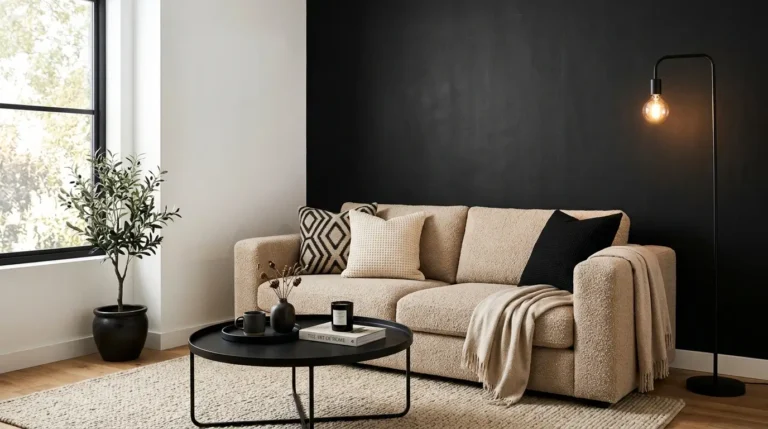
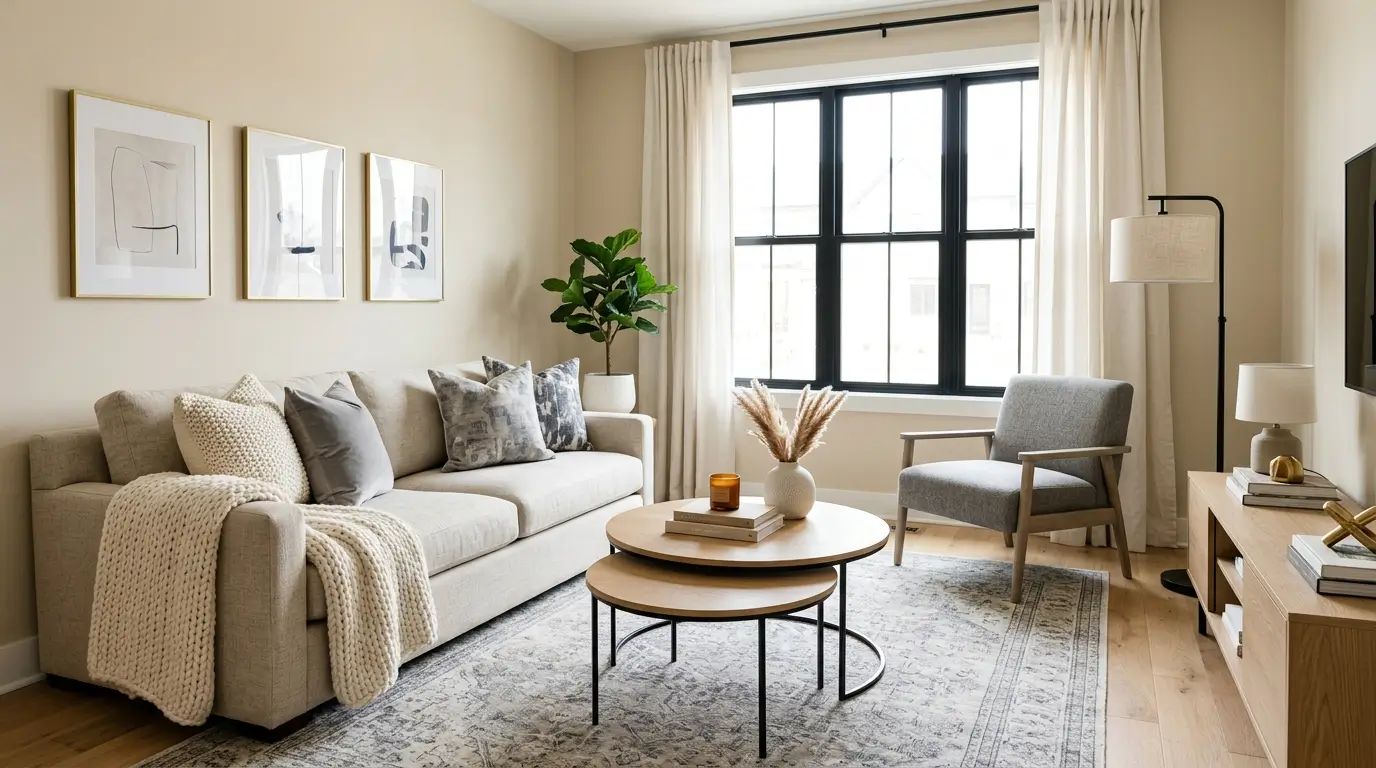
25 Affordable Living Room Decor Ideas for a High-End Look
You do not need a big budget to make your living room look put together. Most rooms that look expensive are not full of pricey furniture. They just have a few smart choices that make everything feel intentional. Good lighting, a cozy layer of textures, and a little bit of order can do more than a brand new sofa ever could. In this list, you will find 25 real ways to give your living room a high-end feel without spending a lot of money. Some ideas cost nothing but time. Others might cost a little, but they are worth every dollar. Pick a few that fit your space and your style, and start there. You do not have to do all 25 at once to see a real difference in how your room looks and feels.
1. Add Architectural Detail With Trim
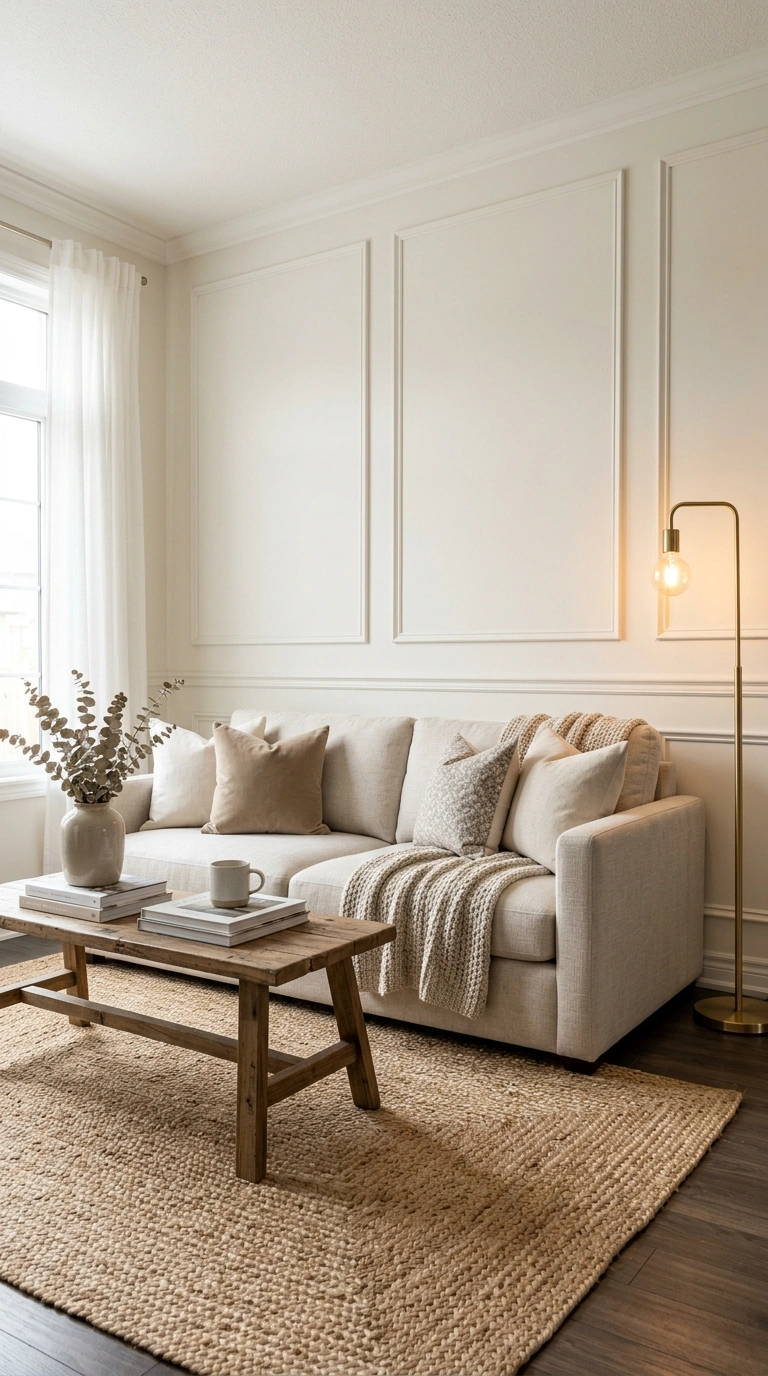
Plain walls can make a room feel unfinished, even when the furniture is nice. Adding simple trim around the bottom of your walls, or a picture frame molding pattern, gives your living room the kind of detail you usually see in older or higher-end homes. You can find pre-primed MDF trim at most hardware stores for a low price, and it cuts easily with a miter saw or even a hand saw if you take your time. Paint the trim the same color as your wall for a soft, built-in look, or choose a slightly different shade for more contrast.
This works especially well in living rooms with plain drywall and no existing character. Stick to white, off-white, or soft gray trim so it feels classic instead of trendy. Space your frames evenly along one focal wall, like the one behind your sofa or television. Even a small living room can handle this detail if you keep the pattern simple and the spacing consistent from corner to corner.
2. Hang Curtains High and Wide
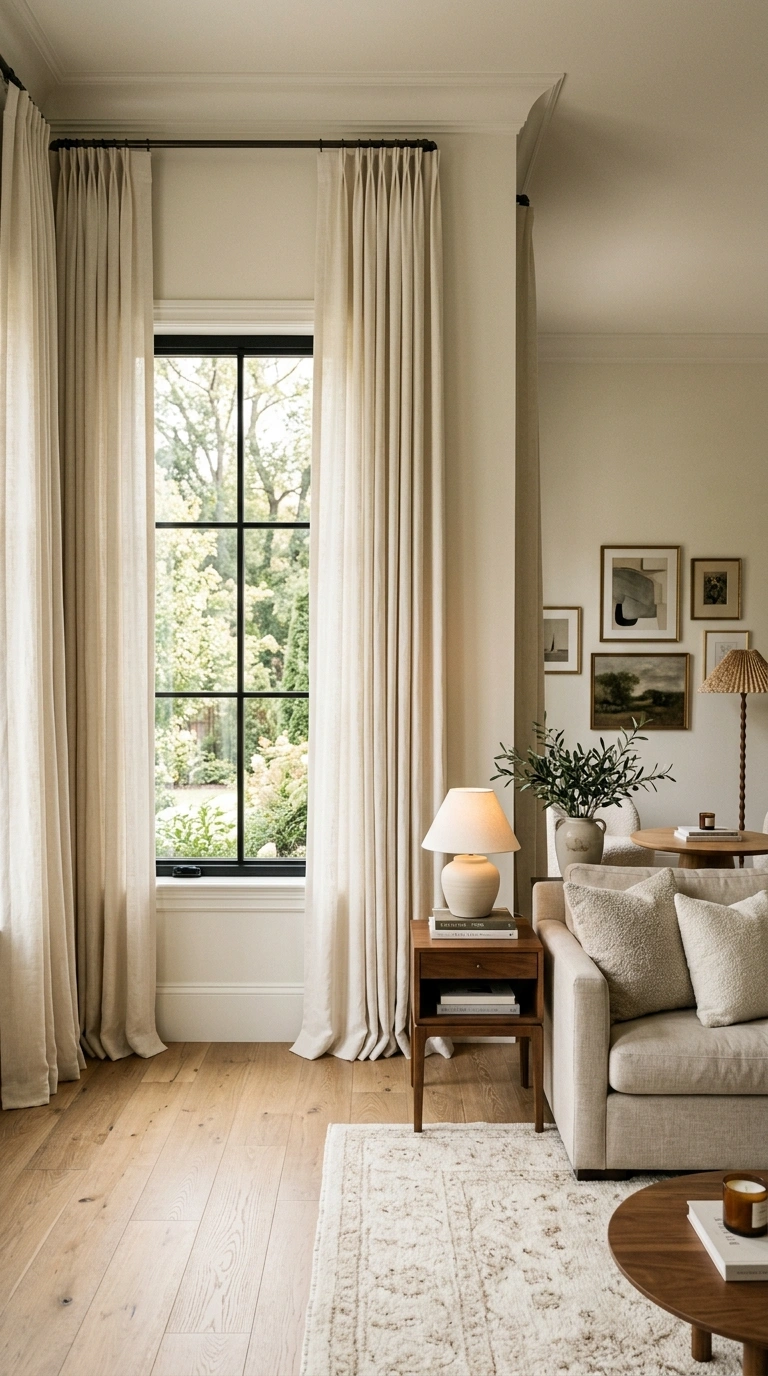
One of the fastest ways to make a room feel bigger and more expensive is to change how your curtains hang. Most people hang curtain rods right above the window frame, which makes ceilings look shorter than they are. Instead, mount your rod as close to the ceiling as you can, and extend it several inches past each side of the window. This tricks the eye into seeing taller, wider windows, even if the actual glass has not changed.
Choose curtains that are long enough to just brush the floor or puddle slightly, since curtains that stop short of the floor tend to look cheap. Linen or a linen blend in a soft neutral tone gives a relaxed, high-end feel that works in almost any style of living room. If your budget is tight, plain cotton panels in white or cream still look great when hung correctly. This one change costs very little but makes a huge difference in how tall and finished your whole room feels.
3. Layer Textured Throw Pillows
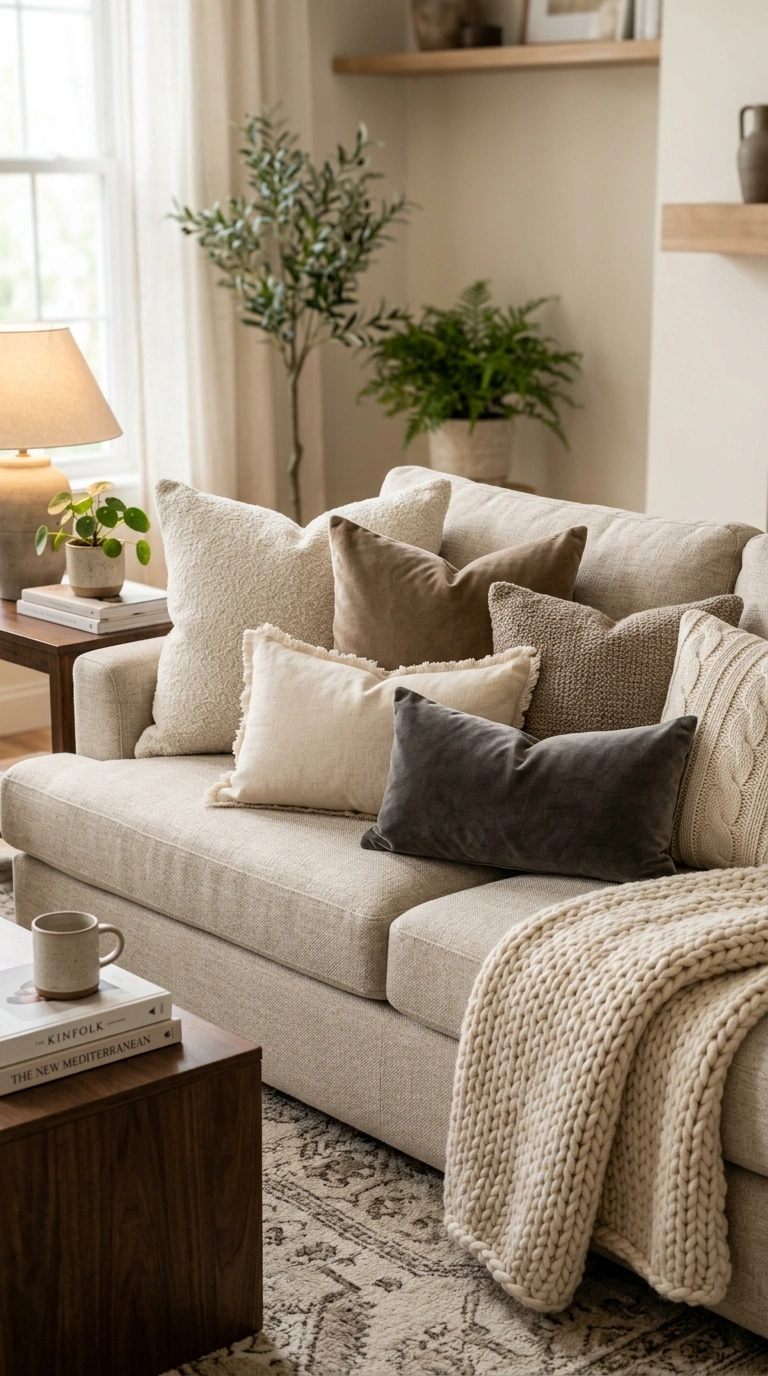
A sofa with two matching pillows can look plain, no matter how nice the couch itself is. Layering pillows in different textures, like a nubby boucle, a smooth linen, and a soft knit, gives your seating area depth and a collected feel. Stick to a simple color story so it does not look busy. Two or three colors that repeat somewhere else in the room, like your rug or your curtains, will tie everything together.
Odd numbers tend to look more natural than even ones, so try three or five pillows instead of four. Mix in one or two patterned pillows if you like a bit of print, but keep the rest solid so the pattern has room to stand out. You do not need designer pillow covers to get this look. Thrift stores and discount home stores often have well-made covers for a few dollars, and you can always use pillow inserts you already own inside new covers to save even more.
4. Hang a Large Statement Mirror
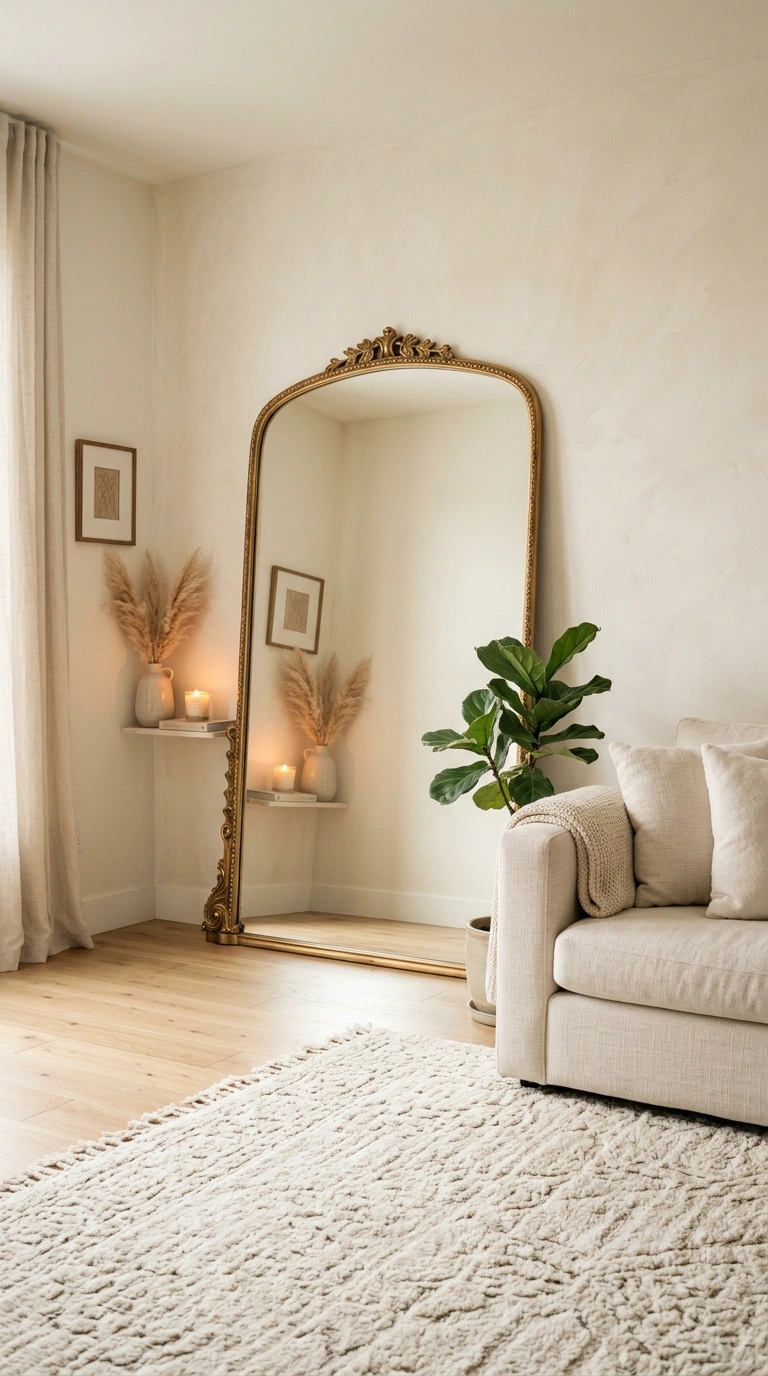
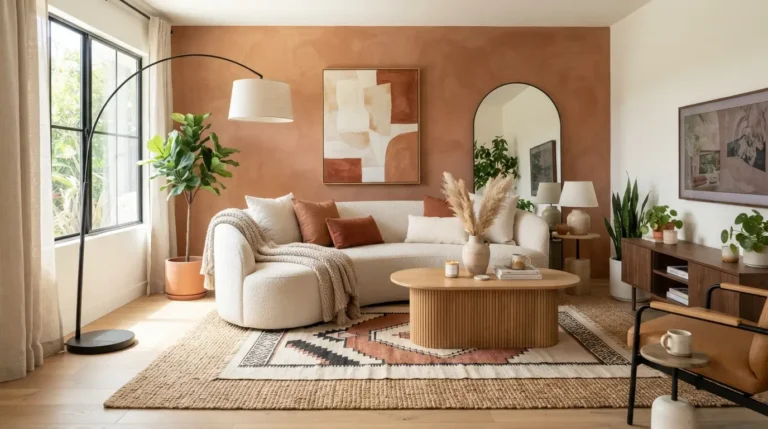
A large mirror does two things at once. It bounces light around the room, and it acts like a piece of art without the cost of real artwork. Lean a big mirror against the wall behind your sofa or console table, or hang it above your fireplace if you have one. The scale matters here. A mirror that is too small will get lost, while an oversized one instantly makes the wall feel finished.
Look for mirrors with a simple frame in wood, brass, or black metal, since ornate frames can start to look dated fast. Facing the mirror toward a window will reflect natural light back into the room, which makes the whole space feel brighter and larger. Secondhand shops and marketplace listings are great places to find oversized mirrors for a fraction of retail price, since people often sell them when they redecorate. Just check that the glass is not cracked or foggy before you bring one home.
5. Ground the Room With a Large Rug
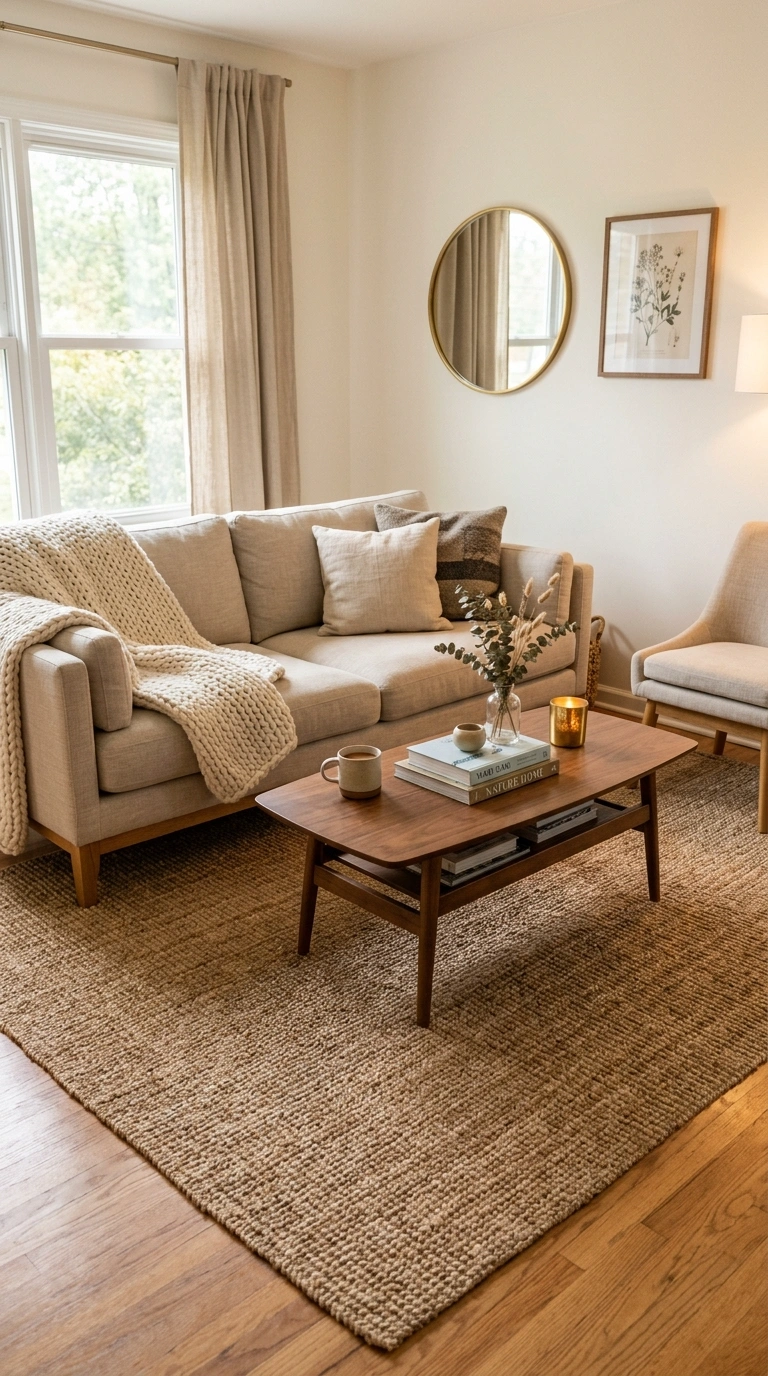
A rug that is too small is one of the biggest reasons a living room feels unfinished. Ideally, your front furniture legs, or all four legs on smaller pieces, should sit on the rug so it visually holds the whole seating area together. A rug that floats in the middle of the room with furniture pushed off the edges will always look off, even in a beautifully decorated space.
Neutral colors like ivory, warm gray, or soft taupe work in almost any living room and hide dirt better than pure white. Wool and wool blend rugs feel higher end underfoot and tend to hold their shape longer than synthetic options, but budget-friendly jute or polypropylene rugs have come a long way and can still look great from a distance. If a bigger rug is out of your price range right now, look for sales during major holidays, or check online marketplaces for barely used rugs from people who are moving.
6. Swap Out Builder-Grade Hardware
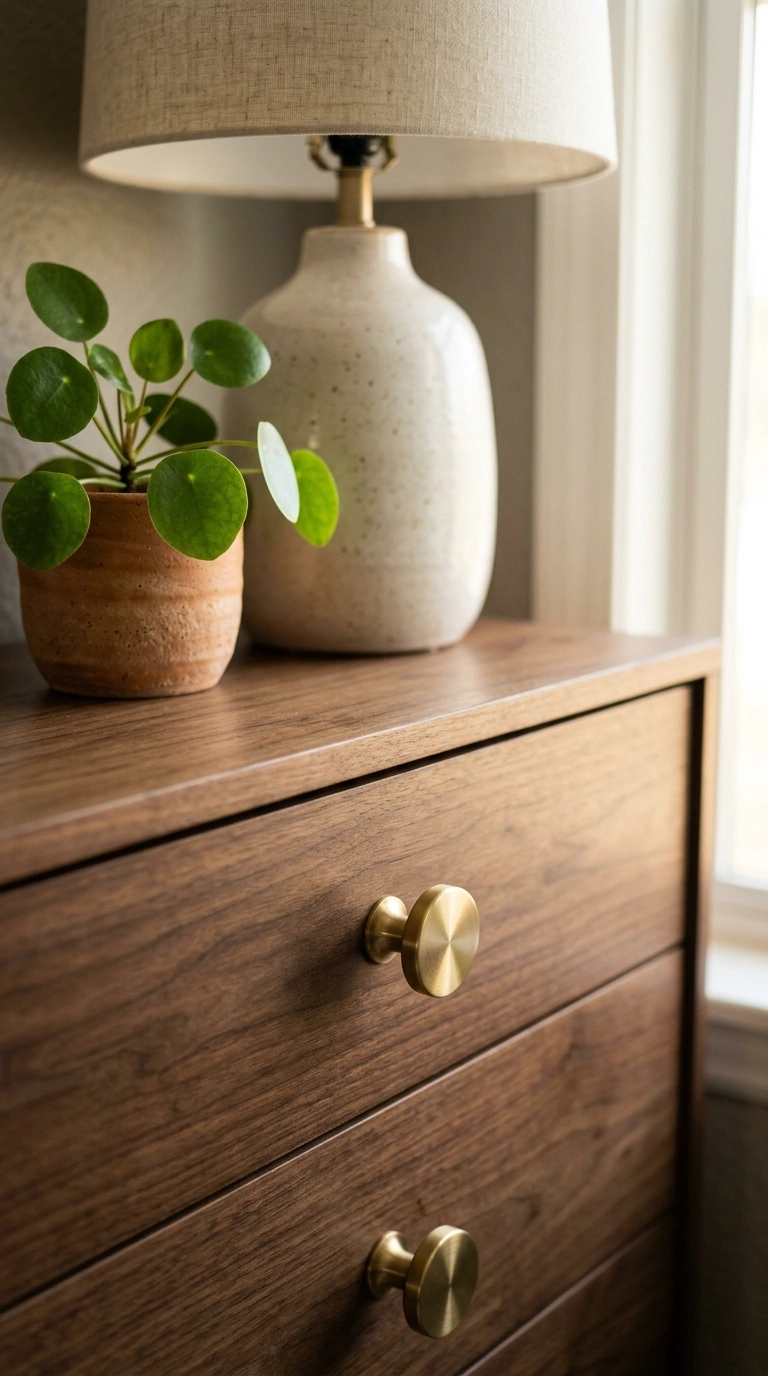
Small details like light switch covers, cabinet knobs, and door handles are easy to overlook, but they add up. If your living room still has the plain white plastic switch plates or shiny brass hardware from the original builder, swapping them out is a cheap way to modernize the whole space. Matte black, brushed nickel, or warm brass finishes tend to look more current and pull the room together.
This project does not require any special skills. Most switch plates just need a screwdriver, and many door handles are just as simple to replace. Buy a few packs of matching hardware so every room flows into the next, rather than mixing finishes randomly. If you rent your home, look for hardware you can install without permanent changes, and keep the original pieces stored safely so you can swap them back before you move out.
7. Add Fresh Greenery and Plants
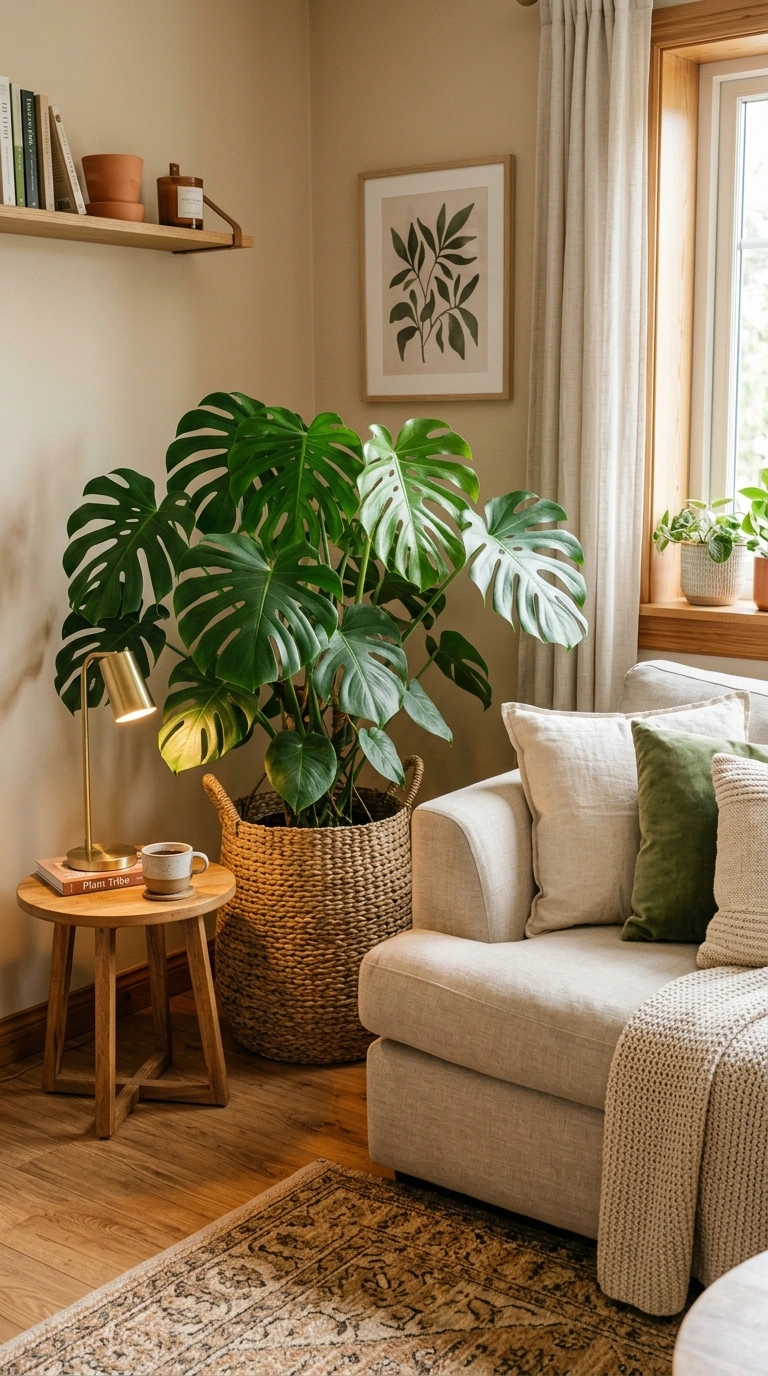
A living room without any greenery can feel flat, no matter how nice the furniture is. Real or realistic faux plants bring in natural texture and a bit of life that photos and throw pillows cannot replicate. A tall plant like a fiddle leaf fig or a snake plant in the corner fills empty space and draws the eye upward, which makes ceilings feel taller.
If you do not have a green thumb, low maintenance plants like pothos, ZZ plants, or snake plants are nearly impossible to kill and thrive in average indoor light. High quality faux plants have also improved a lot, and a few placed around the room can look convincing from normal viewing distance. Group a few smaller plants together on a shelf or side table instead of scattering single plants around the room, since grouping tends to look more intentional and styled.
8. Style a Coffee Table Vignette
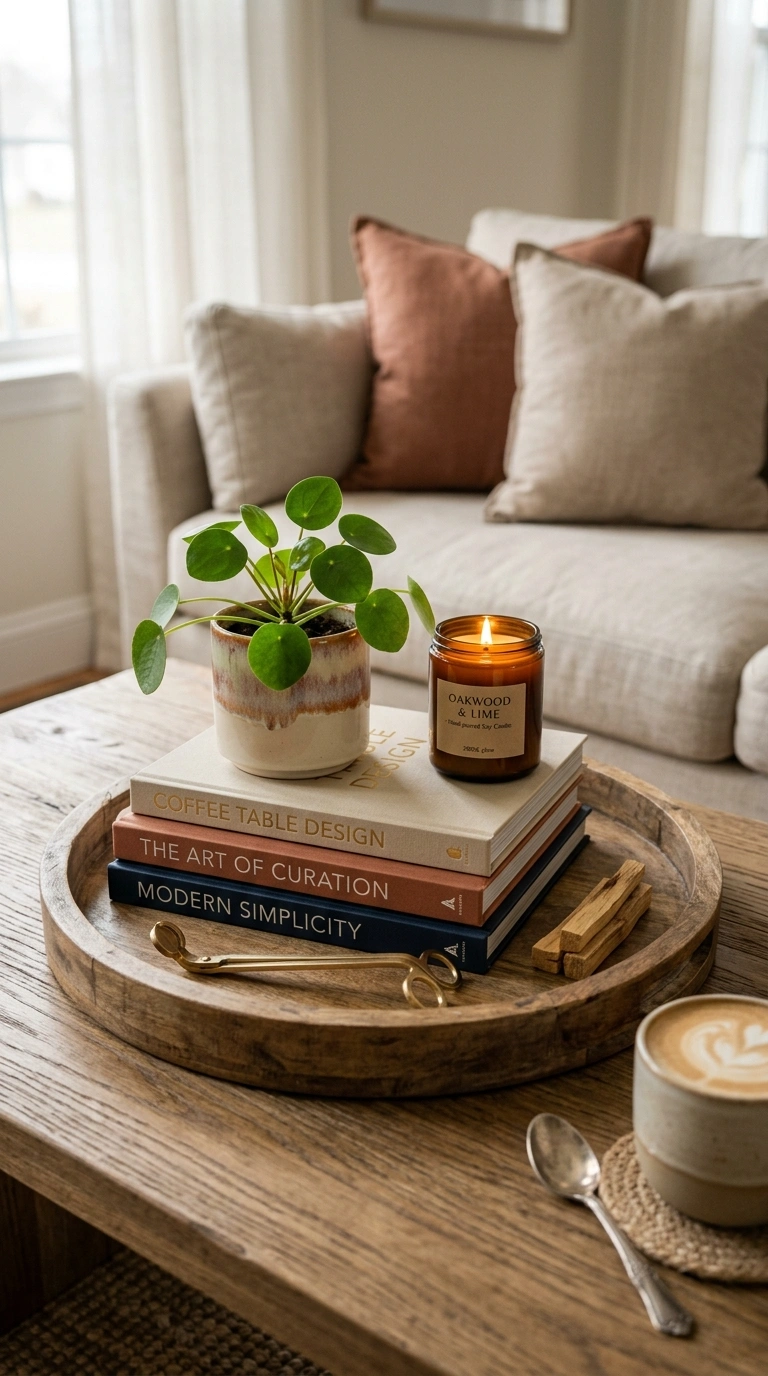
An empty or cluttered coffee table can make a whole living room feel unfinished. A simple styled vignette gives your eye a place to land and adds a layer of personality to the room. Start with one larger item, like a tray or a stack of books, and build around it with one or two smaller pieces, such as a small vase, a candle, or a small dish.
Vary the height of your items so the arrangement does not look flat. A tall vase next to a low stack of books creates visual interest without much effort. Keep your color palette tied to the rest of the room so it feels connected instead of random. You can update this vignette seasonally with a bowl of pinecones in winter or a small plant in spring, which keeps your space feeling fresh without buying new furniture.
9. Hunt for Thrifted and Vintage Finds
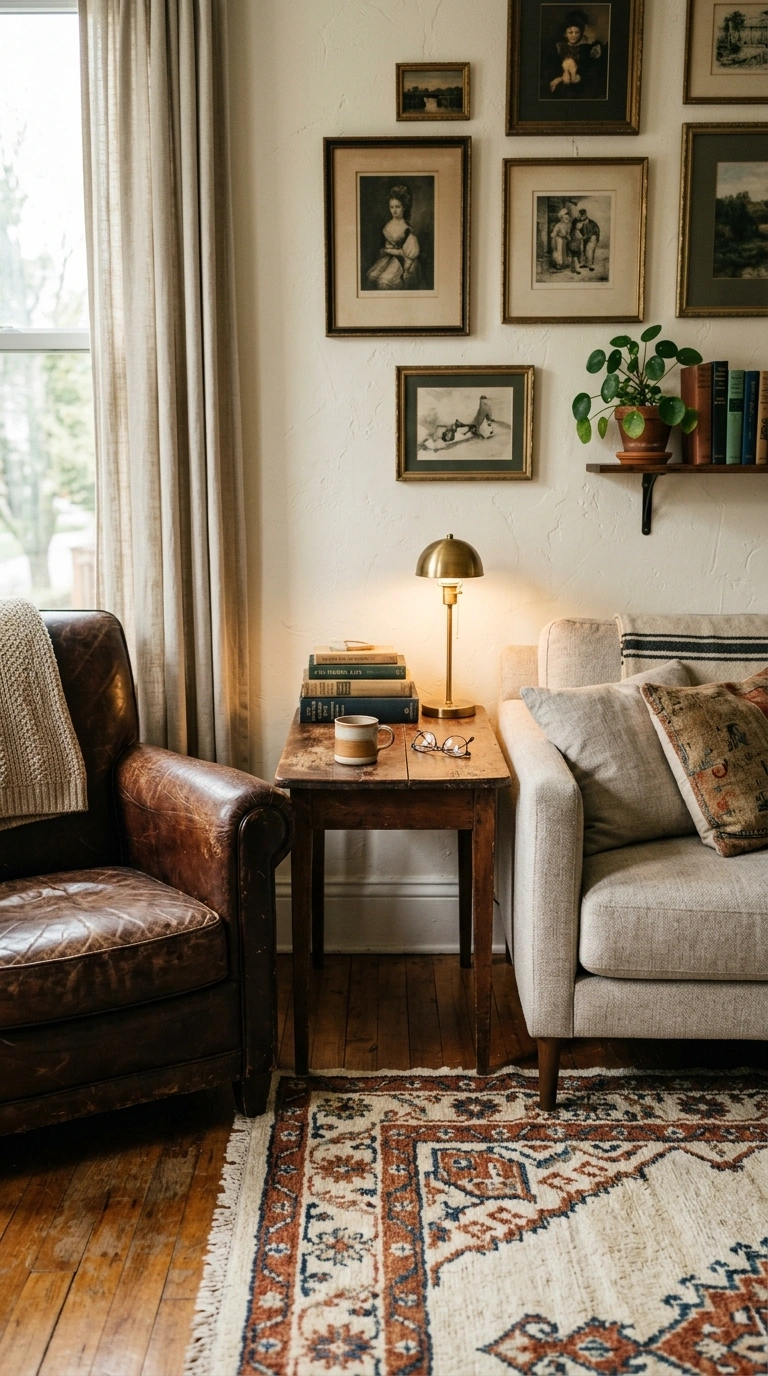
Some of the most expensive-looking living rooms are filled with secondhand pieces mixed in with newer items. Vintage furniture, especially solid wood pieces from decades ago, often has better construction than a lot of what you find at budget furniture stores today. A single vintage side table, lamp, or bench can add character that brand new mass-produced pieces just cannot match.
Check thrift stores, estate sales, and local online marketplaces regularly, since good pieces tend to move fast. Look past scuffed finishes or dated hardware, since a coat of paint or a hardware swap can completely change how a piece looks. Solid wood furniture is usually worth the extra effort to refinish, while pressboard pieces are harder to fix up and often not worth the time. Mixing in even one or two vintage finds keeps your living room from looking like it came straight from a single store catalog.
10. Light It With Warm, Layered Lamps
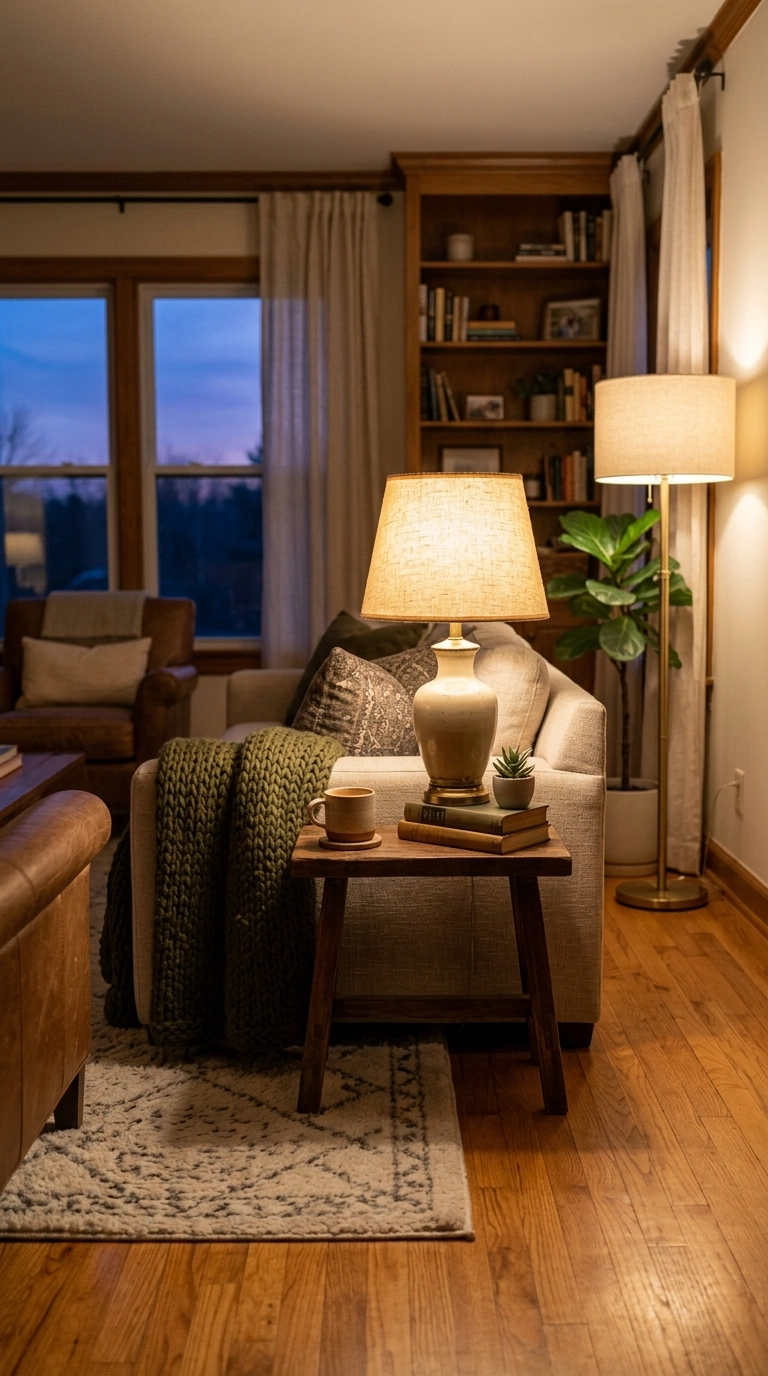
Overhead lighting alone tends to make a living room feel flat and a little harsh, similar to an office. Adding two or three lamps at different heights, like a floor lamp in one corner and a table lamp on a side table, creates soft pools of light that feel warm and inviting. This layered approach is one of the easiest ways to make a room feel higher end almost overnight.
Choose warm white bulbs instead of bright white or daylight bulbs, since warm light feels cozier and more flattering to skin tones and furniture colors alike. Lamp shades in linen or fabric soften the light even more compared to plastic or glass shades. Turn off your overhead light in the evening and rely on lamps instead, and you will notice the whole room instantly feels calmer and more inviting.
11. Refresh an Old Sofa
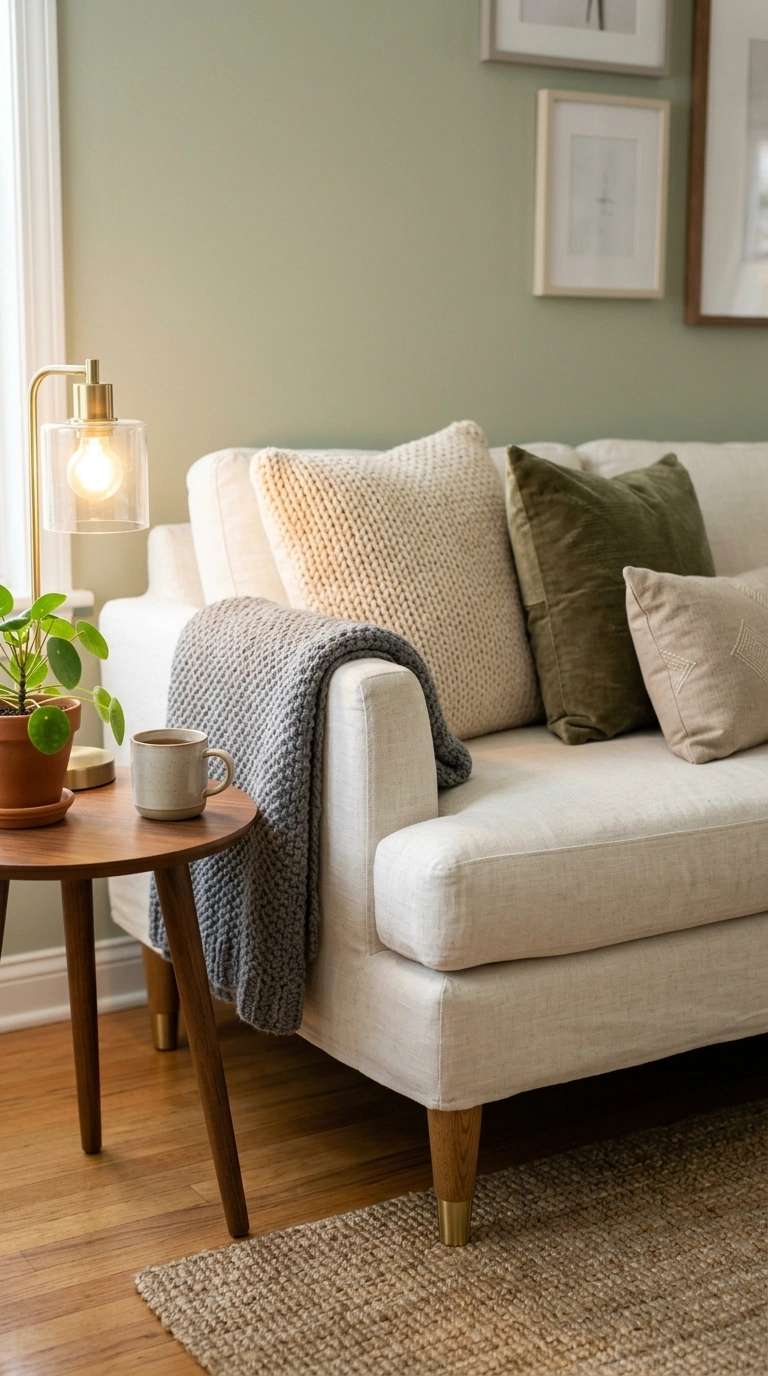
If your sofa is structurally sound but looking a little tired, you do not always need to replace it. A slipcover can completely change the look of an old couch for a fraction of the cost of a new one. Look for a fitted or tailored slipcover rather than a loose, baggy one, since a snug fit reads as much more expensive.
If your sofa cushions are sagging, new cushion inserts or extra fiber fill can restore their shape and make the whole piece feel firmer and more supportive. A steam clean or a simple fabric cleaner can also lift years of dust and stains, brightening up the fabric without any major work. For sofas with wood legs, sanding and staining or painting the legs a fresh color can update the whole piece for the cost of a small can of stain or paint.
12. Paint for a Fresh, High-End Look
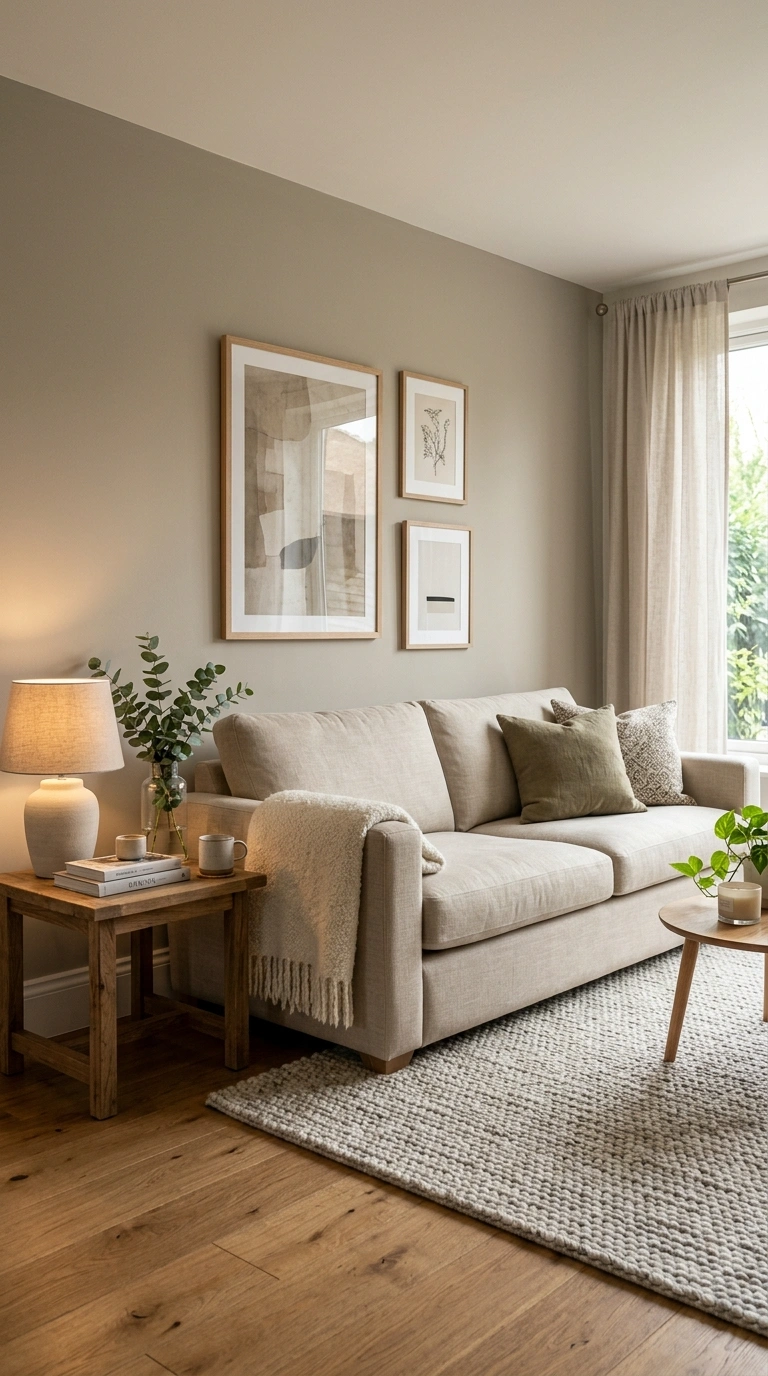
Paint is still one of the cheapest ways to change how a living room feels. A fresh coat in a warm white, soft greige, or deep moody color can make a space feel current and cared for, even if nothing else in the room changes. Darker colors on a single accent wall, like the one behind your sofa or television, can add drama and make the room feel more designed.
Stick to a quality paint with a matte or eggshell finish for walls, since these finishes hide small imperfections better than glossy paint. If you are painting trim or built-ins, a semi-gloss finish holds up better to wear and is easier to wipe clean. Test a few swatches on your actual wall and look at them at different times of day before committing, since lighting can change how a color reads dramatically from morning to evening.
13. Add Oversized Art
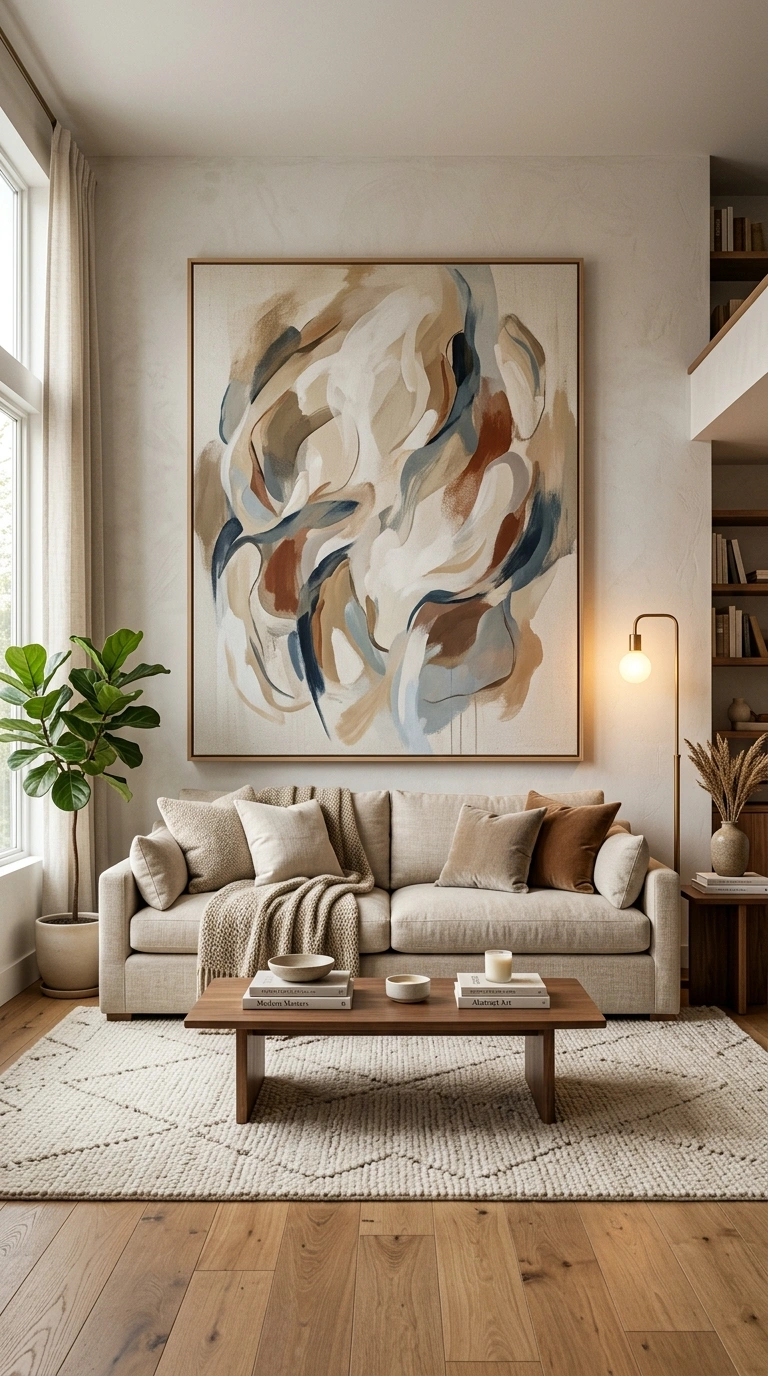
Small framed prints scattered around a large wall can look like an afterthought. One large piece of art, sized to fill more of the wall space, tends to look far more intentional and expensive, even if the print itself was inexpensive. A general rule is to choose art that covers about two thirds of the width of the furniture below it, such as your sofa or console table.
You do not need an original painting to get this look. Printable digital art files, poster prints from online shops, or even a favorite photo enlarged and framed can all work well. A simple black or wood frame keeps the focus on the art itself rather than a busy frame. If a single large piece feels out of reach right now, a grid of two or three matching prints can create a similar sense of scale for less money.
14. Create a Cohesive Gallery Wall
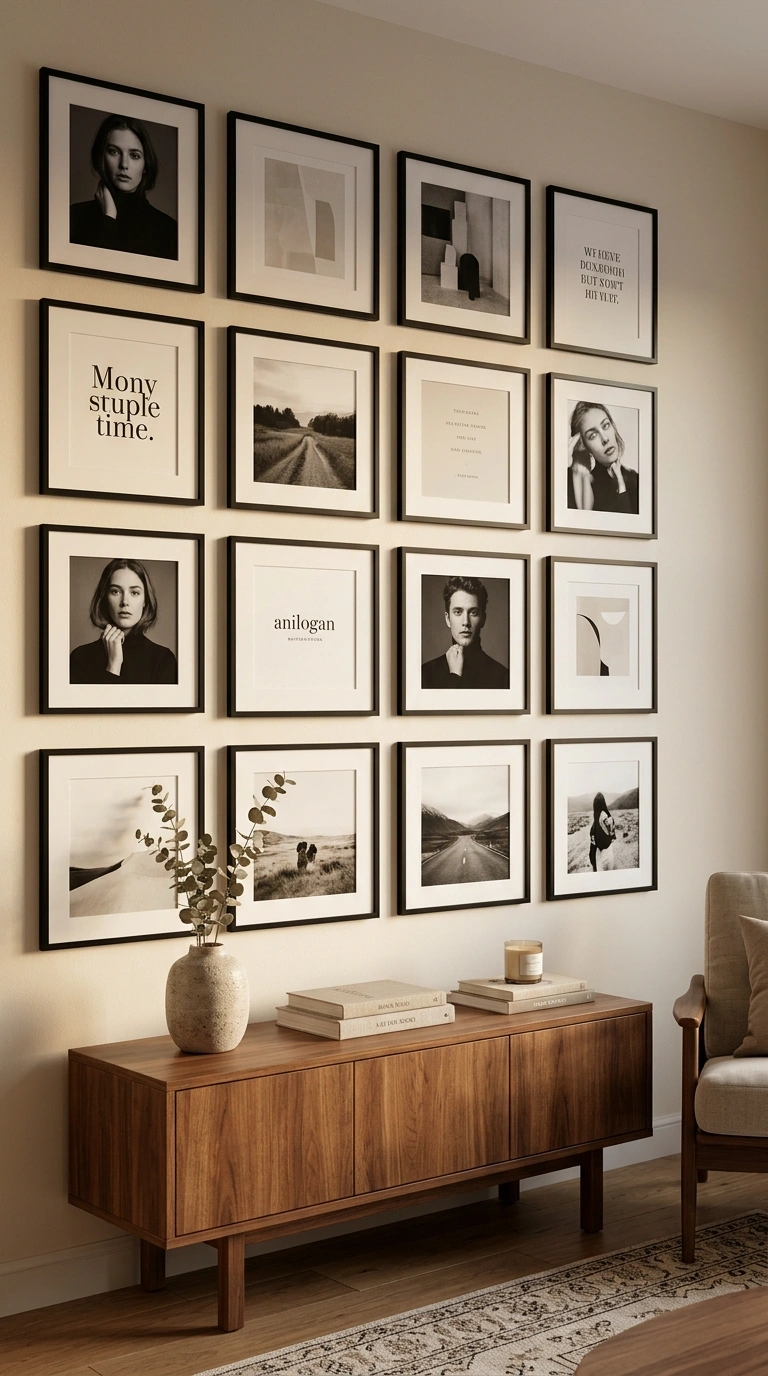
A gallery wall done well adds personality and warmth, but a messy one can make a room feel cluttered instead. The key to a high-end looking gallery wall is consistency. Stick to two or three frame colors, like black, wood, and brass, and repeat them throughout the arrangement so your eye is not pulled in too many directions at once.
Before hanging anything, lay your frames out on the floor first and take a photo from above to check the spacing. Keep gaps between frames roughly even, around two to three inches, and use painter’s tape on the wall to mark where each frame will go. Mixing photos, art prints, and a small mirror or shelf adds interest without looking chaotic. This kind of planning takes a little extra time, but it is the difference between a gallery wall that looks curated and one that looks accidental.
15. Add Board and Batten or Wall Molding
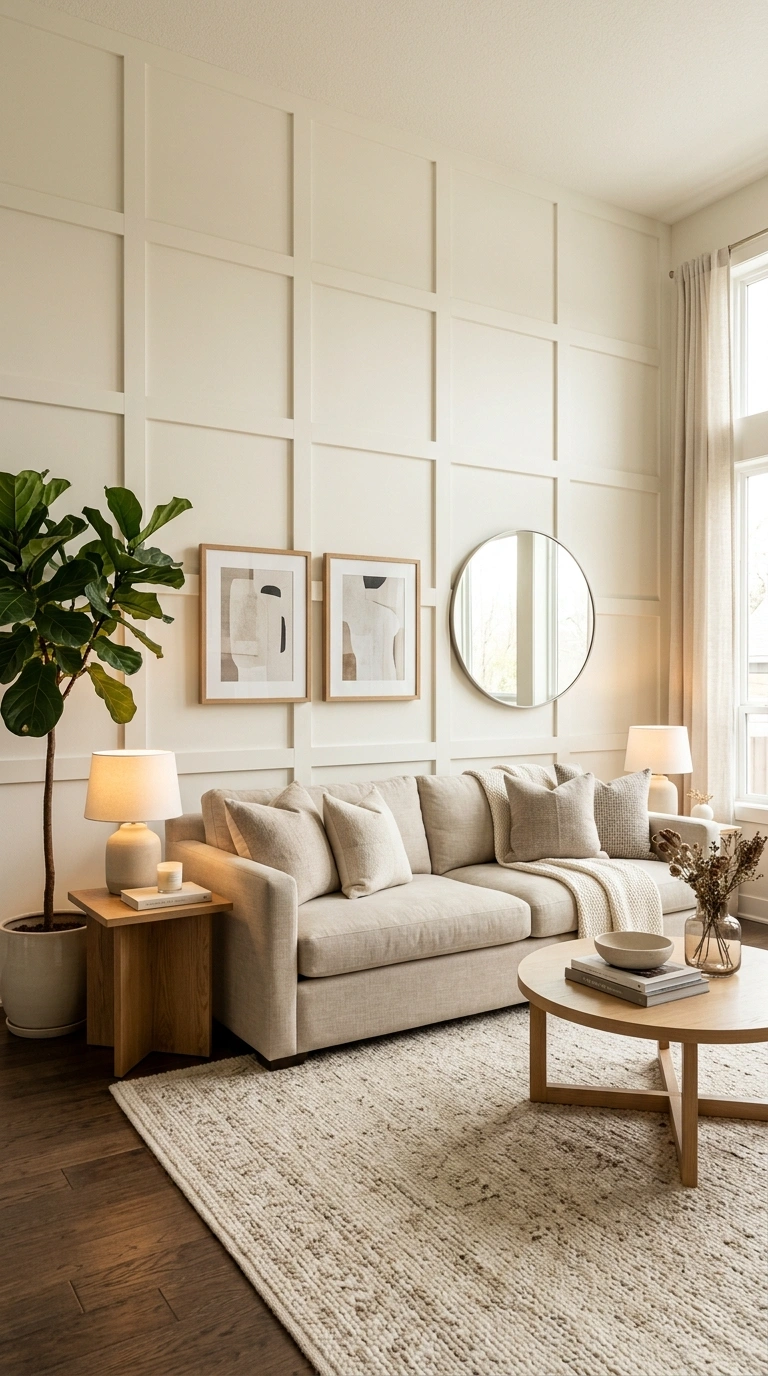
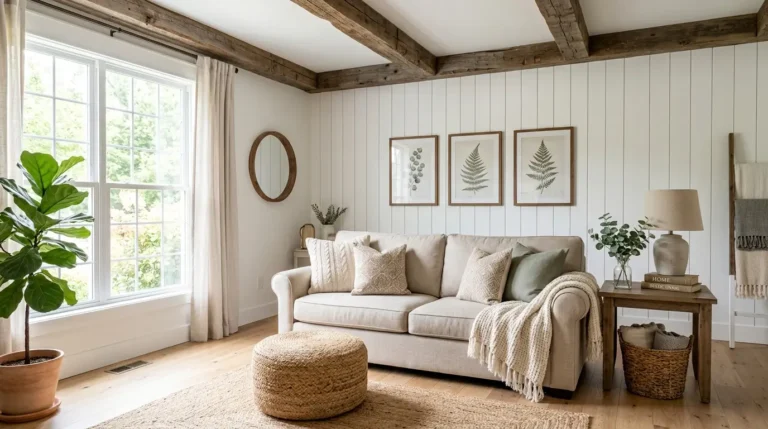
Board and batten paneling brings texture and architectural interest to a plain wall, and it is a project most people can tackle over a weekend. This style uses vertical or horizontal strips of wood or MDF attached to the lower half of a wall, then painted a single color for a clean, built-in look. It works especially well behind a sofa, in an entryway near the living room, or along a stairwell wall.
Measure your wall and plan your spacing before cutting any wood, since even spacing is what makes this look intentional rather than homemade. Paint the boards and the wall behind them the same color for the most seamless look, using a durable paint finish since this area tends to get bumped and touched often. This kind of detail is common in higher end homes and costs far less than most people expect when done with basic materials from a hardware store.
16. Upgrade Switch Plates and Outlets
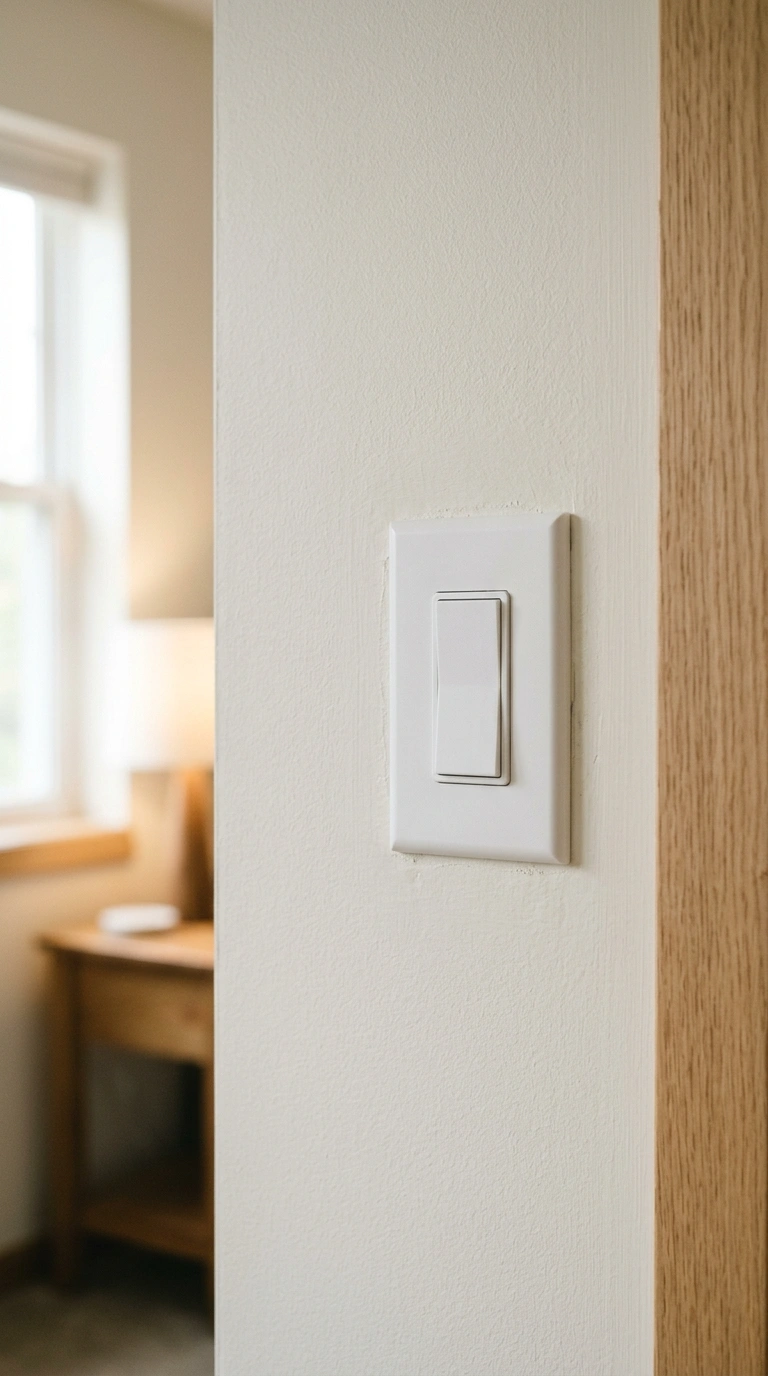
Beyond just swapping the plates, replacing yellowed or cracked outlets themselves is a small detail that adds up over time. Older outlets can look worn even under a new switch plate, and mismatched outlet colors against fresh paint tend to stand out more than people expect. White or almond outlets against a colored wall can look outdated, while updated outlets in a matching or neutral tone blend in seamlessly.
If you are comfortable with basic electrical work, this is a simple swap, but always turn off power at the breaker first and follow proper safety steps, or hire an electrician if you are unsure. This upgrade is especially worth doing in a main living room where people spend a lot of time and notice small details. It is a modest cost that quietly removes one more sign of wear from the room.
17. Layer Cozy Throws and Blankets
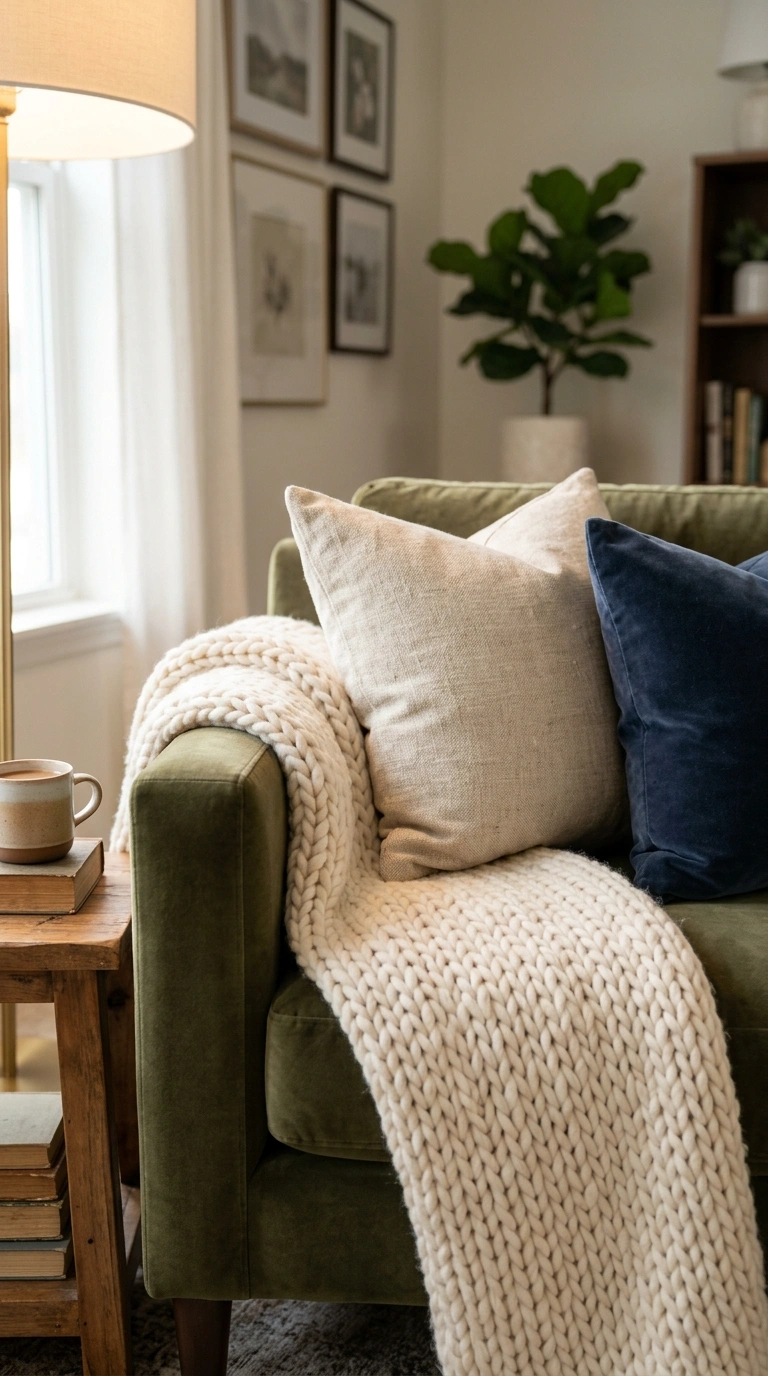
A folded or draped throw blanket adds warmth and texture to a sofa or armchair, and it signals that a room is meant to be lived in and enjoyed. Choose a blanket in a chunky knit, soft bouclé, or textured woven fabric rather than a flat fleece, since texture is what gives this detail a higher end feel. Drape it loosely over one arm of the sofa, or fold it in thirds and lay it across the back cushions.
Stick to colors that connect to your pillows or rug so the throw feels like part of the plan rather than a random addition. A second throw in a chair or basket nearby adds another layer without much extra cost. Rotate your throws with the seasons, using heavier knits in winter and lighter linen or cotton blends in warmer months, to keep the room feeling current all year.
18. Style Your Bookshelves
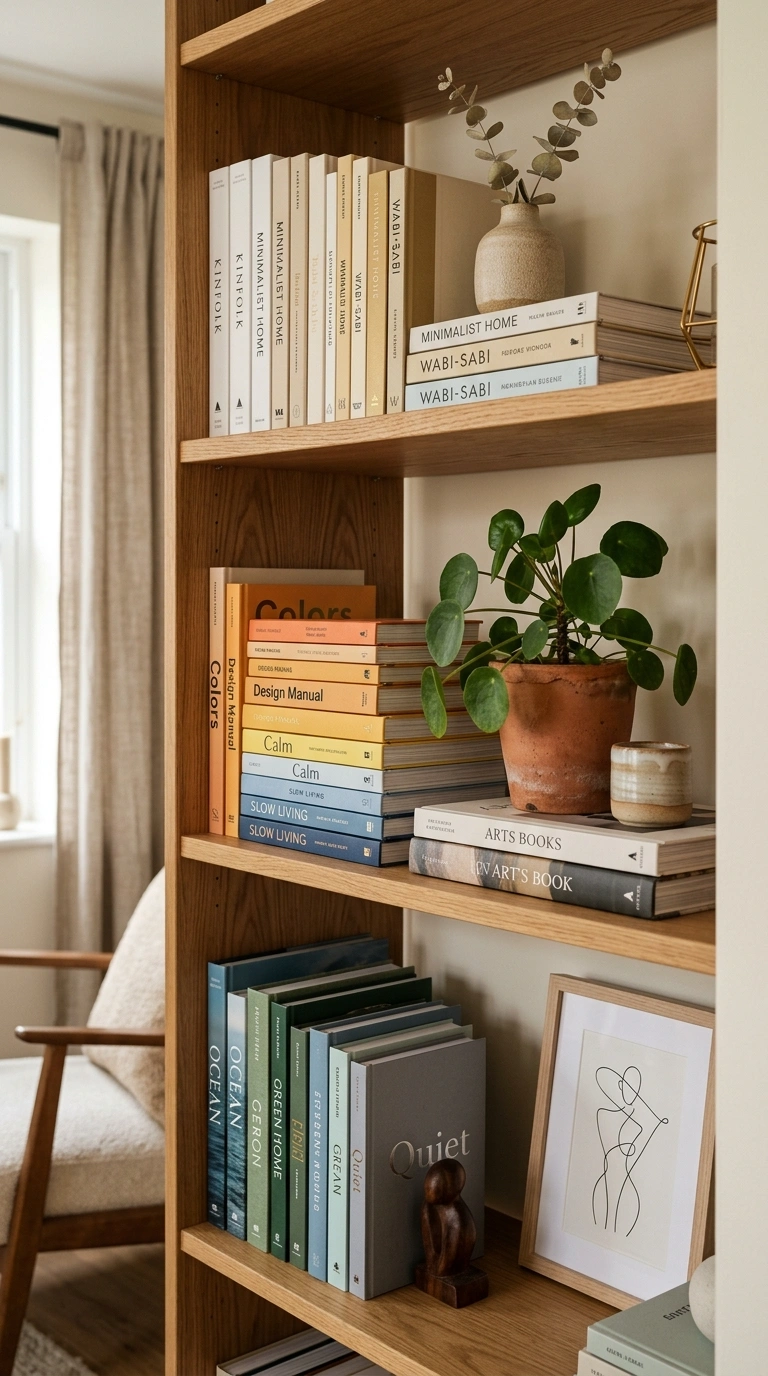
Bookshelves crammed with books spine-out, or completely empty shelves, both tend to look less finished than a shelf that is thoughtfully arranged. Mix your books with a few decorative objects, like small plants, a piece of pottery, or a framed photo, and vary how you display them. Stack some books flat with an object on top, and keep others standing upright, to break up the visual rhythm.
Leave some negative space on each shelf instead of filling every inch, since breathing room is part of what makes a shelf look designed rather than crowded. Grouping items in odd numbers, like a stack of three books next to a single plant, tends to look more natural than pairs. If you have a mix of book colors that feels chaotic, try turning a few spines toward the wall so the plain page edges show, which creates a calmer, more neutral backdrop for your other objects.
19. Add Brass or Metallic Accents
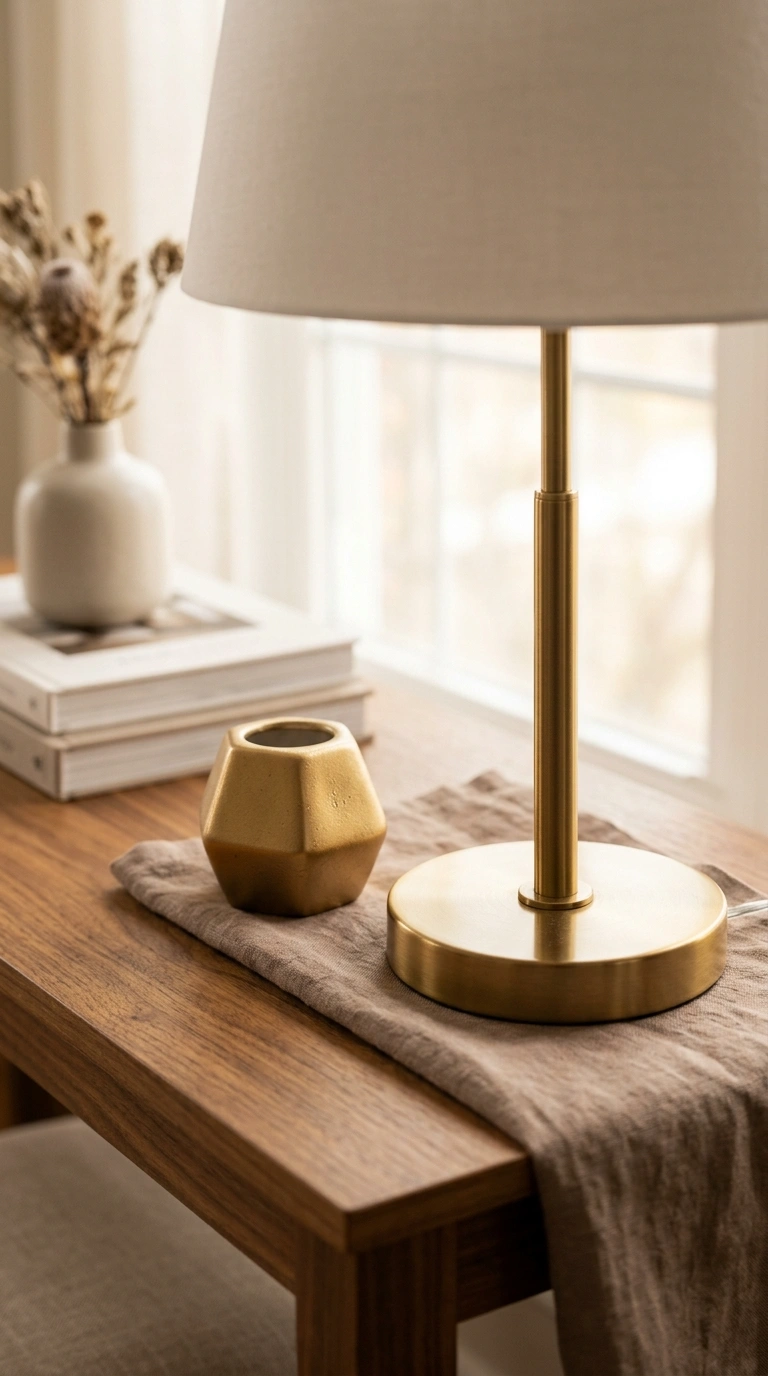
A small amount of warm metal, like brass, gold, or aged bronze, can lift a room that feels flat or overly neutral. This does not mean covering every surface in metallic finishes. A few well-placed accents, like picture frames, a lamp base, drawer pulls, or a decorative tray, are enough to add a subtle sense of polish.
Stick to one metal tone throughout the room for a cohesive look, since mixing several different metals randomly can start to feel busy. Brass tends to read as warmer and more classic, while black metal or matte finishes feel more modern. Thrift stores often carry brass items that look dated at first glance, but a light polish or a coat of matte spray paint can transform an old, tarnished piece into something that looks brand new and expensive.
20. Choose a Cohesive Neutral Palette
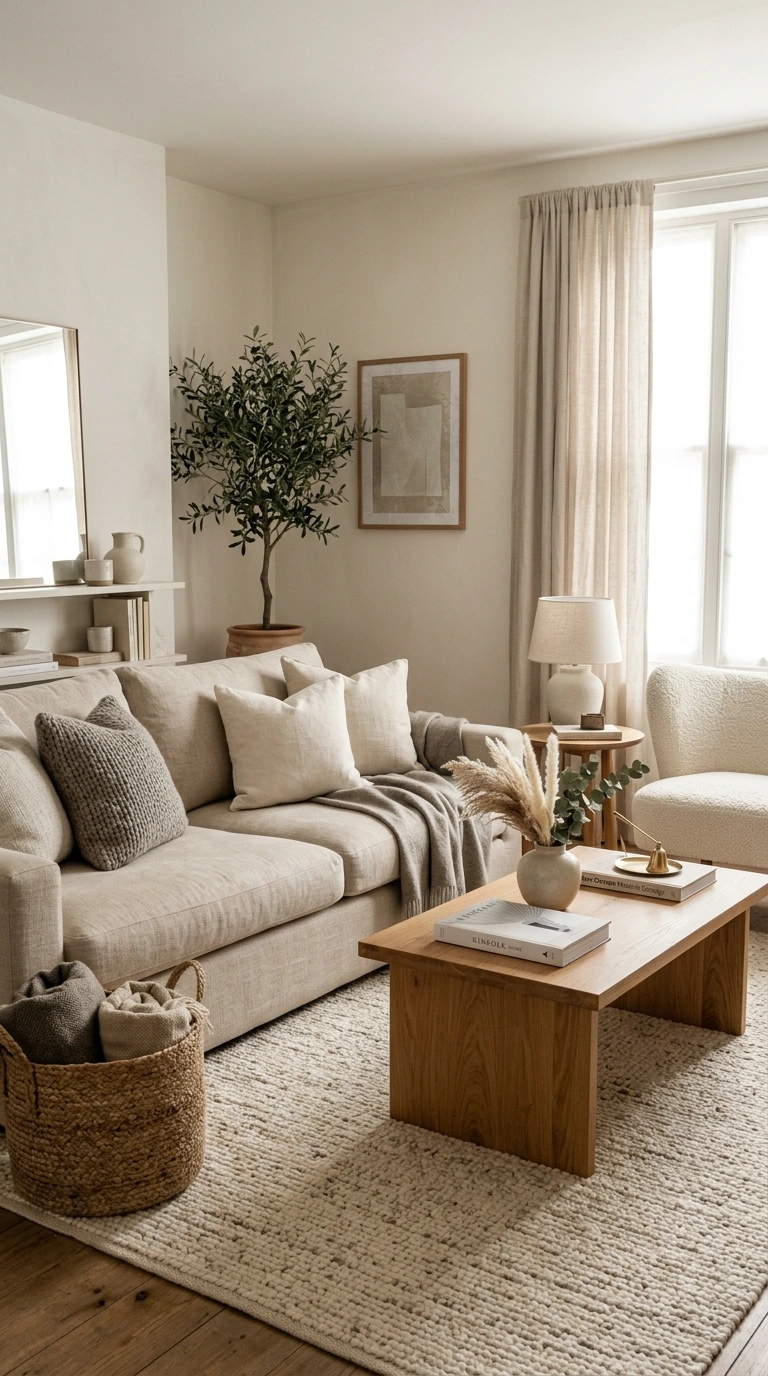
Rooms that feel expensive often share one thing in common. Every color in the space feels intentional, rather than randomly collected over time. Building your living room around a neutral base, like warm white, greige, taupe, or soft gray, gives you a calm backdrop that makes your furniture and decor look more expensive by comparison.
This does not mean your room has to be boring. Layer in different textures within your neutral palette, like a nubby wool rug against smooth linen curtains and a woven basket, to keep things interesting. Add one or two accent colors through pillows, art, or a single piece of furniture if you want a bit of personality, but keep the majority of the room within your chosen neutral family. This kind of restraint is often what separates a room that feels curated from one that feels like it is missing a plan.
21. Raise Furniture on Legs
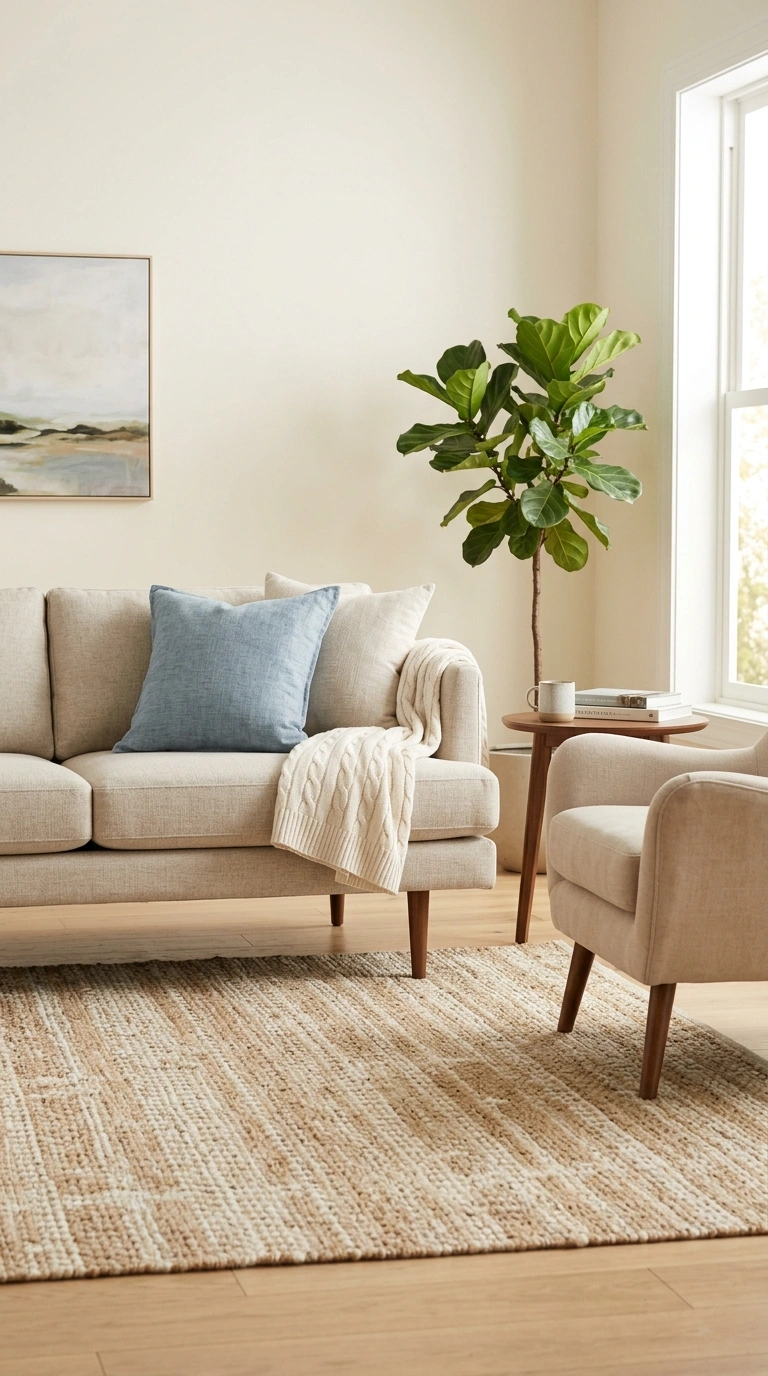
Furniture that sits directly on the floor, like a low sofa with a skirted base or a solid bench, can make a room feel heavier and more closed in. Pieces with visible wood or metal legs let light pass underneath them, which makes the whole floor feel more open and the room feel larger, even if the furniture itself has not changed size.
If you already own furniture without visible legs, some pieces can be retrofitted with simple screw-in furniture legs, which are inexpensive and available at most hardware stores. When shopping for new or secondhand pieces, look for tapered wood legs or slim metal legs, since these tend to read as more current than bulky, boxy bases. This small shift in silhouette is a detail that many higher end living rooms share, and it costs very little to apply to furniture you already have.
22. Bring in Natural Textures
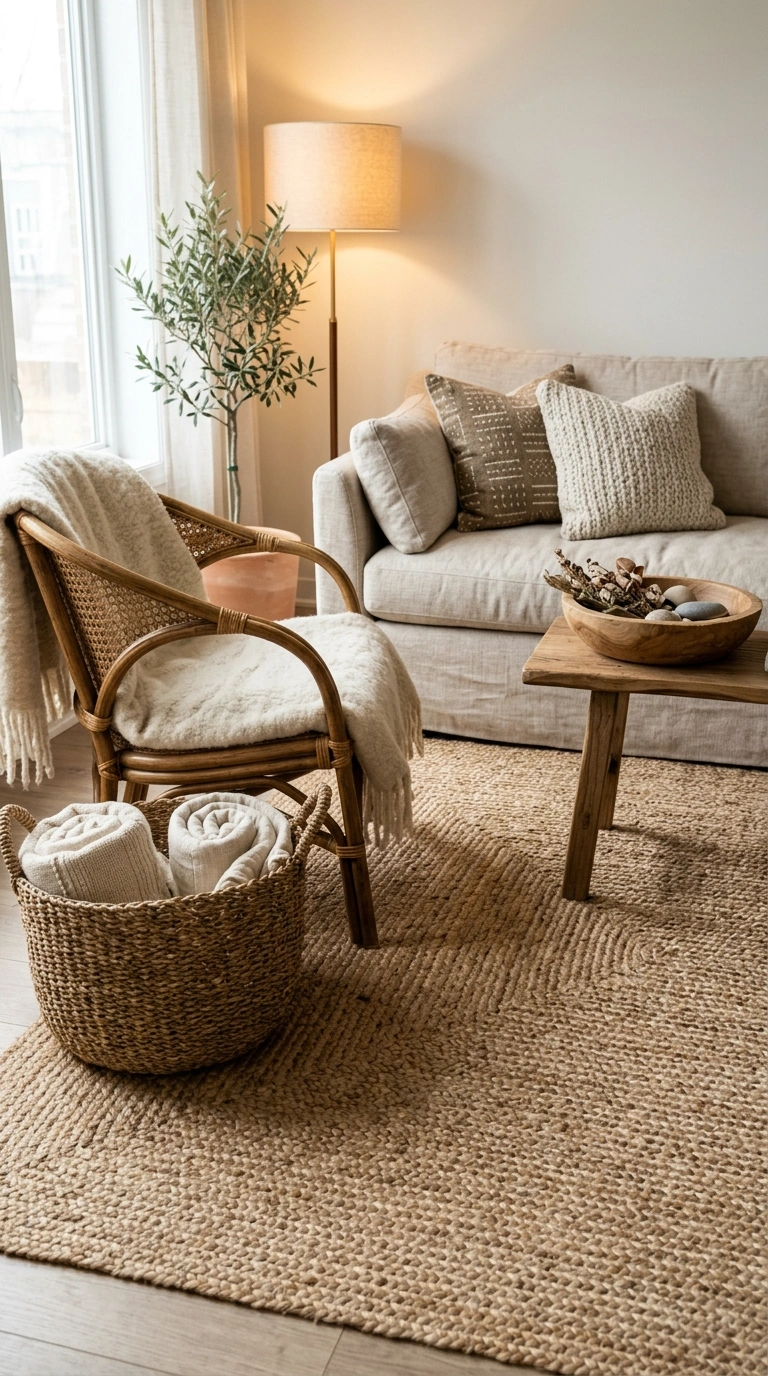
Rooms that lean too heavily on smooth, shiny surfaces can start to feel a little cold or generic. Adding natural materials like rattan, woven jute, raw wood, and linen brings warmth and texture that plastic or laminate finishes cannot match. A rattan accent chair, a jute rug, or a set of woven baskets are all simple ways to introduce this texture without a big investment.
These materials also tend to age gracefully, developing a bit of character over time instead of looking worn out. Mix a few natural textures with your existing furniture rather than replacing everything at once, since even one or two pieces can shift the whole feel of the room. Baskets are especially useful since they add texture while also giving you a place to store blankets, magazines, or toys out of sight.
23. Declutter and Edit
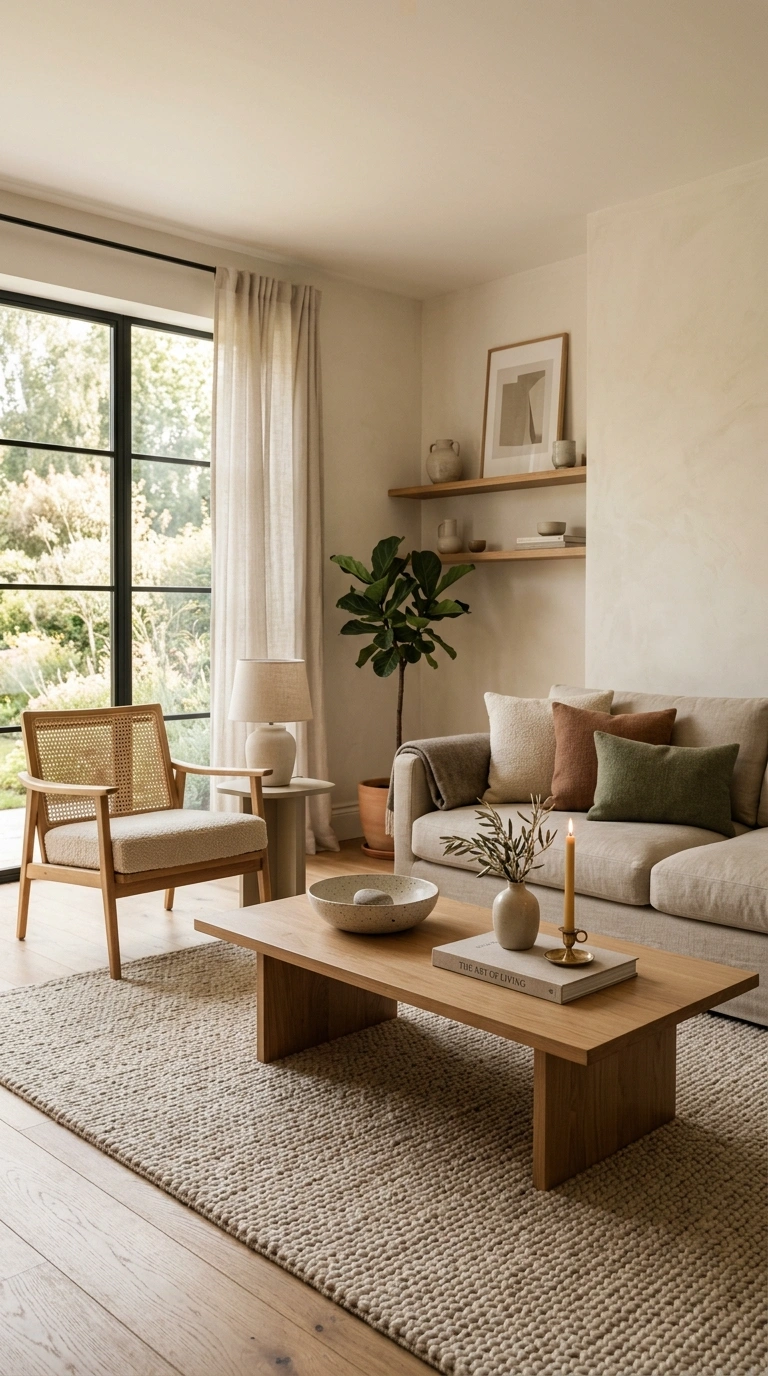
Sometimes the fastest way to make a living room look more expensive costs nothing at all. Removing extra clutter, like stacks of mail, random cords, or too many small decorative objects, gives your eye room to rest and lets your good pieces stand out. A room with fewer, better chosen items almost always reads as more high end than one that is packed with things, even nice things.
Walk through your living room and remove anything that does not have a clear purpose or a place to belong. Group remaining items thoughtfully instead of scattering them across every surface. Storage solutions like baskets, a lidded ottoman, or a cabinet with doors can hide everyday items like remotes and chargers while keeping your open surfaces clean. This kind of editing takes an afternoon, but the payoff in how finished your room looks is immediate.
24. Add a Statement Light Fixture
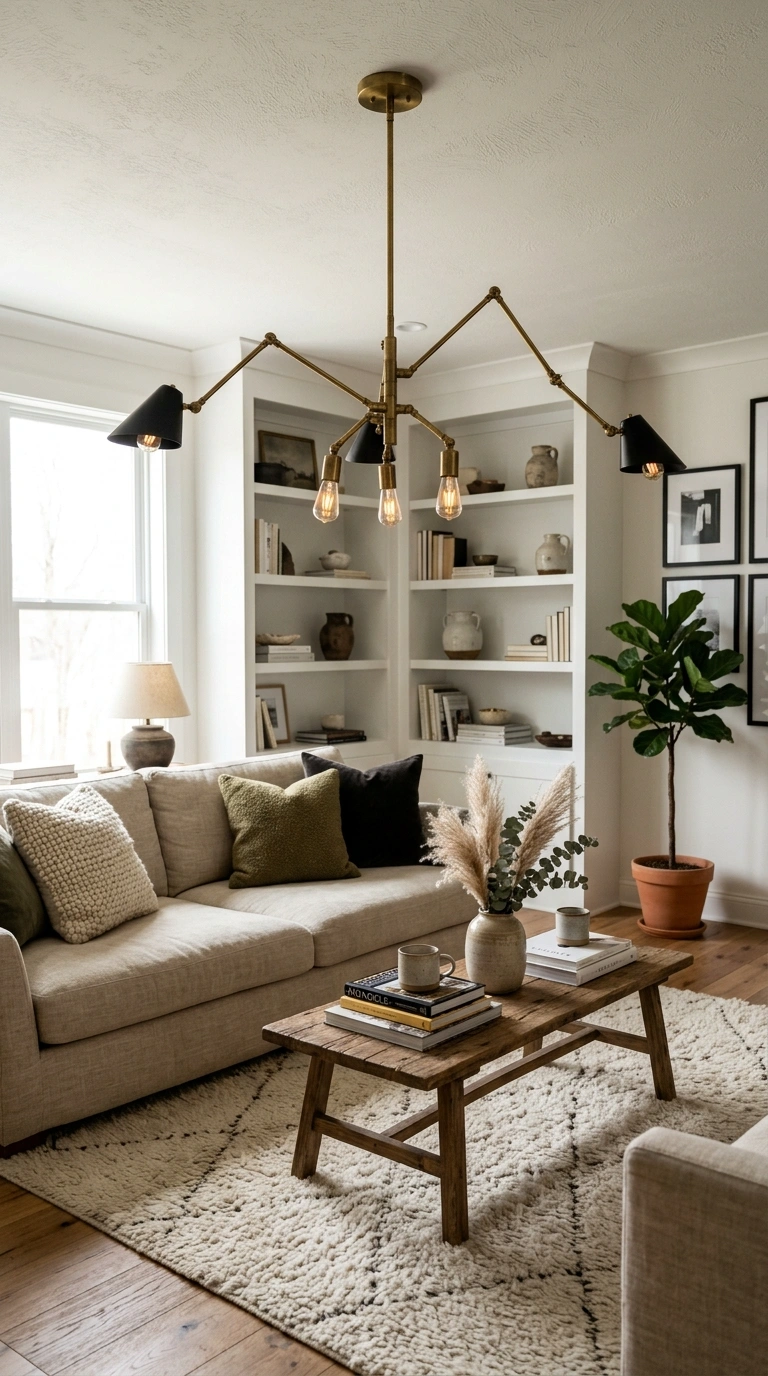
A builder-grade overhead light can make even a well-decorated room feel unfinished, while a statement fixture draws the eye upward and adds a sense of design intention. This does not have to mean an expensive chandelier. Look for fixtures with interesting shapes, woven materials, or a warm metal finish that fits the rest of your room’s palette.
If your living room only has recessed lighting or a plain flush mount, adding a fixture above your coffee table or in a reading corner can fill that gap. Many fixtures are designed for easy installation, though it is worth hiring an electrician if your wiring setup is unfamiliar to you. Secondhand shops and online marketplaces often have unique fixtures at a fraction of retail cost, especially from people updating their own homes. A single well-chosen fixture can become the room’s focal point.
25. Layer Coffee-Table Books and Trays
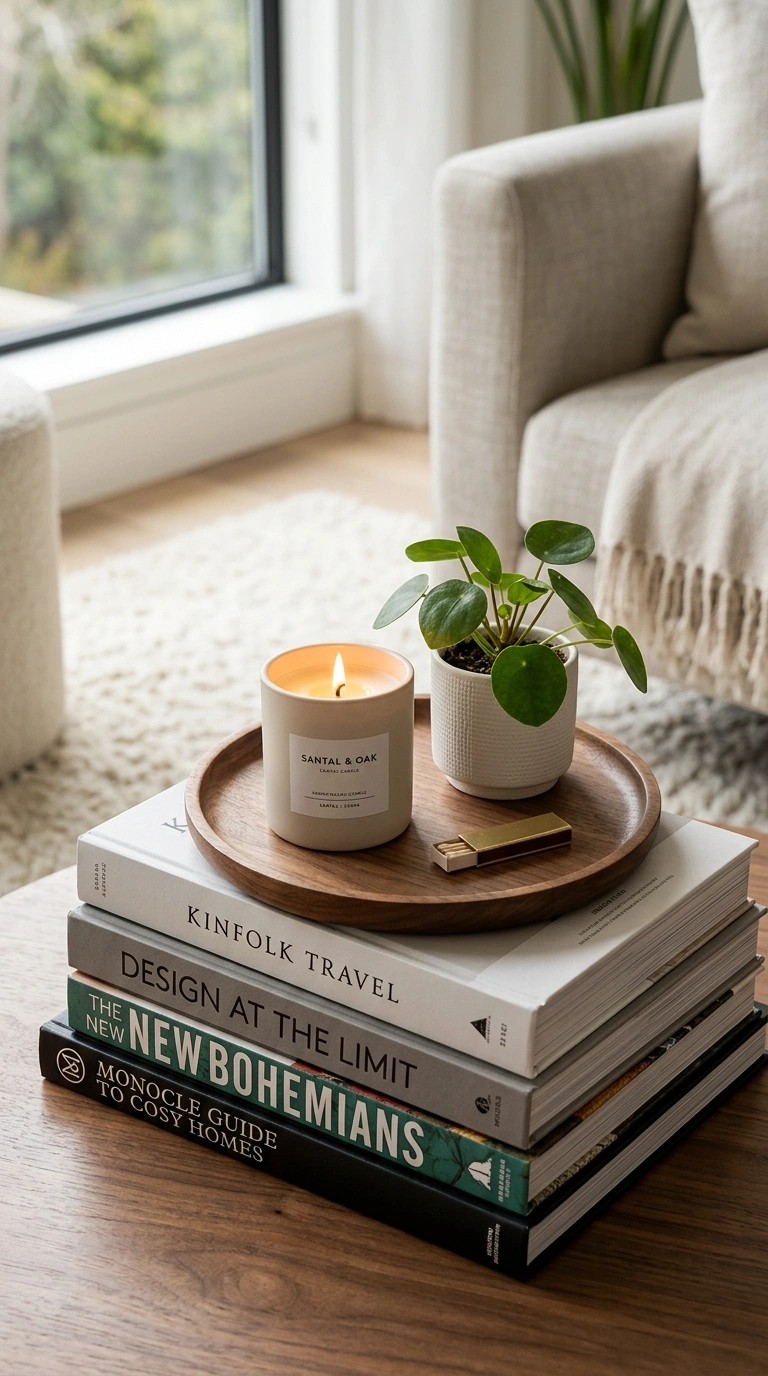
Beyond a single coffee table vignette, layering trays and books throughout your living room adds small, repeated moments of styling that add up to a polished whole. A tray on an ottoman, a stack of books on a side table, or a small tray with a candle on a bookshelf all create the same sense of intention as your main coffee table display.
Choose books with covers or spines in colors that match your room, or wrap plain covers in craft paper for a more uniform look if your current books feel too colorful or busy. Trays help contain smaller items like remotes or coasters so they look organized rather than scattered. This layered styling approach is simple to repeat across your whole living room, and it is one of the easiest habits to build once you get comfortable with it.
Start With the Highest-Impact Change
With 25 ideas on this list, it is easy to feel like you need to do everything at once. You do not. If you are only going to do one thing this weekend, start with lighting or your rug, since these two changes affect how the entire room feels the moment you walk in. A room with warm layered lighting and a properly sized rug already looks more finished, even before you touch anything else on this list.
From there, work through the smaller, low-cost changes like hardware, pillows, and decluttering, since these give you quick wins that build momentum. Save bigger projects like trim work or board and batten for when you have a free weekend and feel ready to tackle something more involved. Decorating a room well is rarely about doing everything at once. It is about choosing a few changes that matter most and giving them the attention they deserve.
Frequently Asked Questions
How do I make my living room look expensive on a budget?
Focus on lighting, a properly sized rug, and decluttering first, since these three changes affect the whole room at once. From there, add texture through pillows and throws, swap out small hardware details, and keep your color palette cohesive. These changes cost far less than new furniture but make a noticeable difference in how finished the room feels.
What makes a room look high-end?
High-end rooms usually share a few traits. They have layered lighting instead of one harsh overhead light, a cohesive color palette instead of scattered colors, and a mix of textures like wood, linen, and metal. They also tend to be edited rather than cluttered, with fewer, better chosen pieces instead of too many small items competing for attention.
What are the cheapest ways to upgrade a living room?
Decluttering costs nothing and makes an immediate difference. After that, swapping switch plates and hardware, adding a folded throw blanket, styling your coffee table, and hanging curtains higher and wider are all low-cost changes. Secondhand shops and online marketplaces are also great sources for mirrors, art, and furniture at a fraction of retail prices.
How can I make cheap furniture look expensive?
Add furniture legs if your pieces sit low to the ground, since this creates a lighter, more open look. A well-fitted slipcover can update an older sofa, and new hardware can transform a plain dresser or console table. Styling your furniture with a few well-chosen decor pieces also helps budget furniture blend in seamlessly with higher end items in the room.
Does decluttering really make a room look more expensive?
Yes, decluttering is one of the most effective free changes you can make. A room with fewer, more intentional items almost always looks more designed than one that is full of miscellaneous objects, even if those objects are nice on their own. Removing clutter gives your eye a place to rest and lets your best pieces, like a good rug or a styled coffee table, actually stand out.
A Few Final Thoughts
You do not need a full renovation or a big budget to make your living room feel high-end. Small, consistent changes, like better lighting, a properly sized rug, and a bit of decluttering, add up faster than most people expect. Pick two or three ideas from this list that fit your space and your schedule, and build from there. Your living room can feel more finished by next weekend without spending much at all.